

Issue · Labor & Employment
Labor & Employment
Every labor & employment bill, vote, and legislator stance in United States, automatically classified by Maddy, our AI policy reader.
Total bills
1,543
119th Congress
Top supporter
Raphael G. Warnock
100% support rate
Top opponent
Eric Burlison
31% support rate
Ranked legislators
10
5 support · 5 oppose
Key legislators
Who's moving labor & employment in United States
| Legislator | Party | Stance | Support rate | Votes |
|---|---|---|---|---|
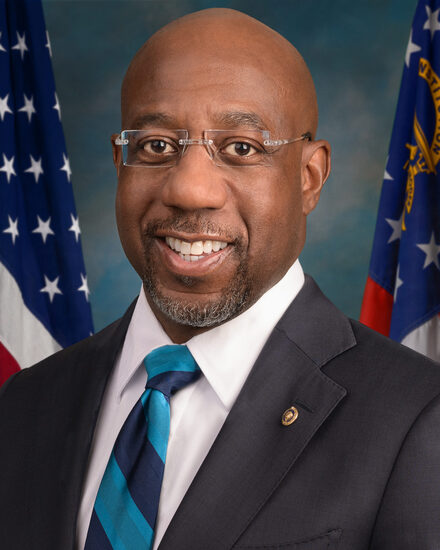
Raphael G. Warnock
Senate
|
D |
Strong +
|
100% | 211 |
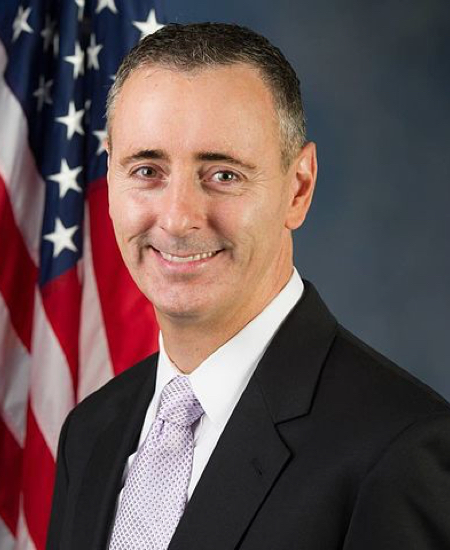
Brian K. Fitzpatrick
House · District 1
|
R |
Strong +
|
92% | 194 |

Robert P. Bresnahan, Jr.
House · District 8
|
R |
Strong +
|
92% | 197 |
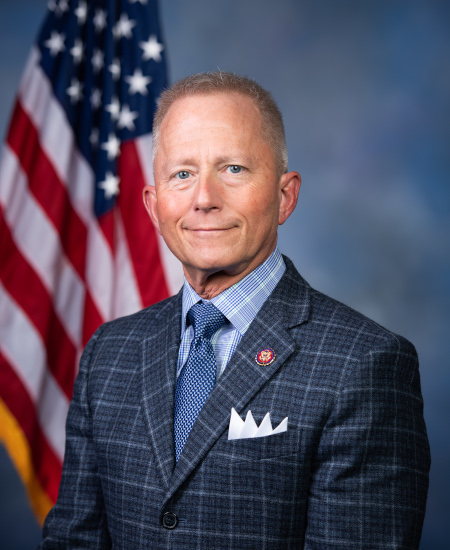
Jefferson Van Drew
House · District 2
|
R |
Strong +
|
92% | 197 |
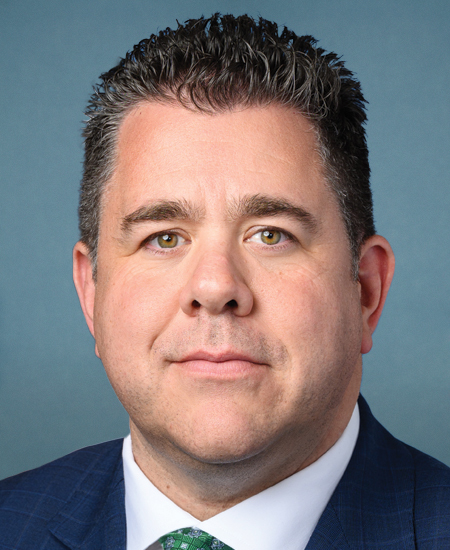
Nick LaLota
House · District 1
|
R |
Strong +
|
92% | 195 |
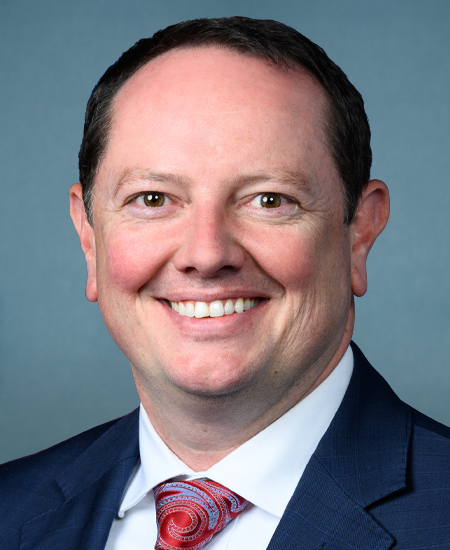
Eric Burlison
House · District 7
|
R |
Oppose
|
31% | 197 |
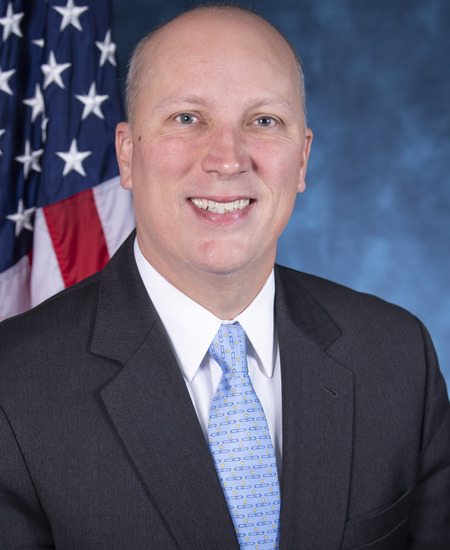
Chip Roy
House · District 21
|
R |
Oppose
|
31% | 190 |
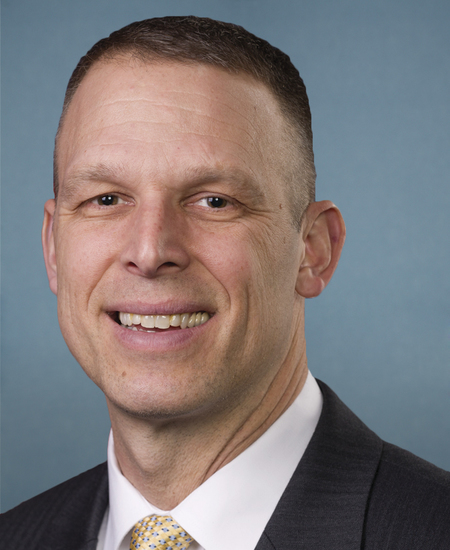
Scott Perry
House · District 10
|
R |
Oppose
|
31% | 194 |
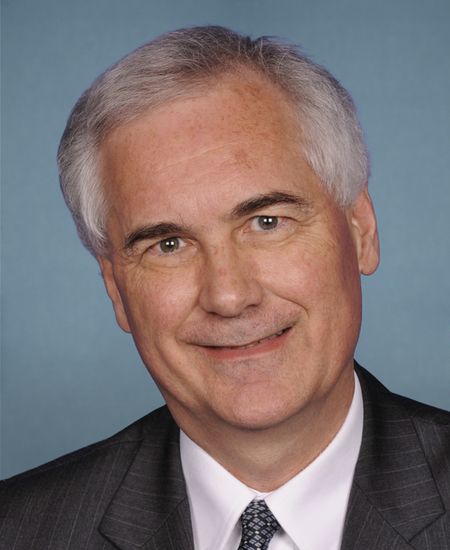
Tom McClintock
House · District 5
|
R |
Oppose
|
31% | 190 |
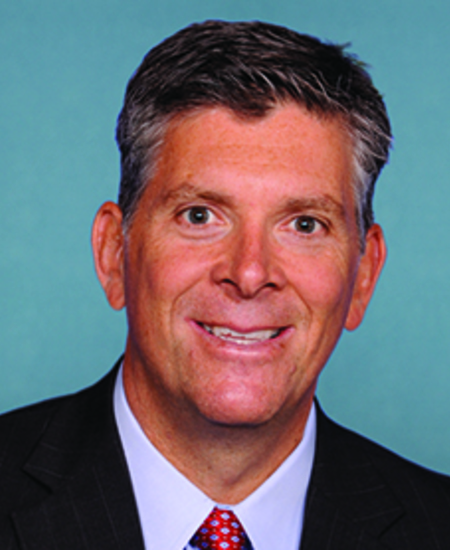
Darin LaHood
House · District 16
|
R |
Oppose
|
33% | 175 |
Showing 1,361–1,370 of 1,543
bills
All labor & employment bills
HR 5296: BUILDS Act
Topics
✓ Budget & TaxesSupports Budget & TaxesFunds infrastructure partnerships via federal grants, directly allocating government spending for public sector programs aligned with fiscal management.
✓ EnergySupports EnergyExplicitly funds clean energy infrastructure through federal grants in eligible sectors, directly advancing renewable energy development and workforce training.
✓ Labor & EmploymentSupports Labor & EmploymentBill mandates paid on-the-job training programs for workers in infrastructure sectors, particularly those facing employment barriers, directly advancing employment opportunities and skills development.
✓ TechnologySupports TechnologyFunds IT infrastructure partnerships and workforce training in technology sectors, directly advancing industry development per bill summary.
✓ TransportationSupports TransportationBill establishes federal grants specifically for transportation infrastructure through industry partnerships, directly funding sector projects per summary.
HR 4949: Apprenticeships for Small Businesses Act of 2025
Topics
✓ Budget & TaxesSupports Budget & TaxesCreates tax credit reducing small business tax burden for workforce training, directly providing tax relief under Budget & Taxes policy framework.
✓ EducationSupports EducationBill creates tax credit for businesses supporting apprenticeships and community college programs, directly expanding career training access for youth under 21.
✓ Labor & EmploymentSupports Labor & EmploymentProvides tax credit for small businesses to fund apprenticeships and workforce training, directly advancing worker skill development and employment opportunities.
Sub-Topics
Tax Credits
Career & Technical Education
Higher Education
Apprenticeships
Child Labor
Workforce Development
Tags
Small Business
HR 4954: Keep Call Centers in America Act of 2025
HR 7566: Federal Jobs Guarantee Development Act of 2026
Topics
✓ HealthcareSupports HealthcareRequires health insurance comparable to federal benefits for job program participants, expanding coverage access as a mandatory program component.
✓ Labor & EmploymentSupports Labor & EmploymentMandates wages ≥ prevailing rates, health insurance, paid leave, and supportive services for guaranteed jobs, directly strengthening worker benefits and employment standards.
S 2818: Tax Excessive CEO Pay Act of 2025
Topics
✓ Budget & TaxesSupports Budget & TaxesImposes corporate tax penalties (0.5%-5%) on firms with CEO-worker pay ratios >50:1, closing a tax loophole for excessive executive compensation.
✓ Labor & EmploymentSupports Labor & EmploymentTargets excessive CEO pay relative to workers (ratios >50:1) with tax penalties, aiming to reduce income inequality and protect workers' pay relative to executives, thus supporting labor and employment rights.
HR 7524: Older Workers’ Bureau Act
HR 5806: Pre-Apprenticeship Wrap-around Support Services Fund Act of 2025
Topics
✓ EducationSupports EducationFunds stipends for transportation/certification fees in pre-apprenticeship programs, removing barriers to workforce training access for disadvantaged groups.
✓ Labor & EmploymentSupports Labor & EmploymentProvides federal grants for stipends covering transportation, lost wages, and certification fees in pre-apprenticeship programs, directly supporting employment access for barrier-affected individuals.
✓ TransportationSupports TransportationBill explicitly funds transportation costs through stipends for apprenticeship participants, directly supporting transportation access as a covered expense.
Sub-Topics
Career & Technical Education
Apprenticeships
Professional Licensing
Workforce Development
HR 1232: National Right-to-Work Act
HR 1783: American Apprenticeship Act
Topics
✓ EducationSupports EducationProvides federal grants for pre-apprenticeship programs, funding tuition/materials to expand workforce training access for underserved groups, aligning with educational access under topic description.
✓ Labor & EmploymentSupports Labor & EmploymentFunds pre-apprenticeship programs targeting underserved groups, advancing workforce development and employment opportunities in low-participation industries.
✓ VeteransSupports VeteransBill explicitly prioritizes veterans as an underserved group for pre-apprenticeship programs, advancing veteran employment opportunities.
Sub-Topics
Career & Technical Education
Higher Education
Apprenticeships
Public Employees
Workforce Development
Veteran Employment