Issue · Labor & Employment

Labor & Employment

Every labor & employment bill, vote, and legislator stance in United States, automatically classified by Maddy, our AI policy reader.

Total bills
1,543
119th Congress
Top supporter
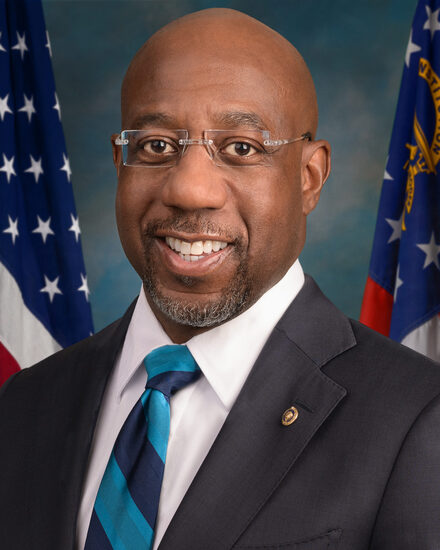
Raphael G. Warnock
100% support rate
Top opponent
Eric Burlison
31% support rate
Ranked legislators
10
5 support · 5 oppose
Key legislators

Who's moving labor & employment in United States

Legislators moving labor & employment in United States
Legislator Party Stance Support rate Votes
Raphael G. Warnock
Raphael G. Warnock Senate
D
Strong +
100% 211
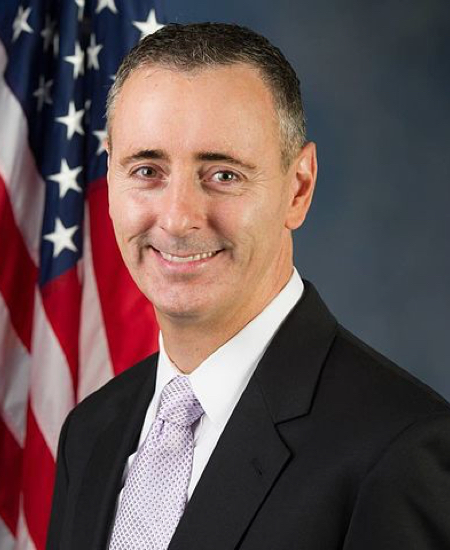
Brian K. Fitzpatrick
Brian K. Fitzpatrick House · District 1
R
Strong +
92% 194
Robert P. Bresnahan, Jr.
Robert P. Bresnahan, Jr. House · District 8
R
Strong +
92% 197
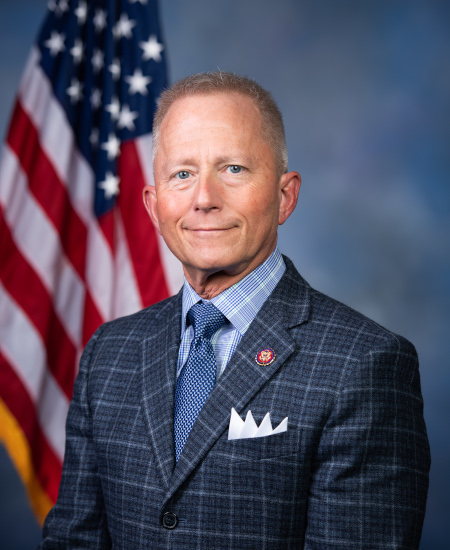
Jefferson Van Drew
Jefferson Van Drew House · District 2
R
Strong +
92% 197
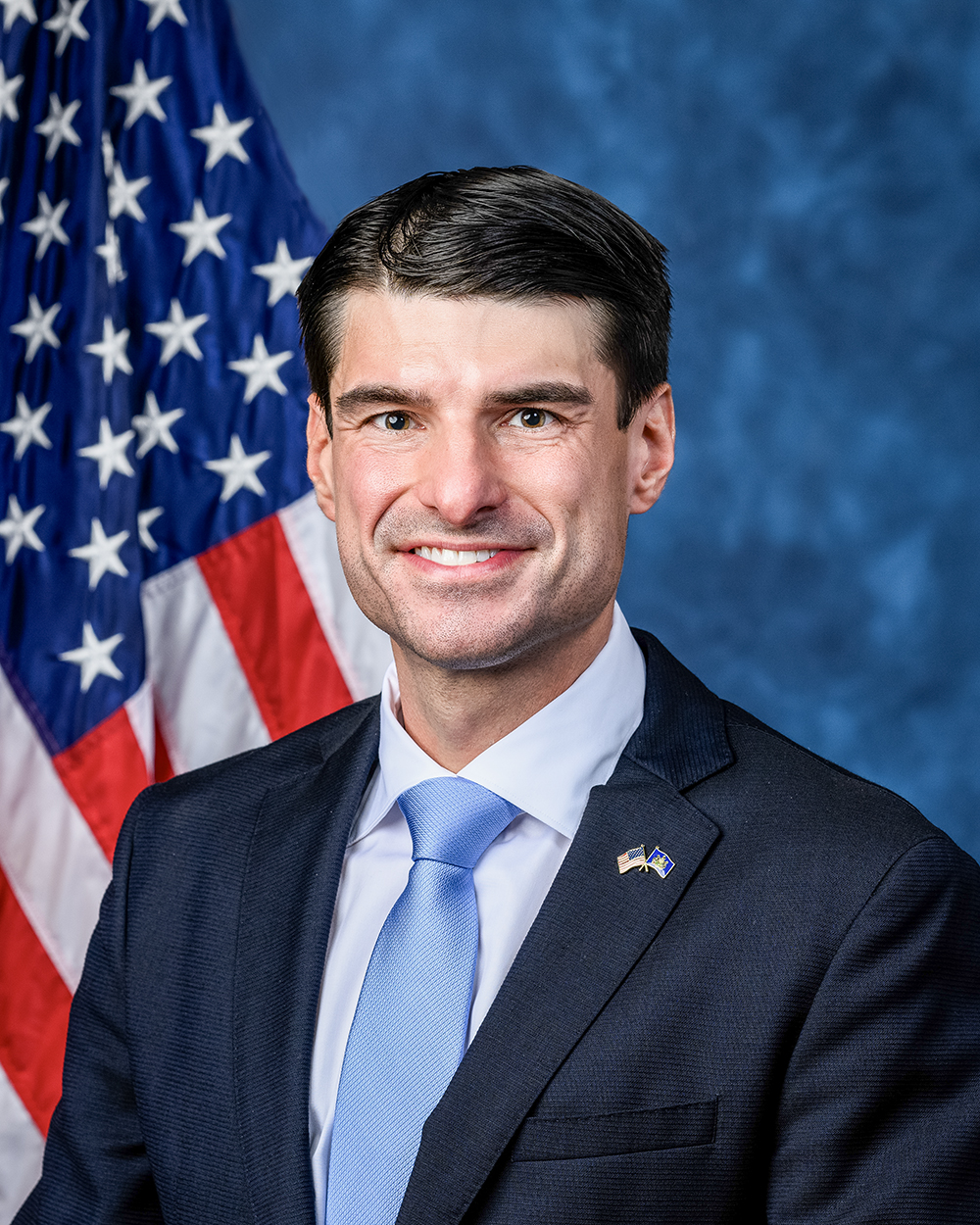
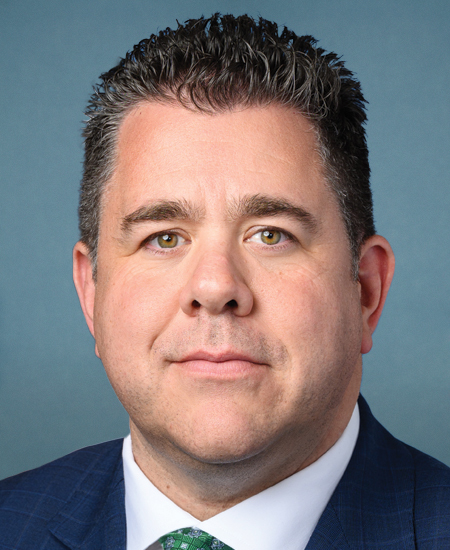
Nick LaLota
Nick LaLota House · District 1
R
Strong +
92% 195
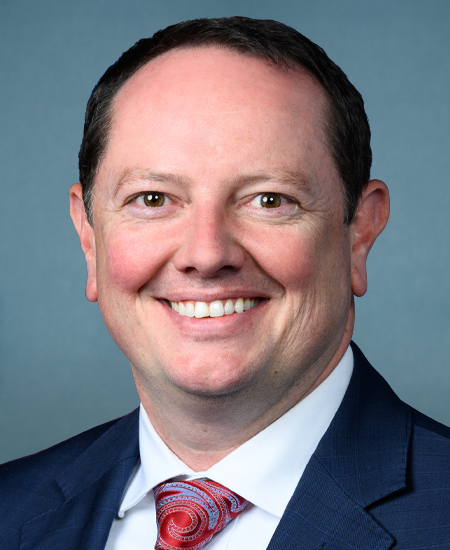
Eric Burlison
Eric Burlison House · District 7
R
Oppose
31% 197
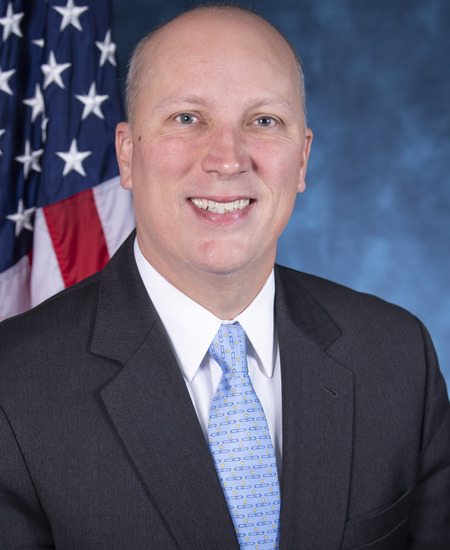
Chip Roy
Chip Roy House · District 21
R
Oppose
31% 190
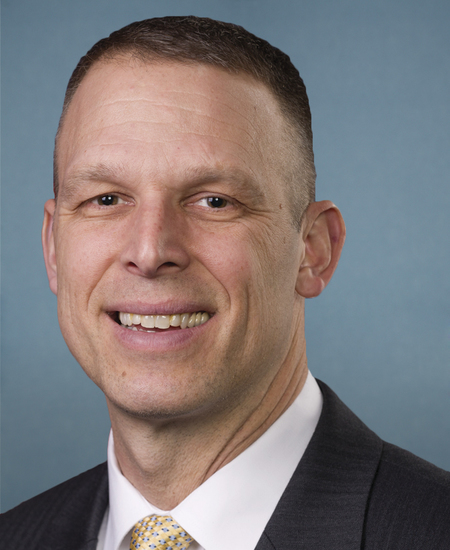
Scott Perry
Scott Perry House · District 10
R
Oppose
31% 194
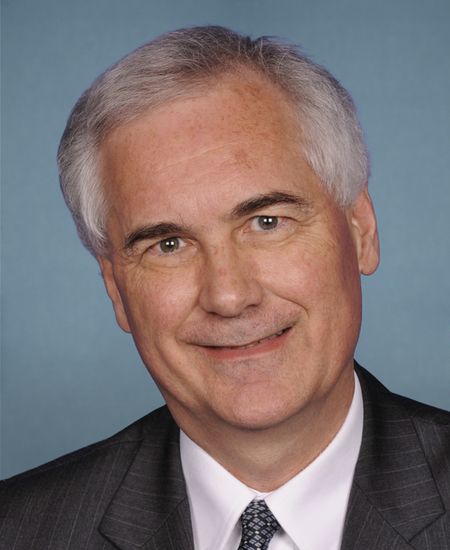
Tom McClintock
Tom McClintock House · District 5
R
Oppose
31% 190
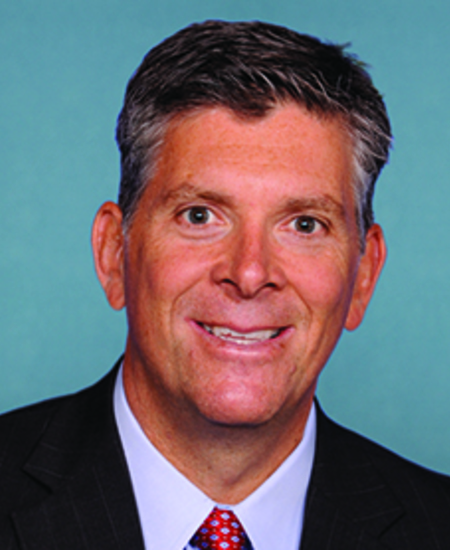
Darin LaHood
Darin LaHood House · District 16
R
Oppose
33% 175
Showing 1,351–1,360 of 1,543 bills

All labor & employment bills

in committee · United States · Senate Apr 7, 2025

S 1313: No Union Time on the Taxpayer's Dime Act

This bill eliminates "official time" for federal employees, meaning they can no longer use regular work hours to perform union-related activities. It directly affects federal workers who are union members, requiring them to handle union business during non-duty time instead of paid work hours. The key provision amends Title 5 of the U.S. Code to change the rule governing union activities during work time. This is a procedural change to federal employment law, not a new policy affecting the public or specific industries.
in committee · United States · House Sep 4, 2025

HR 5159: Nationwide Right to Unionize Act

The Nationwide Right to Unionize Act (HR 5159) would repeal a federal provision allowing states to pass "right-to-work" laws, which currently prevent workers from being required to join a union or pay dues as a condition of employment. By removing this allowance, the bill would permit unions and employers to negotiate agreements requiring membership or dues in all states, including those with existing right-to-work laws. This change would directly affect workers and employers in the 27 states that currently have such laws. The bill focuses on eliminating state-level barriers to union security agreements without mandating union formation or membership.
in committee · United States · House Apr 8, 2025

HR 2743: Raise the Wage Act of 2025

The Raise the Wage Act of 2025 gradually increases the federal minimum wage from $9.50 to $17.00 per hour over six years, with annual adjustments based on median wage growth. It raises the base wage for tipped workers from $6.00 to $17.00 per hour, phasing out their separate minimum wage structure by 2029. The bill also eliminates special minimum wage certificates for disabled workers after 2029, requiring employers to pay the standard minimum wage. These changes apply to most covered workers, including tipped employees and those under 20, with specific transition timelines for each group.
in committee · United States · House Sep 18, 2025

HR 5493: USA Workforce Investment Act

HR 5493, the USA Workforce Investment Act, creates a federal tax credit for individual taxpayers who donate cash to approved workforce development or apprenticeship training programs. It directly affects U.S. individual taxpayers who contribute to qualifying 501(c)(3) organizations listed under the Workforce Innovation and Opportunity Act. The bill allows a credit of up to $1,700 per year for such donations, with adjustments for state tax credits and a prohibition on double-deducting the same contribution. Unused credit can be carried forward for up to five years.
in committee · United States · House Jun 25, 2025

HR 4148: To provide that the rule submitted by the Department of Labor relating to "Updating the Davis-Bacon and Related Acts Regulation" shall have no force or effect.

HR 4148 disapproves a Department of Labor regulation (88 Fed. Reg. 57526) that would have updated wage requirements under the Davis-Bacon Act for federal construction projects. The bill states this regulation "shall have no force or effect," preventing federal contractors from being subject to the proposed changes. This is a procedural measure targeting a specific regulatory update, directly affecting contractors working on federally funded construction projects.
in committee · United States · House Oct 24, 2025

HRES 829: Recognizing the significance of equal pay and the pay disparity between disabled women and both disabled and nondisabled men.

HRES 829 is a non-binding resolution recognizing the significant pay gap between disabled women and both disabled and nondisabled men, citing 2023 data showing disabled women earn 56 cents for every dollar earned by nondisabled men across all workers. It specifically highlights steeper disparities for disabled women of color (e.g., 54 cents for disabled American Indian and Alaska Native women) and those with disabilities affecting independent living (36 cents for every dollar). The resolution identifies systemic barriers like discrimination, inadequate vocational services, and occupational segregation as key contributors to these inequities but does not create new laws or funding. It reaffirms the House’s commitment to advancing equal pay without proposing concrete policy changes.
Sub-Topics Employment Discrimination Tags People with Disabilities
in committee · United States · Senate Sep 18, 2025

S 2910: Work Zone Safety Enhancement Act

This bill allows states to use federal highway safety funds for specific work zone safety improvements. It authorizes states to fund law enforcement patrols, driver education modules, safety technologies (like alert systems), worker training programs, and crash data collection in work zones. States must prioritize assistance for Tribal governments and rural areas when implementing these measures. The bill also requires a GAO study within two years to evaluate the effectiveness of work zone safety programs, including those funded under this law.
in committee · United States · House Nov 19, 2025

HR 6142: Ask the Union Members Act

This bill requires unions to obtain direct member approval for two key actions: ratifying new collective bargaining agreements and authorizing strikes. Specifically, it mandates that unions must hold a secret ballot vote where a majority of members in good standing approve the agreement (after providing it to members at least 72 hours before the vote) before executing a contract. Similarly, unions must secure a majority secret ballot vote from members to authorize a strike. The changes take effect 18 months after the bill becomes law, directly affecting union members' voting rights and union leadership's procedural requirements.
in committee · United States · House Jan 23, 2025

HR 714: Jobs Now Act of 2025

Jobs Now Act of 2025 This bill directs the Department of Labor to conduct a two-year pilot program to award grants to general local governmental units or community-based organizations to retain, employ, or train individuals for positions that provide a public service. At least 50% of grant funds must be used to retain employees who would otherwise be laid off due to budget cuts. Labor must encourage grantees to use grant funds to retain, employ, or train veterans, individuals with disabilities, individuals receiving unemployment benefits, or dislocated workers.
in committee · United States · Senate Jul 10, 2025

SRES 318: A resolution recognizing that climate change poses a growing threat to public health and necessitates coordinated action to mitigate its impacts and safeguard the health and well-being of all people in the United States.

This non-binding resolution recognizes climate change as a growing public health threat and urges the Department of Health and Human Services (HHS) to prioritize climate resilience in healthcare. It recommends specific actions, including reinstating the Office of Climate Change and Health Equity, directing funding toward underserved communities for infrastructure upgrades, establishing worker heat protection standards, and requiring annual progress reports on health equity outcomes. The resolution directly affects HHS agencies, healthcare providers (especially in rural, Tribal, and low-income areas), and workers facing climate-related health risks. It does not create new laws but calls for coordinated federal action to address climate-driven health impacts like heat-related illnesses, mental health strain, and disease spread.
Showing 1,351 to 1,360 of 1,543 bills