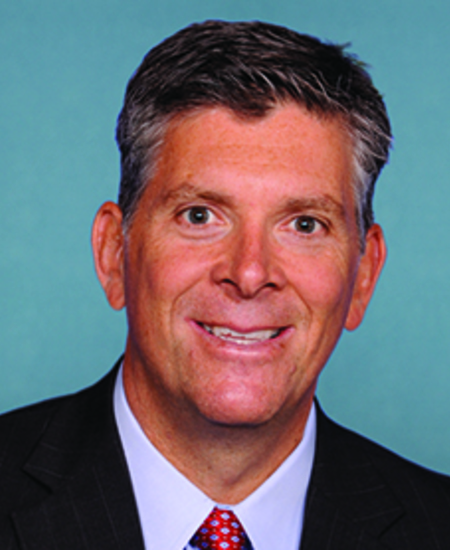
HJRES 34 is a congressional disapproval resolution targeting an Environmental Protection Agency (EPA) rule regulating Trichloroethylene (TCE) under the Toxic Substances Control Act (TSCA). It seeks to block the EPA's final rule (published December 17, 2024) that would have imposed new controls on TCE, a chemical used in industrial cleaning and manufacturing. If passed, this resolution would prevent the EPA rule from taking effect, directly affecting industries using TCE and the regulatory framework for chemical safety under TSCA. The bill does not create new rules but halts an existing EPA regulation through a procedural congressional review process.
HR 6014, the Right to Representation for Department of Veterans Affairs Workers Act of 2025, gives most VA employees the right to have a chosen representative present during examinations that could lead to disciplinary action. This applies to non-exempt VA workers (excluding senior executives, certain appointed staff, and political appointees) and requires the VA to allow representation during work hours if requested. The bill inserts a new section into VA employment law, mandating that employees be informed of this right and permitting representation at any examination where disciplinary action might result. It directly affects VA employees facing potential disciplinary proceedings, ensuring they can have support during these reviews.
This bill allows states and local jurisdictions to give hiring preference to veterans and people with disabilities when filling election worker positions. It also requires jurisdictions to not deny employment to nonresident military spouses or dependents (spouses/dependents of service members living away from the voting area) solely based on lack of local residency. The key provisions clarify that election workers can be chosen based on veteran status, disability status, or military family ties, without requiring local residence for military-connected applicants. This directly affects election workers, veterans, people with disabilities, and military families seeking these roles. The bill makes these hiring preferences explicit in election administration rules.
The Small Businesses before Bureaucrats Act raises the dollar threshold that determines when the National Labor Relations Board (NLRB) declines jurisdiction over labor disputes involving small businesses. Starting in 2026, the threshold will be set at 10 times the current threshold, and for future years, it will adjust annually using the Personal Consumption Expenditure Per Capita Index to account for inflation. This change means more small businesses will fall below the threshold and avoid NLRB oversight for labor disputes, directly affecting small business owners and the NLRB's jurisdictional decisions. The bill takes effect on or after January 1, 2026, or the bill's enactment date, whichever is later.
S 511 requires federal labor organizations (like unions representing government employees) to pay quarterly fees for using agency resources and union time. Fees are calculated based on the agency's hourly pay rate for employees (including benefits) for union time, plus market rates for resources like office space, equipment, or parking. Non-payment triggers penalties: denial of union time after 90 days, termination of union allotments after 180 days, and loss of exclusive representation certification after 365 days. The bill aims to offset costs of federal resources used for union activities, with fees deposited into the Treasury general fund.
S 2037 amends the Civil Rights Act to prohibit employers from taking adverse actions (like termination or denial of promotion) against employees who express views about biological sex being binary, including using pronouns or discussing sex in the workplace. It also protects employees who request or use single-sex facilities like bathrooms or changing areas. The bill explicitly blocks employers from claiming "business necessity" as a defense for such actions. This directly affects employers' policies regarding workplace communication and facility access, targeting specific employment decisions. The legislation aims to change enforcement of existing civil rights protections by adding these new prohibitions.
This bill (HR 1314, TIPS Act) requires employers to pay tipped workers the standard federal minimum wage instead of the current lower rate (currently $2.13/hour), directly affecting workers in hospitality, food service, and similar roles. It also creates a new tax deduction for cash tips received in qualifying jobs (e.g., restaurants, hotels), allowing workers to deduct these tips from taxable income up to $112,500 in adjusted gross income. The deduction applies only to tips from unrelated customers without business ownership stakes, excluding credit card tips. The tax provisions take effect for 2026 tax years.
The FAIR Act of 2025 would prohibit companies from requiring pre-dispute arbitration agreements or waivers that prevent individuals from joining class or collective lawsuits in employment, consumer, antitrust, or civil rights cases. This directly affects workers, consumers, and small businesses who currently face forced arbitration for issues like workplace discrimination, product defects, or unfair business practices. The bill makes such agreements unenforceable while allowing voluntary arbitration after disputes arise and leaving collective bargaining agreements unaffected. It applies to all disputes occurring after the law takes effect, without changing how voluntary arbitration works post-dispute.
HRES 328 is a non-binding House resolution expressing support for library staff and the essential services libraries provide to communities across the United States. It recognizes libraries as critical infrastructure for community access to information, internet, social services, and safe spaces - especially for underserved groups - and calls for full federal, state, and local funding to sustain these services. The resolution reaffirms the public’s right to free access to information, supports library workers’ rights to unionize and collectively bargain, and defends staff from threats like book bans or intimidation for upholding library missions. It specifically endorses National Library Week and urges protection of civil rights for library workers. (Note: As a procedural resolution, it does not create new law but formally expresses congressional support.)
HR 4599, the Protections and Transparency in the Workplace Act, requires publicly traded companies to publicly report annual data on workplace discrimination and harassment claims. It mandates disclosures including the number of claims received, resolved, settled, or resulting in court judgments, along with settlement amounts and investigation outcomes across all company entities. The bill also requires companies to use third-party investigators for such claims (not company staff), implement annual employee training on preventing discrimination/harassment (including bystander intervention), and conduct yearly workplace safety surveys. These requirements apply to all "covered issuers" under securities law, defined as companies with publicly traded securities. The law aims to increase transparency around workplace misconduct without altering existing anti-discrimination legal standards.