Issue · Labor & Employment

Labor & Employment

Every labor & employment bill, vote, and legislator stance in United States, automatically classified by Maddy, our AI policy reader.

Total bills
144
119th Congress
Top supporter
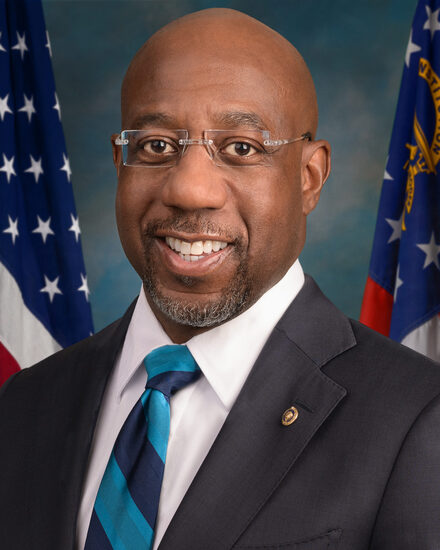
Raphael G. Warnock
100% support rate
Top opponent
Eric Burlison
31% support rate
Ranked legislators
10
5 support · 5 oppose
Key legislators

Who's moving labor & employment in United States

Legislators moving labor & employment in United States
Legislator Party Stance Support rate Votes
Raphael G. Warnock
Raphael G. Warnock Senate
D
Strong +
100% 211
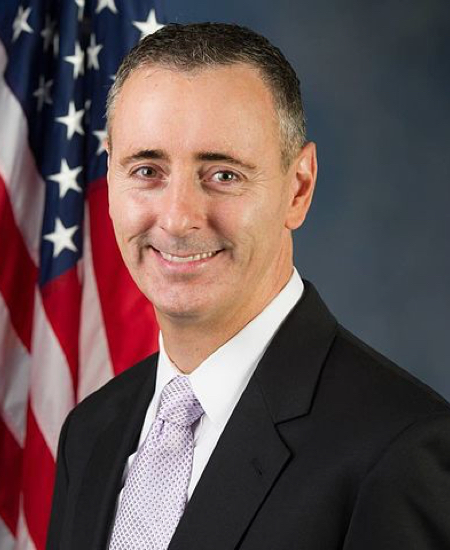
Brian K. Fitzpatrick
Brian K. Fitzpatrick House · District 1
R
Strong +
92% 194
Robert P. Bresnahan, Jr.
Robert P. Bresnahan, Jr. House · District 8
R
Strong +
92% 197
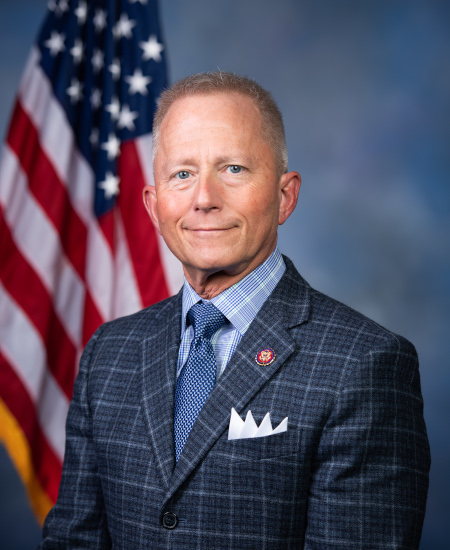
Jefferson Van Drew
Jefferson Van Drew House · District 2
R
Strong +
92% 197
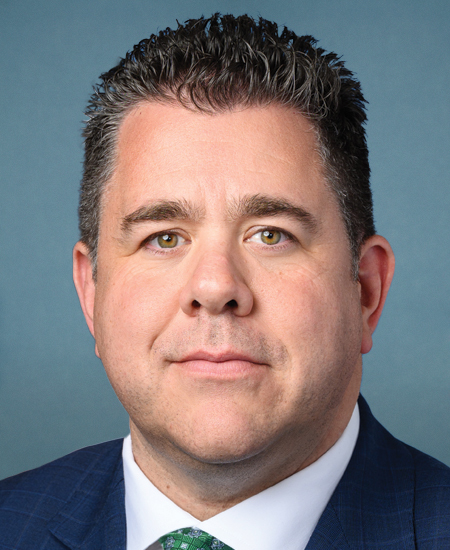
Nick LaLota
Nick LaLota House · District 1
R
Strong +
92% 195
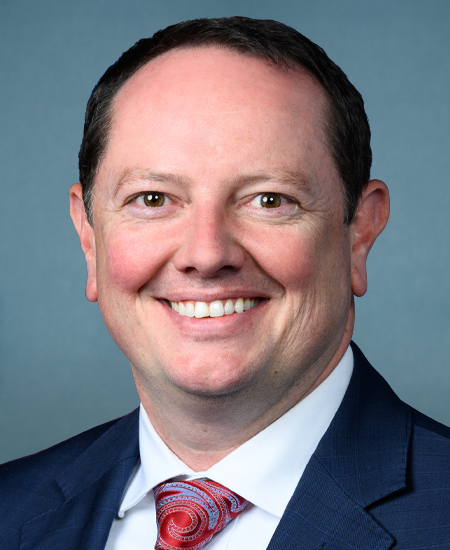
Eric Burlison
Eric Burlison House · District 7
R
Oppose
31% 197
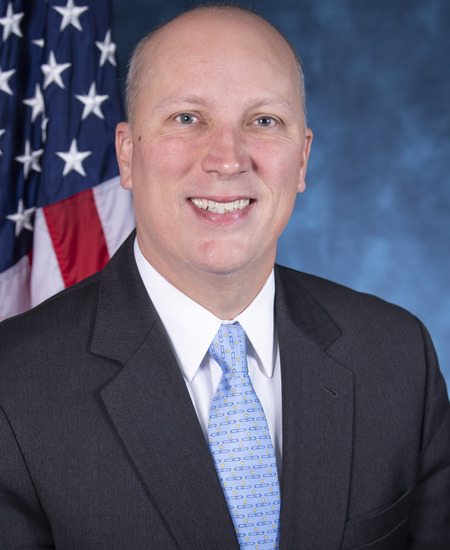
Chip Roy
Chip Roy House · District 21
R
Oppose
31% 190
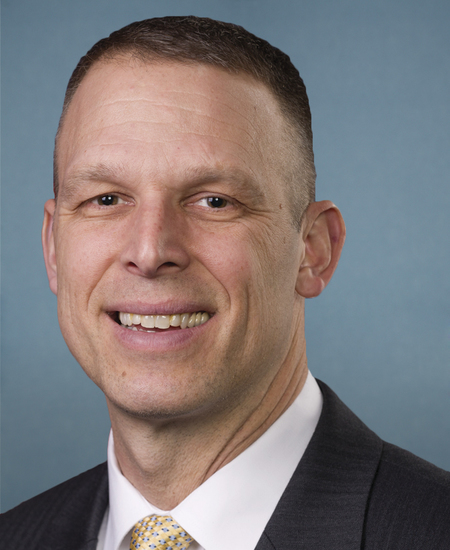
Scott Perry
Scott Perry House · District 10
R
Oppose
31% 194
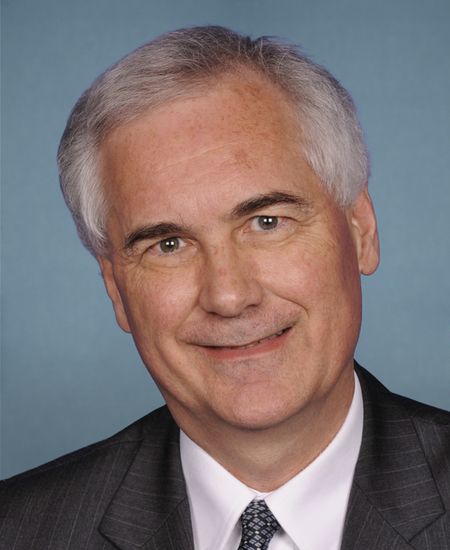
Tom McClintock
Tom McClintock House · District 5
R
Oppose
31% 190
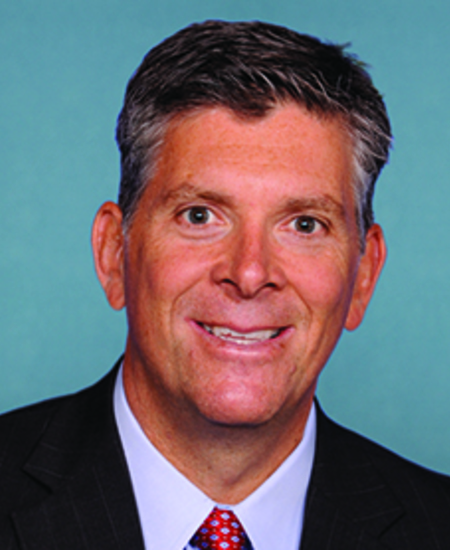
Darin LaHood
Darin LaHood House · District 16
R
Oppose
33% 175
Showing 1–10 of 144 bills

All labor & employment bills

in committee · United States · House Sep 3, 2026

HR 10250: No Preference Act

HR 10250, known as the No Preference Act, prohibits federal executive agencies and the Department of Defense from requiring or giving preference to contractors based on their use of union labor. The bill amends existing laws to ensure that government contract awards cannot be influenced by whether a company's workers are covered by collective bargaining agreements. This change directly affects federal procurement processes by mandating that offers be evaluated without regard to the labor status of the bidding firms.
in committee · United States · Senate Jul 15, 2026

S 4983: Harry Reid Immigration Stabilization Act

This bill, the Harry Reid Immigration Stabilization Act, establishes a comprehensive framework to reduce overall immigration numbers, reform asylum procedures, increase penalties for criminal behavior, and enhance border security measures. It directly affects immigrants, refugees, asylum seekers, employers, and law enforcement agencies by setting strict caps on family and employment-based visas, requiring a 30-day filing deadline for asylum applications, and expanding the definition of aggravated felonies to include a wider range of crimes. Key mechanisms include mandating that employers verify work eligibility through a telephone verification system, creating a new border crossing fee, and requiring states to verify immigration status to receive certain federal benefits. Additionally, the legislation introduces stricter rules for criminal aliens facing expedited deportation, increases penalties for alien smuggling, and clarifies citizenship requirements for children born to non-citizen parents.
in committee · United States · Senate Jul 23, 2026

S 5097: End H–1B Visa Abuse Act of 2026

This bill, the End H-1B Visa Abuse Act of 2026, proposes to stop the issuance of H-1B work visas for three years and then restrict them to primary workers rather than their families. It would require employers to prove a shortage of qualified American workers and pay a minimum wage of $200,000 per year, while also banning the use of staffing agencies to hire these workers. The legislation further limits the total number of H-1B visas to 25,000 annually, removes the current lottery system in favor of prioritizing higher wages, and prohibits H-1B workers from holding jobs with more than one employer or working for third-party agencies. Additionally, the bill bars federal government agencies from hiring H-1B workers, eliminates optional training programs for foreign students, and generally prevents nonimmigrant visa holders from changing their status to permanent residents while in the United States.
in committee · United States · House Jul 21, 2026

HR 9798: Employer Health Plan Flexibility Act

The Employer Health Plan Flexibility Act would allow certain employer-sponsored group health plans to opt out of the Affordable Care Act's requirement to cover specific Essential Health Benefits. This exemption applies to plans governed by the Employee Retirement Income Security Act and would take effect for plan years starting on or after January 1, 2028. While exempt from those specific coverage mandates, the bill explicitly states that employers must still comply with other federal rules, including those regarding mental health parity, nondiscrimination, and preventive services. To ensure transparency, employers claiming this exemption must annually inform their employees about the benefits included in their plan and identify any Essential Health Benefits that are not covered.
in committee · United States · Senate Jul 15, 2026

S 4984: Restoration of Employment Choice for Adults with Disabilities Act

This bill modifies federal rules to allow adults with disabilities who are 18 or older to work for businesses at wages below the standard minimum rate. Under the new provisions, an individual can choose to accept such employment, and employers must make documented efforts to help these workers find regular jobs if they cannot secure one. The law also requires that if a state agency fails to provide necessary job counseling after an employer's documented attempts, the employer may continue paying the subminimum wage. These changes apply to all employment situations starting on the date the bill becomes law.
Sub-Topics Minimum Wage
in committee · United States · Senate Jun 18, 2026

S 4834: Prioritizing American Talent Act

The Prioritizing American Talent Act prevents the Department of Homeland Security from using funds to process work permits for foreign students and special immigrants unless Congress explicitly authorizes their employment. This restriction applies specifically to individuals classified under sections 101(a)(15)(F) and (M) of the Immigration and Nationality Act, effectively halting the approval of their employment authorization applications. Additionally, the bill requires the rescission of any unspent fees collected for processing these specific applications that are not backed by congressional authorization. The Department of Homeland Security must determine and withdraw these funds within 30 days of the law's enactment.
Sub-Topics Work Authorization
in committee · United States · Senate Jun 16, 2026

S 4792: Protection of Lawful Commerce in Stone Slab Products Act of 2026

The Protection of Lawful Commerce in Stone Slab Products Act of 2026 prevents lawsuits against manufacturers and sellers of stone slab products for injuries caused by silica dust during the cutting or shaping of those products by third-party fabricators. The bill defines these lawsuits as "qualified civil actions" and mandates that any such pending cases be dismissed, arguing that producers should not be held liable for safety failures by independent workers who alter the materials. By shielding companies from these specific claims, the legislation aims to protect the stone industry from economic instability while maintaining that workplace safety remains the responsibility of the fabricators themselves.
Sub-Topics Workplace Safety
in committee · United States · House May 29, 2026

HR 9063: Hire American Act

The Hire American Act mandates that only U.S. citizens or nationals can be employed by the federal government, with specific exceptions for translators, emergency field workers, international broadcasters, and short-term wildland firefighters. To enforce this rule, the bill requires new hires to sign an affidavit confirming their citizenship status and allows for penalties of fines or imprisonment for individuals who knowingly provide false information. The Office of Personnel Management is tasked with issuing implementation guidance within 180 days and must publish reports detailing any non-citizen appointments made under the allowed exceptions. Additionally, the law extends these employment restrictions to include employees of the United States Postal Service and the Postal Regulatory Commission.
in committee · United States · Senate May 21, 2026

S 4620: Mandatory E-Verify Act of 2026

The Mandatory E-Verify Act of 2026 makes the E-Verify employment eligibility verification system permanent and mandatory for all employers in the United States, including those who hire, recruit, or refer individuals for jobs. The bill requires employers to use the system within a phased timeline based on company size, ranging from six months for large businesses with 10,000 or more employees to 18 months for smaller businesses with fewer than 20 employees, while exempting agricultural labor verification until 18 months after enactment. Key provisions include increased civil and criminal penalties for non-compliance, the ability for the government to debar repeat violators from federal contracts, and a requirement that states sharing driver's license data with the system remain eligible for certain federal funding. Additionally, the act establishes a self-check feature for individuals to verify their own status, expands data sharing between federal and state agencies to prevent fraud, and creates a good-faith defense for employers who rely on the system's results.
Sub-Topics Work Authorization
in committee · United States · Senate Jun 3, 2026

S 4673: PATH Act

The PATH Act allows public housing agencies and owners to establish minimum work requirements for residents receiving federal housing assistance, effective January 1, 2027. These requirements can mandate up to 40 hours per week of activities such as employment, job training, or community service, but they must exclude individuals under 18 or over 62, people with disabilities, pregnant women, and parents of young children. Agencies implementing these rules must provide supportive services like childcare and job search assistance, maintain uniform standards for all tenants in a program, and offer exceptions for those facing hardships like temporary relocation or difficulty finding work. If a resident fails to comply with the work requirements, the agency may terminate their housing assistance after following specific procedural rules.
Showing 1 to 10 of 144 bills
1 2 3 15 Next