

119th Congress · In session
United States Congress
Follow 18,665 active bills, 539 legislators, and every floor vote of 119th Congress.
Day 616 of 729
Bills filed
18,665
this session
Bills passed
1,504
8% pass rate
Legislators
539
100 Senate · 439 House
Committees
259
active bodies
Loading map...
Want to keep track of what matters to you?
Follow bills and legislators: we'll keep you updated as things change.
Recent legislative activity
HRES 1528: Recognizing suicide as a serious public health problem and expressing support for the designation of September, 2026, as "National Suicide Prevention Month" as well as September 10, 2026, as "World Suicide Prevention Day".
HRES 1527: Commemorating 1 year since the tragic act of violence on September 10, 2025, in Evergreen, Colorado, recognizing the victims, survivors, and responders and expressing condolences and support to their families and their communities.
HRES 1526: Expressing support for the designation of the week of September 11 through September 17, 2026, as "Patriot Week".
HRES 1525: Recognizing September 11, 2026, as a "National Day of Service and Remembrance" and the 25th anniversary of the terrorist attacks of September 11, 2001.
Ask Maddy
·
AI policy assistant
Bills, votes, and legislation, in plain English.
Ask about any United States or federal bill. Maddy reads the full text and answers with cited sources.
Scope: US
I'm Maddy, your AI guide to United States legislation. I can explain bills in plain English, look up voting records, or surface bills on topics you care about. What would you like to know?
Try one of these
i
Maddy answers using official bill text and legislative records. Always verify before sharing.
Sources cited inlineRecently passed
Bills that made it through
HR 6500: Continuing Appropriations and Extensions Act, 2027
HR 6500, the AGOA Extension Act, extends the expiration date of the African Growth and Opportunity Act (AGOA) from September 30, 2025, to December 31, 2028. This directly affects U.S. importers of goods from eligible sub-Saharan African countries, allowing them to continue receiving duty-free treatment under AGOA for eligible products. The bill includes a retroactive provision, enabling importers to seek refunds for goods entered after September 30, 2025, but before the bill’s enactment, as if those entries occurred on the enactment date. It also adjusts deadlines for related customs user fees to December 31, 2031, but the core change centers on extending AGOA benefits and enabling retroactive duty refunds.
HR 6644: 21st Century ROAD to Housing Act
21st Century ROAD to Housing Act This act establishes and modifies various federal housing programs. TITLE I--OPPORTUNITIES FOR HOUSING (Sec. 101) This section requires the Department of Housing and Urban Development (HUD) to review the performance of organizations that receive grants to provide housing counseling services. Such review may take into account the performance of individual counselors. HUD may terminate assistance for such organizations that are not in compliance with the program's requirements. (Sec. 102) This section requires HUD to establish best practices and provide technical assistance to state and local entities to support permitting for point-access block buildings (i.e., apartments with a single staircase to access the dwelling units and that are no more than six stories high). It also allows HUD to award competitive grants to state and local entities to assess the feasibility, safety, and cost-effectiveness of such buildings. This authority expires after seven years. (Sec. 103) This section exempts from environmental review specified rural housing projects located on an infill site (i.e., a site served by existing infrastructure, including water lines, sewer lines, and roads). (Sec. 104) This section requires Community Development Block Grant (CDBG) grantees to maintain a publicly accessible, searchable database identifying undeveloped land owned by the grantee. (Sec. 105) This section authorizes the Federal Housing Administration (FHA) to establish a four-year pilot program to increase the number of mortgages originated with a principal balance of $100,000 or less. (Sec. 106) This section requires HUD to establish a three-year pilot program to award grants to public housing agencies (PHAs) and owners of federally assisted rental housing to install temperature sensors in residential dwelling units. (Sec. 107) This section requires HUD to publish guidelines and best practices for state and local zoning frameworks that support production of adequate housing to meet the needs of communities and provide housing opportunities for individuals of all income levels. TITLE II--BUILDING MORE IN AMERICA (Sec. 201) This section allows HUD to give additional weight to competitive housing grant applications that include proposals for projects located in, or substantially benefiting, communities designated as Qualified Opportunity Zones (i.e., designated low-income areas for which economic investments may receive certain tax benefits). (Sec. 202) This section authorizes a pilot program through which HUD provides grants to state and local governments to support the ability of certain landlords and low- to moderate-income homeowners to make necessary modifications, repairs, or updates to their property. State and local governments must use the funds they receive under the program to award grants to homeowners and loans to landlords to make changes that address issues such as accessibility, habitability, and energy efficiency. The program ends on October 1, 2031. (Sec. 203) This section increases the cap on investments that state member banks of the Federal Reserve System and national banks supervised by the Office of the Comptroller of the Currency may make to promote the public welfare, which include projects that provide housing, services, or jobs to low- and moderate-income communities or families. The section increases the aggregate amount of allowable investments by such banks from 15% to 20% of the bank's capital stock and unimpaired surplus. (Sec. 204) This section authorizes the new construction of affordable housing as an allowable use of funds under the CDBG program. (Sec. 205) This section allows HUD to designate housing assistance as funds for a special project for the purpose of environmental review under the National Environmental Policy Act of 1969 (NEPA). Such designation allows states, local governments, or tribal entities to assume responsibility for the project's environmental review obligations. (Sec. 206) This section requires HUD to reclassify certain housing activities as exempt or excluded from specified environmental review requirements under NEPA. These activities include tenant-based rental assistance, supportive services, rehabilitation of public facilities, and infill projects to develop residential housing units. (Sec. 207) This section establishes a five-year competitive grant program to assist local jurisdictions or regional planning agencies in developing housing plans to increase affordable housing and reduce barriers to housing development. (Sec. 208) This section establishes a seven-year competitive grant program to assist metropolitan cities, urban counties, local governments, or tribes that have demonstrated improved housing supply growth. Grants may be used to expand the housing supply available to households at specified income levels. (Sec. 209) This section authorizes competitive grants for local governments, municipal membership organizations, and tribes to select prereviewed designs of mixed-income housing for use in the grantee’s jurisdiction. Prereviewed designs , also known as pattern books, are construction plans that are assessed and approved by localities for compliance with local building and permitting standards to expedite approval for housing construction. Grants may not be used for construction, alteration, or repair work. (Sec. 210) This section authorizes a pilot program from FY2027-FY2031 under the HOME Investment Partnerships Program to award competitive grants to states and localities to convert vacant and abandoned buildings into housing that serves low- and moderate-income households. (Sec. 211) This section increases the statutory maximum loan limits for mortgage insurance programs administered by the FHA for multifamily homes and requires the use of a more specific inflation index for such loans. (Sec. 212) This section makes the Rental Assistance Demonstration (RAD) program permanent and increases from 455,000 to 555,000 the number of housing units that may be converted to Housing Choice Voucher (Section 8) properties under the program. (Sec. 213) This section adjusts the allocation of CDBG funds to certain jurisdictions based on the annual percentage change in the number of available housing units in the jurisdiction. For example, jurisdictions with annual growth above 4% shall receive additional funding, while jurisdictions with a growth rate below the median housing growth rate compared to other jurisdictions shall receive 10% less funding. TITLE III--MANUFACTURED HOUSING FOR AMERICA (Sec. 301) This section eliminates the requirement that manufactured homes must be constructed with a permanent chassis. Additionally, HUD must issue revised standards for such homes, including energy efficiency standards. (Sec. 302) This section requires the FHA to review its construction financing programs to identify barriers to the use of modular home methods. Modular homes are constructed in a factory in one or more modules, transported to the home building site, installed on a foundation, and completed. (Sec. 303) This section increases the maximum FHA-insured loan amount for (1) improvements to single-family structures, and (2) purchasing manufactured homes. The section also authorizes the use of property improvement loans for construction of accessory dwelling units. HUD must study and report on the cost effectiveness of constructing manufactured and modular homes. (Sec. 304) This section reauthorizes the Preservation and Reinvestment Initiative for Community Enhancement (PRICE) program for seven years. The program provides competitive grants to develop manufactured-housing communities. TITLE IV--ACCESSING THE AMERICAN DREAM (Sec. 401) This section requires the Consumer Financial Protection Bureau (CFPB) to report on loan originator compensation practices throughout the residential mortgage market, including the effect of such practices on the availability of small-dollar mortgages (mortgages with an original principal of not more than $100,000). (Sec. 402) This section requires the CFPB, in consultation with the Federal Housing Finance Agency (FHFA), to study the impact of current regulations that limit the total points and fees that lenders may charge on small-dollar mortgages. (Sec. 403) This section revises the eligibility criteria for real estate appraisers who are authorized to perform appraisals for federally related mortgage loans, including by allowing federal employees who are state certified or licensed as an appraiser to perform federally related appraisals in states and territories other than the state or territory in which they are certified or licensed. The section also expands the national registry of state certified and licensed appraisers to include credentialed trainees. It also allows state certified appraisers to use the assistance of a credentialed trainee or an unlicensed trainee. The section also requires the Appraisal Subcommittee of the Federal Financial Institutions Examination Council to make grants to support appraisal workforce development. The appraisal subcommittee generally oversees the real estate appraisal regulatory framework for federally related transactions. (Sec. 404) This section authorizes a 10-year pilot program to expand the Family Self-Sufficiency (FSS) escrow account program to provide up to 5,000 families receiving public housing assistance with interest-bearing escrow accounts. The FSS program is administered by PHAs or multifamily property owners that receive assistance to provide low-income housing. Under the pilot program, FSS administrators must fund such additional escrow accounts based on any increase in the amount of rent paid by a participating family due to increases in the family's earned income while receiving housing assistance. A family eventually may withdraw funds from the escrow account if certain conditions are met (e.g., the family no longer receives housing assistance or Temporary Assistance for Needy Families). (Sec. 405) This section allows housing units financed through the Low-Income Housing Tax Credit, HOME Investment Partnerships Program, and Rural Housing Service to satisfy the inspection requirements of the Section 8 program if they have passed an inspection within the past year. The section also allows new Section 8 landlords to request an inspection before entering a lease agreement with a tenant under the program, subject to specified conditions. TITLE V--PROGRAM REFORM (Sec. 501) This section modifies and reauthorizes the HOME Investment Partnerships program. The program provides grants to state and local governments to create affordable housing for low-income households. The section expands eligibility for the program to households with an income of not more than 100% of the median family income for the area. The current income threshold is 80% of the median income for the area. Further, participating jurisdictions may, subject to certain conditions, use funds under the program to improve infrastructure, including the installation or repair of water and sewer lines, sidewalks, roads, and utility connections. The section also exempts certain projects, such as infill development or acquisition, from specified environmental review requirements. (Sec. 502) This section modifies programs administered by the Rural Housing Service (RHS). This includes requiring the RHS to maintain any rental assistance payments that are attached to a multifamily property during the foreclosure process or while managing and disposing of a multifamily property that is owned by HUD. The section also authorizes the RHS to renew a rental assistance contract with the owner of a multifamily property for a term of 20 years after the owner's mortgage term ends. (Sec. 503) This section allows states and localities receiving assistance under the HUD Emergency Solutions Grant program to request a waiver to exceed the 60% spending cap on emergency shelter activities for FY2027-FY2030. (Sec. 504) This section authorizes for three years HUD's Community Development Block Grant Disaster Recovery program. The program provides assistance to state and local grantees to rebuild disaster-impacted areas and support long-term recovery efforts. The section also requires grantees under the program to prioritize assistance for individuals with extremely low-, low-, and moderate-incomes and other vulnerable populations. Further, the section establishes the Office of Disaster Management and Resiliency to oversee and coordinate HUD's disaster preparedness and response responsibilities. (Sec. 505) This section establishes a new cohort of 25 PHAs that are designated by HUD as high performing to participate in the Moving to Work demonstration program. The Moving to Work demonstration program exempts PHAs from certain public housing and voucher rules and provides flexibility with respect to the use of federal funds. TITLE VI--VETERANS AND HOUSING (Sec. 601) This section requires mortgage lenders to include on the Uniform Residential Loan Application (i.e., Fannie Mae Form 1003 or Freddie Mac Form 65) a notification that applicants with military service may qualify for a Department of Veterans Affairs (VA) Home Loan. Not later than 18 months after the enactment of this act, the Government Accountability Office (GAO) must study and report on whether at least 80% of lenders using the loan application form have met this requirement. (Sec. 602) This section provides statutory authority for excluding disability benefits from a veteran's income when determining eligibility for the HUD Veterans Affairs Supportive Housing (HUD-VASH) program. (Sec. 603) This section requires lenders offering FHA loans to include additional notices to prospective borrowers. Specifically, the notices must provide a comparison of the loans available through the VA for which the borrower would qualify. Such notices include the insurance premiums and other costs and fees that would be due over the life of such other mortgages products. TITLE VII--OVERSIGHT AND ACCOUNTABILITY (Sec. 701) This section requires the Secretary of HUD to testify annually before Congress about HUD's operations, oversight activities, and program performance. (Sec. 702) This section requires HUD to report monthly to Congress on the capital ratio of the Mutual Mortgage Insurance Fund (MMI Fund) and to notify Congress if that ratio falls below the 2% ratio required under current law. (The capital ratio is the economic value of the MMI Fund divided by the total dollar amount of mortgages insured under the fund. Lender claims on FHA-insured home mortgages are paid out of the MMI Fund, which is funded through premiums paid by borrowers.) (Sec. 703) This section requires the United States Interagency Council on Homelessness to provide annual updates about the council's National Strategic Plan to End Homelessness and, if requested, testify annually before Congress. (Sec. 704) This section requires the Department of Agriculture (USDA), VA, the FHA, and the FHFA to implement requirements that creditors of federally backed mortgages must have a review and resolution procedure for a consumer-initiated reconsideration of value (or subsequent appraisal) in connection with a credit transaction secured by the consumer's principal dwelling. Additionally, the GAO must study the feasibility of creating a publicly available appraisal database for specified agencies. TITLE VIII--ACCOUNTABILITY, COORDINATION, STUDIES, AND REPORTING (Sec. 801) This section requires HUD, USDA, and the VA to enter into an interagency agreement to share relevant housing-related research and market data to facilitate evidence-based policymaking. (Sec. 802) This section requires HUD and USDA to evaluate the (1) environmental review process for housing projects funded by the agencies and (2) feasibility of a joint physical inspection process for such projects. (Sec. 803) This section requires HUD to study the impact of the work requirements implemented by PHAs participating in the Moving to Work demonstration. (Sec. 804) This section requires the GAO to study various housing issues, including obstacles to affordable housing facing middle-income households, barriers to supportive housing for older adults and individuals with disabilities, the number of residential housing units (including public housing units) that are located less than one mile from a Superfund site (a site contaminated with hazardous substances), and how to reduce the number of residential heirs properties (property inherited without a will). (Sec. 805) This section expands HUD oversight over PHAs for which an administrative or judicial receiver or federal monitor has been appointed. The section requires each monitor or receiver to provide an annual assessment to Congress that includes a description of their management and oversight activities. TITLE IX--STRENGTHENING COMMUNITY BANKS' ROLE IN HOUSING (Sec. 901) This section changes the treatment of certain types of deposits so they are no longer classified as brokered deposits. Brokered deposits are funds placed by a broker on behalf of a client in a depository institution to maximize interest rates and for depository insurance purposes. Currently, institutions that accept brokered deposits may be subject to additional oversight. In particular, under the section, custodial deposits at insured depository institutions with less than $10 billion in total assets shall not be treated as brokered deposits if the deposits do not exceed 20% of the institution’s liabilities. The institution must be well-capitalized and have a specified minimum soundness rating, or be in possession of a waiver from the Federal Deposit Insurance Corporation. The section also generally applies existing interest rate limits applicable to institutions that are not well-capitalized to similar institutions that accept custodial deposits. (Sec. 902) This section increases the amount insured depository institutions may accept as reciprocal deposits. (Reciprocal deposits are used by institutions to increase the availability of deposit insurance by splitting large deposits using a reciprocal network of institutions.) The section creates a tiered system so that the allowable amount is based on the institution's total liabilities. Additionally, the section changes certain qualifications insured depository institutions may be required to have to accept reciprocal deposits. Under current law, institutions may qualify by having a composite rating of outstanding or good, among other requirements. The section allows institutions with a 1, 2, or 3 rating under the CAMELS scale to qualify. (The Uniform Financial Institutions Rating System uses the characteristics of capital adequacy, asset quality, management, earnings, liquidity, and sensitivity to market risk (i.e., CAMELS ratings) to rate the health of financial institutions, with a 1 indicating the highest rating and least degree of supervisory concern and a 5 indicating the lowest rating and highest degree of supervisory concern.) (Sec. 903) This section raises certain asset thresholds so as to allow additional small banks to qualify for a longer examination cycle. (Sec. 904) This section reduces the required frequency of meetings held by the board of directors of certain credit unions. Under the section, new credit unions and credit unions with a low soundness rating must meet monthly, as required under current law. All other credit unions must hold at least six meetings annually, with at least one meeting held during each fiscal quarter. (Sec. 905) This section requires banking regulators to submit a report to Congress in the event of the failure of an insured depository institution that leads to a systemic risk determination by the Department of the Treasury. Regulators must report supervisory information relating to the institution, any mismanagement by the executives and the board, any shortcomings by the regulator, and recommendations to improve the safety and soundness of similarly situated institutions. This report must be made no later than 90 days after such a determination and again 210 days afterwards. The GAO must report on additional factors in its report regarding such a determination. Specifically, the GAO must report on any mismanagement by the executives and board of the institution, a review of the institution's compensation practices, supervisory or regulatory shortcomings, actions taken by regulators, and other relevant information. The section also requires this report to be made no later than 60 days after such a determination and again 180 days afterwards. (Sec. 906) This section establishes the Financial Agent Mentor-Protégé Program within Treasury. The program provides participating minority and rural depository institutions and small financial institutions with mentorship from large financial institutions or from financial agents designated by Treasury. This mentorship prepares protégé institutions to improve service capacity or to perform as financial agents for the federal government. (Sec. 907) This section requires federal financial regulators to review and streamline the application process for the formation of de novo, or new, depository institutions or credit unions. Regulators must (1) review the application process; (2) to the extent practicable, collect necessary information from other agencies in order to minimize requests for applicant information; and (3) review how de novo financial intuitions raise capital while maintaining investor protections, including the impact of restrictions on raising capital. At the request of an applicant, regulators must (1) designate an employee as a caseworker to assist in the application process, and (2) provide a list of similar institutions interested in serving as a mentor. Each regulator must also develop a state and stakeholder engagement plan to assist interested parties with understanding the relevant regulatory processes. (Sec. 908) This section authorizes federal banking agencies to issue rules allowing a qualifying community bank or its depository institution holding company two years to meet capital requirements. During this period, a qualifying community bank or its depository institution holding company may request to deviate from an approved business plan, and the appropriate agency has 180 days to approve or deny the request. (Sec. 909) This section requires federal banking agencies and the National Credit Union Administration to study and report on methods to improve the growth, capital adequacy, and profitability of depository institutions and credit unions, respectively, serving rural areas. TITLE X--HOME-OWNERSHIP FOR MAIN STREET AMERICA (Sec. 1001) This section generally prohibits large institutional investors that invest in single-family homes (and have investment control of at least 350 such homes in aggregate) from purchasing single-family homes. The section authorizes specified agencies to issue rules to implement the prohibition. The section authorizes civil penalties of up to $1 million per violation or 3 times the purchase price of the property involved, whichever is greater. The section's restrictions and penalties take effect 180 days after enactment and expire 15 years after this date. TITLE XI--CENTRAL BANK DIGITAL CURRENCY (Sec. 1101) This section temporarily prohibits the Federal Reserve from issuing a central bank digital currency. A central bank digital currency is a digital asset (i.e., cryptocurrency) that is (1) denominated in U.S. dollars, (2) a U.S. currency, (3) a direct liability of the Federal Reserve System, and (4) widely available to the general public. The prohibition ends on December 31, 2030. TITLE XII--MISCELLANEOUS (Sec. 1201) This section provides that if any provision of this act is held to be invalid, the remainder of the provisions of the act are not affected. (Sec. 1202) This section provides that no additional funds are authorized to be appropriated to carry out this act.
HR 3490: Gerald E. Connolly Esophageal Cancer Awareness Act of 2025
HR 3490, the Gerald E. Connolly Esophageal Cancer Awareness Act of 2025, requires the Government Accountability Office (GAO) to study federal health benefits coverage for esophageal cancer. Specifically, the GAO must report on healthcare spending for federal employees and retirees diagnosed with esophageal cancer and how often high-risk individuals under this program undergo recommended screenings. The bill targets federal employees and retirees covered by the Federal Employees Health Benefits Program who meet specific risk factors (such as age 50+, smoking history, or GERD). It does not create new programs but mandates a study to assess current screening practices and costs. The goal is to inform future policy based on data about screening adherence and healthcare impacts.
HR 3497: Medal of Sacrifice Act
Medal of Sacrifice Act of 2025 This act directs the President to issue a medal of sacrifice for eligible law enforcement officers and first responders who are killed in the line of duty. The act also directs the President to establish a commission on the medal of sacrifice and appoint its members. The act sets forth responsibilities of the commission, including to advise on the design of the medal and determine how the medal will be presented. Under the act, eligible law enforcement officers and first responders include federal, state, local, tribal, or territorial law enforcement officers or first responders who are not subject to an official act of wrongdoing (e.g., a determination that the officer or first responder acted outside the scope of their duties or in a manner that was not in accordance with official policies or procedures). A law enforcement officer or first responder who is subject to an official act of wrongdoing is generally not eligible for the medal of sacrifice. However, in the case of such an officer or first responder, the act requires the commission to investigate the circumstances surrounding the officer or first responder's cause of death and issue a final determination on their eligibility.
HR 2066: Investing in All of America Act of 2025
The Investing in All of America Act of 2025 amends the Small Business Investment Act of 1958 to adjust leverage rules for Small Business Investment Companies (SBICs), which provide capital to small businesses. It lowers the maximum allowable leverage ratio from 300% to 200% and expands eligible investments to include companies in rural areas, critical technology sectors, and small manufacturers. The bill caps excluded leverage at $125 million or 50% of a company’s private capital, whichever is lower, and requires annual inflation adjustments to these dollar amounts. These changes directly affect SBICs, private investment firms that support small business growth nationwide.
Legislative Leadership
Congressional session
119th Congress
In session
Convened
Jan 3, 2025
Friday
Today
616/ 729 days
113 days remaining
Adjourns
Jan 3, 2027
Sunday
Chamber control
Senate
R maj.53 – 47
0
51 for majority
100
House
R maj.221 – 218
0
220 for majority
439
Bills this session
Passage rate
1,504 of 18,665 introduced bills have passed at least one chamber.
8.1%
Leaders by Topic
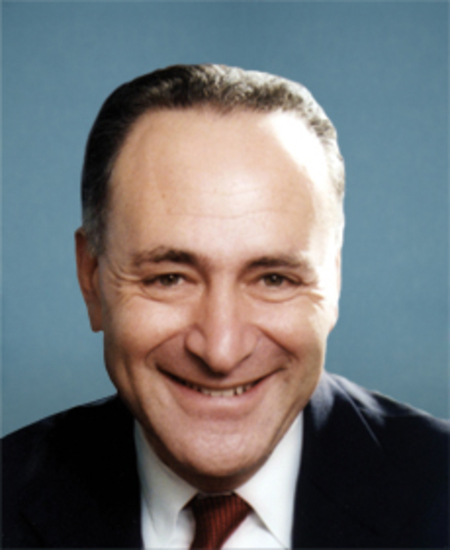
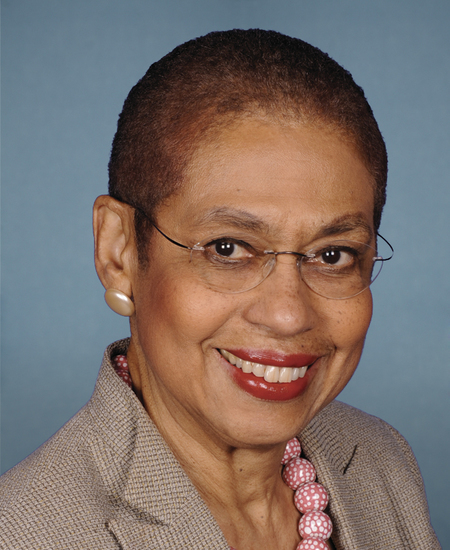
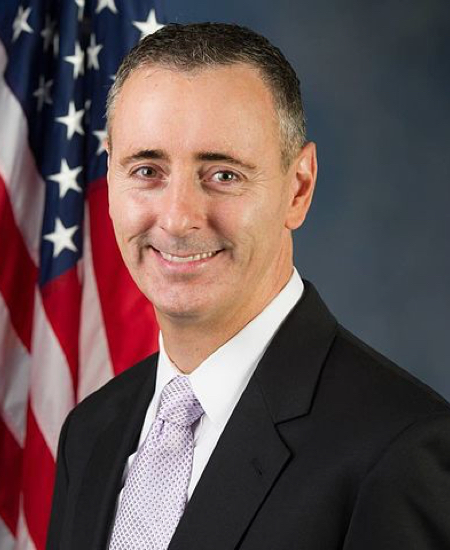
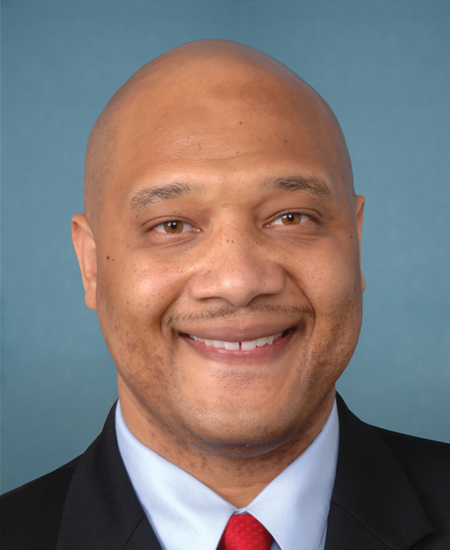
Members of Congress
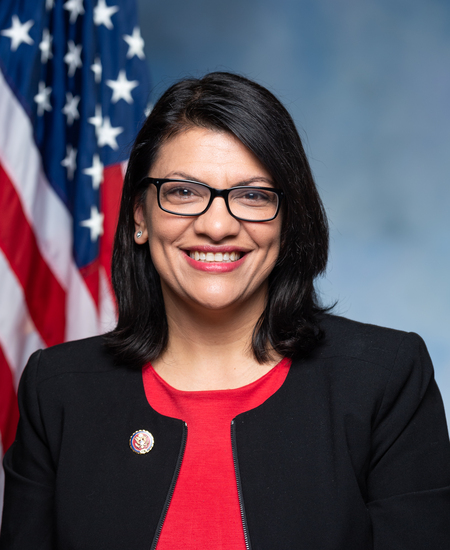
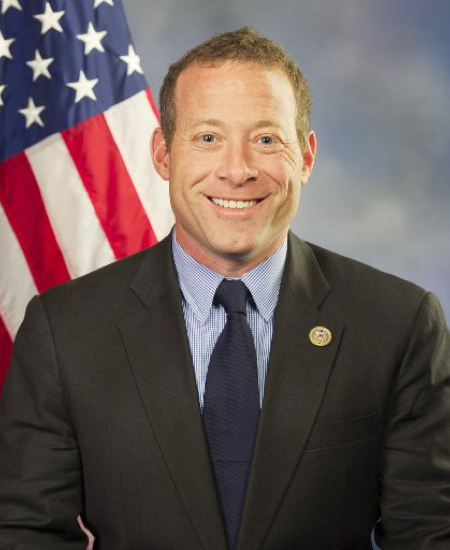
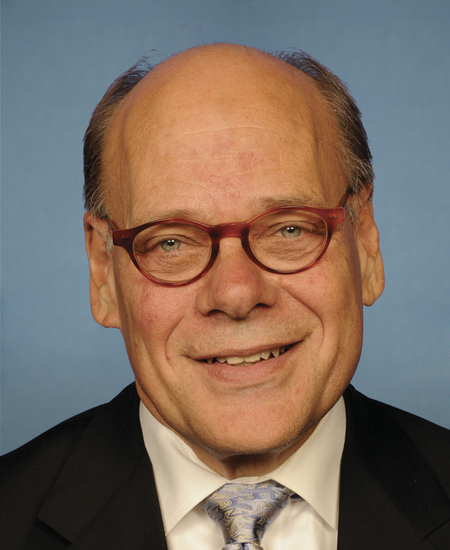
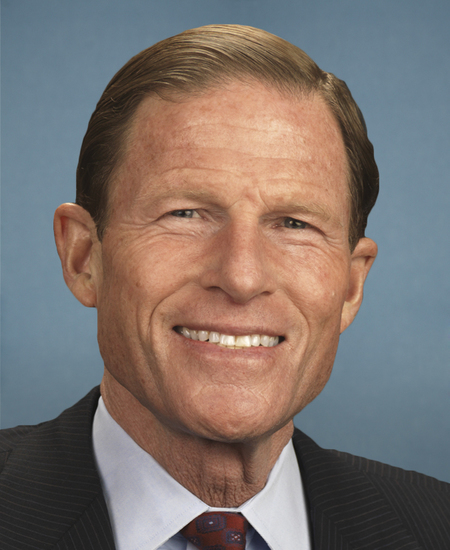
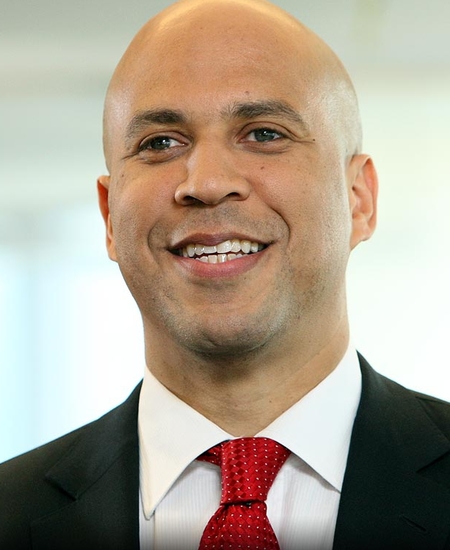
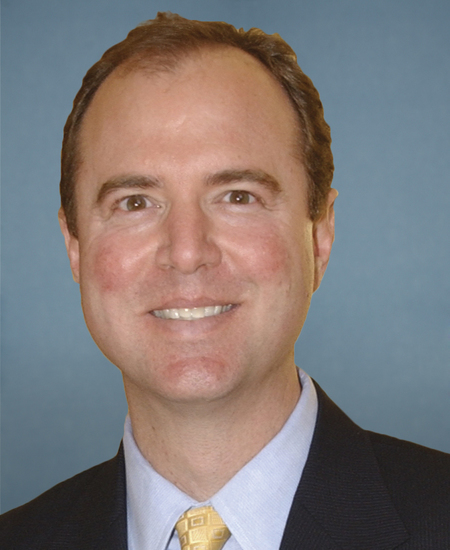

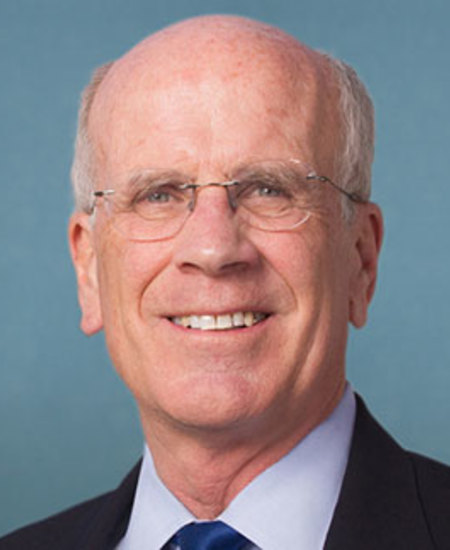
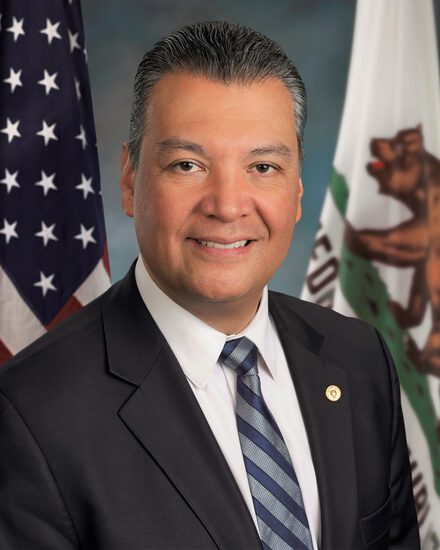
Contributions
2026 cycle · FEC filings
Contributions from political action committees and other political committees, as the FEC reports them. Party committee money is reported on its own line and is not counted here.
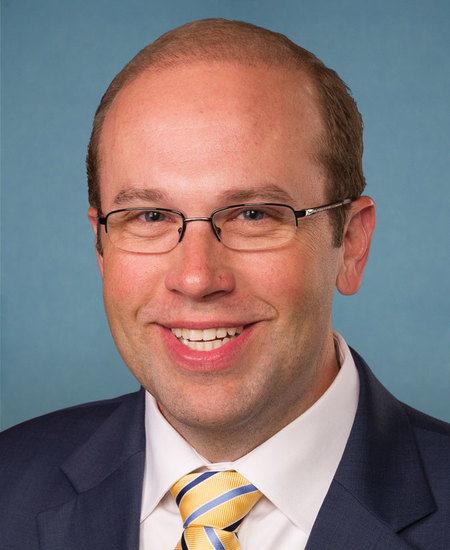 JS
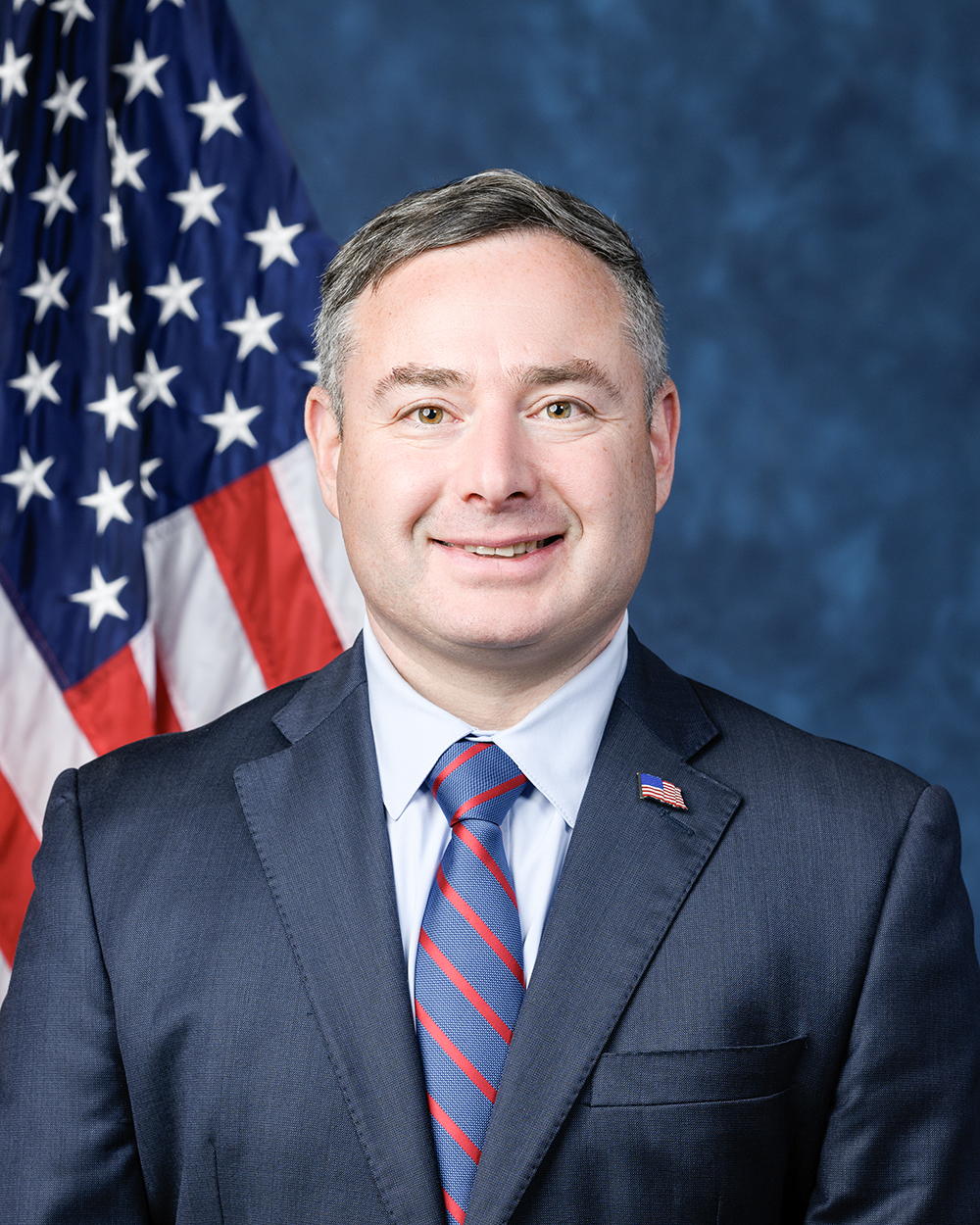
JSJason Smith
MO·District 8R
$2,734,275
52% of receipts
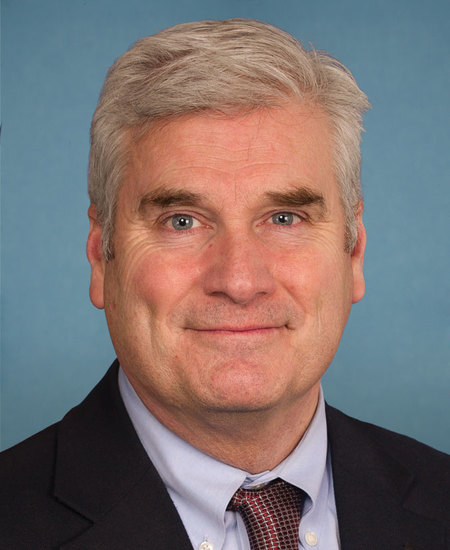 TE
TETom Emmer
MN·District 6R
$2,244,251
23% of receipts
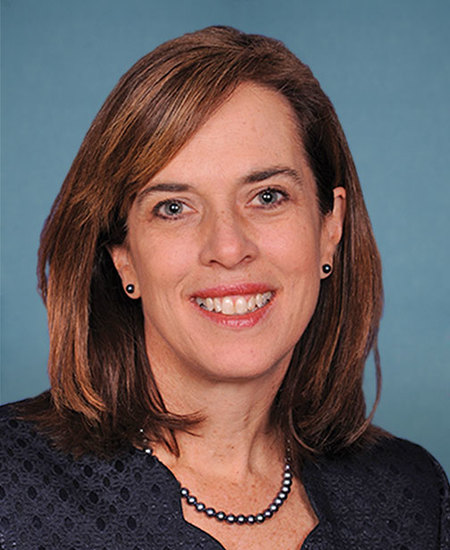 KM
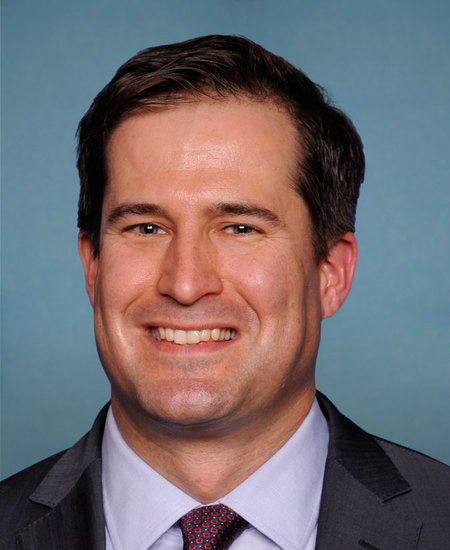
KMKatherine M. Clark
MA·District 5D
$1,838,507
41% of receipts
 MJ
MJMike Johnson
LA·District 4R
$1,813,700
9% of receipts
 BS
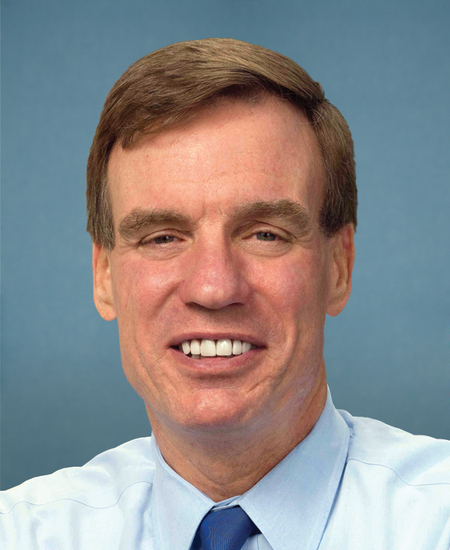
BSBryan Steil
WI·District 1R
$1,633,675
30% of receipts
Ranked out of 120 of the 439 sitting members: 1 filed nothing for this cycle and 318 report through an earlier date than the rest of the chamber.




How this is counted
Each member is counted once, from the same Federal Election Commission filings their own profile reads. Only members with a complete record for the cycle that reports through the same period as the rest of their chamber are ranked; the rest are counted beside each ranking and are never ranked as zero.
PAC money and individual money are separate lines on the FEC's summary. They are never added together here, and neither is a member's total receipts, which also include party committee money, the candidate's own money, loans, and transfers.
Each chamber is ranked on its own. A House campaign and a Senate campaign raise over different terms and constituencies, so the two are never placed on one scale.
House amounts cover filings reported through Aug 26, 2026.
Senate amounts cover filings reported through Aug 26, 2026.
Contested battles
- Securing America’s Critical Minerals Supply Act D 214-0 · R 0-214 · Other 0-1 passed
- Providing for consideration of the bill (H.R. 7148) making further consolidated appropriations for the fiscal year ending September 30, 2026, and for other purposes; providing for consideration of the bill (H.R. 7147) making further consolidated appropriations for the fiscal year ending September 30, 2026, and for other purposes; and for other purposes. D 0-213 · R 213-0 · Other 1-0 passed
- Providing for consideration of the Senate amendment to the bill (H.R. 1) to provide for reconciliation pursuant to title II of H. Con. Res. 14. D 0-211 · R 211-0 · Other 1-0 passed
- Providing for consideration of the bill (H.R. 6387) to amend the Clean Air Act to require revisions to regulations governing the review and handling of air quality monitoring data influenced by exceptional events or actions to mitigate wildfire risk; providing for consideration of the bill (H.R. 6398) to amend the Clean Air Act relating to review by the Environmental Protection Agency of proposed legislation; providing for consideration of the bill (H.R. 6409) to amend the Clean Air Act to clarify standards for emissions emanating from outside of the United States, and for other purposes; and providing for consideration of the resolution (H. Res. 1156) expressing support for tax policies that support working families. D 0-211 · R 211-0 · Other 1-0 passed
- Providing for consideration of the bill (H.R. 4016) making appropriations for the Department of Defense for the fiscal year ending September 30, 2026, and for other purposes; providing for consideration of the bill (H.R. 3633) to provide for a system of regulation of the offer and sale of digital commodities by the Securities and Exchange Commission and the Commodity Futures Trading Commission, and for other purposes; providing for consideration of the bill (H.R. 1919) to amend the Federal Reserve Act to prohibit the Federal reserve banks from offering certain products or services directly to an individual, to prohibit the use of central bank digital currency for monetary policy, and for other purposes; providing for consideration of the bill (S. 1582) to provide for the regulation of payment stablecoins, and for other purposes; and waiving a requirement of clause 6(a) of rule XIII with respect to consideration of certain resolutions reported from the Committee on Rules. D 0-210 · R 210-0 · Other 1-0 passed
Most likely to pass
- Northeast Lobsterman Protection Act of 2026
- To designate the facility of the United States Postal Service located at 12109 New Kent Highway in New Kent, Virginia, as the Patricia Paige Post Office.
- Skills-Based Federal Contracting Act of 2025
- Providing for the concurrence by the House in the Senate amendment to H.R. 6644, with amendment.
- Foreign Robocall Elimination Act