Issue · Healthcare

Healthcare (Insurance)

Every healthcare bill, vote, and legislator stance in United States, automatically classified by Maddy, our AI policy reader.

Total bills
278
119th Congress
Top supporter
Adam B. Schiff
90% support rate
Top opponent
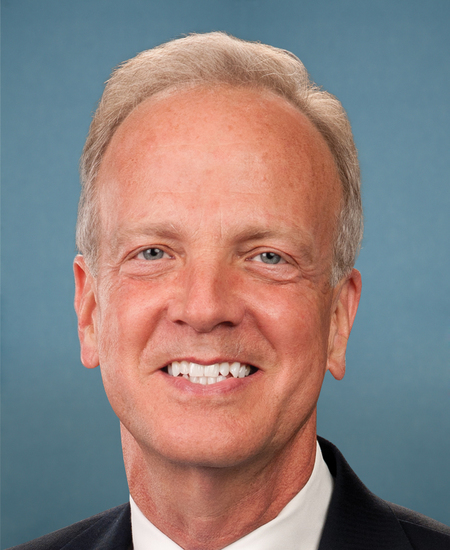
Jerry Moran
0% support rate
Ranked legislators
10
5 support · 5 oppose
Key legislators

Who's moving insurance in United States

Legislators moving insurance in United States
Legislator Party Stance Support rate Votes
Adam B. Schiff
Adam B. Schiff Senate
D
Strong +
90% 10
Alex Padilla
Alex Padilla Senate
D
Strong +
90% 10
Amy Klobuchar
Amy Klobuchar Senate
D
Strong +
90% 10
Andy Kim
Andy Kim Senate
D
Strong +
90% 10
Angela D. Alsobrooks
Angela D. Alsobrooks Senate
D
Strong +
90% 10
Jerry Moran
Jerry Moran Senate
R
Strong −
0% 8
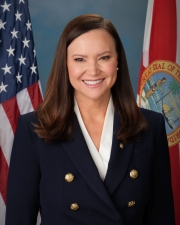
Ashley Moody
Ashley Moody Senate
R
Strong −
10% 10
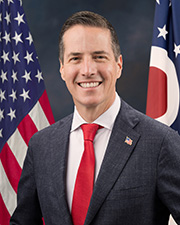
Bernie Moreno
Bernie Moreno Senate
R
Strong −
10% 10
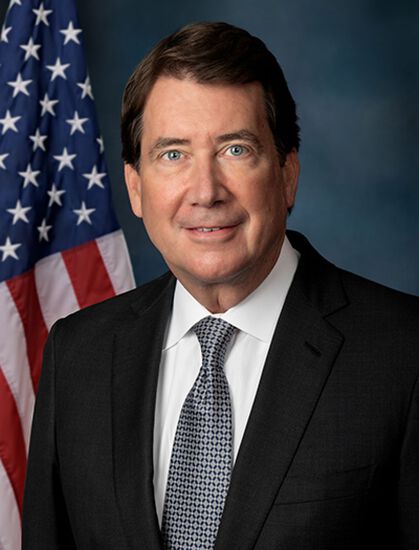
Bill Hagerty
Bill Hagerty Senate
R
Strong −
10% 10
Chuck Grassley
Chuck Grassley Senate
R
Strong −
10% 10
Showing 1–10 of 278 bills

All healthcare bills

in committee · United States · House Sep 2, 2026

HR 10227: INSULIN Act of 2026

The INSULIN Act of 2026 mandates that group and individual health insurance plans cap out-of-pocket costs for selected insulin products at $35 per 30-day supply, effective for plan years beginning on or after January 1, 2028. This cost limit applies to a variety of insulin types and delivery devices, with the cap set at the lesser of $35 or 25 percent of the negotiated price net of concessions. The bill also prohibits insurers from imposing deductibles or prior authorization requirements for these covered products unless clinically justified for safety reasons. Additionally, the legislation directs the Department of Health and Human Services to fund a resource center and hotline to help uninsured individuals find affordable insulin assistance programs, while requiring the Government Accountability Office to study the demographics of uninsured insulin users. Finally, it creates an expedited review process for biosimilar insulin applications when the Secretary determines there is inadequate competition in the market.
in committee · United States · House Aug 13, 2026

HR 10100: Screen to Save Act

The Screen to Save Act requires Medicare, Medicaid, and private health insurance plans to cover annual screening mammography for women aged 30 and older at no cost to the patient. This change takes effect on January 1, 2027, and specifically prohibits insurers from charging copays or deductibles for these screenings. The bill also establishes a frequency limit that prevents Medicare from paying for mammograms performed within 11 months of a previous screening for women over 29.
in committee · United States · House Sep 3, 2026

HR 10252: Launching with Healthcare Act

The Launching with Healthcare Act extends the period during which young adults must be covered under their parents' health insurance plans from age 26 to age 31. This change directly affects individuals up to age 31 and the employers or insurers providing these family coverage plans. The bill amends the Public Health Service Act to implement this new age limit, with the provision taking effect for plan years that begin after December 31, 2026.
in committee · United States · House Sep 1, 2026

HR 10210: Doctors Not AI Act of 2026

The Doctors Not AI Act of 2026 prohibits health insurance plans from using artificial intelligence systems to issue or dictate adverse benefit determinations that involve clinical judgment, such as decisions based on medical necessity or treatment appropriateness. Instead, these determinations must be made by a licensed healthcare professional who conducts an independent evaluation of the patient's specific medical circumstances without deferring to AI outputs. The bill requires insurers to disclose in written notices if any AI system was used during the review process and mandates that detailed documentation regarding the AI's role and outputs be maintained as part of the administrative record, available to patients upon request. Additionally, the legislation classifies the use of AI in utilization review as a treatment limitation for parity purposes, ensuring it is evaluated equally across mental health and medical-surgical benefits under existing federal laws.
in committee · United States · House Aug 20, 2026

HR 10133: Fair Prescription Pricing Act of 2026

The Fair Prescription Pricing Act of 2026 would cap the out-of-pocket costs that individuals pay for prescription drugs by limiting deductibles, copayments, and coinsurance to no more than the nationwide average consumer price for that specific medication. This provision applies to both group health plans and individual health insurance policies, ensuring that patients using in-network pharmacies do not face charges higher than the standard market rate. The bill requires pharmacy benefit managers to adhere to these same cost-sharing limits as the insurance providers themselves. These restrictions would be implemented across federal laws governing public health services, employee retirement income security, and internal revenue codes to ensure consistent enforcement for plan years beginning after the act's enactment.
in committee · United States · House Sep 3, 2026

HR 10240: Behavioral Health Crisis Services Expansion Act of 2026

The Behavioral Health Crisis Services Expansion Act of 2026 mandates that Medicare, Medicaid, and most private health insurance plans cover mental health and substance use crisis response services for individuals experiencing acute episodes. These covered services include care provided by mobile crisis teams, urgent care facilities, and stabilization centers that offer short-term observation without rejecting patients based on their ability to pay or other factors. The legislation also requires ambulance providers to transport individuals in crisis to appropriate facilities and extends coverage requirements to TRICARE, veterans' benefits, federal employee health plans, and the Children's Health Insurance Program. These new coverage mandates generally take effect three years after the bill is enacted, with specific provisions ensuring that financial restrictions on these services are no more severe than those applied to standard medical care.
in committee · United States · House Sep 3, 2026

HR 10280: 9–8–8 Implementation Act of 2026

The 9-8-8 Implementation Act of 2026 expands federal funding and mandates insurance coverage for behavioral health crisis services, directly affecting individuals experiencing mental health or substance use emergencies as well as the providers who serve them. The bill authorizes grants to upgrade local lifeline call centers, build new crisis stabilization facilities, and train a larger workforce of behavioral health professionals. It requires Medicare, Medicaid, private group health plans, TRICARE, and other federal insurance programs to cover crisis response services with financial terms no more restrictive than standard medical care. Additionally, the legislation establishes a federal panel to develop training protocols for 9-1-1 dispatchers to better connect callers to appropriate crisis care rather than law enforcement responses.
in committee · United States · House Aug 31, 2026

HR 10185: Part D Premium Protection Act of 2026

The Part D Premium Protection Act of 2026 would establish a temporary premium credit for Medicare Part D prescription drug plan enrollees in 2027. This credit is designed to match the average premium reduction observed during the Part D Premium Stabilization Demonstration program between January 1, 2025, and the end of 2026. Under the bill's provisions, insurance sponsors would charge enrollees their standard premiums minus this specific credit amount, with the floor set at zero dollars. The Secretary of Health and Human Services would then reimburse the sponsors for the difference between the charged premium and the full applicable rate.
in committee · United States · Senate Aug 6, 2026

S 5326: Health Care Fraud Prevention and Enforcement Act

The Health Care Fraud Prevention and Enforcement Act mandates increased funding for federal agencies, including the Department of Justice, the Department of Health and Human Services, and the Federal Bureau of Investigation, to combat health care fraud and abuse starting in fiscal year 2027. The bill expands the investigative authority of the HHS Office of Inspector General to cover programs established under the Affordable Care Act and includes the State Children's Health Insurance Program in Medicare-Medicaid data matching efforts. Additionally, it requires the Government Accountability Office to conduct a study on the program's performance and effectiveness, with results due to Congress within 16 months of enactment.
in committee · United States · House Aug 3, 2026

HR 10024: Health Insurance Transparency for Patients Act

The Health Insurance Transparency for Patients Act requires health insurance companies and Medicare Advantage organizations to publicly report detailed data on how they handle coverage requests. Starting with plan years after the law is passed, these providers must annually submit and display online information about the number and percentage of claims denied versus approved, along with the specific reasons for denials. The report must also break down data by the review method used, such as automated systems or human reviewers, and include the time it took to reach a decision. Additionally, the bill mandates that these organizations list all services requiring prior authorization and publish this information in a simple, easy-to-understand format. The Department of Health and Human Services will also make this data available on its own website to ensure public access.
Sub-Topics Insurance Medicare Tags Government Transparency
Showing 1 to 10 of 278 bills
1 2 3 28 Next