Issue · Labor & Employment

Labor & Employment

Every labor & employment bill, vote, and legislator stance in United States, automatically classified by Maddy, our AI policy reader.

Total bills
1,543
119th Congress
Top supporter
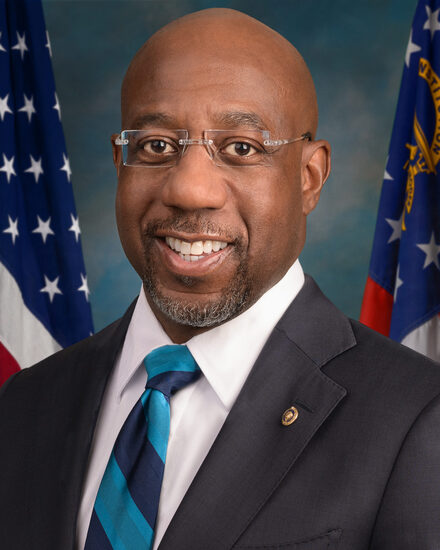
Raphael G. Warnock
100% support rate
Top opponent
Eric Burlison
31% support rate
Ranked legislators
10
5 support · 5 oppose
Key legislators

Who's moving labor & employment in United States

Legislators moving labor & employment in United States
Legislator Party Stance Support rate Votes
Raphael G. Warnock
Raphael G. Warnock Senate
D
Strong +
100% 211
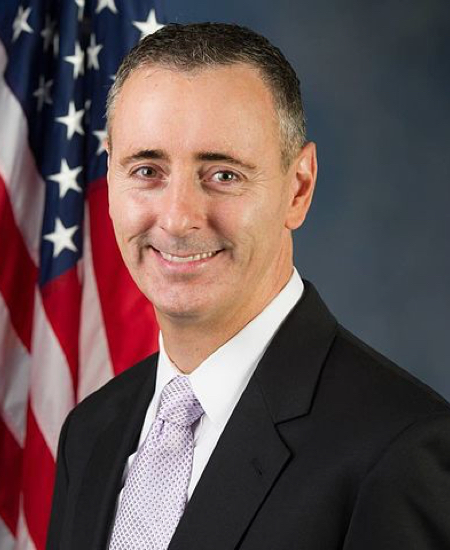
Brian K. Fitzpatrick
Brian K. Fitzpatrick House · District 1
R
Strong +
92% 194
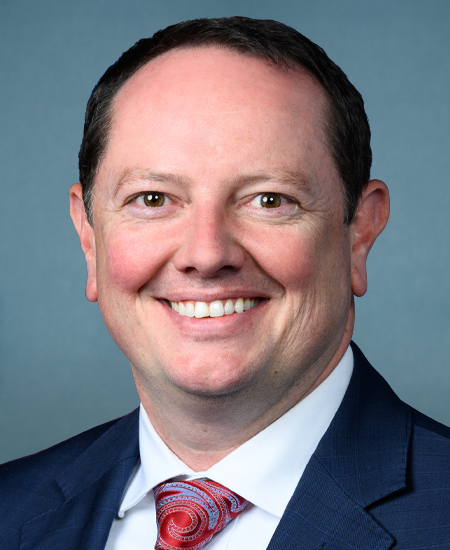
Robert P. Bresnahan, Jr.
Robert P. Bresnahan, Jr. House · District 8
R
Strong +
92% 197
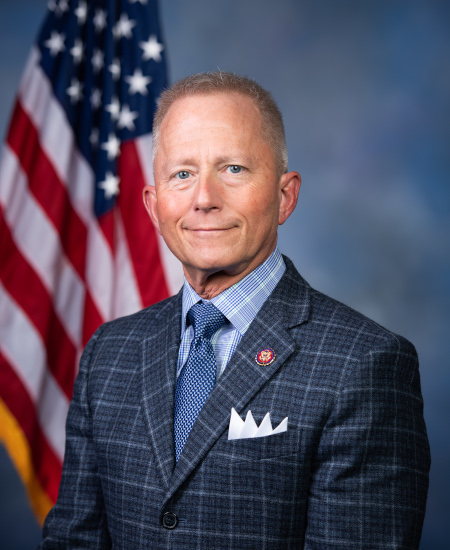
Jefferson Van Drew
Jefferson Van Drew House · District 2
R
Strong +
92% 197
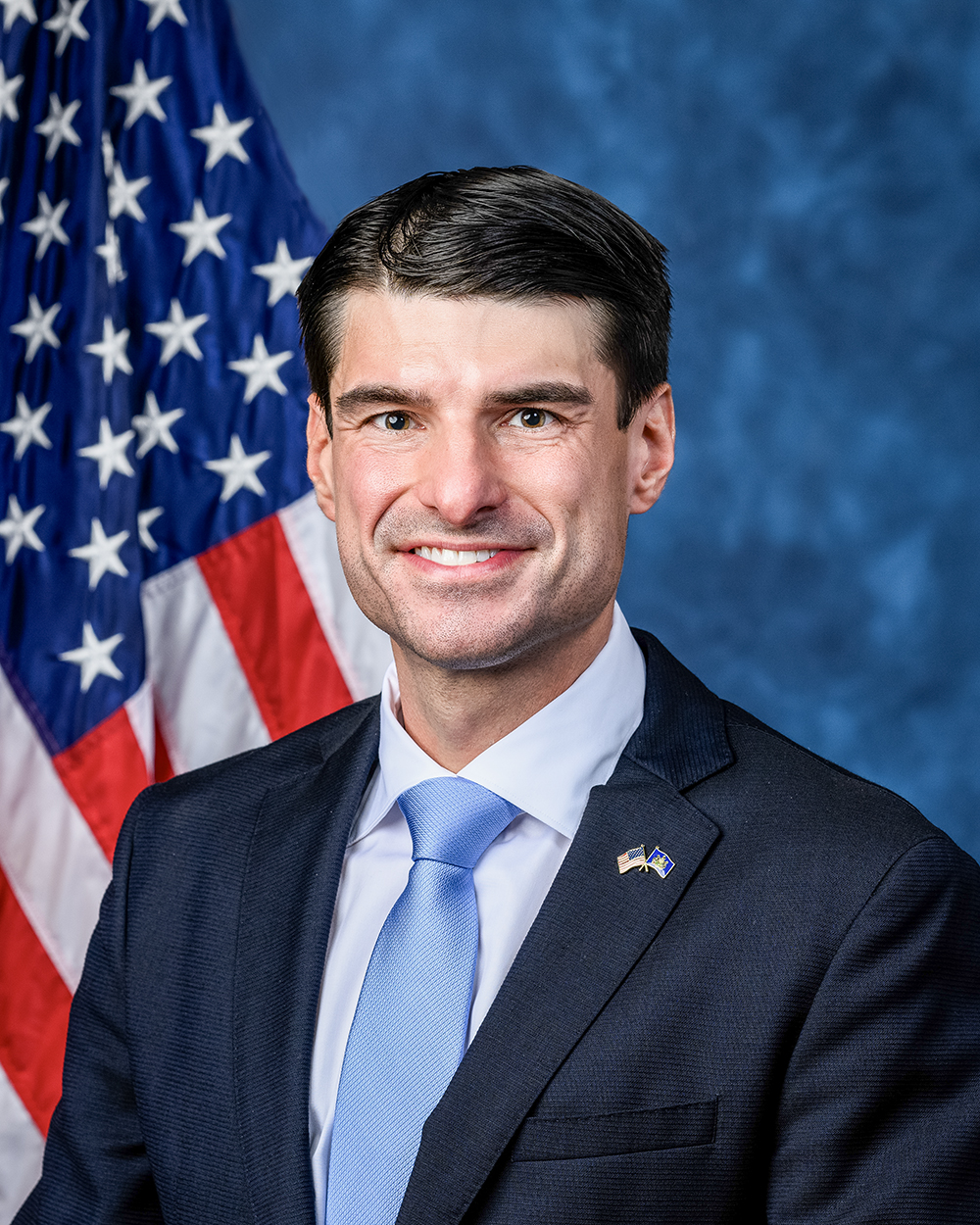
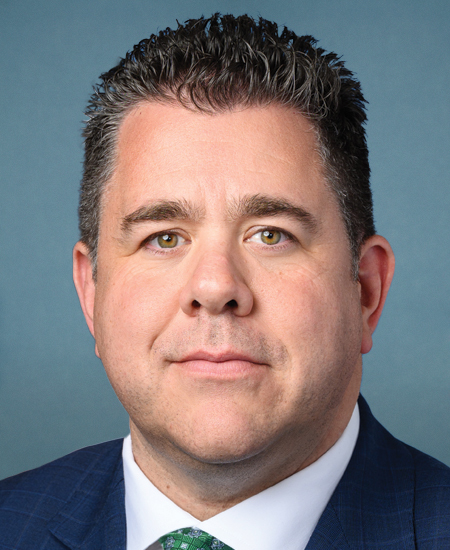
Nick LaLota
Nick LaLota House · District 1
R
Strong +
92% 195
Eric Burlison
Eric Burlison House · District 7
R
Oppose
31% 197
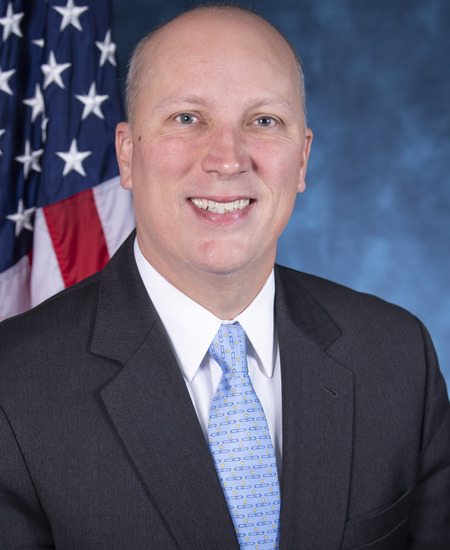
Chip Roy
Chip Roy House · District 21
R
Oppose
31% 190
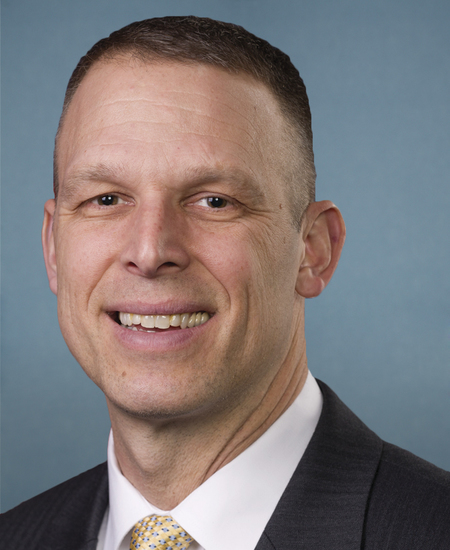
Scott Perry
Scott Perry House · District 10
R
Oppose
31% 194
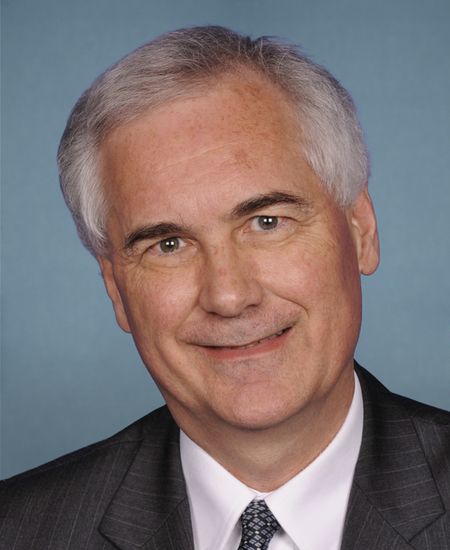
Tom McClintock
Tom McClintock House · District 5
R
Oppose
31% 190
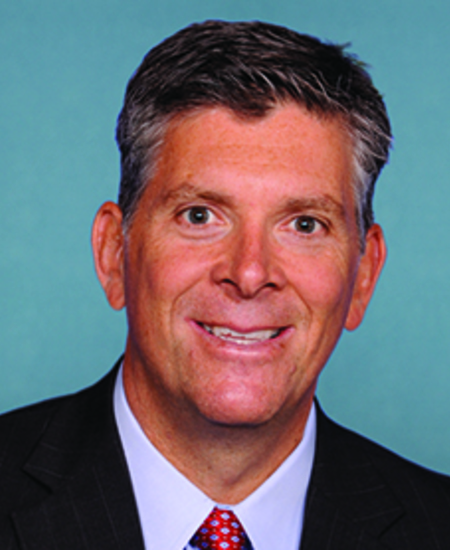
Darin LaHood
Darin LaHood House · District 16
R
Oppose
33% 175
Showing 1,271–1,280 of 1,543 bills

All labor & employment bills

in committee · United States · Senate Jul 29, 2025

S 2495: Keep Call Centers in America Act of 2025

This bill requires employers who relocate call centers outside the United States or contract call center work overseas to notify the Secretary of Labor 120 days in advance. It creates a public list of such employers and makes them ineligible for federal grants or guaranteed loans for five years. The bill also mandates that Federal agencies give preference to employers not on this list when awarding contracts and requires all call center work under Federal contracts to be performed within the United States. Additionally, businesses must disclose to customers if they're using artificial intelligence for customer service or if the agent is outside the U.S., and must transfer customers to a U.S.-based human agent upon request.
in committee · United States · Senate Feb 19, 2025

S 636: Public Safety Employer-Employee Cooperation Act

The Public Safety Employer-Employee Cooperation Act establishes minimum standards for collective bargaining rights for public safety employees, including law enforcement officers, firefighters, and emergency medical services personnel. It requires states to substantially provide specific rights such as forming labor organizations, negotiating terms of employment, and using binding interest arbitration to resolve disputes. The Federal Labor Relations Authority would determine if states meet these standards, and states that don't would be subject to federal regulations for public safety bargaining. The law also prohibits strikes and lockouts in public safety sectors while respecting existing state laws that provide stronger protections for these workers.
in committee · United States · Senate Feb 12, 2026

S 3886: Nurses Belong in Nursing Homes Act

This bill establishes minimum nurse staffing requirements for nursing homes participating in Medicare and Medicaid. It requires facilities to provide 24-hour registered nurse coverage (transitioning from 8-hour daily coverage within 180 days of enactment) and maintain a minimum of 3.48 hours of nursing care per resident daily. The bill mandates a study every four years to review staffing standards based on resident needs and safety data, with findings informing future regulations. Additionally, it directs states to use a portion of collected civil penalties to fund workforce programs like student loan repayment and career pathway development for nursing home staff.
in committee · United States · House Apr 30, 2025

HR 3090: I–PLAN Act of 2025

The I-PLAN Act of 2025 establishes an Interstate Paid Leave Action Network (I-PLAN) to coordinate state paid family and medical leave programs across state lines. It requires participating states to develop a standardized interstate agreement covering key elements like benefit calculations, eligibility rules, and administrative processes to simplify compliance for employers and employees working in multiple states. The bill creates a national intermediary to support I-PLAN activities, including developing technology systems for processing cross-state leave claims and producing annual reports comparing state programs. States with existing paid leave programs can receive federal grants to help implement the agreement and cover administrative costs, with funding authorized for fiscal years 2026-2028. This legislation directly affects states, employers operating across state lines, and employees who work in multiple states.
in committee · United States · House Mar 4, 2025

HR 1826: Child Care Workforce Act

This bill establishes a federal pilot program to increase wages for child care workers through competitive grants to states and tribes. It requires grant recipients to use funds directly to supplement wages for eligible workers in licensed child care centers or home-based settings, paid quarterly, with up to 10% of funds allowed for administrative costs. The program must track impacts on worker retention, well-being, care quality, and affordability, and report results to Congress within two years. It targets low-wage workers in underserved areas, including those serving infants, toddlers, children with disabilities, or during nontraditional hours.
Sub-Topics Child Labor
in committee · United States · Senate Jan 15, 2026

S 3681: Keep Our Border Agents Paid Act

This bill ensures that U.S. Customs and Border Protection (CBP) and U.S. Immigration and Customs Enforcement (ICE) border agents, officers, and certain contractors continue receiving pay and benefits during government funding gaps. It specifically covers "excepted employees" (those required to work during shutdowns) and "covered contractors" supporting border operations, including Border Patrol, Air and Marine Operations, and enforcement units. The bill appropriates funds from the Treasury to pay salaries and cover specific benefits like disability compensation, death benefits, and funeral expenses until regular appropriations are enacted. It applies to all border and immigration enforcement personnel directly affected by funding lapses, without creating new programs or altering existing work requirements.
in committee · United States · Senate Jun 11, 2025

S 2023: Bicycle Commuter Act of 2025

This bill expands tax-free benefits for employees who commute by bicycle. It reinstates and broadens employer-provided tax-free reimbursements for expenses related to bicycles, electric bikes, and qualifying scooters used for commuting. Specifically, employers can now cover costs like purchasing, leasing, repairing, or storing qualified commuting property (including e-bikes meeting safety standards), with a 30% monthly limit on the tax-free amount. The policy directly affects employees who bike to work and their employers, making it easier for businesses to offer these benefits without tax implications. The changes apply to taxable years beginning after December 31, 2024.
in committee · United States · House Apr 1, 2025

HR 2531: Workplace Violence Prevention for Health Care and Social Service Workers Act

Workplace Violence Prevention for Health Care and Social Service Workers Act This bill requires the Department of Labor to address workplace violence in health care, social service, and similar sectors. Specifically, Labor must issue an occupational safety and health standard that requires certain employers to take actions to protect workers and other personnel from workplace violence. The standard applies to employers in the health care sector, in the social service sector, and in sectors that conduct activities similar to those in the health care and social service sectors. Among other elements, the standard must require each employer to (1) develop a workplace violence prevention plan, (2) promptly investigate incidents of workplace violence, and (3) provide relevant training and education to employees.  The bill requires certain hospitals and skilled nursing facilities to comply with this standard as a condition of Medicare participation.
in committee · United States · Senate Apr 1, 2025

S 1232: Workplace Violence Prevention for Health Care and Social Service Workers Act

This bill requires health care and social service employers to develop and implement workplace violence prevention plans for their employees. The plans must include risk assessments, hazard prevention measures, incident reporting procedures, and annual evaluations. Employers must provide specific training to employees, maintain incident records for 5 years, and protect employees from retaliation for reporting violence. The bill applies to hospitals, residential treatment facilities, clinics, and other covered facilities that provide health care or social services. It establishes specific definitions for types of workplace violence and requires employers to follow detailed safety protocols.
Sub-Topics Workplace Safety
in committee · United States · House Oct 21, 2025

HR 5807: Empowering Individuals to Succeed Through Education and Workforce Training Act

HR 5807 establishes a new grant program to fund essential support services for individuals enrolled in workforce training programs under the Workforce Innovation and Opportunity Act. Qualified applicants (such as local workforce boards) can receive competitive grants to cover costs like childcare, groceries, and transportation for trainees in specific programs. The bill requires grantees to partner with Temporary Assistance for Needy Families (TANF) and SNAP agencies, and limits each grant to $2 million annually. It directly affects trainees facing barriers like childcare needs or food insecurity while participating in approved workforce training activities.
Showing 1,271 to 1,280 of 1,543 bills