Issue · Labor & Employment

Labor & Employment

Every labor & employment bill, vote, and legislator stance in United States, automatically classified by Maddy, our AI policy reader.

Total bills
1,543
119th Congress
Top supporter
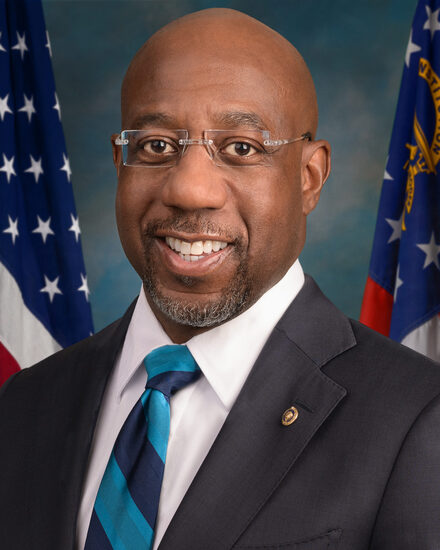
Raphael G. Warnock
100% support rate
Top opponent
Eric Burlison
31% support rate
Ranked legislators
10
5 support · 5 oppose
Key legislators

Who's moving labor & employment in United States

Legislators moving labor & employment in United States
Legislator Party Stance Support rate Votes
Raphael G. Warnock
Raphael G. Warnock Senate
D
Strong +
100% 211
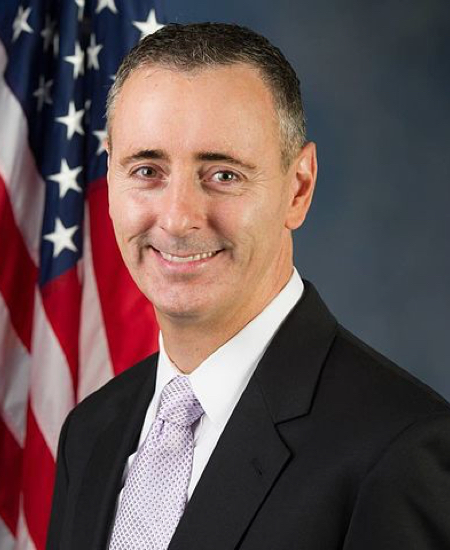
Brian K. Fitzpatrick
Brian K. Fitzpatrick House · District 1
R
Strong +
92% 194
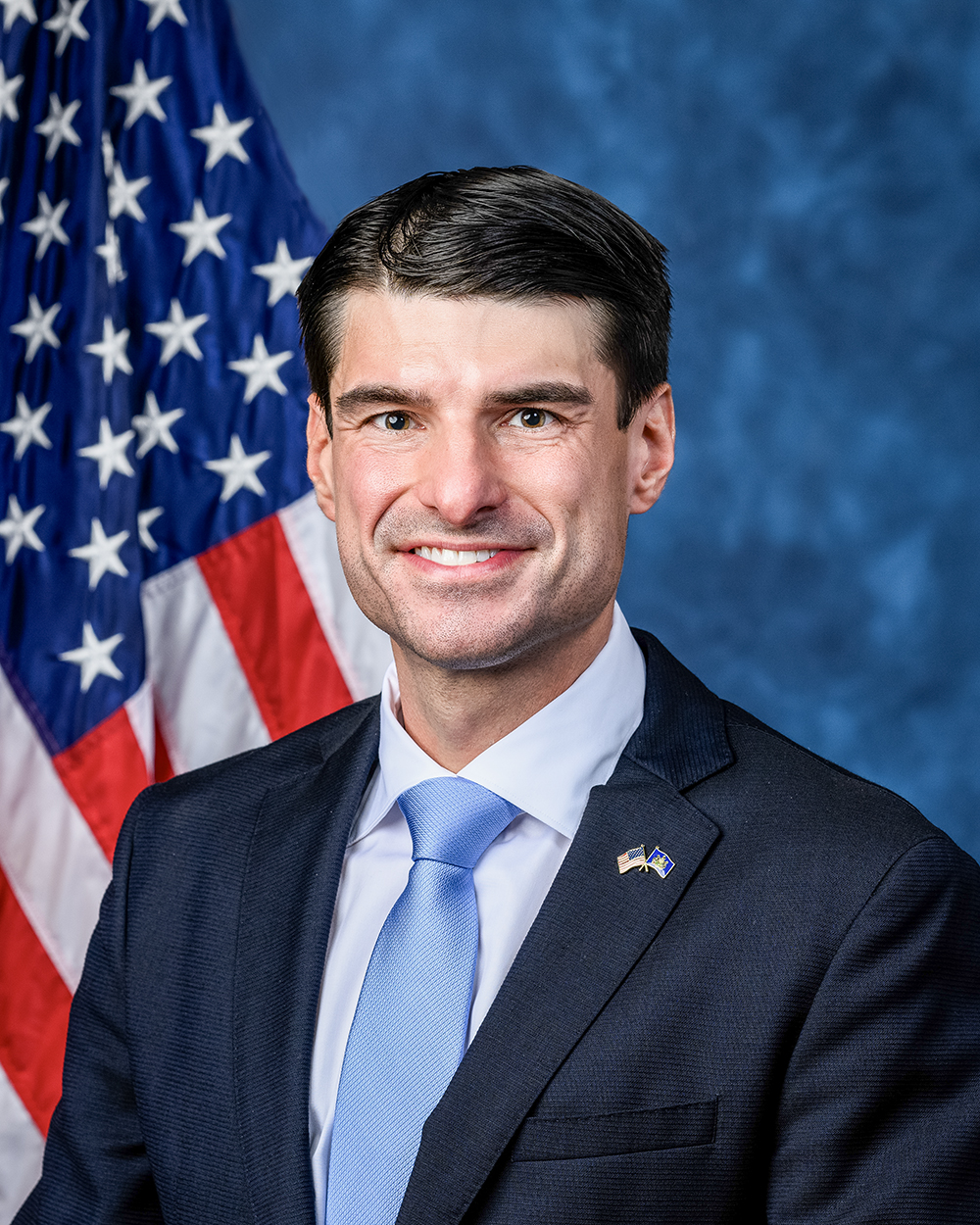
Robert P. Bresnahan, Jr.
Robert P. Bresnahan, Jr. House · District 8
R
Strong +
92% 197
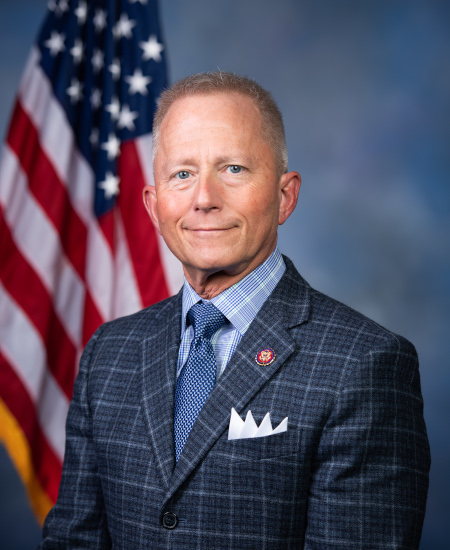
Jefferson Van Drew
Jefferson Van Drew House · District 2
R
Strong +
92% 197
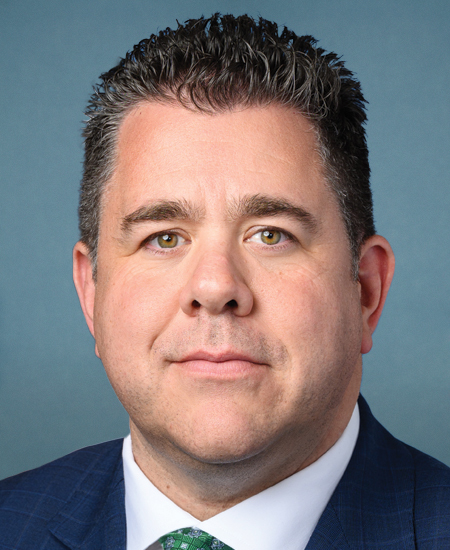
Nick LaLota
Nick LaLota House · District 1
R
Strong +
92% 195
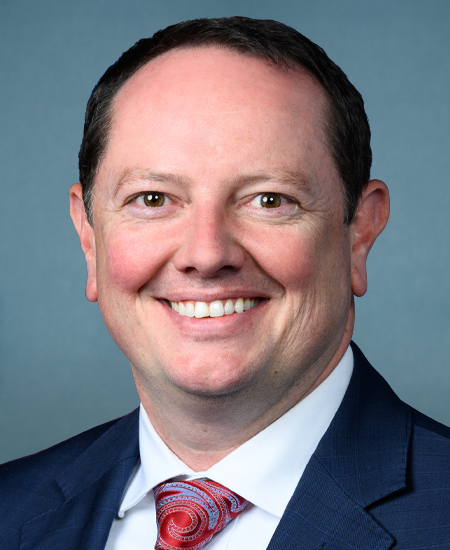
Eric Burlison
Eric Burlison House · District 7
R
Oppose
31% 197
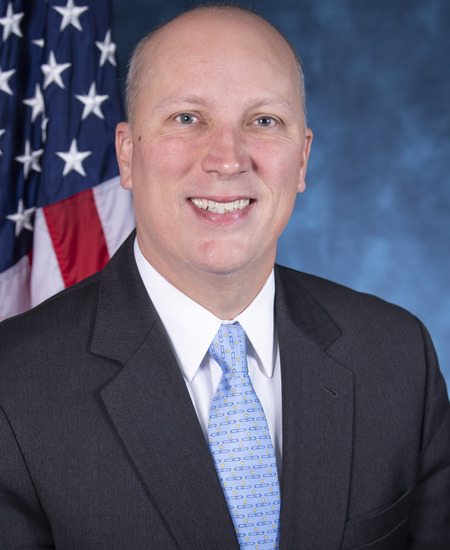
Chip Roy
Chip Roy House · District 21
R
Oppose
31% 190
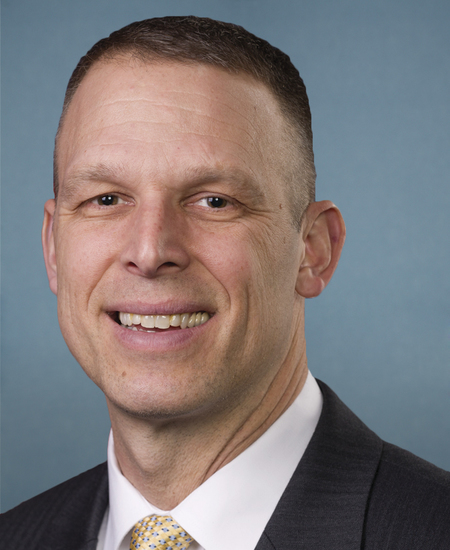
Scott Perry
Scott Perry House · District 10
R
Oppose
31% 194
Tom McClintock
Tom McClintock House · District 5
R
Oppose
31% 190
Darin LaHood
Darin LaHood House · District 16
R
Oppose
33% 175
Showing 1,281–1,290 of 1,543 bills

All labor & employment bills

in committee · United States · House Jul 15, 2025

HR 4418: Child Care for Working Families Act

The Child Care for Working Families Act creates a federal program to provide affordable, high-quality child care for working families with children under age 6. It would provide direct child care assistance through certificates or grants to parents, with no copayment required for families at or below 85% of state median income. The program requires states to implement quality standards for child care providers, including a tiered quality system and minimum wage requirements for staff (at least a living wage equivalent to elementary educators). The bill appropriates $20 billion for the program over five years, with additional funding for quality improvement initiatives and universal preschool services.
in committee · United States · Senate Jul 24, 2025

S 2461: Promotion and Expansion of Private Employee Ownership Act of 2025

This bill extends tax deferral for company stock sold to employee stock ownership plans (ESOPs) and fixes a rule that previously caused small businesses to lose government benefits after 49% ownership transferred to an ESOP. It creates a new Treasury Department office to provide education and technical assistance for companies adopting ESOPs, and establishes a Labor Department Advocate for Employee Ownership to coordinate federal efforts and promote employee ownership. These changes directly affect S corporations considering ESOPs, current ESOP-owned businesses, and small businesses seeking to maintain eligibility for government programs. The bill focuses on removing barriers to employee ownership through concrete tax, eligibility, and support mechanisms.
Sub-Topics Tax Incentives
in committee · United States · Senate Mar 31, 2025

S 1211: AID Youth Employment Act

The AID Youth Employment Act creates new federal grant programs to provide subsidized summer and year-round employment opportunities for eligible youth aged 14-24 who are in-school, out-of-school, or unemployed. The bill allocates $1.8 billion for summer employment programs and $2.4 billion for year-round programs, with specific requirements to serve marginalized youth (including those who are homeless, in foster care, involved in justice systems, or living in underserved communities). It requires eligible entities to form partnerships with schools, workforce agencies, and community organizations to develop programs that provide work readiness skills, mentorship, and support services like transportation and child care. The program includes performance metrics to track outcomes like employment rates and educational progress after program completion, with annual reports to Congress on program effectiveness.
in committee · United States · House Sep 16, 2025

HR 5383: Mentoring and Supporting Families Act

This bill amends the Social Security Act to prioritize grant applications that include peer mentoring, career coaching, and cash stipends for participants in workforce development programs. It requires grant-funded projects to incorporate career coaching (with optional peer support) into case management plans to build soft skills and social capital throughout career pathways. The changes apply to programs receiving federal grants under Section 2008 of the Social Security Act and take effect October 1, 2025. The law focuses on altering grant selection criteria, not directly providing services to individuals.
passed · United States · House Mar 25, 2026

HR 7342: Made in America Jobs Act of 2026

This bill amends the 1965 Public Works and Economic Development Act to expand how federal grants can be used. It adds two specific purposes: (1) facilitating the relocation of jobs from outside the U.S. to American workers, and (2) supporting growth in the manufacturing sector. Grants for public works, economic development planning, training, and economic adjustment must now include these new objectives. The changes apply to state and local governments receiving these federal funds, directing them to prioritize domestic job relocations and manufacturing expansion. The bill modifies existing grant program rules but does not create new funding.
Tags Economic Development
in committee · United States · Senate Jul 28, 2025

S 2481: Pay Teachers Act

The Pay Teachers Act requires states to ensure public school teachers earn a minimum starting salary of $60,000 that increases with experience, and paraprofessionals and education support staff earn at least $45,000 annually or $30 per hour. The bill provides mandatory federal funding to support these salary increases and requires states to develop implementation plans within 4 years (with possible extensions for states facing financial challenges). It also establishes career ladder programs that allow teachers to earn additional compensation for taking on leadership roles and responsibilities. This legislation directly affects all public school teachers, paraprofessionals, and education support staff nationwide, as well as state and local education agencies responsible for implementing the changes.
in committee · United States · House May 20, 2026

HR 6949: Upward Mobility Act of 2026

The Upward Mobility Act of 2026 would establish a 5-year pilot program allowing up to 5 states to consolidate multiple antipoverty programs - including SNAP, TANF, child care assistance, housing benefits, and energy assistance - into a single grant. States would design new benefit structures that reduce "benefit cliffs" (where increased earnings lead to loss of benefits) to improve employment outcomes and reduce reliance on direct assistance. The bill requires states to measure outcomes like employment rates, earnings, and reduced dependence on benefits using third-party evaluations, with participants not receiving additional benefits outside the pilot. States would receive grants based on previous funding from these programs, while maintaining emergency contingency funds for crisis periods.
in committee · United States · House Jul 25, 2025

HR 4763: PTO Act

HR 4763, the PTO Act, requires most employers to provide employees with at least 1 hour of paid annual leave for every 25 hours worked, with a maximum of 80 hours per year. It applies to private-sector workers and certain government employees, protecting their right to use paid leave for any purpose without disclosing the reason. The bill mandates employers to maintain health benefits during leave, allow carryover of up to 40 hours of unused leave, and pay out unused leave upon separation. It also prohibits employers from discriminating against employees for using paid leave or requiring them to find replacements while on leave. The law includes enforcement mechanisms, allowing employees to file complaints with the Department of Labor or pursue private lawsuits.
in committee · United States · House Apr 30, 2025

HR 3089: More Paid Leave for More Americans Act

This bill establishes a federal grant program to help states create or improve paid family leave programs that provide at least 6 weeks of paid leave for new parents (for birth or adoption). States with existing programs can apply for grants to fund implementation, improve access for low-income workers, and coordinate with other states through a new Interstate Paid Leave Action Network. The grants can be used for program design, technology, outreach, and administrative costs, with states required to meet specific benefit standards including income-based calculations (higher percentages for lower-income workers). The bill aims to increase access to paid family leave for workers across states by standardizing and coordinating state programs through the new interstate network.
in committee · United States · Senate Sep 30, 2025

S 2948: Help FEDS Act

This bill requires states to allow federal employees who must work during government shutdowns (called "excepted employees") to receive unemployment benefits for those weeks in 2026-2027. If an employee later receives pay from the government for the same period, they must repay the state unemployment fund. The federal government will reimburse states 100% of the unemployment benefits paid to these employees plus related administrative costs. The bill directly affects federal workers required to work during shutdowns and state unemployment systems managing these claims. It creates a clear process for benefits and repayment during shutdowns in 2026-2027.
Sub-Topics Unemployment
Showing 1,281 to 1,290 of 1,543 bills