Issue · Education

Education (Student Financial Aid)

Every education bill, vote, and legislator stance in United States, automatically classified by Maddy, our AI policy reader.

Total bills
275
119th Congress
Top supporter
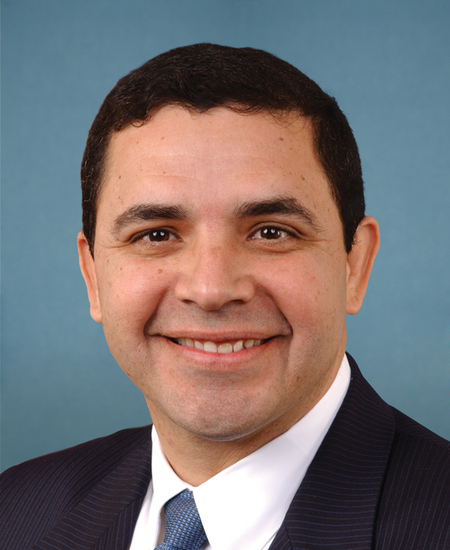
Henry Cuellar
100% support rate
Top opponent
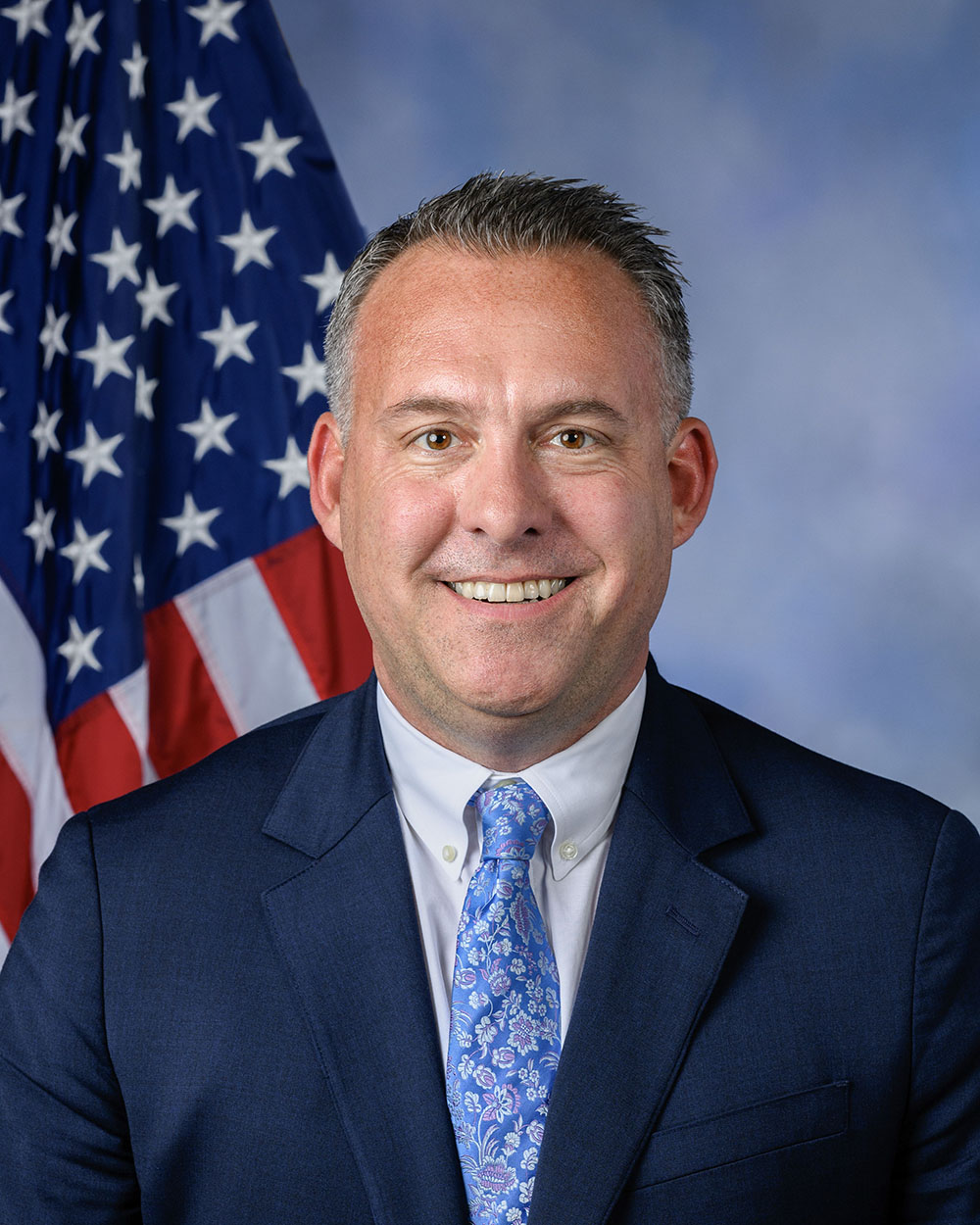
Aaron Bean
33% support rate
Ranked legislators
10
5 support · 5 oppose
Key legislators

Who's moving student financial aid in United States

Legislators moving student financial aid in United States
Legislator Party Stance Support rate Votes
Henry Cuellar
Henry Cuellar House · District 28
D
Strong +
100% 3
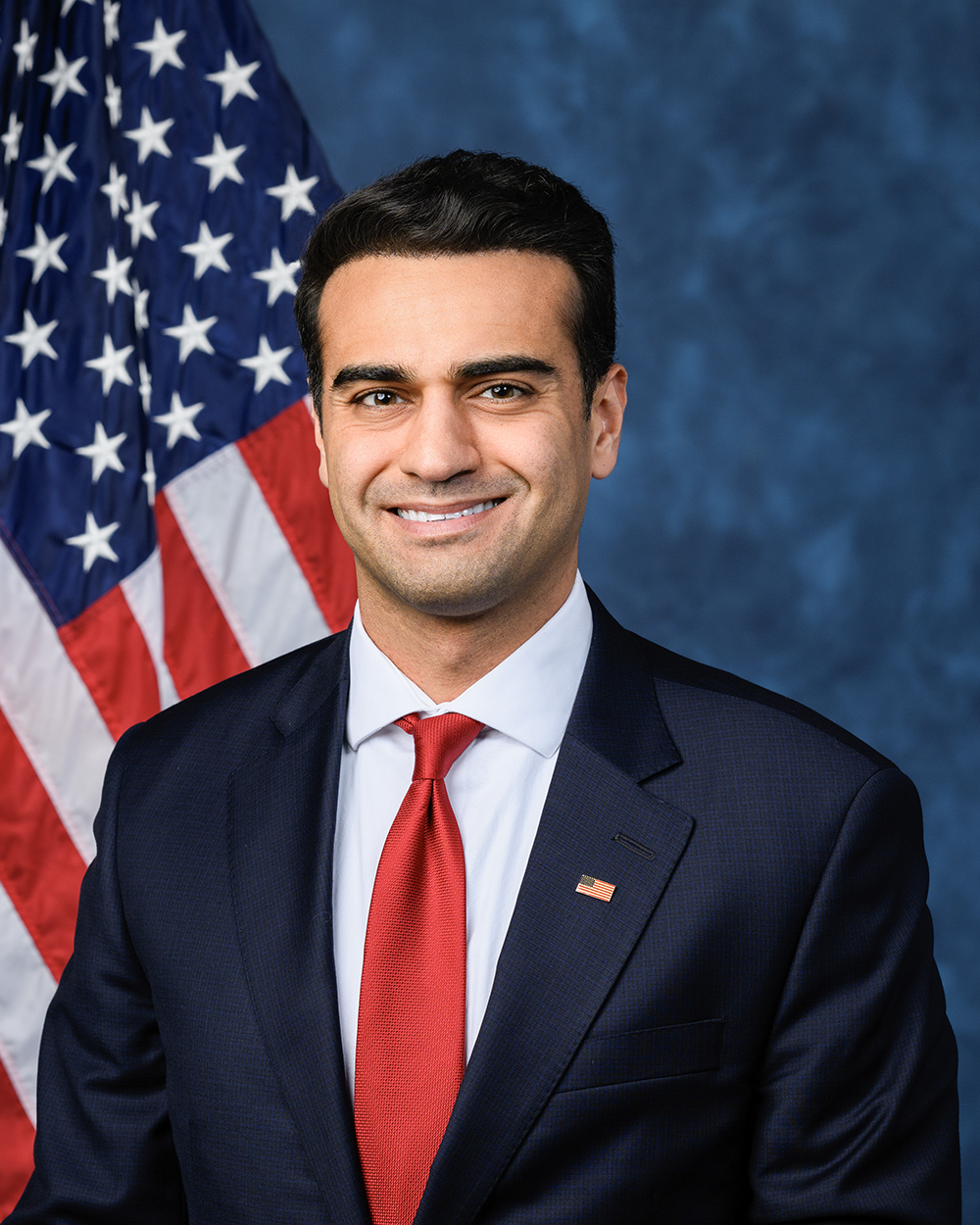
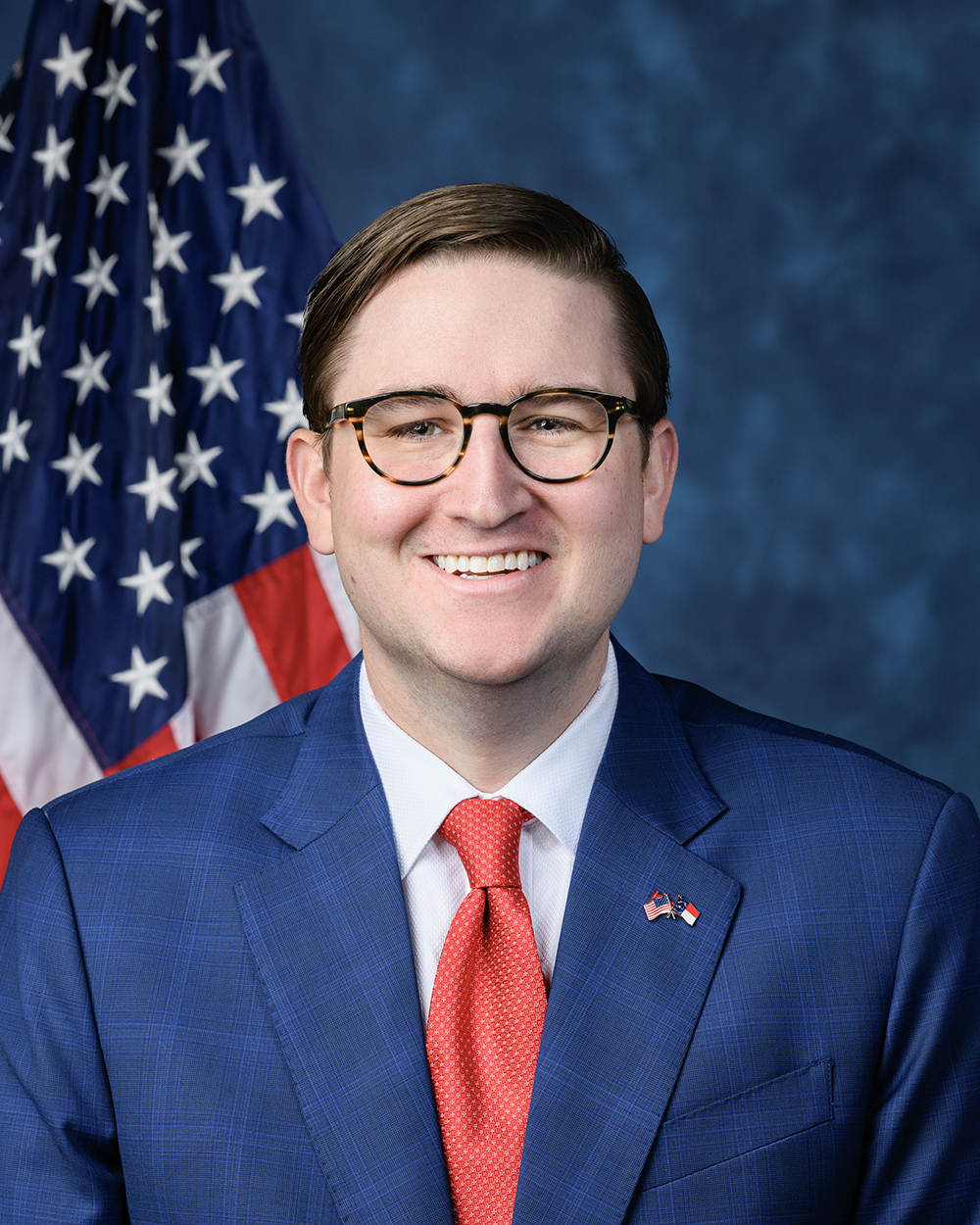
Abraham J. Hamadeh
Abraham J. Hamadeh House · District 8
R
Support
67% 3
Adam Gray
Adam Gray House · District 13
D
Support
67% 3
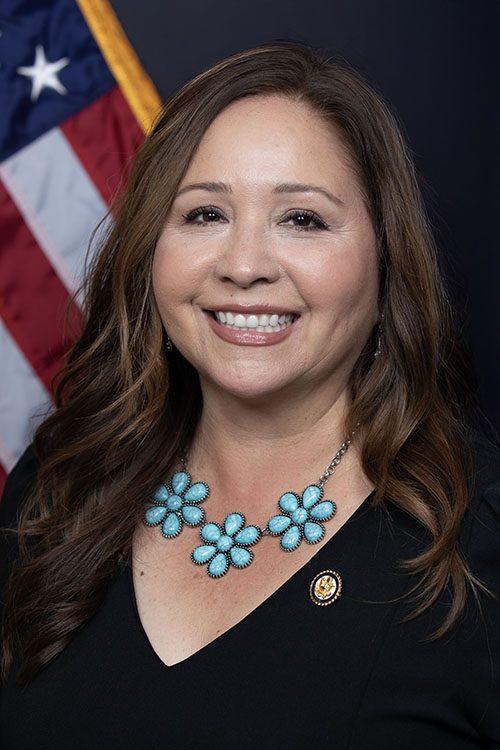
Adelita S. Grijalva
Adelita S. Grijalva House · District 7
D
Support
67% 3
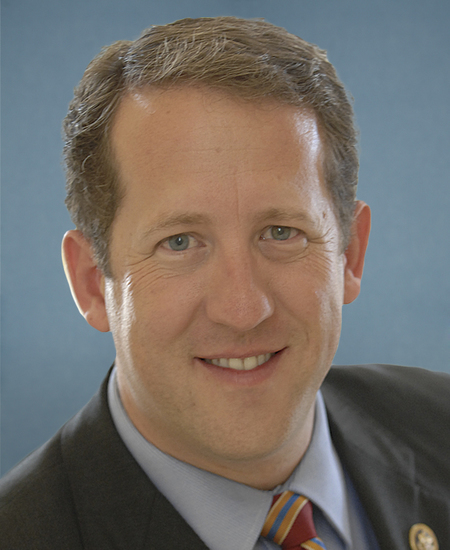
Adrian Smith
Adrian Smith House · District 3
R
Support
67% 3
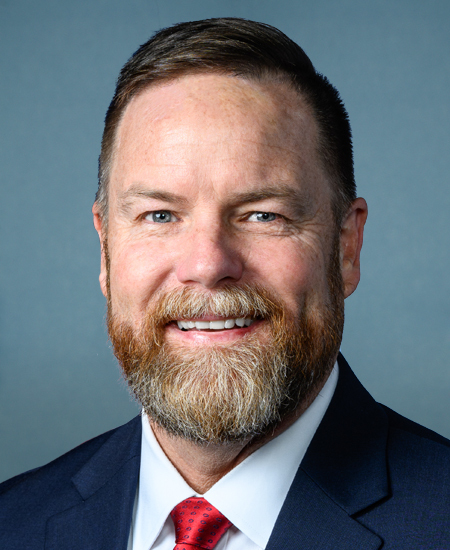
Aaron Bean
Aaron Bean House · District 4
R
Oppose
33% 3
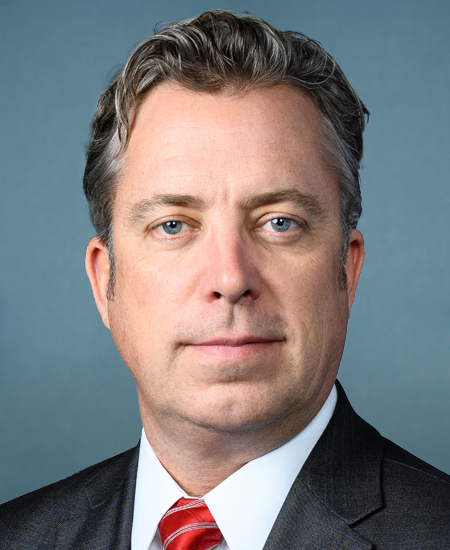
Addison P. McDowell
Addison P. McDowell House · District 6
R
Oppose
33% 3
Andrew Ogles
Andrew Ogles House · District 5
R
Oppose
33% 3
Andrew S. Clyde
Andrew S. Clyde House · District 9
R
Oppose
33% 3
Andy Biggs
Andy Biggs House · District 5
R
Oppose
33% 3
Showing 1–10 of 275 bills

All education bills

in committee · United States · House Sep 4, 2026

HR 10298: Public Service Loan Forgiveness Inclusion Act of 2026

The Public Service Loan Forgiveness Inclusion Act of 2026 modifies federal student loan rules to make it easier for borrowers in public service jobs to qualify for debt cancellation. The bill changes how qualifying monthly payments are counted by allowing the first 60 payments to count regardless of their amount, while requiring subsequent payments to meet a specific minimum threshold based on a standard 10-year repayment schedule. It also expands eligibility to include payments made under the standard repayment plan and counts months where repayment was suspended due to administrative forbearance as qualifying payments if the borrower remained employed in public service. The Department of Education is required to notify affected borrowers about these changes within 180 days of enactment, with the new payment counting rules applying to those who have not yet made 120 monthly payments.
in committee · United States · House Sep 1, 2026

HR 10206: Restoring Opportunity for Advanced Education Act

The Restoring Opportunity for Advanced Education Act amends the Higher Education Act to permanently restore access to Federal Direct PLUS Loans for graduate and professional students. By removing specific time limits and expiration dates from the law, the bill ensures that these loans remain available without a set end date. This change directly affects graduate and professional students who rely on this funding source for their advanced education.
in committee · United States · House Aug 13, 2026

HR 10097: Earn to Learn Act

The Earn to Learn Act establishes a federal demonstration grant program that provides low-income students with matched savings accounts to help pay for postsecondary education. Under this mechanism, states or nonprofit organizations receive grants to match student contributions at a rate of $8 for every $100 deposited, while also providing financial literacy training and success coaching. The bill explicitly ensures that participation in the program does not reduce a student's eligibility for Federal Pell Grants or other federal student aid. It authorizes $100 million annually for five years to fund these grants, which are capped at $10 million per recipient, and requires the Department of Education to report on the program's impact on savings rates and educational retention.
in committee · United States · House Sep 2, 2026

HR 10220: SIMPLE Act

The SIMPLE Act requires the Department of Education to automatically enroll borrowers who are at least 75 days delinquent on federal student loans into the income-driven repayment plan that offers them the lowest monthly payment. To facilitate this, the bill authorizes the use of IRS tax return data to determine a borrower's income and family size without requiring additional action from the borrower, provided they have approved such disclosure or are applying for loan rehabilitation. The legislation also establishes specific notification procedures at 31 days of delinquency and mandates that borrowers rehabilitating defaulted loans be placed in the most favorable repayment plan after making their ninth required payment. These automatic enrollment provisions take effect on July 1, 2028, while changes allowing borrowers to switch between repayment plans become effective immediately upon enactment.
in committee · United States · House Sep 3, 2026

HR 10251: Back-to-School Supplies Affordability Act

The Back-to-School Supplies Affordability Act would prevent new tariffs from being applied to specific school supplies and educational materials, effectively freezing their import duties at levels recorded on January 19, 2025. This measure directly affects students, families, teachers, schools, and local governments by aiming to keep the cost of items like notebooks, backpacks, pencils, and keyboards stable. The bill designates certain products for duty exemption based on specific trade classifications or through regulations issued by the Secretary of Commerce in coordination with the Secretary of Education. Additionally, it requires the Secretary of Commerce to report every 180 days to congressional committees on which items are exempt, while allowing Congress to disapprove specific item designations through a joint resolution.
in committee · United States · House Sep 1, 2026

HR 10203: Improving Access to Higher Education Act

The Improving Access to Higher Education Act requires all institutions of higher education to establish an Office of Accessibility responsible for informing students about their rights, providing accommodations, and accepting specific documentation like Individualized Education Programs to verify disability status. The bill authorizes competitive grants for colleges to train faculty in accessible teaching methods and to create inclusive programs that lead to degrees or credentials for students with intellectual disabilities. Additionally, it establishes an independent commission to develop guidelines for accessible electronic instructional materials and creates a National Technical Assistance Center to provide resources and technical support to both students and educational institutions.
Sub-Topics Higher Education Special Education Student Financial Aid Tags People with Disabilities
in committee · United States · House Sep 3, 2026

HR 10266: No Elite Athletes Using X-pro status to ensure Prioritizing Recruitment Of Student-athletes (NEAUX PROS) Act

The NEAUX PROS Act prohibits colleges that receive federal student aid from allowing individuals who hold active professional sports contracts to compete in intercollegiate athletics in the same sport. To enforce this rule, the bill conditions continued eligibility for Title IV federal funding on institutions ensuring they do not permit such dual participation, with violations subject to standard financial aid enforcement actions like suspension or termination of funds. The legislation also creates a new federal criminal offense for athletics officials who knowingly recruit or sign professional athletes, carrying penalties of up to five years in prison, or ten years if the act was done for financial gain or as part of a pattern. Individuals may avoid being classified as professional athletes by rescinding their contracts in writing before receiving any compensation or providing athletic services under those agreements.
in committee · United States · House Jul 27, 2026

HR 9958: Head Start Expansion and Improvement Act of 2026

The Head Start Expansion and Improvement Act of 2026 broadens eligibility for early childhood education services by including recipients of various public assistance programs, such as food stamps and Medicaid, in the definition of qualifying families. The bill authorizes $36 billion annually from fiscal years 2027 through 2032 to support these expanded operations and creates a separate grant program providing $1 billion per year until 2030 for agencies to repair or upgrade aging facilities with safety hazards. Additionally, the legislation establishes a loan forgiveness program that cancels federal student loans for childcare workers who complete three years of full-time service in Head Start or Early Head Start programs. Finally, it authorizes $6.8 billion annually through 2032 to provide salary supplements to Head Start employees, with funding allocated based on local wage gaps and cost-of-living factors.
in committee · United States · Senate Aug 6, 2026

S 5339: Back-to-School Supplies Affordability Act

The Back-to-School Supplies Affordability Act prevents new tariffs from being applied to specific school supplies and educational materials, ensuring their prices remain at levels seen before January 19, 2025. This legislation directly affects students, families, teachers, and schools by exempting items such as notebooks, backpacks, pencils, pens, and certain electronic devices from increased import duties. The Secretary of Commerce is tasked with designating additional classroom items for this exemption in coordination with the Secretary of Education, while providing regular reports to Congress on the covered products. To maintain legislative oversight, the bill includes a mechanism allowing Congress to pass a joint resolution to disapprove any specific item designated for tariff exemption by the executive branch.
in committee · United States · Senate Aug 6, 2026

S 5322: Federal Tax Credit Scholarship Improvement Act

The Federal Tax Credit Scholarship Improvement Act amends the Internal Revenue Code to increase the maximum tax credit available for contributions to scholarship programs from $1,000 to $1,700 per taxpayer. This change directly affects individuals and married couples filing jointly who donate to qualified scholarship organizations, allowing them to claim a larger deduction against their federal taxes. The bill also establishes an automatic annual adjustment mechanism that increases the credit limit based on inflation starting in 2026, with any adjustments rounded to the nearest $50 increment. These provisions are set to take effect for tax years beginning after December 31, 2025.
Showing 1 to 10 of 275 bills
1 2 3 28 Next