Issue · Criminal Justice

Criminal Justice

Every criminal justice bill, vote, and legislator stance in Washington, automatically classified by Maddy, our AI policy reader.

Total bills
366
2025-2026 Regular Session
Top supporter
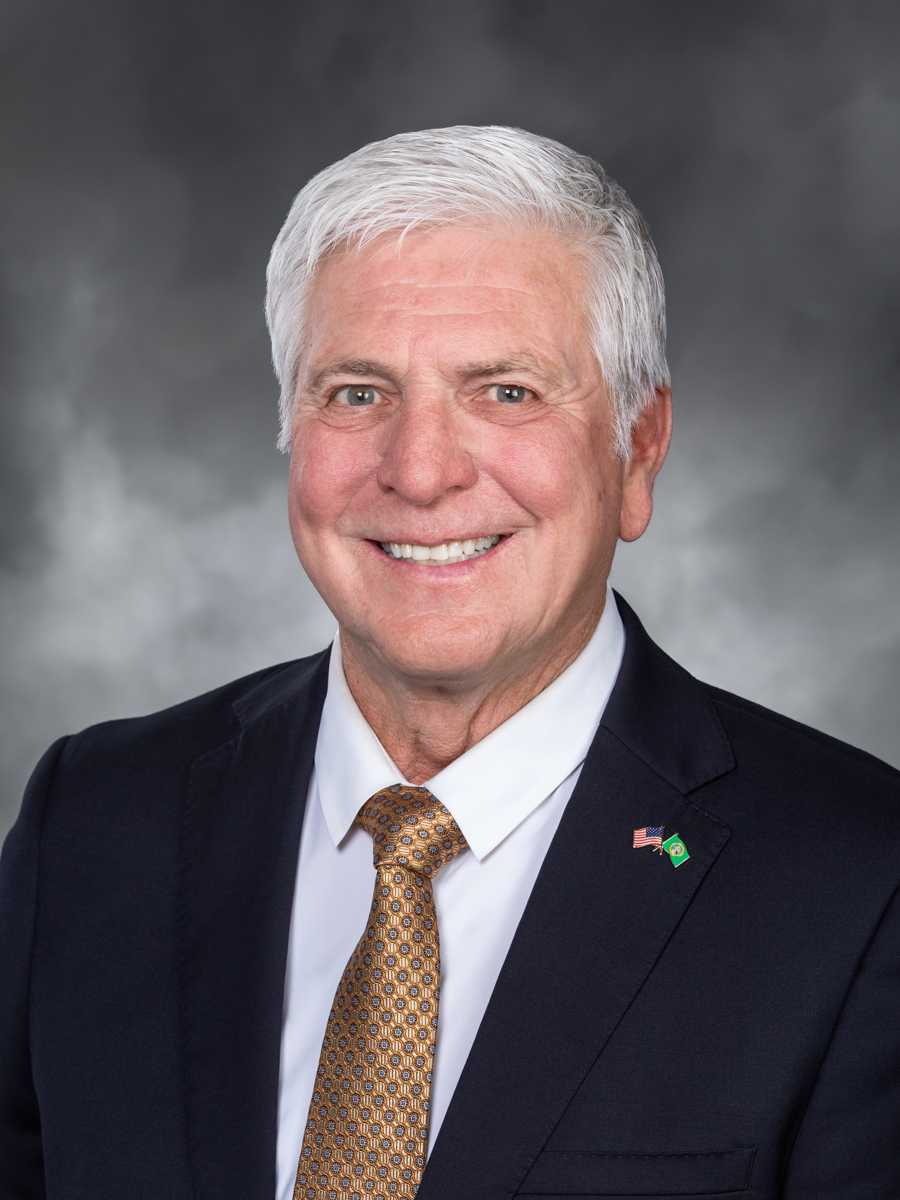
Steve Tharinger
91% support rate
Top opponent
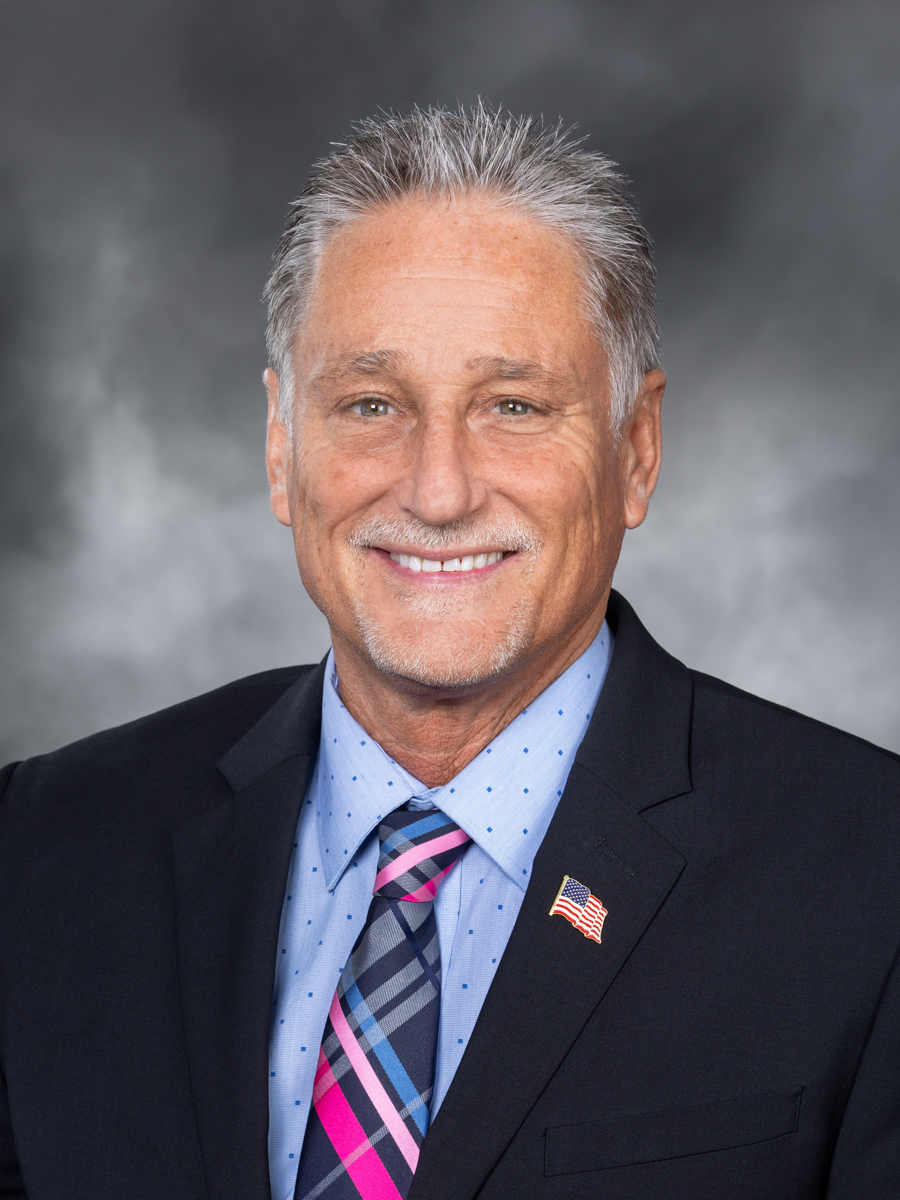
Jim McCune
16% support rate
Ranked legislators
10
5 support · 5 oppose
Key legislators

Who's moving criminal justice in Washington

Legislators moving criminal justice in Washington
Legislator Party Stance Support rate Votes
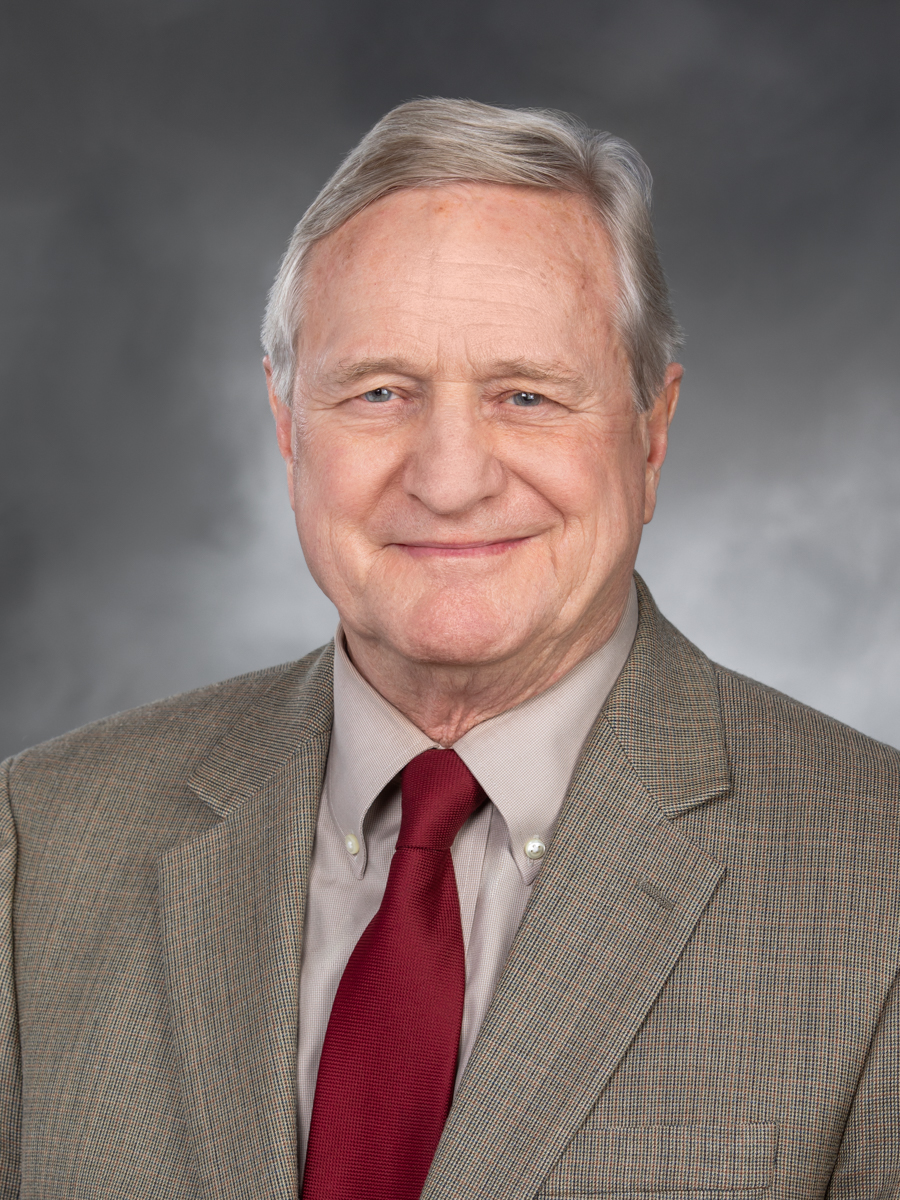
Steve Tharinger
Steve Tharinger House · District 24
D
Strong +
91% 99
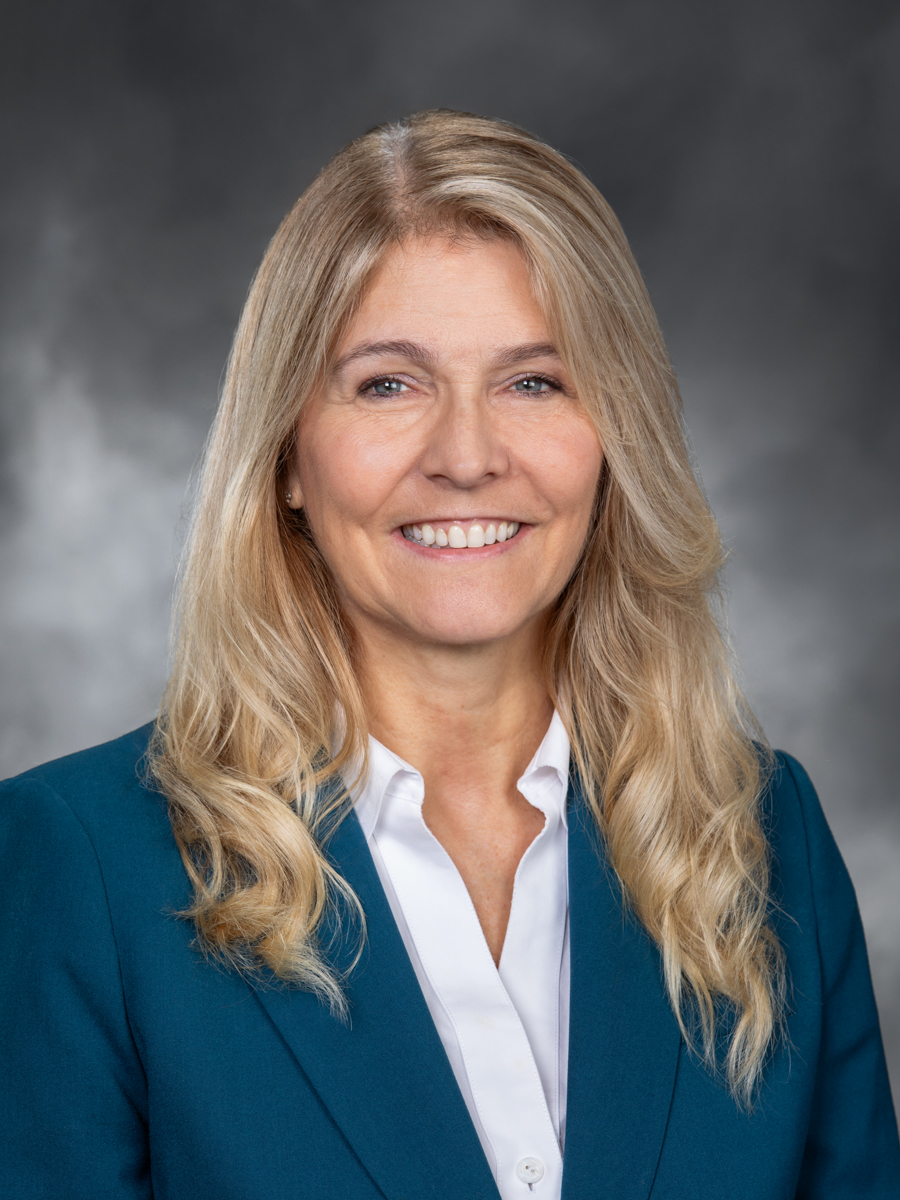
Tina Orwall
Tina Orwall Senate · District 33
D
Strong +
90% 124
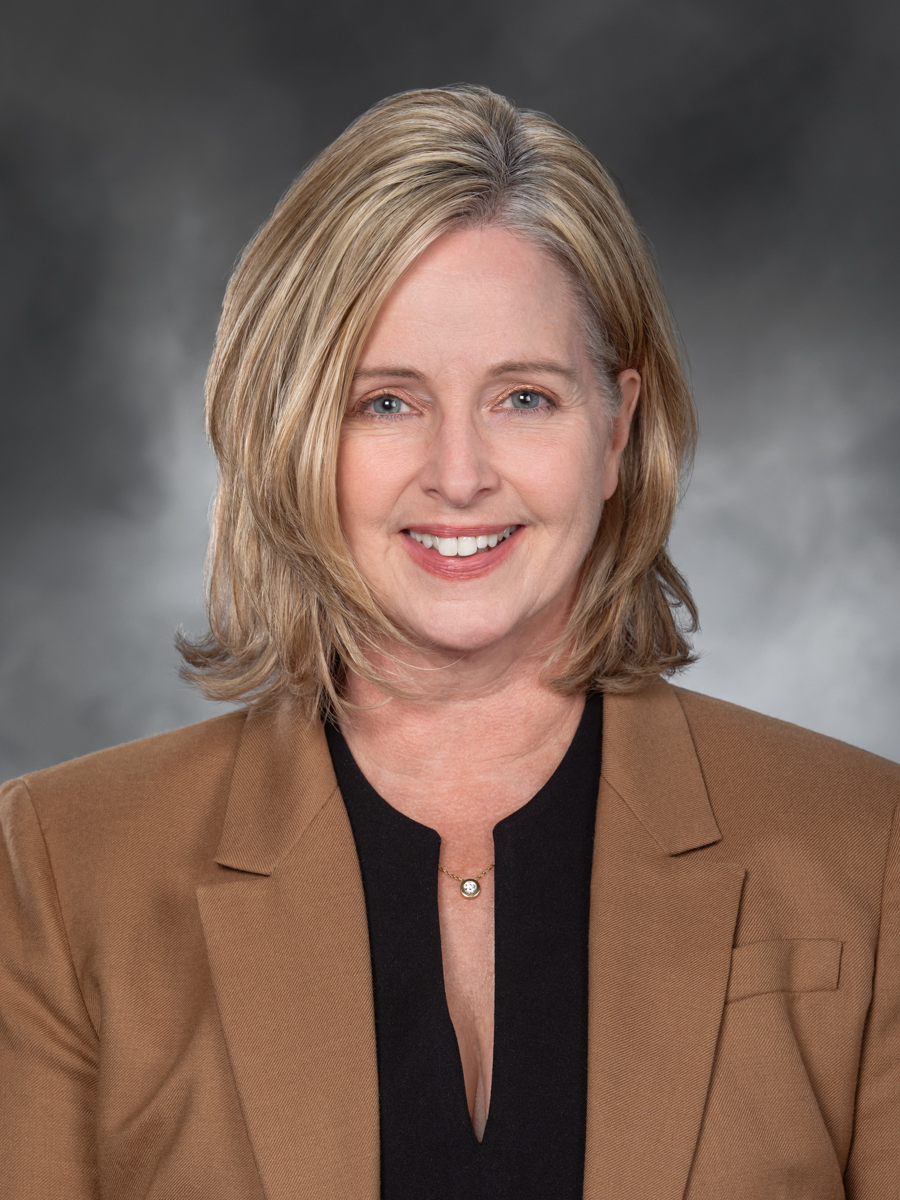
Annette Cleveland
Annette Cleveland Senate · District 49
D
Strong +
88% 125
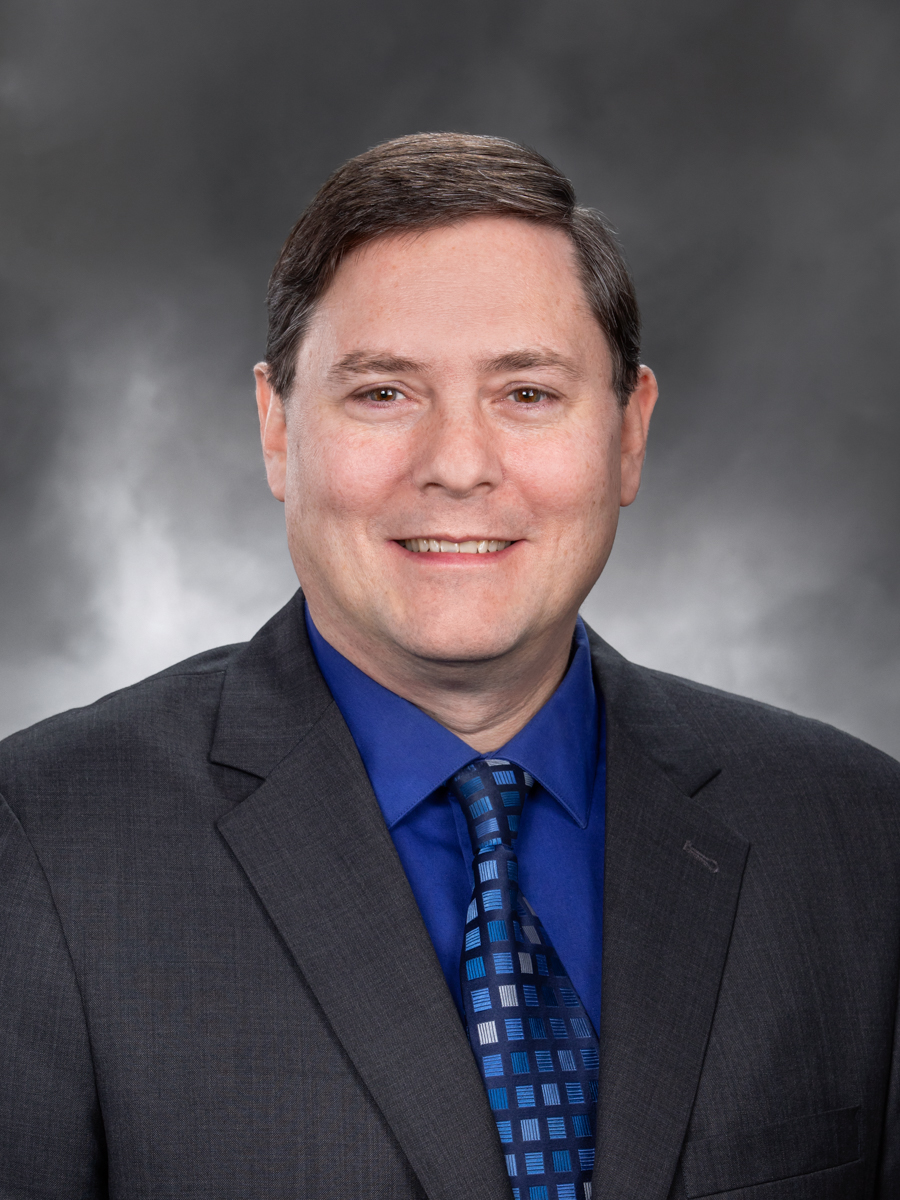
Jess Bateman
Jess Bateman Senate · District 22
D
Strong +
88% 125
Derek Stanford
Derek Stanford Senate · District 1
D
Strong +
88% 125
Jim McCune
Jim McCune Senate · District 2
R
Strong −
16% 125
Perry Dozier
Perry Dozier Senate · District 16
R
Strong −
17% 125
Leonard Christian
Leonard Christian Senate · District 4
R
Strong −
17% 125
Matt Boehnke
Matt Boehnke Senate · District 8
R
Strong −
17% 125
Jeff Wilson
Jeff Wilson Senate · District 19
R
Strong −
18% 121
Showing 331–340 of 366 bills

All criminal justice bills

in committee · Washington · House Jan 12, 2026

HB 1027: Concerning housing of inmates in state correctional facilities.

HB 1027 prohibits housing inmates convicted of sex offenses against victims of the same biological sex as the facility's primary population in certain correctional facilities. Specifically, an inmate cannot be placed in a facility primarily housing people of a different biological sex than their own if they were previously convicted of a sex offense (under RCW 9.94A.030) against a victim whose biological sex matches those primarily housed in that facility. The bill directly affects inmates with specific sex offense convictions who would otherwise be housed in facilities based on the facility's primary population. This policy change mandates facility placement based on the victim's biological sex in the offense, rather than the inmate's gender identity.
Sub-Topics Corrections
in committee · Washington · House Jan 12, 2026

HB 1956: Concerning public defense recruitment and retention.

HB 1956 creates two programs to address Washington's public defense staffing shortage. It mandates a training program for new public defense mitigation specialists and paralegals by June 2027, covering legal standards, ethics, and networking, with outreach to justice-impacted individuals. It also establishes a paralegal support pool to assist contracted attorneys - prioritizing solo practitioners and small firms - with a goal of 10 full-time paralegals by June 2027, requiring similar outreach in recruitment. The bill takes effect July 1, 2026, focusing on concrete recruitment and retention mechanisms for public defense staff.
in committee · Washington · Senate Jan 12, 2026

SB 5364: Modernizing, harmonizing, and clarifying laws concerning sheriffs, chiefs, marshals, and police matrons.

SB 5364 standardizes requirements for Washington sheriffs, police chiefs, and marshals by mandating state law enforcement certification within 12 months of appointment, background checks, and consistent eligibility criteria (including high school diplomas, no felony convictions, and meeting peace officer training standards). It clarifies that volunteers in law enforcement agencies may assist with non-enforcement roles (e.g., search and rescue) but cannot carry weapons or make arrests without certification. The bill repeals outdated "police matrons" provisions and reinforces that sheriffs’ core duty is enforcing state law as interpreted by courts. These changes apply to all cities and towns with law enforcement agencies across Washington.
in committee · Washington · House Jan 12, 2026

HB 1248: Improving the effectiveness of juvenile justice programs by providing ongoing evaluations and clarifying juvenile diversion practices.

HB 1248 requires Washington state agencies to improve juvenile justice programs by establishing ongoing evaluations and clarifying diversion practices. It directs the Washington State Institute for Public Policy and the University of Washington to create clear definitions of "evidence-based" programs, maintain an updated inventory of proven practices, and conduct biennial outcome reviews focused on recidivism rates and cost-effectiveness for funded juvenile justice programs. The bill mandates baseline assessments of current service usage and funding across child welfare, juvenile rehabilitation, and mental health services, with annual reports to lawmakers on strategies to expand evidence-based practices. These changes directly affect juvenile justice programs, state agencies (like DSHS and DCYF), and youth served by these systems, ensuring evaluations consider diverse communities and tribal partnerships.
Sub-Topics Juvenile Justice
signed · Washington · House Apr 22, 2025

HB 1391: Improving developmentally appropriate alternatives for youth outside the formal court process.

HB 1391 aims to improve and expand alternatives for youth outside the formal court process, specifically focusing on diversion programs. The bill intends to strengthen the ability of courts to offer robust diversion services and contract with community providers to deliver these programs. It also updates definitions related to community-based rehabilitation, supervision, and confinement within the juvenile justice system. A key provision modifies the definition of "criminal history" so that cases handled through diversion by a prosecutor will not count against a youth's record.
in committee · Washington · House Jan 12, 2026

HB 1276: Concerning organized retail theft.

HB 1276 (titled "Concerning organized retail theft") actually modifies sentencing guidelines for violent crimes involving firearms or deadly weapons, not retail theft itself. The bill adds mandatory sentence enhancements: 5 years for Class A felonies, 3 years for Class B, and 18 months for Class C when a firearm was used during the crime. These enhancements must be served consecutively to other sentences and cannot be reduced if they exceed statutory maximums. The bill applies to offenders convicted of eligible felonies committed after July 23, 1995, excluding specific weapons offenses like machine guns. Note: The bill’s title is misleading, as it does not address retail theft but focuses on sentencing for firearm/deadly weapon crimes.
Sub-Topics Firearms Sentencing
in committee · Washington · House Jan 12, 2026

HB 1989: Concerning assaults committed against transit employees or contractors.

HB 1989 amends Washington State law to make assaults against transit employees a class C felony. The bill specifically targets assaults occurring while transit workers - such as operators, drivers, supervisors, mechanics, or security personnel - perform their official duties for public or private transit companies. This expands existing assault penalties to include these workers, increasing the offense level from a gross misdemeanor to a felony. The law applies directly to anyone committing such assaults, with no mention of exceptions or additional requirements beyond the worker's duty status.
passed · Washington · House Jan 12, 2026

HB 1218: Concerning persons referred for competency evaluation and restoration services.

HB 1218 aims to improve services for individuals referred for competency evaluations and restoration within the criminal justice system, particularly those with behavioral health needs. The bill expands and clarifies the role of forensic navigators, who courts may appoint to assist these individuals. Forensic navigators help individuals access diversion programs, community outpatient competency restoration services, housing, and medication, while also providing updates to the court and legal parties. The goal is to reduce the demand on forensic mental health facilities by diverting individuals to community-based behavioral health care.
Sub-Topics Courts Mental Health
in committee · Washington · Senate Jan 12, 2026

SB 5446: Establishing the Washington state commission on boys and men.

SB 5446 establishes the Washington State Commission on Boys and Men within the governor's office to address issues affecting boys and men across six focus areas: mental/physical health, education, economic stability, family relationships, the preschool-to-prison pipeline, and court system experiences. The commission, composed of 11 appointed non-legislative members (with diverse representation requirements) and four non-voting legislative advisors, will monitor state legislation, coordinate with other state commissions, gather data, hold public hearings, and submit biennial reports to the legislature and governor. It will work with state agencies and community organizations to identify needs, recommend policy changes, and advocate for removing barriers impacting boys and men. The commission is not authorized to create new programs but will serve as a resource for informing policy decisions based on data and community input.
Sub-Topics Corrections Courts
signed · Washington · Senate May 20, 2025

SB 5388: Concerning department of corrections behavioral health certification.

Senate Bill 5388 revises how behavioral health services, including substance use disorder treatment, are regulated for individuals in Washington state correctional facilities. Rather than requiring these services to be licensed by the Department of Health (DOH), the bill shifts to a monitoring process. The Department of Corrections (DOC) and DOH will jointly establish standards for these services, which the DOH will then monitor through annual inspections for compliance. The DOC must implement these standards by July 1, 2027, with DOH beginning annual inspections and providing technical assistance from that date forward.
Showing 331 to 340 of 366 bills
Previous 1 33 34 35 37 Next