Issue · Criminal Justice

Criminal Justice

Every criminal justice bill, vote, and legislator stance in Washington, automatically classified by Maddy, our AI policy reader.

Total bills
72
2025-2026 Regular Session
Top supporter
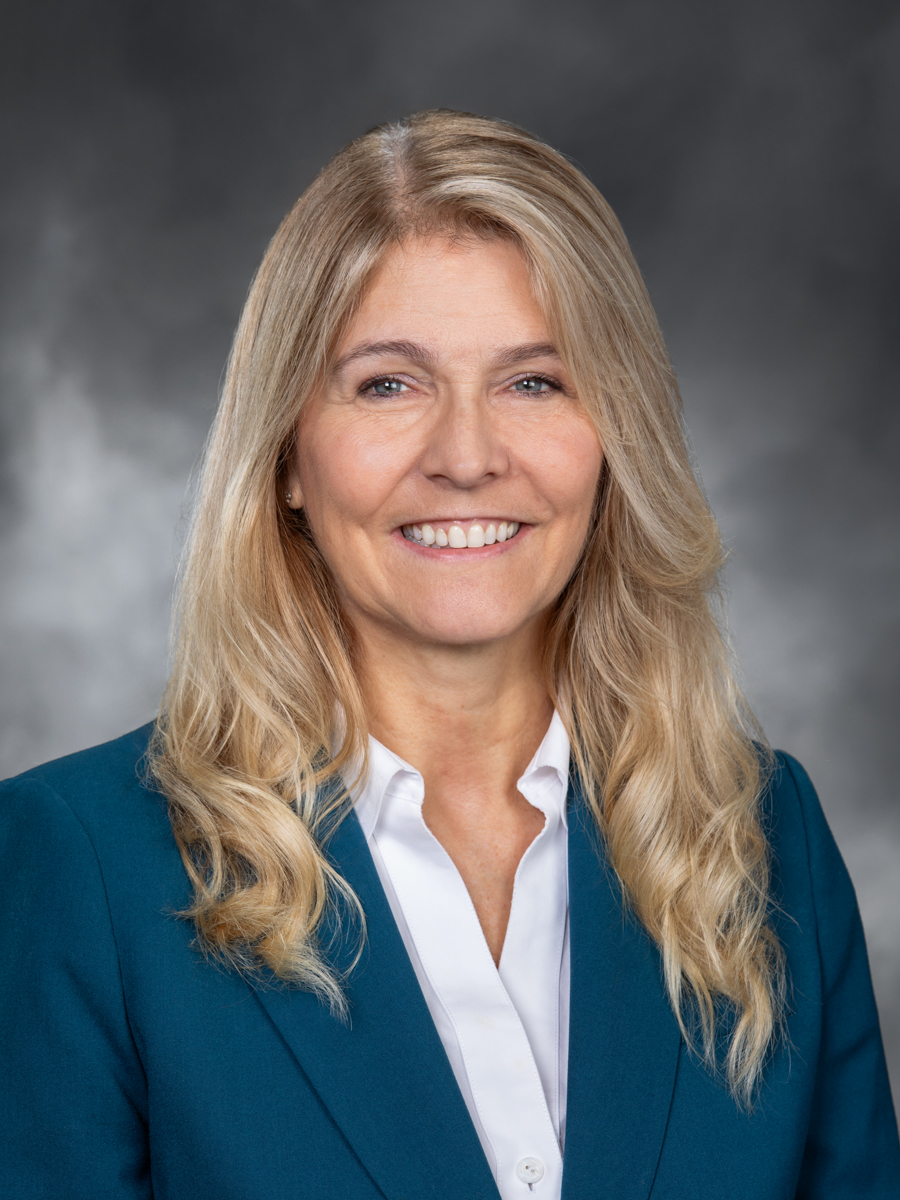
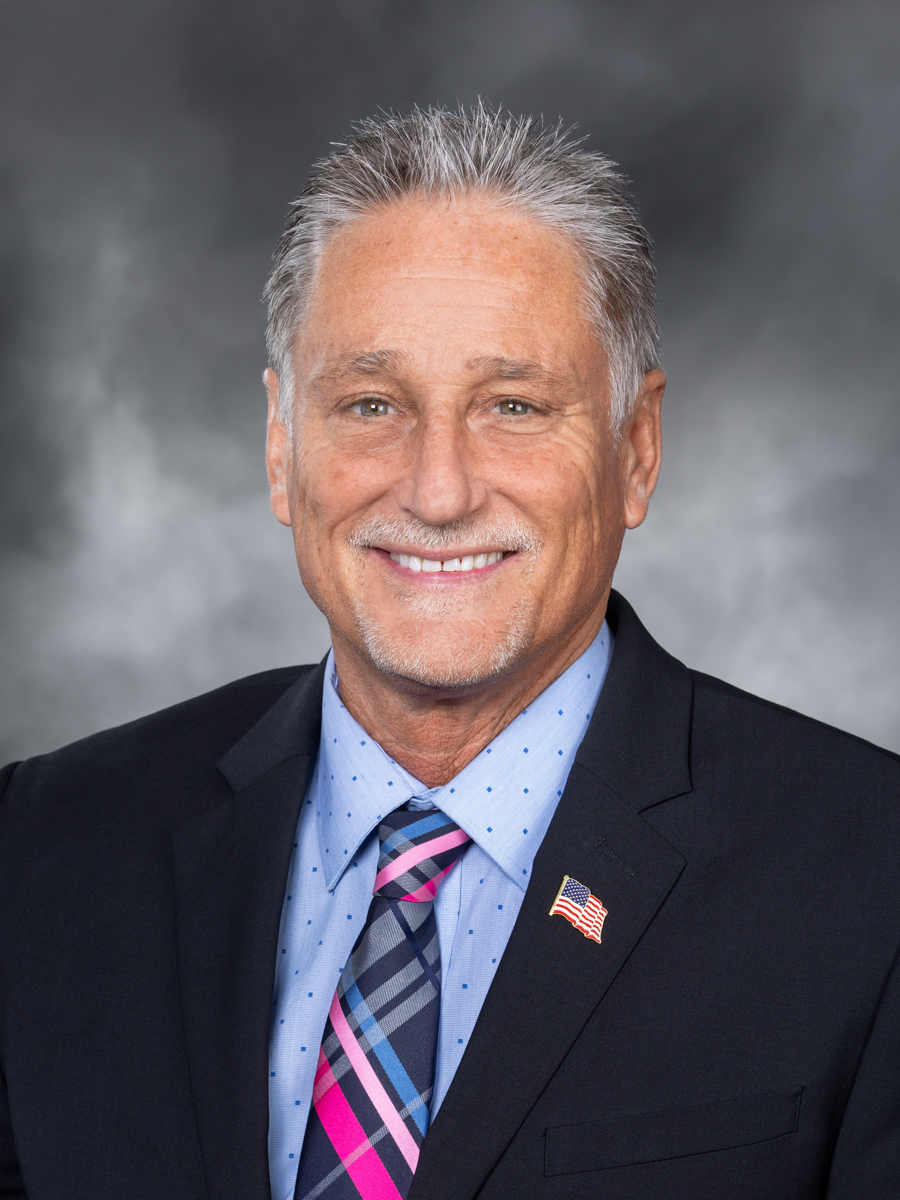
Steve Tharinger
91% support rate
Top opponent
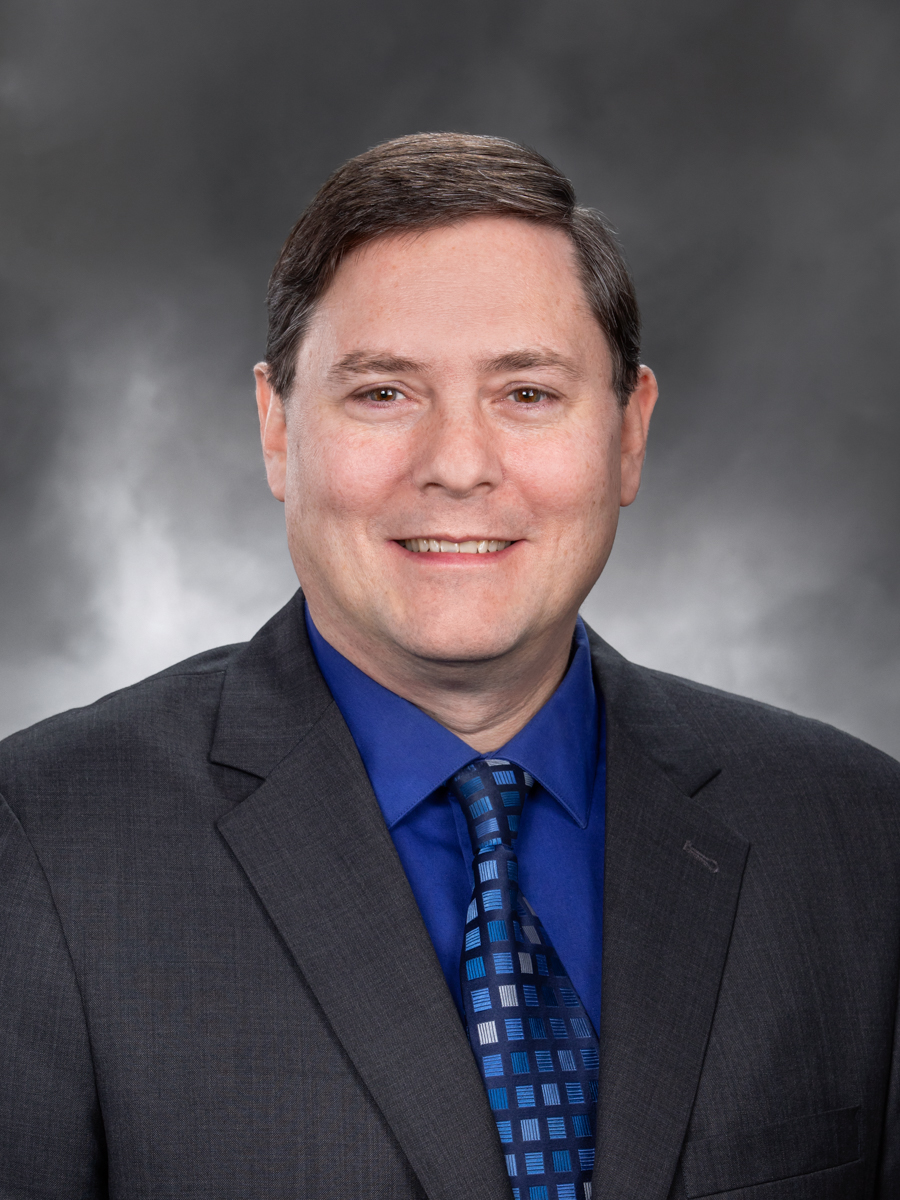
Jim McCune
16% support rate
Ranked legislators
10
5 support · 5 oppose
Key legislators

Who's moving criminal justice in Washington

Legislators moving criminal justice in Washington
Legislator Party Stance Support rate Votes
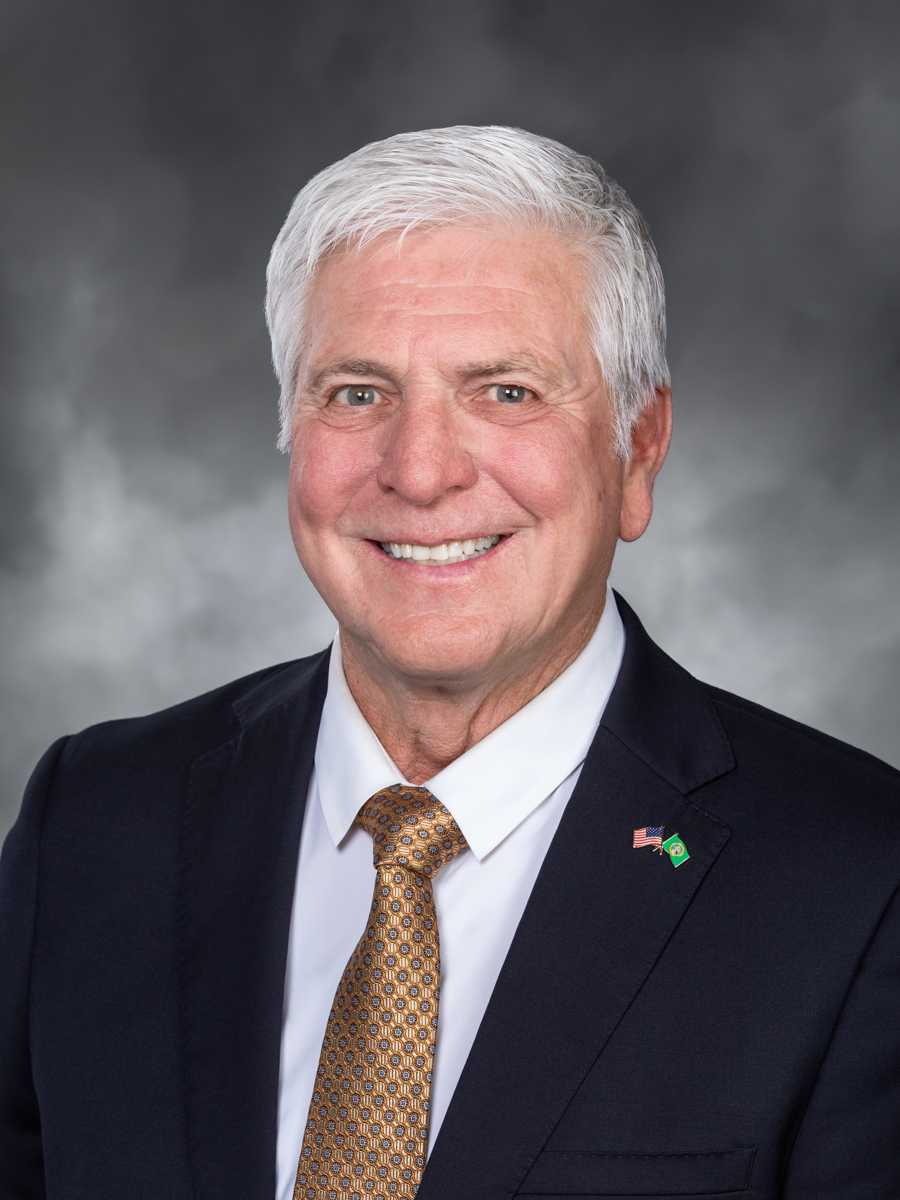
Steve Tharinger
Steve Tharinger House · District 24
D
Strong +
91% 99
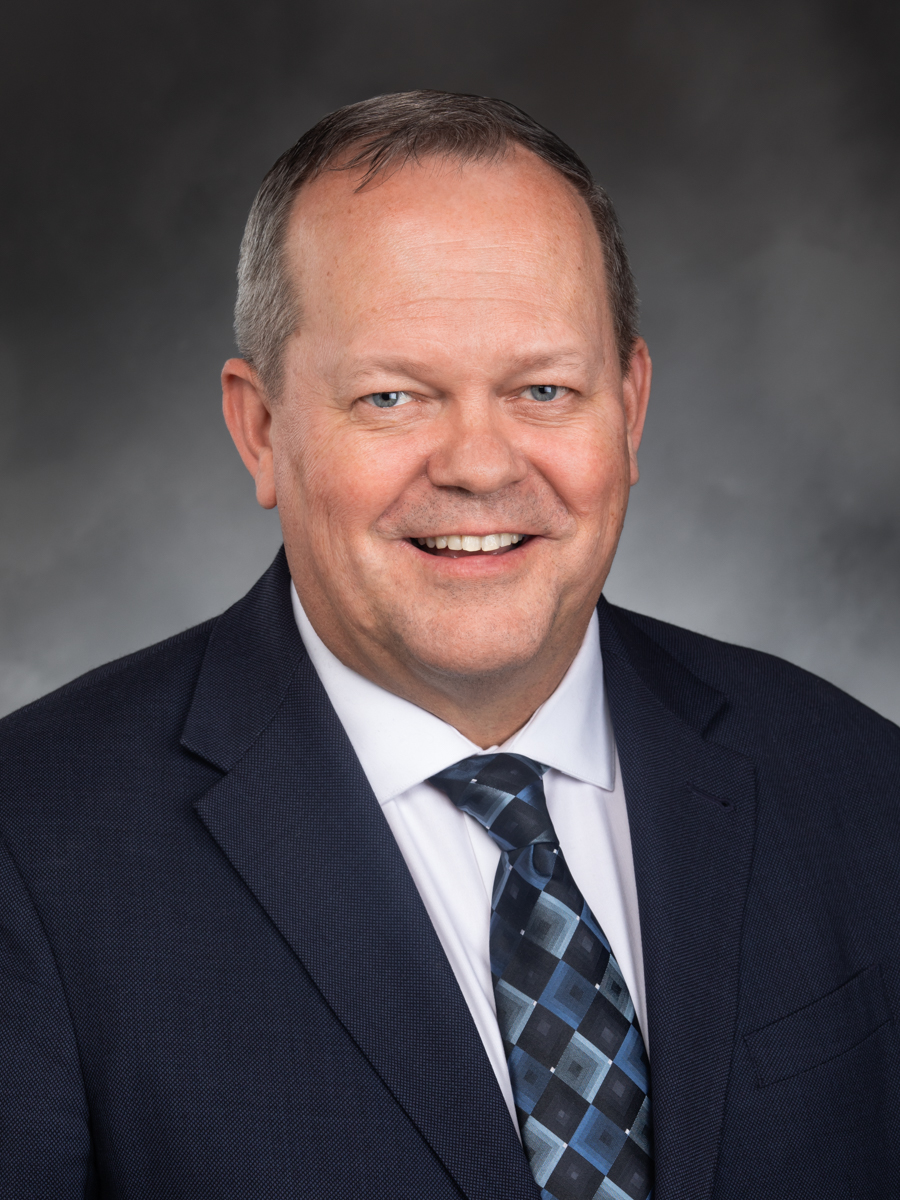
Tina Orwall
Tina Orwall Senate · District 33
D
Strong +
90% 124
Annette Cleveland
Annette Cleveland Senate · District 49
D
Strong +
88% 125
Jess Bateman
Jess Bateman Senate · District 22
D
Strong +
88% 125
Derek Stanford
Derek Stanford Senate · District 1
D
Strong +
88% 125
Jim McCune
Jim McCune Senate · District 2
R
Strong −
16% 125
Perry Dozier
Perry Dozier Senate · District 16
R
Strong −
17% 125
Leonard Christian
Leonard Christian Senate · District 4
R
Strong −
17% 125
Matt Boehnke
Matt Boehnke Senate · District 8
R
Strong −
17% 125
Jeff Wilson
Jeff Wilson Senate · District 19
R
Strong −
18% 121
Showing 1–10 of 72 bills

All criminal justice bills

in committee · Washington · House Feb 5, 2026

HB 2729: Concerning retail theft accountability.

HB 2729, the Retail Theft Accountability Act, mandates a minimum 30-day jail sentence (up to 364 days) and up to $5,000 in fines for repeat offenders convicted of specific property crimes like third-degree theft or possessing stolen goods within two years. It directly affects repeat offenders (18+ with two prior convictions) and aims to protect retail businesses - especially essential stores like grocery and pharmacy outlets - that face closures due to theft. The bill allows courts to offer court-supervised diversion programs (e.g., treatment, job support) instead of jail if participants complete them successfully; failure to complete results in the mandatory sentence. This law takes effect July 1, 2026, to address community safety concerns tied to unsustainable theft losses.
Sub-Topics Corrections Courts
passed · Washington · Senate Mar 12, 2026

SB 5906: Establishing data and personal safety protections within areas of public accommodation for all Washington residents.

SB 5906 is a proposed bill that would protect students and families in Washington state's early learning programs (like child care centers, preschools, and schools) from immigration enforcement activities. It prohibits providers from collecting immigration status information and requires officers to show a warrant before entering school or child care facilities for immigration enforcement. The bill also mandates that providers inform parents about their children's program eligibility regardless of immigration status and distribute "know your rights" materials annually. It directly affects licensed early learning providers and school districts, requiring them to follow these safety protocols while complying with federal law. The bill is currently in the legislative process but has not yet been enacted.
in committee · Washington · Senate Jan 30, 2026

SB 6337: Prohibiting sexually violent predators from being placed in less restrictive alternatives within 500 feet of, or with a sight line to, certain facilities or schools.

SB 6337 prohibits sexually violent predators from being placed in community-based supervision (less restrictive alternatives) within 500 feet of, or with a direct line of sight to, K-12 schools, child care facilities, or recreational facilities. The bill requires courts to impose strict conditions for conditional release, including electronic monitoring with real-time tracking, 500-foot distance restrictions, and sight-line bans from protected facilities. It also mandates that placement decisions follow "fair share" principles to ensure equitable distribution across counties and prevent disproportionate grouping in specific communities. The law directly affects individuals subject to Washington’s sexually violent predator commitment system who seek community-based supervision. These provisions aim to enhance community safety through specific geographic restrictions and individualized supervision conditions.
in committee · Washington · House Jan 26, 2026

HB 2670: Increasing the maximum authorized term of imprisonment for certain gross misdemeanor offenses.

HB 2670 increases the maximum jail term for specific assault offenses from 364 days to 365 days. It directly affects individuals convicted of fourth-degree assault where domestic violence is proven or sexual motivation is found, as defined in RCW 9A.36.041. The bill amends sentencing provisions in RCW 9A.20.021 and 9A.36.041 to raise the maximum imprisonment period for these cases. This change applies only to the specified assault circumstances and does not alter the classification of the offense. The bill was referred to the Community Safety Committee after its first reading on January 26, 2026.
in committee · Washington · House Feb 4, 2026

HB 2526: Concerning prostitution.

HB 2526 redefines "patronizing a person for prostitution" as a crime targeting individuals who pay for sexual activity, with penalties escalating based on prior offenses (gross misdemeanor for first offense, class C felony for two or more prior convictions after April 1, 2026). It imposes mandatory fees on convicted individuals or those entering reduced charges/diversion agreements: $3,000 for first offenses, $5,000 for one prior offense, and $10,000 for two or more prior offenses. Ninety-eight percent of these fees must fund community-based survivor-led services like mental health counseling, housing, and job training, while 2% goes to the Department of Commerce for reporting. The bill also requires courts to establish payment plans for those unable to pay in full and prohibits fee waivers without documented inability to pay.
Sub-Topics Human Trafficking
in committee · Washington · House Jan 12, 2026

HB 2231: Enhancing penalties for felony offenses committed at a postsecondary institution.

HB 2231 would require prosecutors to prove that a defendant wore a mask, hood, or similar face-covering clothing to conceal their identity during a felony crime committed on campus, making it a separate factor for enhanced sentencing. If proven, this would trigger additional penalties under existing sentencing guidelines for felony offenses at public or private colleges, universities, or vocational schools. The bill specifically targets crimes where the defendant attempted to hide their face during the offense or immediate escape, adding this as an aggravating circumstance. It does not change the base sentence ranges but mandates that courts or juries must separately determine if this concealment occurred before applying enhanced penalties. This applies only to felonies committed on postsecondary institution premises, not general criminal cases.
Sub-Topics Sentencing
in committee · Washington · Senate Jan 26, 2026

SB 6307: Concerning correctional facility liability for inmate injuries resulting from voluntary controlled substance use, when lawful intake and medical care requirements are met.

This bill limits state and local government liability for injuries to inmates caused by their voluntary use of controlled substances under specific conditions. It protects correctional facilities (jails, prisons, or similar facilities owned/operated by the state or local government) if they lawfully screened inmates for drugs upon admission, removed any found substances, and the injury resulted from the inmate’s own drug use. Exceptions apply if facility staff provided the drugs or failed to provide medical care when they knew an inmate needed it. The law applies to cases occurring after its effective date and does not affect liability for injuries caused by facility-provided substances.
in committee · Washington · House Jan 26, 2026

HB 2654: Concerning residential restrictions for conditional release to a less restrictive alternative.

HB 2654 sets new conditions for courts approving conditional release (to less restrictive settings like community supervision) for individuals previously committed to secure facilities. It requires courts to mandate electronic monitoring with real-time tracking and a minimum half-mile residential distance from schools, child care, and recreational facilities. The bill also establishes "fair share principles" to prevent disproportionate concentration of released individuals in specific counties, requiring the Department of Corrections to document placement decisions and justify releases outside a person's county of commitment. These changes apply to individuals under conditional release under Washington’s mental health and sex offender commitment laws.
in committee · Washington · Senate Jan 29, 2026

SB 6334: Prohibiting a less restrictive alternative placement from abutting a residence with a minor in the household.

SB 6334 requires courts to prohibit individuals on conditional release (such as those under court-ordered treatment or supervision) from living adjacent to a home where a minor resides. It mandates a minimum 500-foot buffer zone from schools and child care facilities, and requires electronic monitoring with real-time tracking and alerts for exclusion zones. The bill also directs courts to consider "fair share principles" to ensure equitable distribution of such placements across counties and instructs the Department of Corrections to investigate and recommend placement conditions. This applies to individuals subject to conditional release under Washington state law for committed cases, such as those involving mental health or sex offender commitments.
Sub-Topics Corrections Courts
in committee · Washington · Senate Jan 12, 2026

SB 6022: Improving juvenile rehabilitation.

SB 6022 repeals Washington's "JR-25" policy, which extended juvenile rehabilitation jurisdiction to age 25, and amends jurisdiction laws to limit juvenile court authority for certain serious offenses. The bill cites that rehabilitating youth in the juvenile system costs $257,000 annually per person - nearly four times the $76,000 cost in corrections - while the policy contributed to facility overcrowding and safety issues. It specifically revises RCW 13.04.030 to require adult criminal court jurisdiction for 16-17 year olds charged with serious violent offenses (e.g., robbery, rape of a child, or armed offenses) that would qualify as felonies if committed by an adult. This directly affects minors aged 16-17 facing such charges, shifting their cases to adult courts unless prosecutors and courts agree to retain juvenile jurisdiction.
Showing 1 to 10 of 72 bills
1 2 3 8 Next