

Improving the effectiveness of juvenile justice programs by providing ongoing evaluations and clarifying juvenile diversion practices.
HB 1248 requires Washington state agencies to improve juvenile justice programs by establishing ongoing evaluations and clarifying diversion practices. It directs the Washington State Institute for Public Policy and the University of Washington to create clear definitions of "evidence-based" programs, maintain an updated inventory of proven practices, and conduct biennial outcome reviews focused on recidivism rates and cost-effectiveness for funded juvenile justice programs. The bill mandates baseline assessments of current service usage and funding across child welfare, juvenile rehabilitation, and mental health services, with annual reports to lawmakers on strategies to expand evidence-based practices. These changes directly affect juvenile justice programs, state agencies (like DSHS and DCYF), and youth served by these systems, ensuring evaluations consider diverse communities and tribal partnerships.
Bill status
in committee
1 of 4 stages cleared
Introduction
Jan 2026
Committee Review
Floor Vote
Governor
Introduced Jan 12, 2026
Last action Jan 12, 2026
Maddy AI version diff · 1 comparison
What changed between versions
Bill
→
Substitute Bill
·
4 edits
MODERATE
The bill was renumbered and its title updated to reflect sponsorship by the House committee. The primary substantive change is that juvenile justice program evaluations are now restricted to those approved for funding by the block grant oversight committee, narrowing the scope of programs subject to review. Additionally, the age limit for diversion agreements was raised from 18 to 21 years old, extending the program's applicability to older juveniles.
Scope change
The bill's scope regarding program evaluations was narrowed to only include programs approved for funding by the block grant oversight committee. The scope regarding diversion eligibility was expanded to include juveniles up to their 21st birthday.
ELIGIBILITY
The age limit for entering a diversion agreement was increased from 18 to 21 years old, allowing older juveniles to participate in diversion programs.
REQUIREMENT
Juvenile justice program evaluations are now limited to programs that have been approved for funding by the block grant oversight committee, rather than all evidence-based programs.
TECHNICAL
The bill number was changed from H-0393.1 to H-1273.1, and the bill type was updated from 'House Bill' to 'Substitute House Bill' to reflect committee sponsorship.
SCOPE
The act's description was updated to remove the reference to amending RCW 13.40.080, likely because the text for that section was removed in this version.
Floor votes
How they voted
No floor votes recorded yet.
Full legislative history
Actions timeline
Total actions
9
Key actions
3
Committee
5
Jan 12, 2026
Committee
Referred to Early Learning & Human Services.
lower
Jan 12, 2026
Lower · Passed
Rules Committee relieved of further consideration.
lower
Jan 12, 2026
Introduced
By resolution, reintroduced and retained in present status.
lower
Feb 11, 2025
Committee
Referred to Rules 2 Review.
lower
Feb 7, 2025
Lower · Passed
Executive action taken in the House Committee on Early Learning & Human Services at 8:00 AM.
lower
Jan 22, 2025
Lower · Passed
Public hearing in the House Committee on Early Learning & Human Services at 1:30 PM.
lower
1 primary · 0 co-sponsors
Sponsors
Role
Legislator
Party
State
District
P
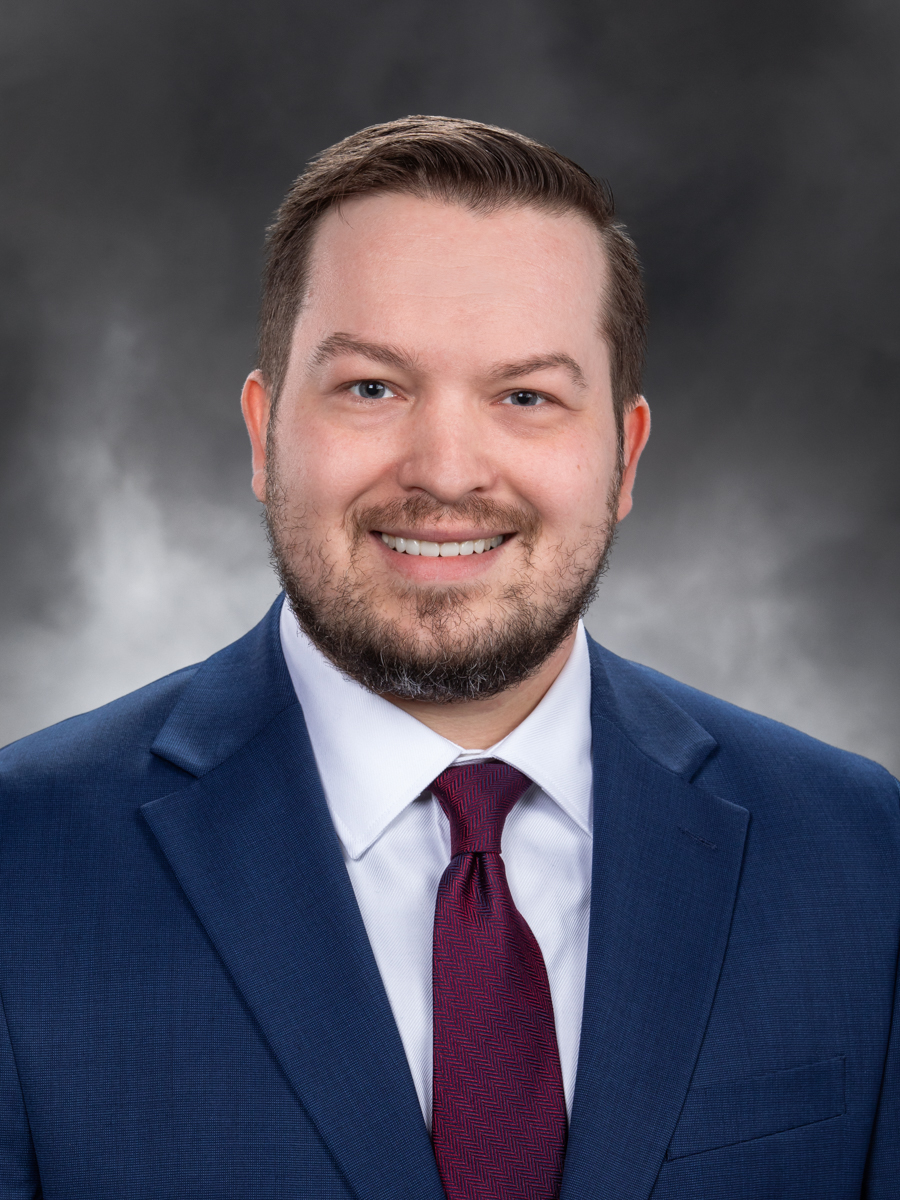
Travis Couture
RRepublican
Ask Maddy
·
AI policy assistant
Ask Maddy about HB 1248
Scope: WA
Hi! I can help you understand HB 1248. What would you like to know?
Try one of these
i
Maddy answers using official bill text and legislative records. Always verify before sharing.
Sources cited inline