Issue · Criminal Justice

Criminal Justice

Every criminal justice bill, vote, and legislator stance in Washington, automatically classified by Maddy, our AI policy reader.

Total bills
366
2025-2026 Regular Session
Top supporter
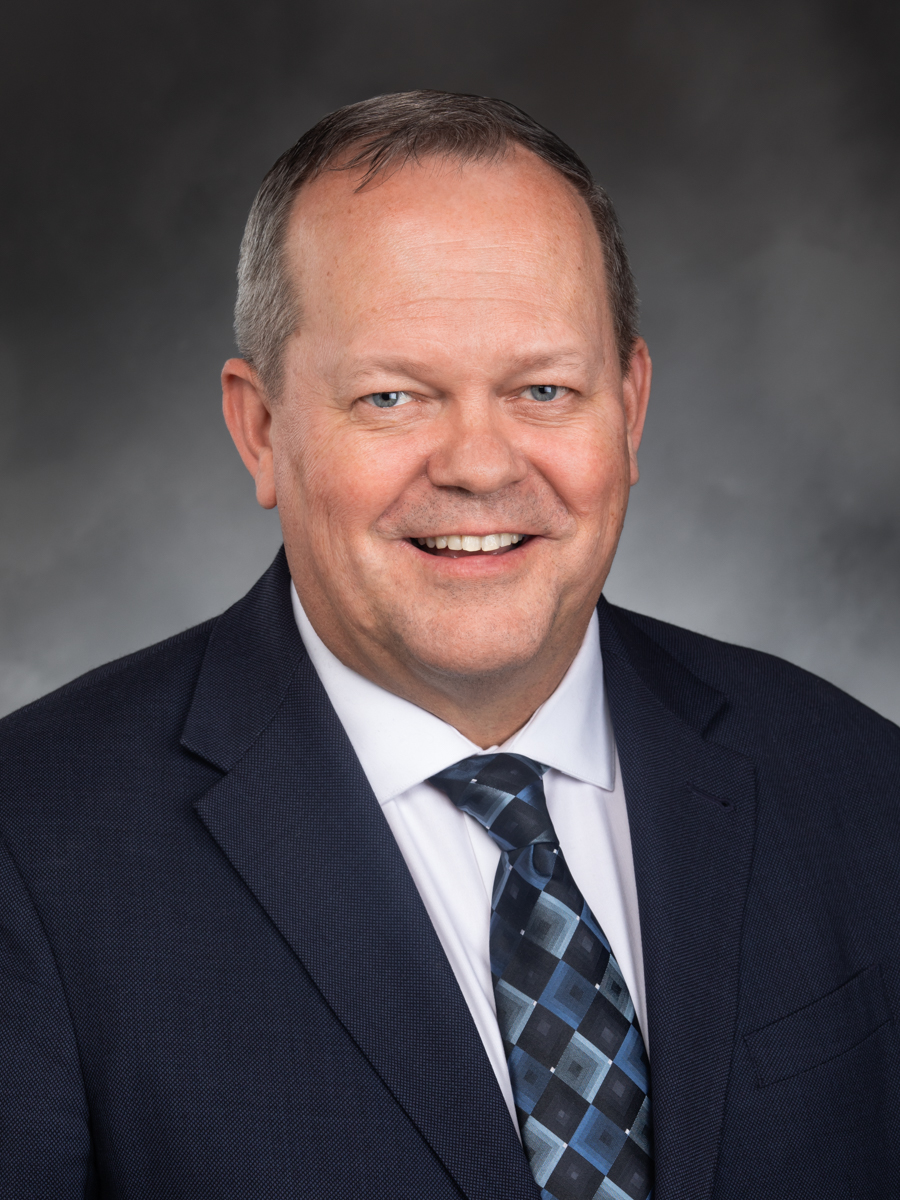
Steve Tharinger
91% support rate
Top opponent
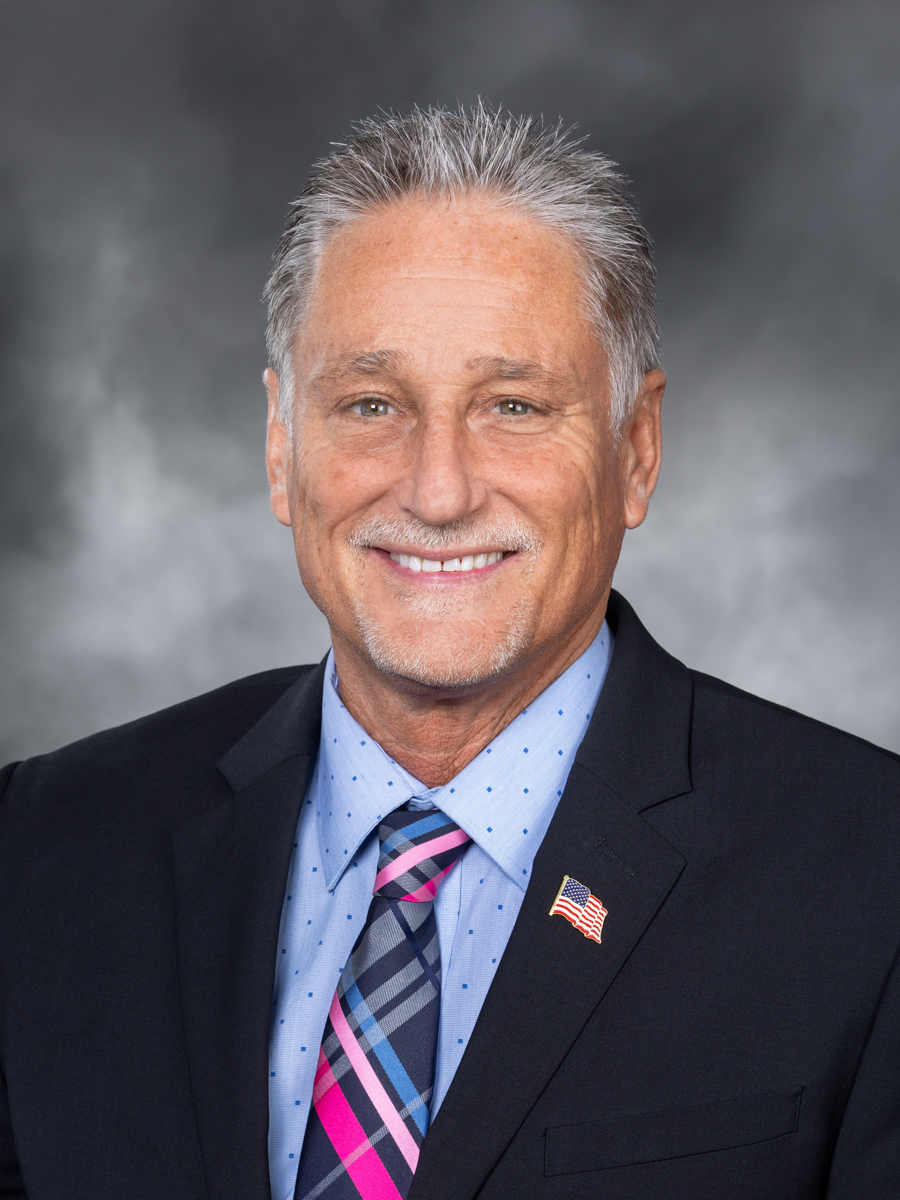
Jim McCune
16% support rate
Ranked legislators
10
5 support · 5 oppose
Key legislators

Who's moving criminal justice in Washington

Legislators moving criminal justice in Washington
Legislator Party Stance Support rate Votes
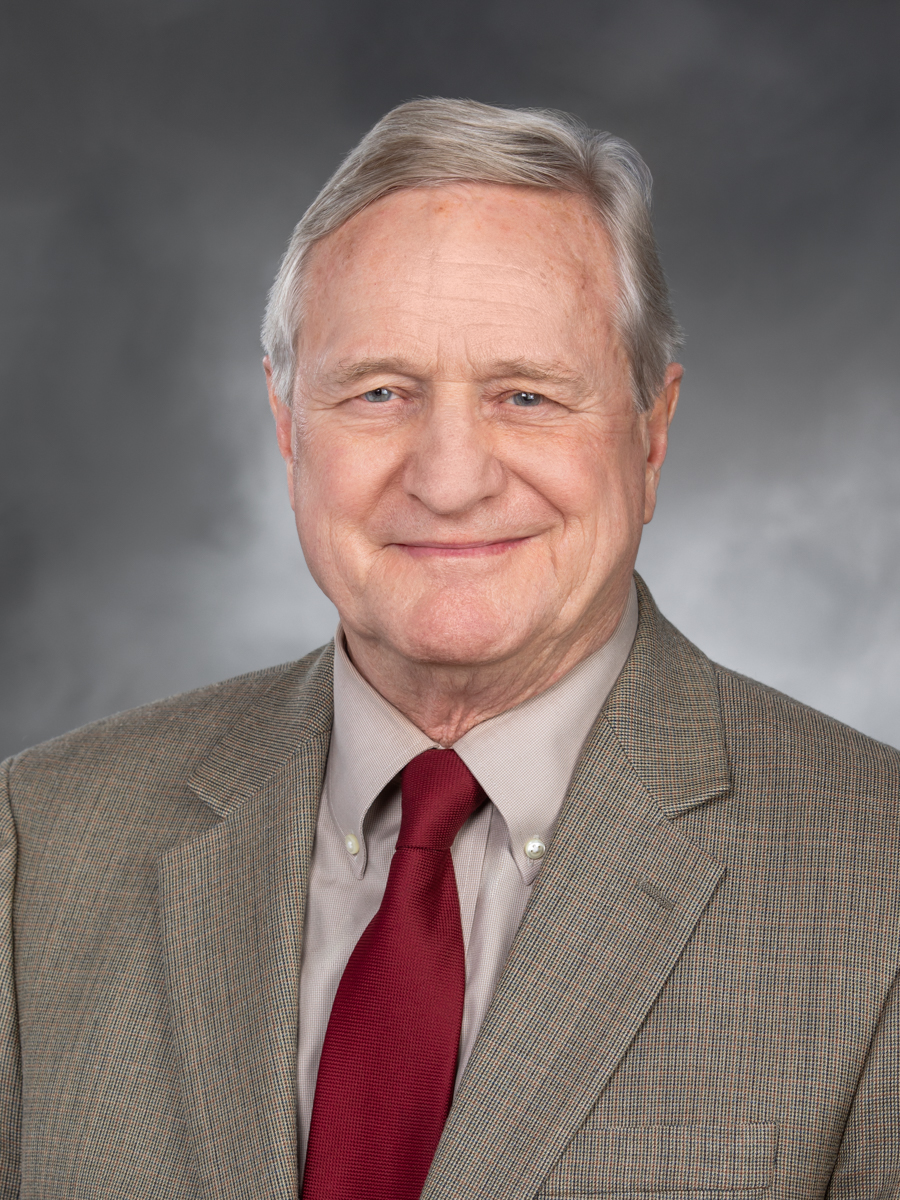
Steve Tharinger
Steve Tharinger House · District 24
D
Strong +
91% 99
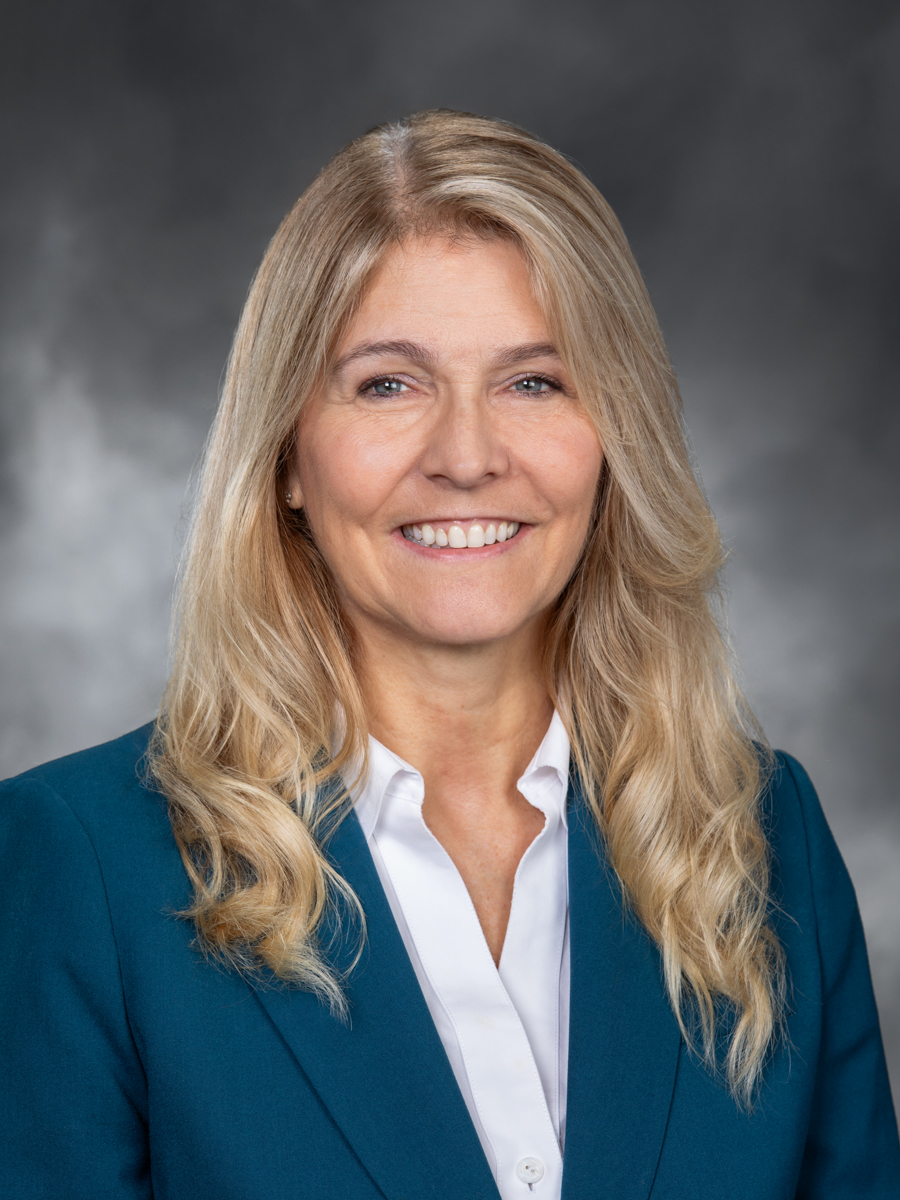
Tina Orwall
Tina Orwall Senate · District 33
D
Strong +
90% 124
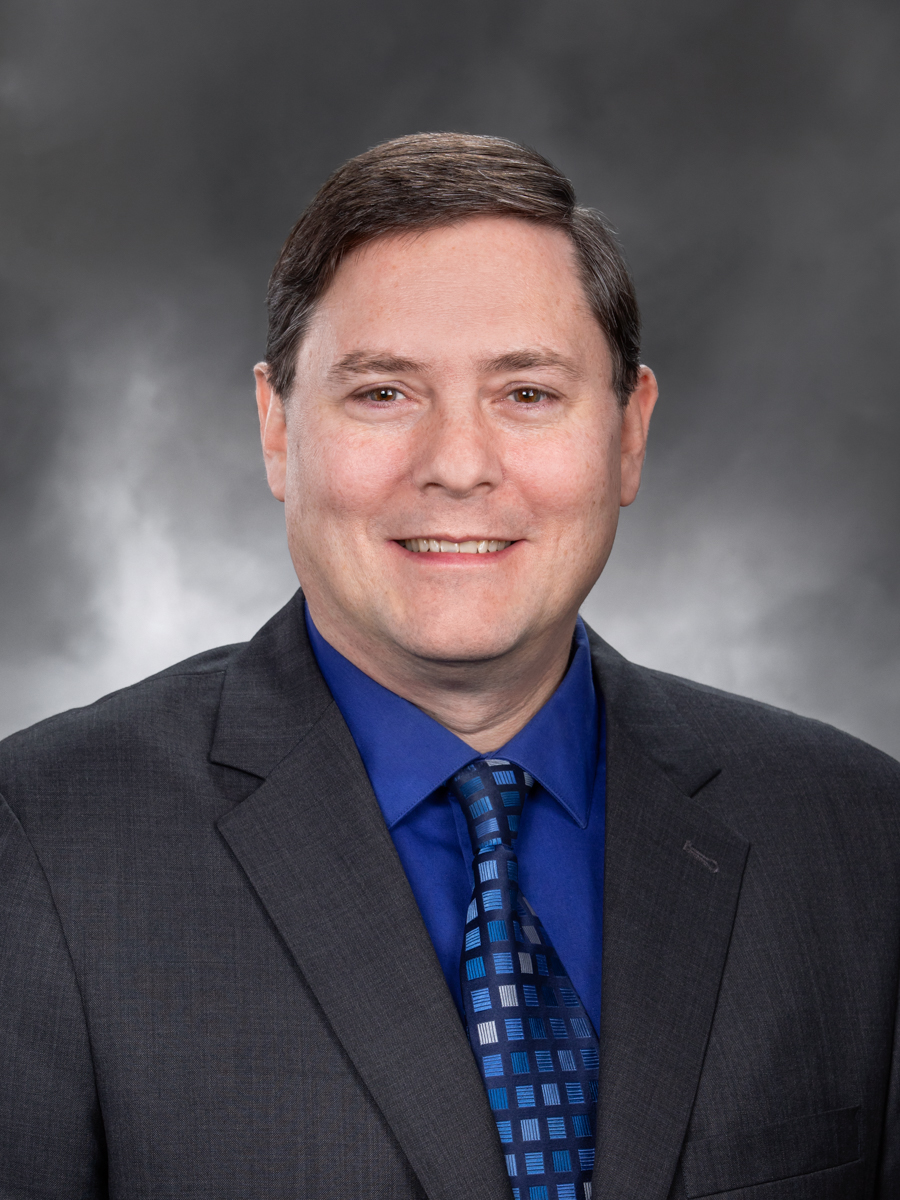
Annette Cleveland
Annette Cleveland Senate · District 49
D
Strong +
88% 125
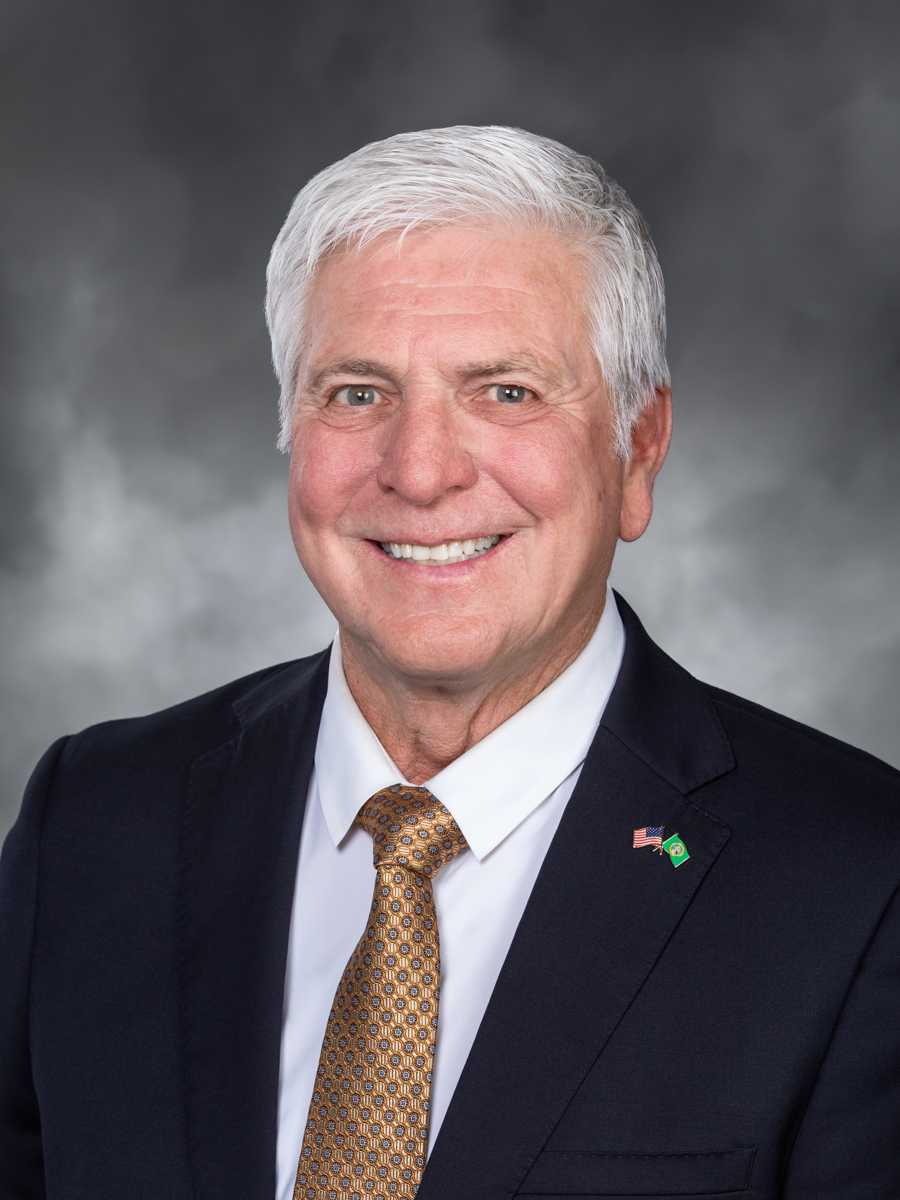
Jess Bateman
Jess Bateman Senate · District 22
D
Strong +
88% 125
Derek Stanford
Derek Stanford Senate · District 1
D
Strong +
88% 125
Jim McCune
Jim McCune Senate · District 2
R
Strong −
16% 125
Perry Dozier
Perry Dozier Senate · District 16
R
Strong −
17% 125
Leonard Christian
Leonard Christian Senate · District 4
R
Strong −
17% 125
Matt Boehnke
Matt Boehnke Senate · District 8
R
Strong −
17% 125
Jeff Wilson
Jeff Wilson Senate · District 19
R
Strong −
18% 121
Showing 361–366 of 366 bills

All criminal justice bills

in committee · Washington · House Jan 12, 2026

HB 1322: Improving outcomes for individuals adjudicated of juvenile offenses by increasing opportunities for community placement options and refining procedural requirements.

HB 1322 in Washington State changes how courts handle juvenile sentencing for youth under 18 found responsible for offenses. It requires courts to make a stronger, evidence-based case before sending youth to confinement for more than 30 days, instead of community-based options. Courts must now consider factors like the youth's age, mental health, developmental needs, criminal history, and whether community supervision could safely meet rehabilitation goals. The bill expands community placement opportunities and limits confinement, directing courts to prioritize less restrictive dispositions unless clear evidence shows community safety would be at risk.
in committee · Washington · House Jan 12, 2026

HB 1139: Promoting public safety and deterring unlawful firearm possession by increasing criminal penalties for unlawful possession of a firearm.

HB 1139 increases penalties for unlawful firearm possession by classifying certain cases as violent crimes, resulting in higher sentencing levels. It mandates immediate jail booking for individuals arrested for violating firearm laws, eliminating the option of release on bail or personal recognizance. The bill directly affects people who possess firearms unlawfully, particularly those with prior violent criminal records. This legislation amends Washington state laws to enhance public safety through stricter enforcement of firearm possession restrictions.
in committee · Washington · House Jan 12, 2026

HB 1512: Improving traffic safety.

HB 1512 establishes a grant program to help low-income drivers address nonmoving traffic violations (like registration or insurance issues) through nonpunitive solutions such as repair vouchers, helmet programs, or community education, rather than fines. It directly affects low-income road users - defined as those on public assistance, WIC, Medicaid, or earning 125% of the federal poverty level - by providing alternatives to financial penalties. The bill also requires police to report detailed stop data (including race, age, and reason for stops) starting in 2026 and clarifies that stops for nonmoving violations can only be secondary to primary offenses like speeding or impaired driving. These provisions aim to reduce racial disparities in traffic enforcement while improving road safety compliance.
in committee · Washington · House Jan 12, 2026

HB 1897: Concerning liability protections for community public safety programs.

HB 1897 creates legal liability protection for community-based public safety programs in Washington State. It shields these programs, their volunteers, and staff from lawsuits when providing core services - like outreach, case management, shelter, housing, or transportation - to individuals experiencing behavioral health crises, complex needs, or past legal system involvement, as long as actions are taken in good faith. The protection specifically covers activities directly tied to the program's purpose of addressing public safety issues as an alternative to jail or prosecution. However, it does not apply to cases of gross negligence or willful misconduct. This bill directly affects organizations responding to unmanaged substance use, mental health challenges, or poverty-related public order issues.
in committee · Washington · House Jan 12, 2026

HB 2036: Concerning persons convicted of violent offenses with a firearm.

HB 2036 prohibits individuals convicted of violent offenses involving a firearm from earning early release credits under Washington's sentencing laws. It directly affects people serving sentences for violent crimes where a firearm was used or involved, as defined by existing law. The bill amends RCW 9.94A.729 to explicitly deny all "good time credits or earned release time" for sentences tied to such offenses. This change modifies current early release eligibility rules, ensuring offenders convicted of firearm-related violent crimes cannot reduce their sentences through earned credits. The policy focuses on restricting sentence reductions for specific high-risk offenses, not altering general sentencing guidelines.
Sub-Topics Firearms Sentencing
passed · Washington · House Jan 12, 2026

HB 1233: Concerning work programs for incarcerated persons.

House Bill 1233, known as the "ending forced labor act," aims to reform work programs for incarcerated persons within Washington State's correctional facilities. The bill updates legal terminology, replacing terms like "inmate" and "offender" with "incarcerated person." While the specific changes to work programs are not detailed in the provided text, the bill's title indicates a focus on ensuring these programs do not constitute forced labor. It also distinguishes between "privileges" earned through good conduct and performance, and services the department is legally required to provide.
Showing 361 to 366 of 366 bills
Previous 1 35 36 37