Issue · Criminal Justice

Criminal Justice (Juvenile Justice)

Every criminal justice bill, vote, and legislator stance in Washington, automatically classified by Maddy, our AI policy reader.

Total bills
49
2025-2026 Regular Session
Top supporter
Steve Tharinger
100% support rate
Top opponent
Dave Stuebe
0% support rate
Ranked legislators
10
5 support · 5 oppose
Key legislators

Who's moving juvenile justice in Washington

Legislators moving juvenile justice in Washington
Legislator Party Stance Support rate Votes
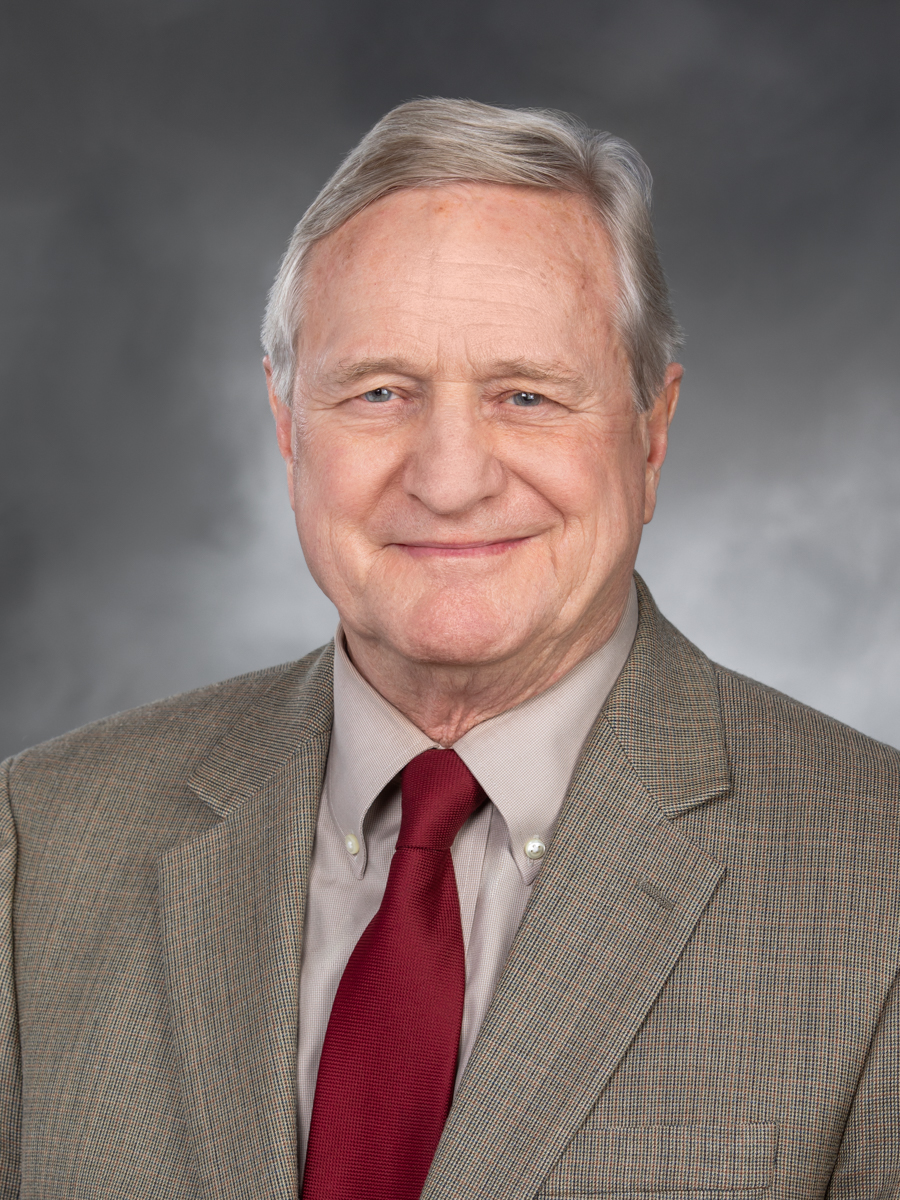
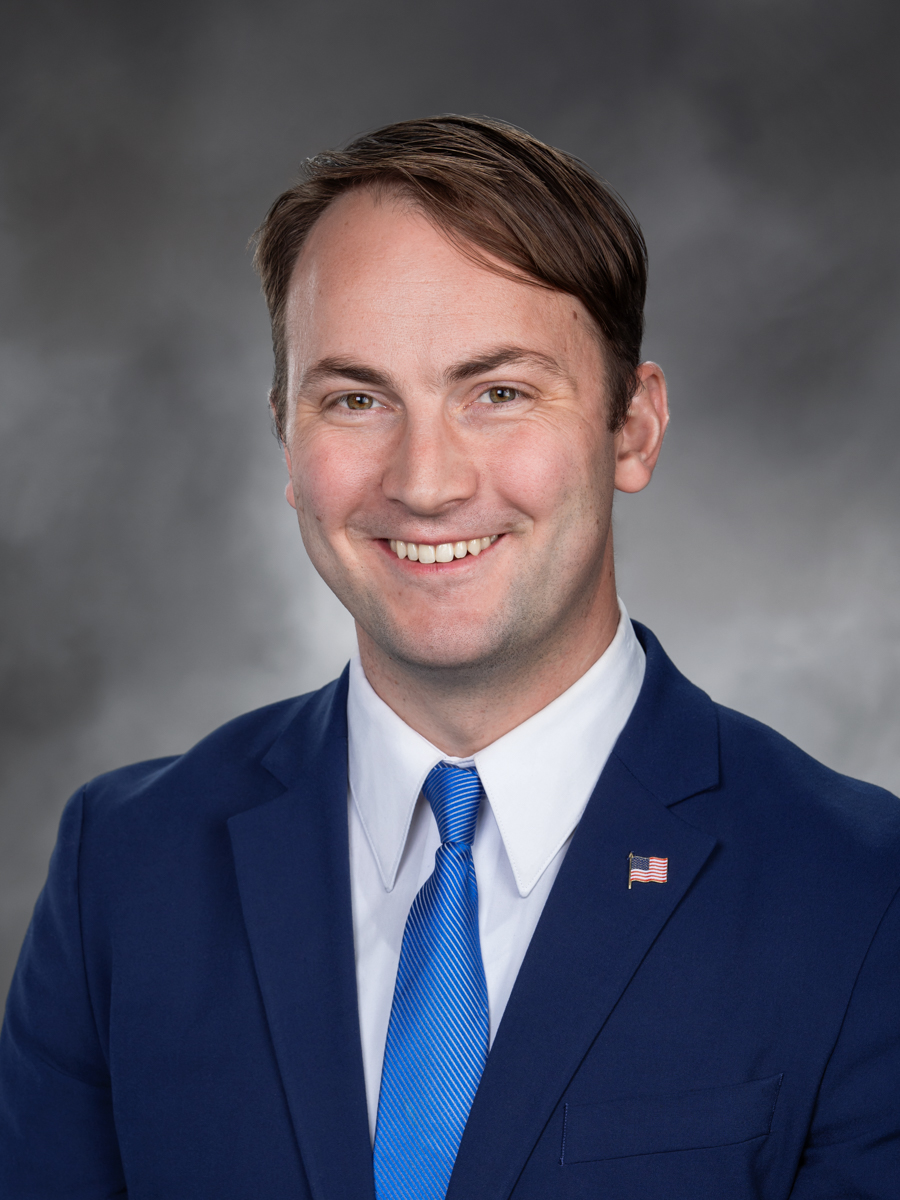
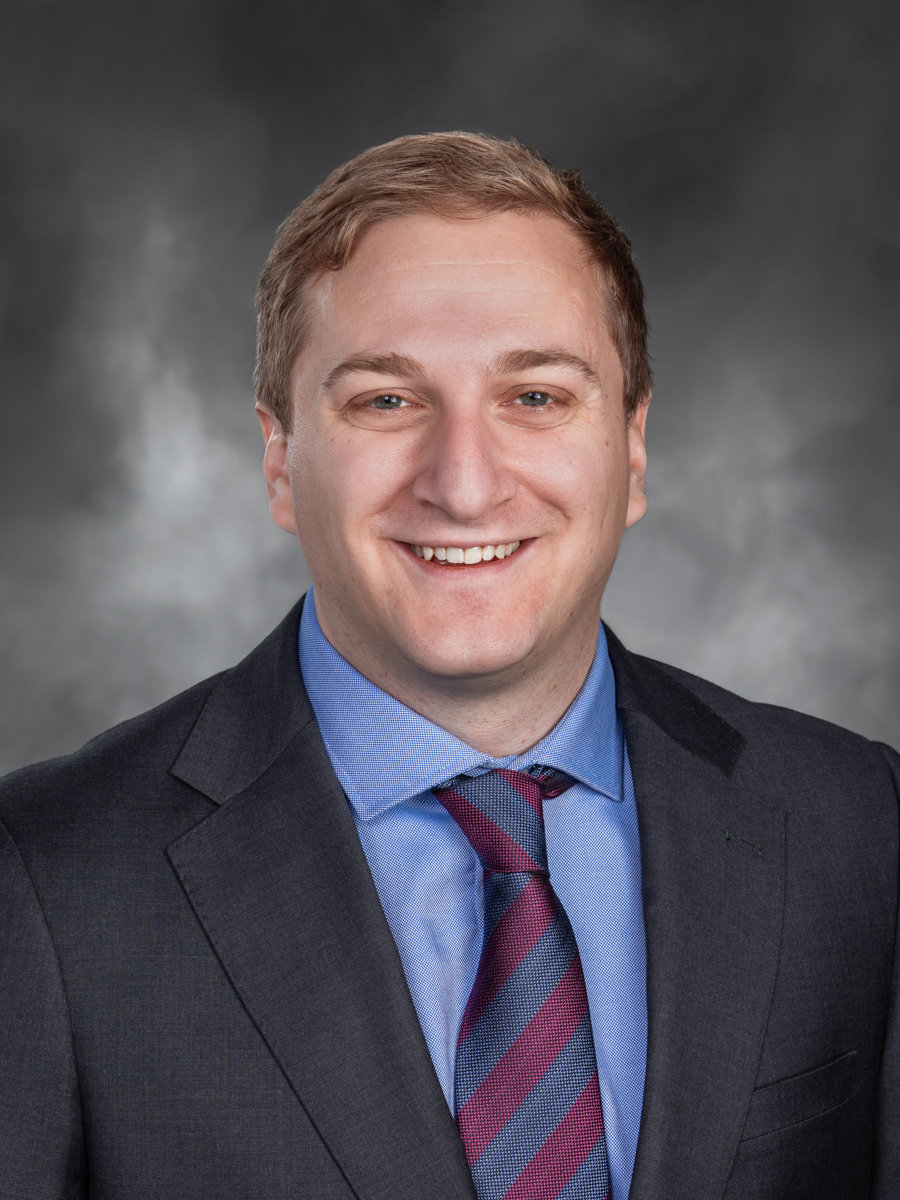
Steve Tharinger
Steve Tharinger House · District 24
D
Strong +
100% 5
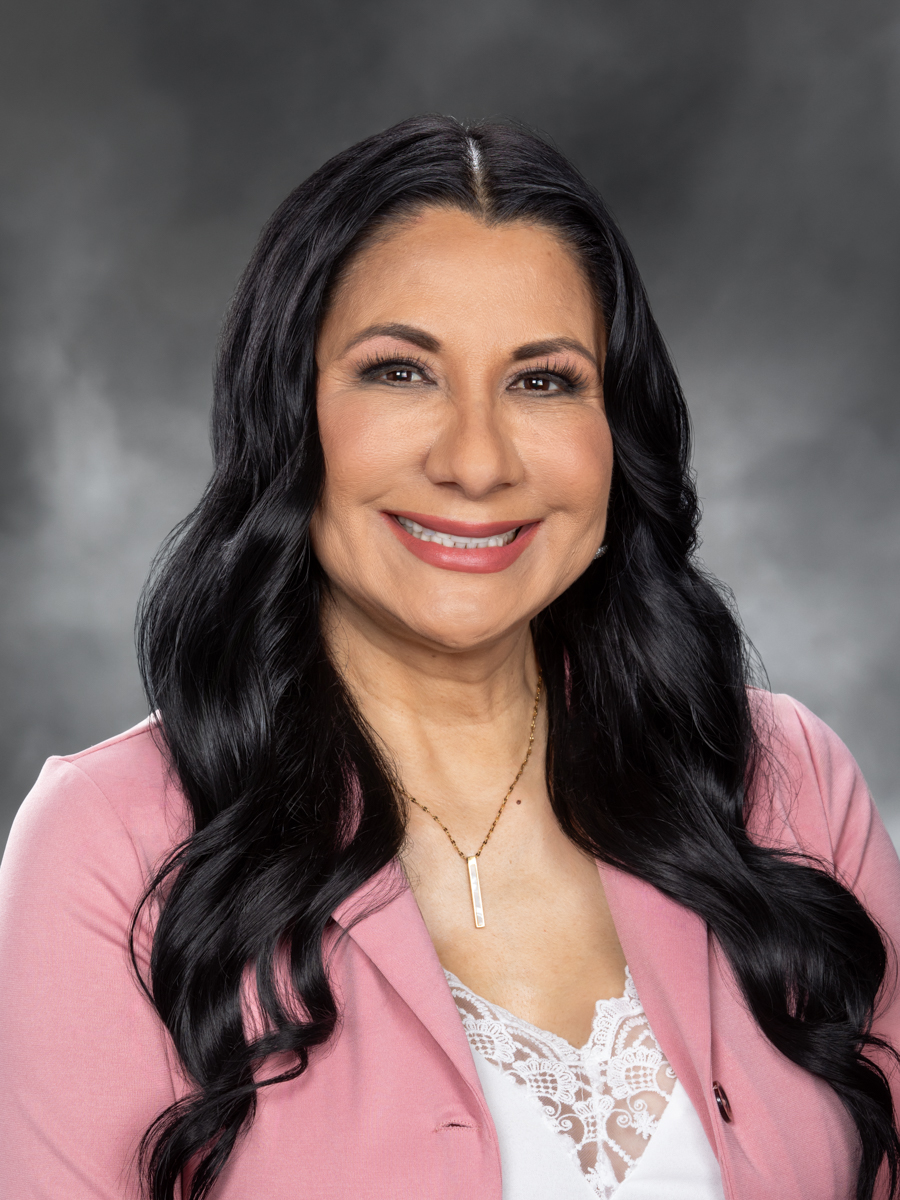
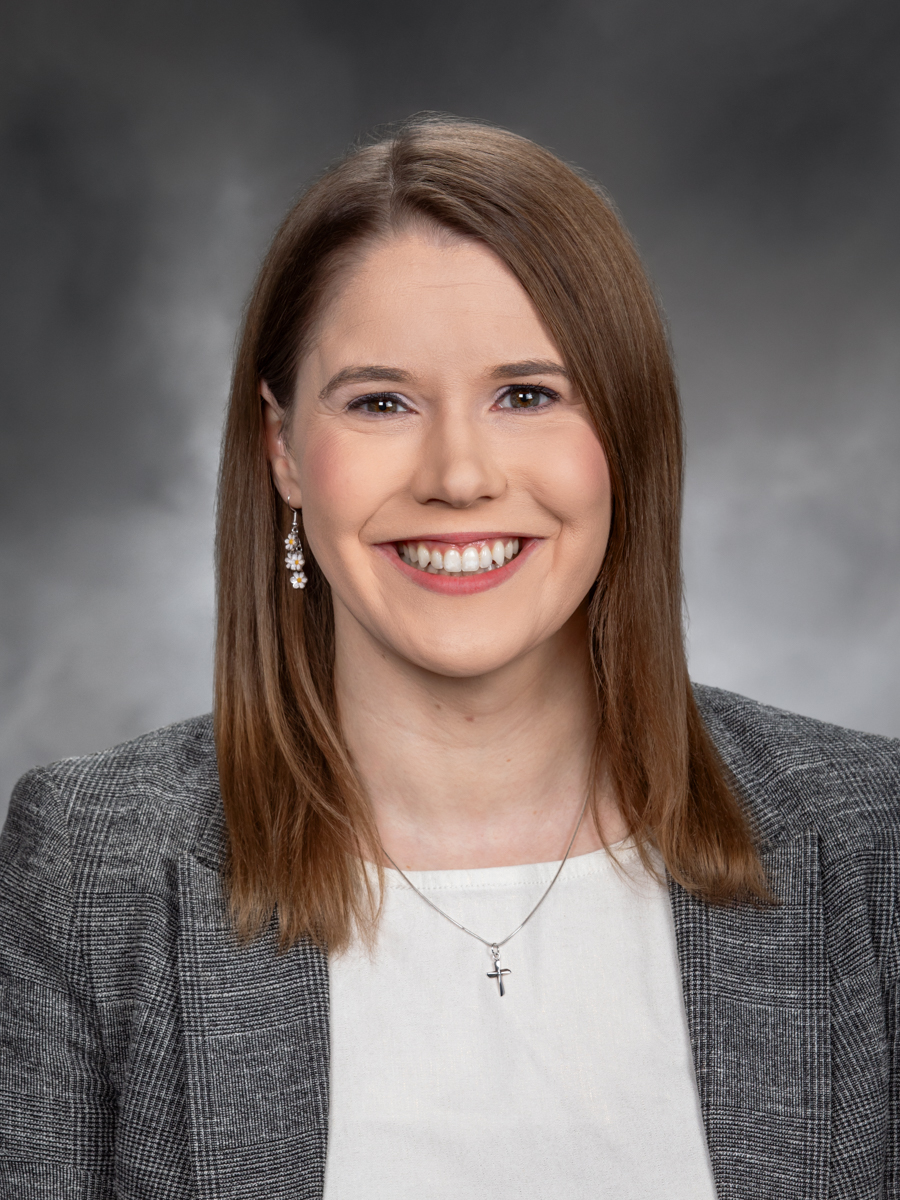
Gloria Mendoza
Gloria Mendoza House · District 14
R
Support
78% 18
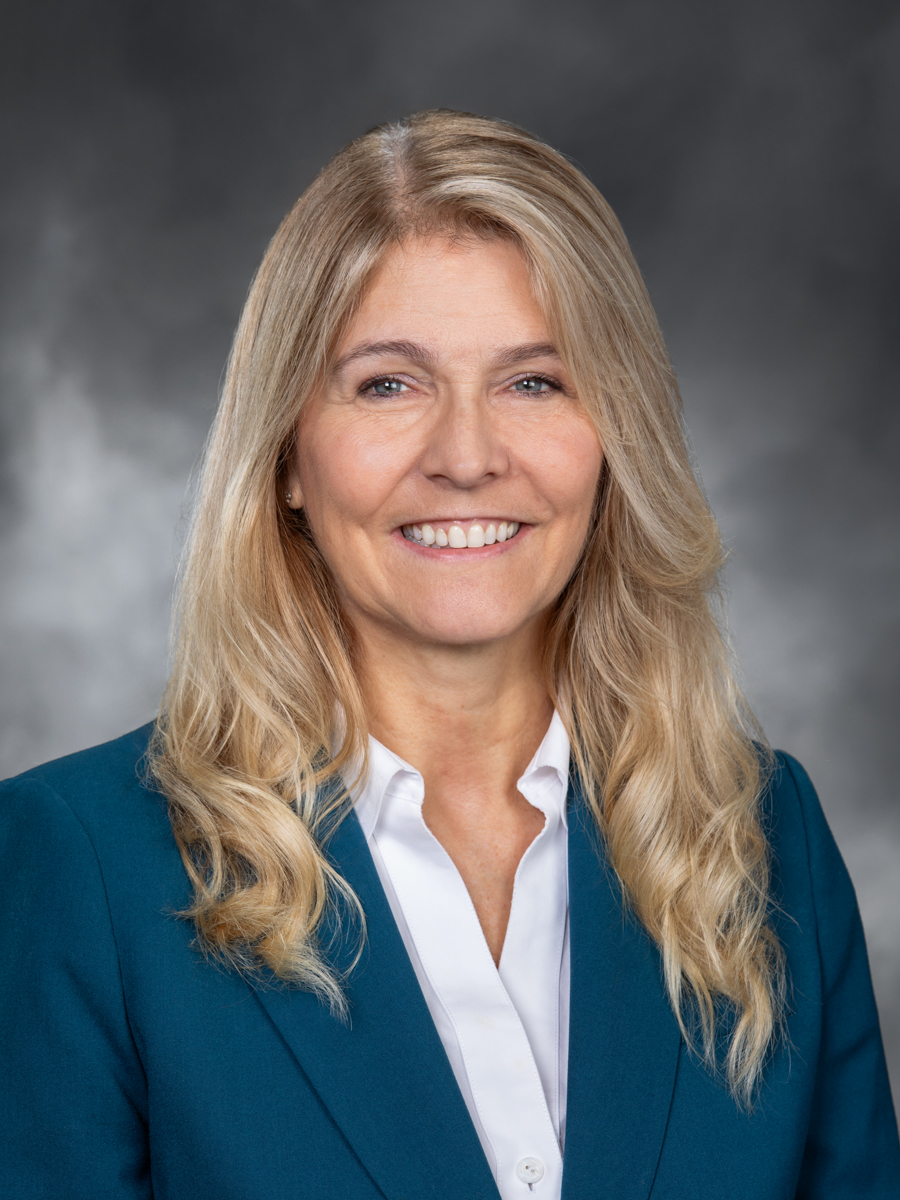
Tina Orwall
Tina Orwall Senate · District 33
D
Support
78% 9
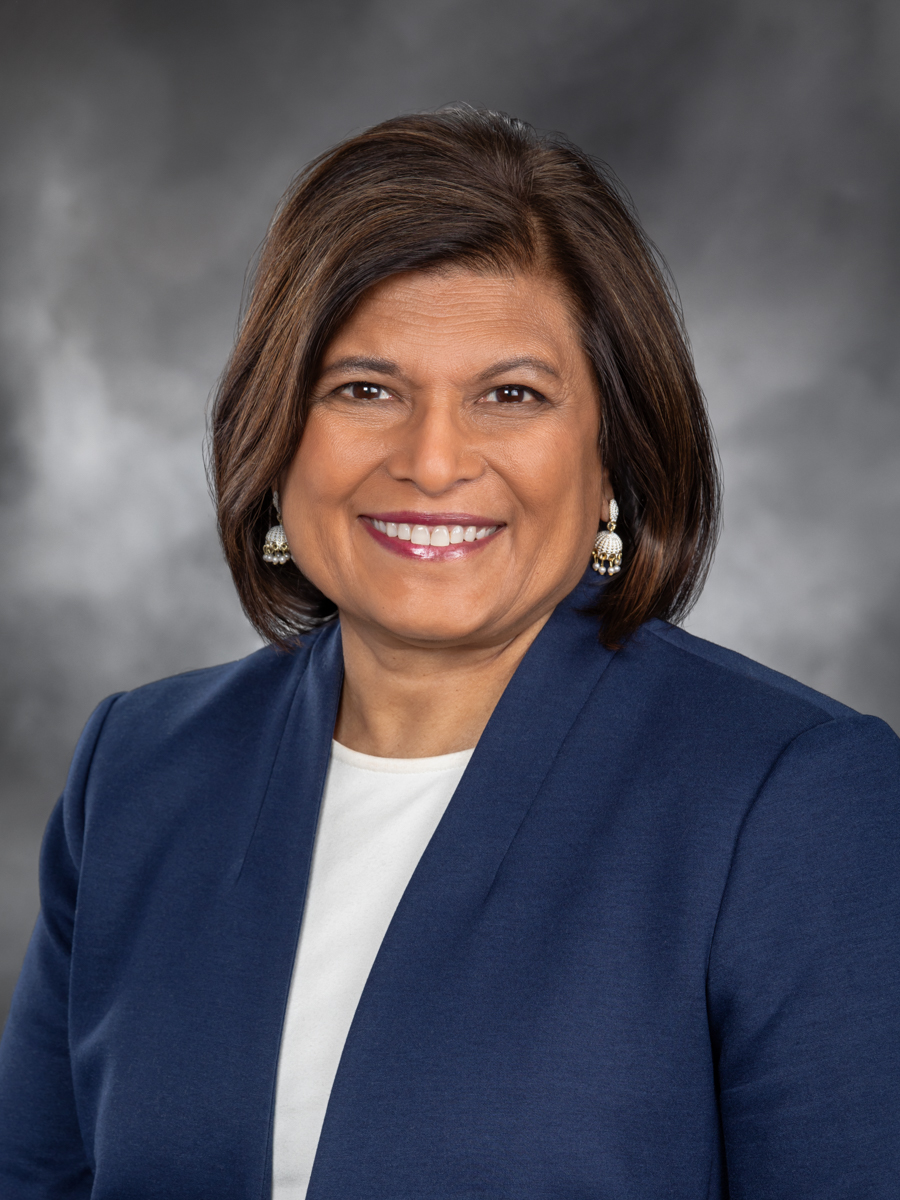
Vandana Slatter
Vandana Slatter Senate · District 48
D
Support
78% 9
Adison Richards
Adison Richards House · District 26
D
Support
75% 20
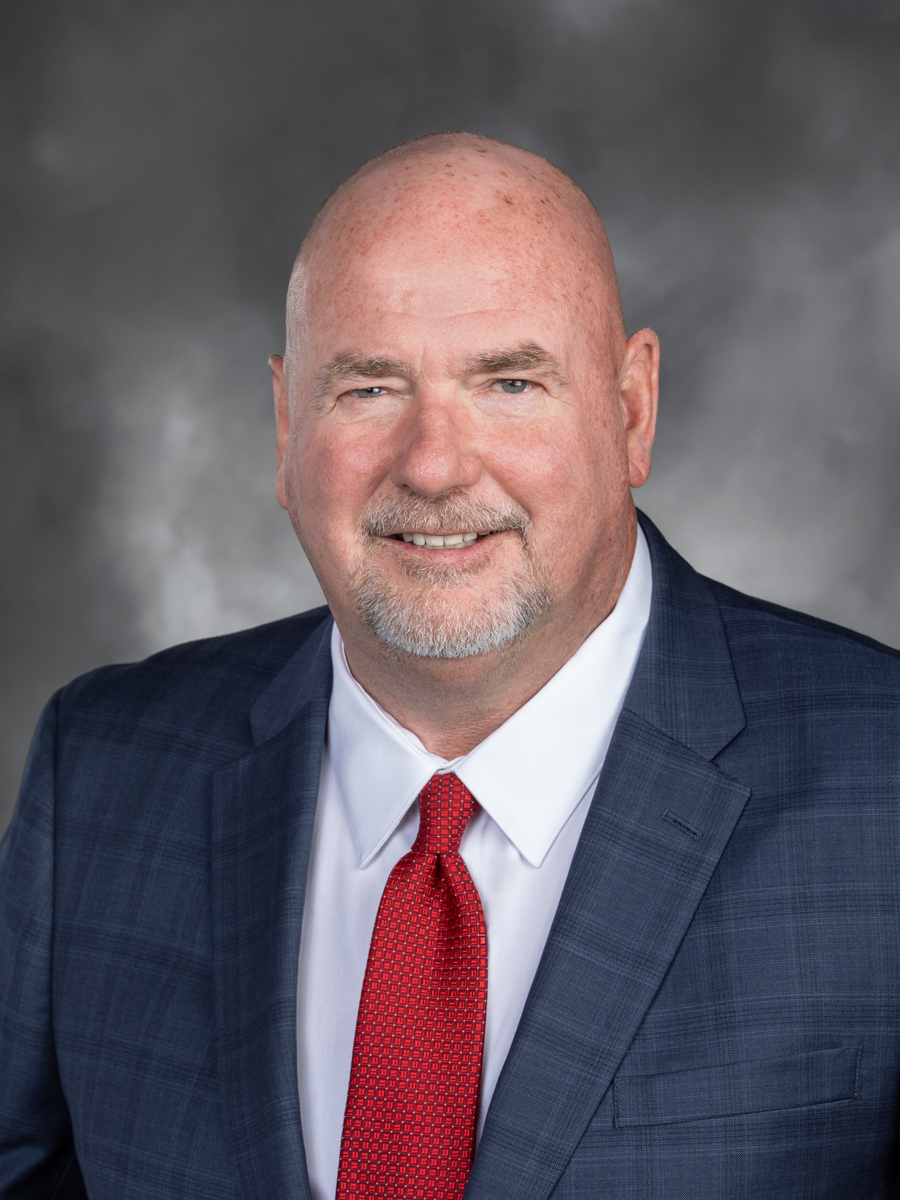
Dave Stuebe
Dave Stuebe House · District 17
R
Strong −
0% 5
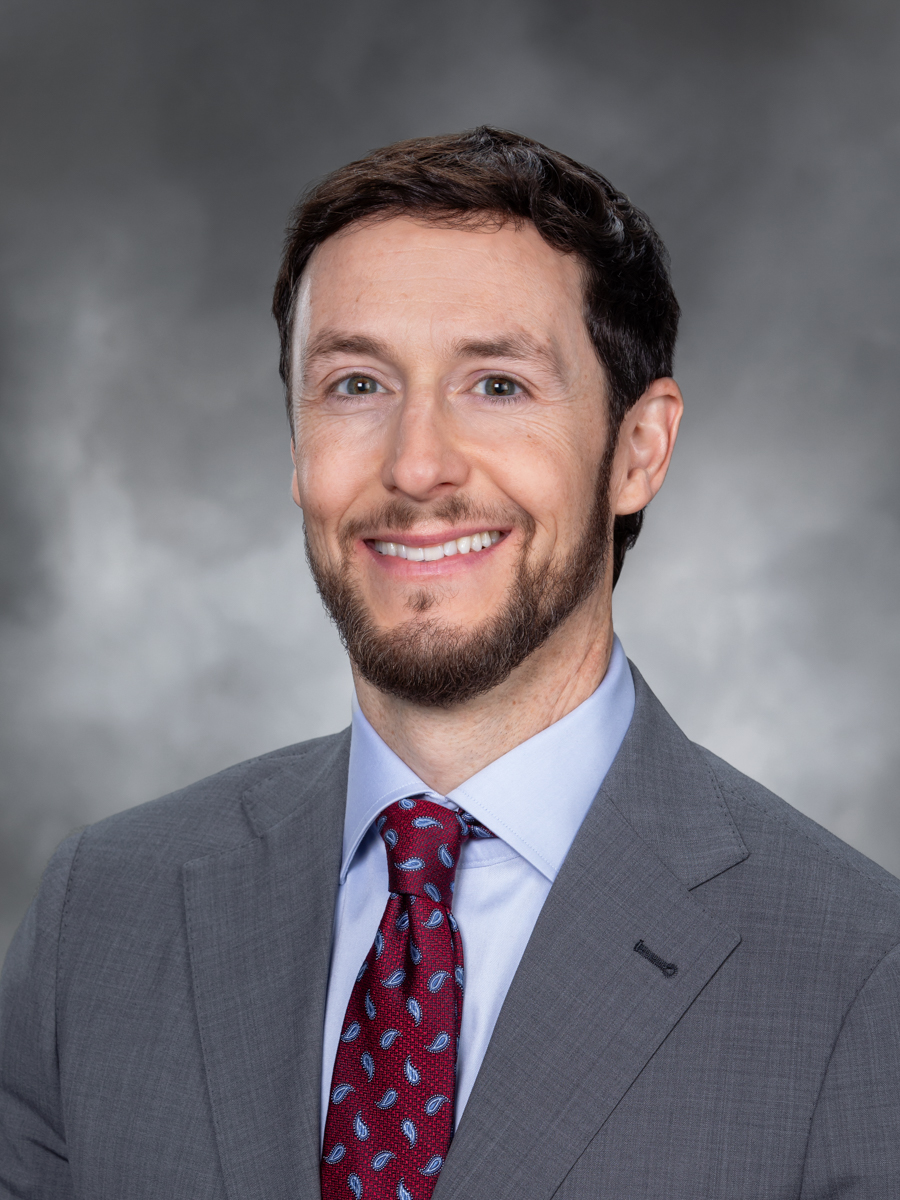
Jeremie Dufault
Jeremie Dufault House · District 15
R
Strong −
0% 5
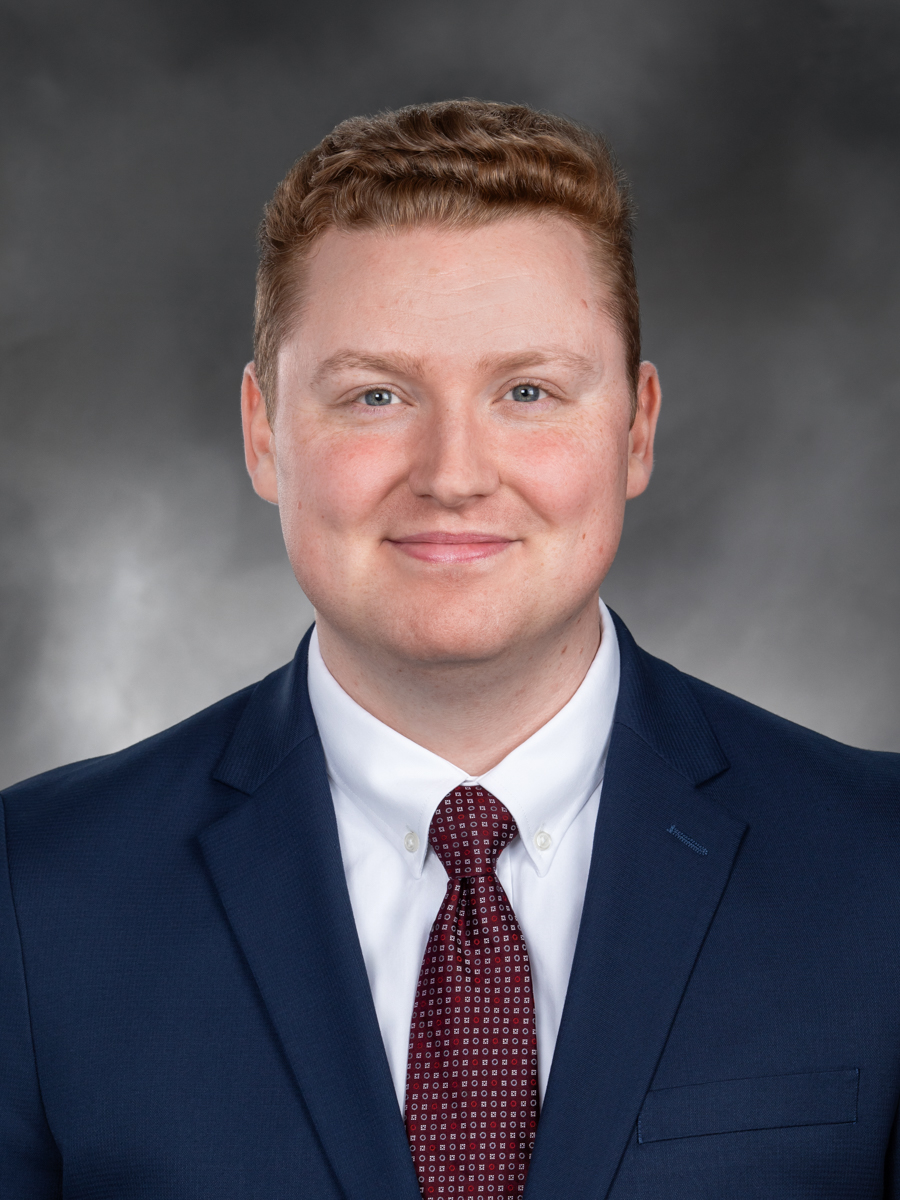
Zach Hall
Zach Hall House · District 5
D
Strong −
12% 16
Adam Bernbaum
Adam Bernbaum House · District 24
D
Oppose
25% 20
Lauren Davis
Lauren Davis House · District 32
D
Oppose
25% 20
Showing 1–10 of 49 bills

All criminal justice bills

in committee · Washington · House Feb 19, 2026

HB 2389: Modifying provisions related to individuals found to have committed criminal offenses when under the age of 18.

HB 2389 modifies Washington state's juvenile sentencing system to reduce racial disparities and replace an outdated 1978 sentencing grid with individualized approaches. It creates new alternatives to confinement for youth offenders, particularly for non-violent offenses like robbery (which disproportionately impacts Black youth), and eliminates mandatory minimums for most cases. The bill requires courts to consider rehabilitation progress and community-based supervision instead of long-term incarceration (over 6 months), which research shows increases health risks without reducing recidivism. It directly affects youth under 18 in Washington's juvenile justice system, aiming to provide equitable sentencing options while reducing reliance on secure confinement.
in committee · Washington · House Jan 26, 2026

HB 2656: Creating a detention facility registry.

HB 2656 creates a public registry for all detention facilities in Washington, requiring them to report specific details like location, capacity, daily occupancy, and contact information. It applies to facilities holding people against their will for legal reasons (e.g., pre-trial, sentencing), excluding juvenile facilities, licensed child care agencies, mental health hospitals, and home detention settings. Facilities must register annually starting January 1, 2027, with failure to comply risking civil penalties up to $1,000 per day. The registry aims to increase transparency about detention conditions while establishing enforcement procedures for non-compliance.
in committee · Washington · Senate Feb 6, 2026

SB 6062: Modifying provisions related to individuals found to have committed criminal offenses when under the age of 18.

SB 6062 modifies Washington's juvenile sentencing laws to reduce reliance on confinement for youth under 18, particularly addressing racial disparities where Black, Latino, and Indigenous youth are overrepresented in juvenile justice systems. The bill replaces the state's 1978 sentencing grid with individualized options, creating new alternatives to jail (like community supervision) for most offenses, while maintaining mandatory confinement only for specific serious violent, sex, or firearm-related offenses. It specifically targets robbery cases - which make up one-third of youth in juvenile prison - and limits mandatory confinement terms to address overcrowding and health impacts of long stays. The law aims to give courts more flexibility to prioritize rehabilitation and equity, without changing the legal standards for the most serious offenses.
in committee · Washington · Senate Jan 12, 2026

SB 6022: Improving juvenile rehabilitation.

SB 6022 repeals Washington's "JR-25" policy, which extended juvenile rehabilitation jurisdiction to age 25, and amends jurisdiction laws to limit juvenile court authority for certain serious offenses. The bill cites that rehabilitating youth in the juvenile system costs $257,000 annually per person - nearly four times the $76,000 cost in corrections - while the policy contributed to facility overcrowding and safety issues. It specifically revises RCW 13.04.030 to require adult criminal court jurisdiction for 16-17 year olds charged with serious violent offenses (e.g., robbery, rape of a child, or armed offenses) that would qualify as felonies if committed by an adult. This directly affects minors aged 16-17 facing such charges, shifting their cases to adult courts unless prosecutors and courts agree to retain juvenile jurisdiction.
in committee · Washington · House Jan 15, 2026

HB 2506: Requiring certain persons to be in full compliance with sex offender and kidnapping offender registration requirements.

HB 2506 modifies Washington's sex offender registration rules by allowing certain individuals to stop registering after meeting specific conditions. It sets a 10-year community compliance period (without new crimes or registration violations) for most class C felony offenders, a 15-year period for more serious offenses, and a 3-year period for juvenile offenders. County sheriffs must verify full compliance before removing names from registries, and courts can grant relief petitions under these terms. This directly affects people previously required to register under Washington law for sex or kidnapping offenses.
Sub-Topics Juvenile Justice
in committee · Washington · Senate Jan 12, 2026

SB 6021: Reducing introduction of contraband into Green Hill school.

SB 6021 requires the Washington Department of Children, Youth, and Families to implement a body scanner program at Green Hill school (a state juvenile rehabilitation facility) to detect contraband like drugs and cell phones. The program mandates scanners capable of finding hidden items under clothing, with gender-responsive policies for screenings of employees, visitors, contractors, and inmates, while prioritizing radiation safety and alternative searches for vulnerable individuals. It also requires substance use disorder assessments and treatment for inmates with detected contraband, and annual reporting on scan results, contraband types, and treatment referrals. The bill directs the department to use existing funding and equipment, with no new costs specified, to comply with these requirements.
Sub-Topics Juvenile Justice
signed · Washington · Senate Apr 1, 2026

SB 5998: Making 2025-2027 fiscal biennium supplemental operating appropriations.

SB 5998 adjusts funding for Washington State's 2025-2027 fiscal biennium by increasing appropriations for the House of Representatives ($200,000 for FY2026), Senate ($20,000 for FY2026), and the Joint Legislative Audit and Review Committee. It allocates $400,000 for the committee to audit juvenile rehabilitation programs (including staffing, youth services, and safety protocols) and another $400,000 to review ignition interlock device compliance. The bill also sets aside $150,000 for auditing forest health planning. As a procedural appropriations bill, it modifies existing funding levels without creating new policies or regulations.
in committee · Washington · Senate Jan 16, 2026

SB 6193: Concerning offenses involving unlawful possession of a firearm by a juvenile.

Washington State's SB 6193 amends laws governing firearm possession by juveniles, specifically targeting those under 18 who possess firearms after certain prior offenses. It defines unlawful possession of a firearm in the first degree for juveniles who have been adjudicated, convicted, or found not guilty by reason of insanity for offenses like domestic violence or protection order violations (as listed in the bill), making it a class B felony. Second-degree possession applies when juveniles possess firearms without meeting first-degree criteria, such as after certain misdemeanor convictions, and carries a class C felony penalty. The bill includes exceptions for pardons, rehabilitation, or if a court record of conviction cannot be found, but does not override existing laws allowing firearm possession for juveniles under specific circumstances.
in committee · Washington · House Jan 21, 2026

HB 2456: Establishing a juvenile firearm early intervention alternative.

This bill creates an alternative to prosecution for juveniles charged with unlawful firearm possession (under RCW 9.41.040(2)(a)(v)). It requires juveniles to agree to a 12-month intensive supervision program with a reduced caseload probation officer, including mandatory therapy, mentorship, school attendance, and random consent-based searches for firearms or illegal substances. Participants must comply with conditions like curfews, geographic restrictions, and substance use monitoring, with the charge dismissed if they successfully complete the program. The alternative can be terminated if noncompliance is proven, requiring court hearings to review evidence and circumstances.
in committee · Washington · Senate Jan 14, 2026

SB 6144: Improving safety at state juvenile rehabilitation institutions.

SB 6144 amends Washington state law to expand opportunities for clearing certain criminal conviction records, particularly for victims of trafficking or violence. It modifies RCW 9.94A.640 to allow victims of sex trafficking, sexual assault, or domestic violence to petition courts to vacate class B or C felony convictions using a streamlined process. The bill repeals outdated provisions (RCW 9.94A.646 and 13.40.043) related to juvenile prison riot offenses, which previously allowed record clearance for those convicted in juvenile facilities. This legislation focuses on legal record relief rather than facility safety improvements, as implied by its title.
Showing 1 to 10 of 49 bills
1 2 3 5 Next