

Issue · Labor & Employment
Labor & Employment
Every labor & employment bill, vote, and legislator stance in United States, automatically classified by Maddy, our AI policy reader.
Total bills
1,564
119th Congress
Top supporter
Brian K. Fitzpatrick
93% support rate
Top opponent
Bernard Sanders
27% support rate
Ranked legislators
10
5 support · 5 oppose
Key legislators
Who's moving labor & employment in United States
| Legislator | Party | Stance | Support rate | Decisive votes |
|---|---|---|---|---|
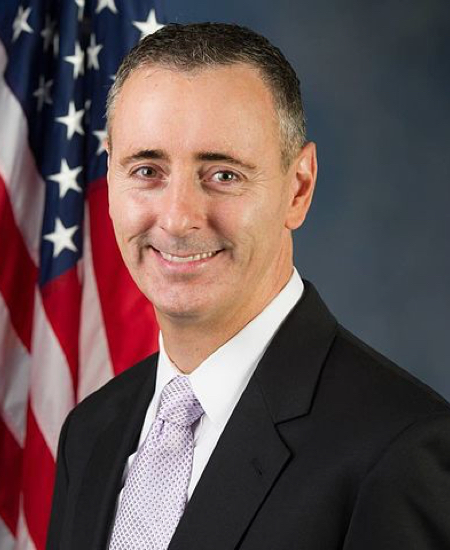
Brian K. Fitzpatrick
House · District 1
|
R |
Strong +
|
93% | 14 |
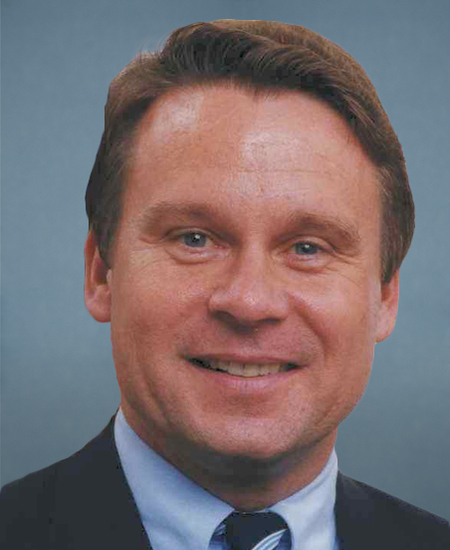
Christopher H. Smith
House · District 4
|
R |
Strong +
|
93% | 14 |
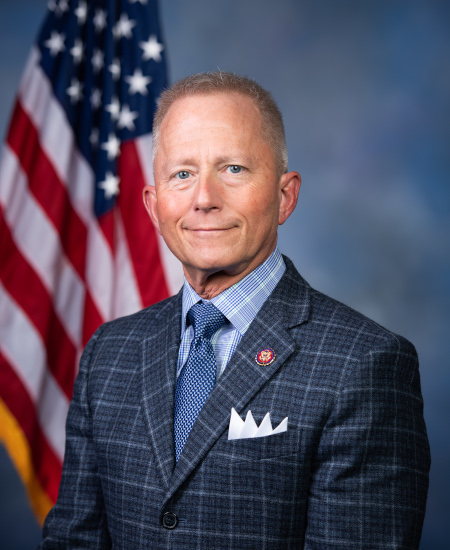
Jefferson Van Drew
House · District 2
|
R |
Strong +
|
93% | 14 |
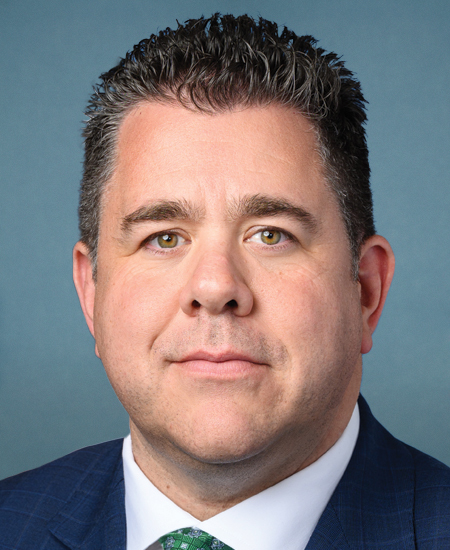
Nick LaLota
House · District 1
|
R |
Strong +
|
93% | 14 |

Robert P. Bresnahan, Jr.
House · District 8
|
R |
Strong +
|
93% | 14 |
Bernard Sanders
Senate
|
I |
Oppose
|
27% | 11 |
Edward J. Markey
Senate
|
D |
Oppose
|
27% | 11 |
Elizabeth Warren
Senate
|
D |
Oppose
|
27% | 11 |
Lisa Blunt Rochester
Senate
|
D |
Oppose
|
27% | 11 |
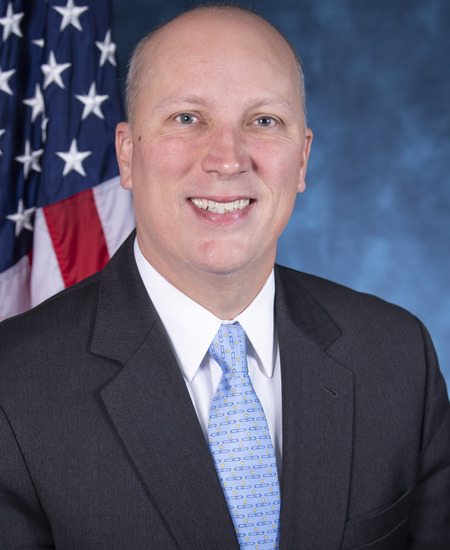
Chip Roy
House · District 21
|
R |
Oppose
|
29% | 14 |
Showing 571–580 of 1,564
bills
All labor & employment bills
HR 7526: Safe Skies Act of 2026
Topics
✓ Labor & EmploymentSupports Labor & EmploymentExtends passenger flight crew rest/duty rules to cargo operations, improving workplace safety for flight crews per bill summary.
✓ TransportationSupports TransportationExtends existing flightcrew safety rules to cargo operations, enhancing aviation safety standards within transportation policy.
Sub-Topics
Freight
HR 977: Support Military Families Act
HR 3308: RETAIN Act
Topics
✓ Budget & TaxesSupports Budget & TaxesProvides refundable tax credit ($5,800-$11,600) to educators/mental health workers in high-need schools, offering tax relief to middle-income public service workers while funding retention programs.
✓ EducationSupports EducationProvides refundable tax credits ($5,800-$11,600) for educators in high-need schools to address low pay and retention challenges, directly supporting teachers and schools serving high-poverty communities.
✓ HealthcareSupports HealthcareDirectly provides tax credits to mental health providers in high-need schools, improving retention and access to mental health services per bill's explicit focus on mental health providers.
✓ Labor & EmploymentSupports Labor & EmploymentProvides refundable tax credit ($5,800-$11,600 annually) to address low pay and retention for educators in high-need schools, directly strengthening wages and workforce stability.
HR 7115: Jumpstart Savings Act
Topics
✓ Budget & TaxesSupports Budget & TaxesTax-advantaged savings program provides tax relief for career training expenses, aligning with support indicators like tax relief for middle/lower income.
✓ EducationSupports EducationEnables tax-free savings for community college tuition, apprenticeships, and vocational training costs, directly expanding educational access and funding for higher education pathways.
✓ Labor & EmploymentSupports Labor & EmploymentCreates tax-advantaged savings for career training, enabling workers/apprentices to cover education/certification costs, directly advancing workforce development and employment opportunities.
Sub-Topics
Career & Technical Education
Higher Education
Apprenticeships
Professional Licensing
Workforce Development
SJRES 8: A joint resolution providing for congressional disapproval under chapter 8 of title 5, United States Code, of the rule submitted by the Department of Homeland Security relating to "Increase of the Automatic Extension Period of Employment Authorization and Documentation for Certain Employment Authorization Document Renewal Applicants".
Topics
✗ ImmigrationOpposes ImmigrationBlocks DHS rule extending EAD renewal periods, restricting work authorization for immigrant applicants awaiting renewal.
✗ Labor & EmploymentOpposes Labor & EmploymentBill blocks DHS rule that would extend work authorization for non-citizens pending EAD renewal, directly restricting their employment rights and work authorization continuity.
HR 5680: Pay Our Public Shipyard Workers Act
Topics
✓ Budget & TaxesSupports Budget & TaxesBill appropriates Treasury funds to cover shipyard workers' pay during budget gaps, ensuring continuous government spending on essential public services. Directly supports fiscal management and budget stability within Budget & Taxes.
✓ Labor & EmploymentSupports Labor & EmploymentEnsures continuous pay for shipyard workers during budget gaps, preventing wage disruption and protecting income security during fiscal uncertainty.
Sub-Topics
Appropriations
HR 369: States’ Education Reclamation Act of 2025
Topics
✓ Budget & TaxesSupports Budget & TaxesBill provides annual federal grants for education requiring states to supplement existing budgets (not replace), promoting additive spending and fiscal accountability under government spending framework.
✓ EducationSupports EducationProvides annual federal grants for K-12/higher ed requiring states to add to, not replace, existing budgets, ensuring increased funding support while restructuring program management.
✓ Labor & EmploymentSupports Labor & EmploymentTransfers job training programs to Department of Labor, aligning with labor workforce development goals.
Sub-Topics
Audits & Accountability
Higher Education
K-12 Education
Student Financial Aid
Workforce Development
HR 200: Federal Freeze Act
Sub-Topics
Public Employees
HR 236: Federal Employee Return to Work Act
Topics
✓ Budget & TaxesSupports Budget & TaxesBill reduces federal payroll costs by eliminating annual pay adjustments for teleworking employees, promoting fiscal responsibility in government spending.
✗ Labor & EmploymentOpposes Labor & EmploymentBill eliminates annual pay adjustments for teleworking federal employees, reducing compensation growth and weakening pay benefits per the summary.