

Issue · Labor & Employment
Labor & Employment
Every labor & employment bill, vote, and legislator stance in United States, automatically classified by Maddy, our AI policy reader.
Total bills
1,564
119th Congress
Top supporter
Brian K. Fitzpatrick
93% support rate
Top opponent
Bernard Sanders
27% support rate
Ranked legislators
10
5 support · 5 oppose
Key legislators
Who's moving labor & employment in United States
| Legislator | Party | Stance | Support rate | Decisive votes |
|---|---|---|---|---|
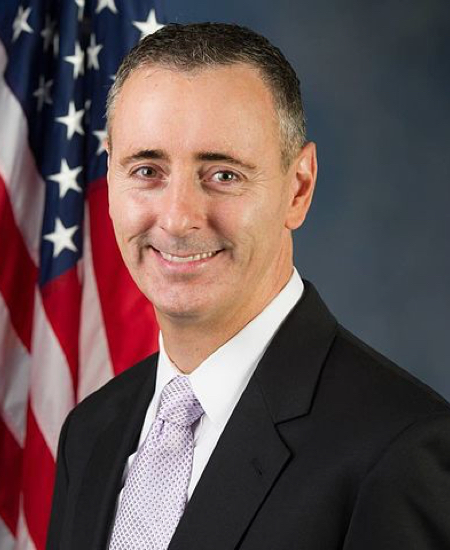
Brian K. Fitzpatrick
House · District 1
|
R |
Strong +
|
93% | 14 |

Christopher H. Smith
House · District 4
|
R |
Strong +
|
93% | 14 |
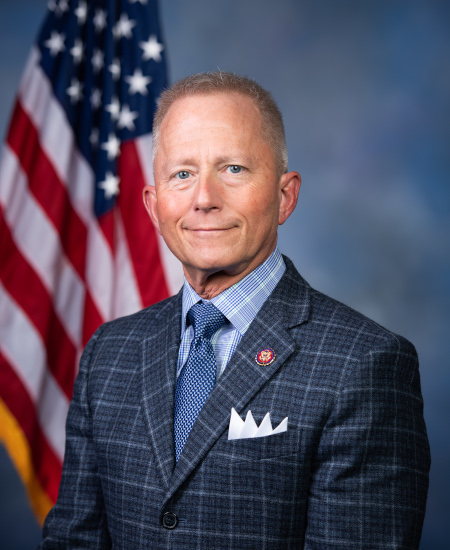
Jefferson Van Drew
House · District 2
|
R |
Strong +
|
93% | 14 |
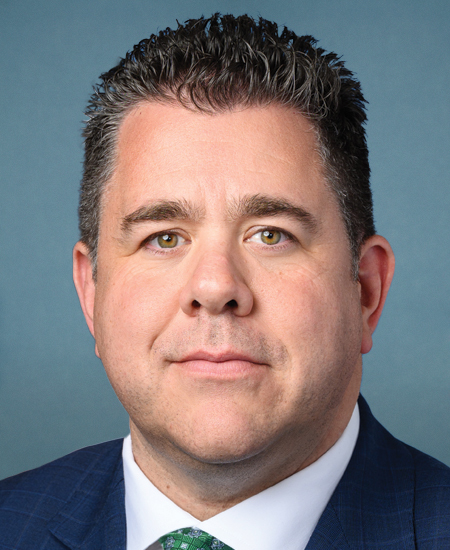
Nick LaLota
House · District 1
|
R |
Strong +
|
93% | 14 |

Robert P. Bresnahan, Jr.
House · District 8
|
R |
Strong +
|
93% | 14 |

Bernard Sanders
Senate
|
I |
Oppose
|
27% | 11 |
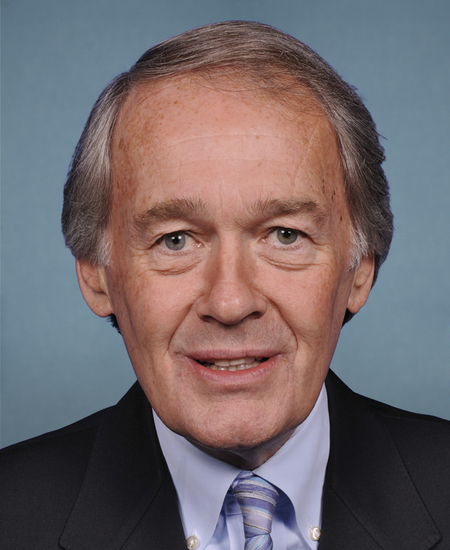
Edward J. Markey
Senate
|
D |
Oppose
|
27% | 11 |

Elizabeth Warren
Senate
|
D |
Oppose
|
27% | 11 |
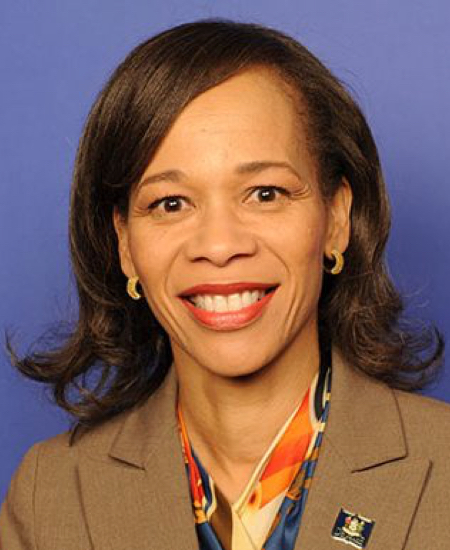
Lisa Blunt Rochester
Senate
|
D |
Oppose
|
27% | 11 |
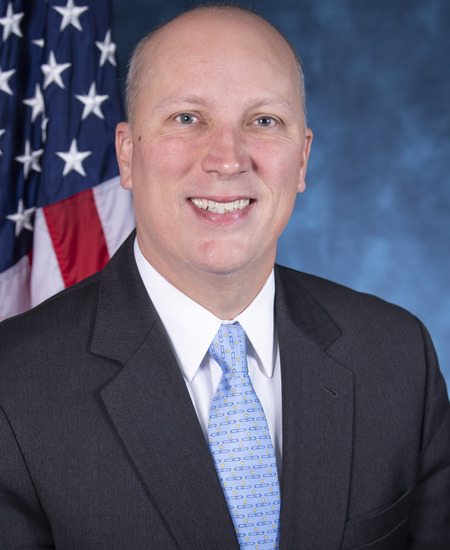
Chip Roy
House · District 21
|
R |
Oppose
|
29% | 14 |
Showing 561–570 of 1,564
bills
All labor & employment bills
S 2639: Military Spouse Entrepreneurship Act of 2025
HR 464: Skills Investment Act of 2025
Topics
✓ Budget & TaxesSupports Budget & TaxesCreates employer tax credit for contributions to expanded Coverdell accounts, providing tax relief for workforce development funding.
✓ EducationSupports EducationExpands educational access for adults through tax-advantaged accounts covering career training, technical education, and adult learning programs, directly advancing educational opportunity beyond traditional K-12.
✓ Labor & EmploymentSupports Labor & EmploymentExpands skill development funding for workers over 16 and creates employer tax credit for training, aligning with workforce development goals.
✓ TechnologySupports TechnologyAllows computer equipment purchases under education accounts, directly supporting tech access for skill development and career training.
Sub-Topics
Tax Credits
HR 3026: Protecting America’s Cybersecurity Act
Topics
✓ Labor & EmploymentSupports Labor & EmploymentReinstates CISA employees with backpay and prohibits involuntary removals, directly protecting specific federal workers' employment rights and job security.
✓ TechnologySupports TechnologyReinstates CISA staff and prohibits removals without authorization, directly strengthening cybersecurity agency operations per bill title and summary.
Sub-Topics
Cybersecurity
S 2997: Right to Override Act
Topics
✓ HealthcareSupports HealthcareProtects healthcare professionals' right to override AI in patient care decisions, ensuring clinical judgment isn't hindered and providing whistleblower protections, directly advancing patient rights and care quality.
✓ Labor & EmploymentSupports Labor & EmploymentProtects healthcare workers from retaliation for overriding AI/CDSS, ensuring workplace rights under labor protections.
✓ TechnologySupports TechnologyBill mandates human override of AI in healthcare, ensuring patient safety and consumer protection in tech-driven medical decisions, aligning with digital rights and responsible AI use.
Sub-Topics
Artificial Intelligence
HR 5658: Child Care for Every Community Act
Topics
✓ EducationSupports EducationBill creates universal early learning access for young children, expanding educational access as defined in topic.
✓ Labor & EmploymentSupports Labor & EmploymentBill creates universal affordable child care, removing key barrier to workforce participation for parents. Directly supports employment standards by enabling consistent work attendance and reducing economic barriers for low-income families.
HR 4817: Immigrant Witness and Victim Protection Act of 2025
Topics
✓ Criminal JusticeSupports Criminal JusticeEliminates visa limits and prohibits deportation for immigrant victims under VAWA/TVPA, enhancing victim protections and aligning with criminal justice reform goals.
✓ ImmigrationSupports ImmigrationEliminates visa limits, grants work authorization, prohibits deportation for immigrant victims under VAWA/TVPA, directly protecting immigrant rights and services.
✓ Labor & EmploymentSupports Labor & EmploymentGrants work authorization within 180 days and prohibits deportation for immigrant victims, directly enabling employment access and protecting workers' rights under VAWA/TVPA.
Sub-Topics
Domestic Violence
Human Trafficking
Victims' Rights
Detention
Enforcement
Sanctuary Policies
HR 463: Lower Your Taxes Act
Topics
✓ Budget & TaxesSupports Budget & TaxesExpands tax credits for low/middle-income households, increasing EITC and adding child tax credits - direct tax relief supporting fiscal relief for families.
✓ Labor & EmploymentSupports Labor & EmploymentIncreases EITC max credit (34%→68%) and establishes child tax credits, directly expanding financial benefits for low/middle-income workers and families.
S 126: FAIR Act
S 758: Apprenticeships to College Act
Topics
✓ EducationSupports EducationBill creates credit transfer pathways from apprenticeships to college, aligns education funding, and expands post-secondary access through interagency agreements.
✓ Labor & EmploymentSupports Labor & EmploymentLinks apprenticeships to college credits for career advancement, supporting worker education and employment pathways through interagency collaboration.