Issue · Labor & Employment

Labor & Employment

Every labor & employment bill, vote, and legislator stance in United States, automatically classified by Maddy, our AI policy reader.

Total bills
1,543
119th Congress
Top supporter
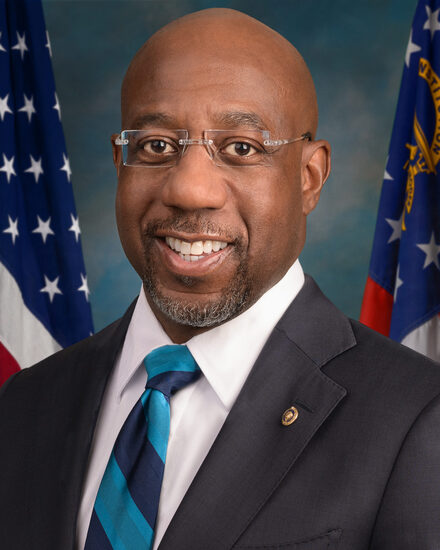
Raphael G. Warnock
100% support rate
Top opponent
Eric Burlison
31% support rate
Ranked legislators
10
5 support · 5 oppose
Key legislators

Who's moving labor & employment in United States

Legislators moving labor & employment in United States
Legislator Party Stance Support rate Votes
Raphael G. Warnock
Raphael G. Warnock Senate
D
Strong +
100% 211
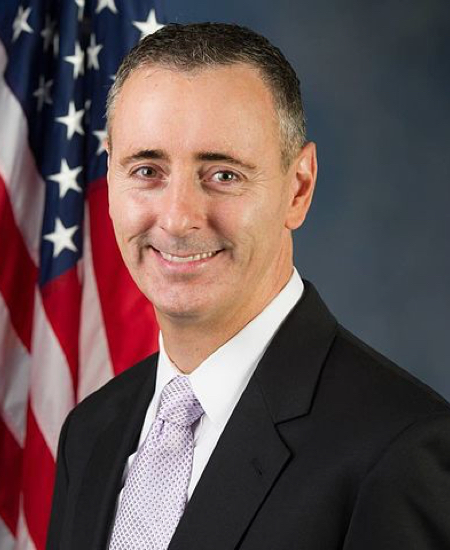
Brian K. Fitzpatrick
Brian K. Fitzpatrick House · District 1
R
Strong +
92% 194
Robert P. Bresnahan, Jr.
Robert P. Bresnahan, Jr. House · District 8
R
Strong +
92% 197
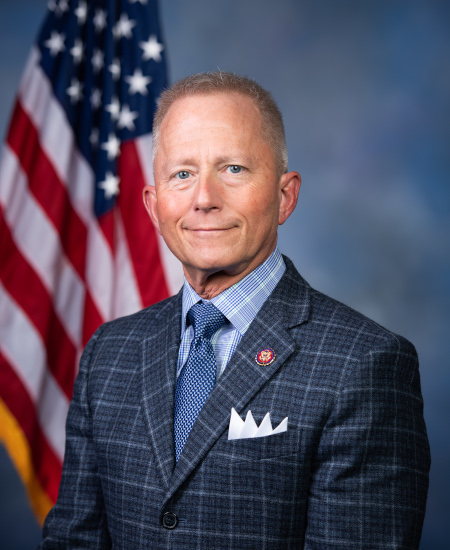
Jefferson Van Drew
Jefferson Van Drew House · District 2
R
Strong +
92% 197
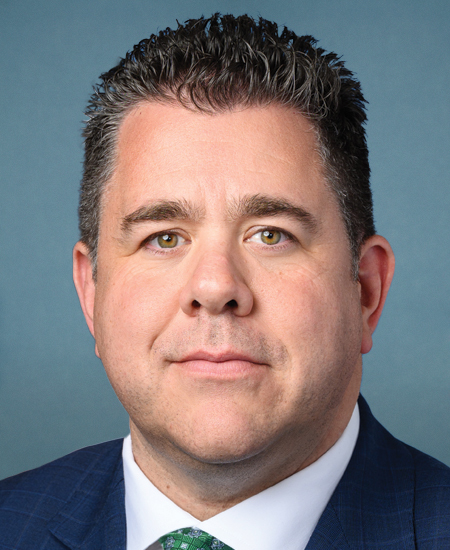
Nick LaLota
Nick LaLota House · District 1
R
Strong +
92% 195
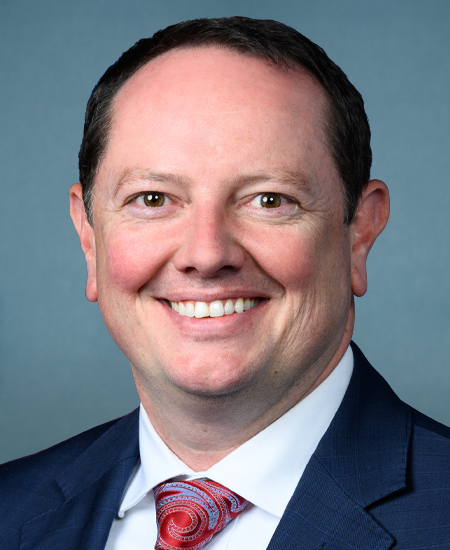
Eric Burlison
Eric Burlison House · District 7
R
Oppose
31% 197
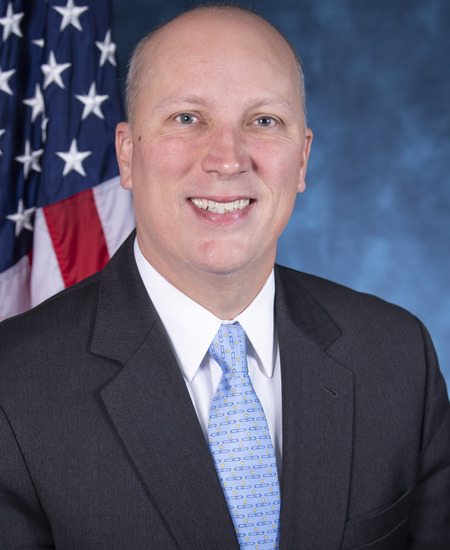
Chip Roy
Chip Roy House · District 21
R
Oppose
31% 190
Scott Perry
Scott Perry House · District 10
R
Oppose
31% 194
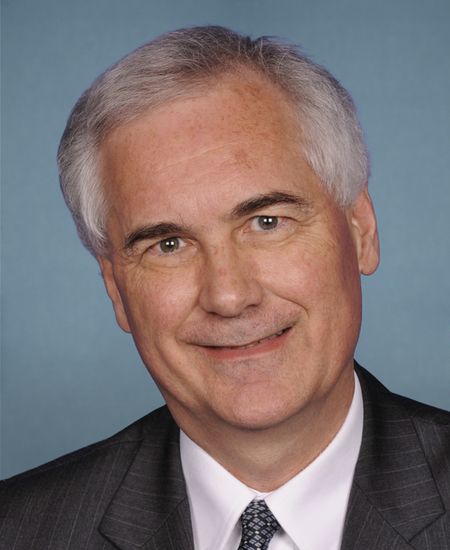
Tom McClintock
Tom McClintock House · District 5
R
Oppose
31% 190
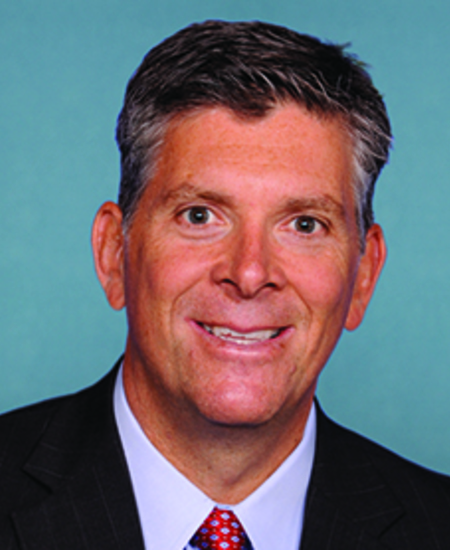
Darin LaHood
Darin LaHood House · District 16
R
Oppose
33% 175
Showing 1,401–1,410 of 1,543 bills

All labor & employment bills

in committee · United States · House Jun 6, 2025

HR 3797: EO 14278 Act of 2025

This bill makes Executive Order 14278 legally binding by codifying it into law. The order directs federal agencies to develop programs preparing Americans for high-paying skilled trade jobs in emerging fields. It directly affects the executive branch, requiring departments to implement these workforce training initiatives as a formal legal obligation. The key provision is converting the existing executive order into a permanent legislative requirement, streamlining the process for workforce development programs.
in committee · United States · Senate Mar 19, 2026

S 3401: Pathways to Prosperity Act

The Pathways to Prosperity Act creates a new grant program to strengthen workforce development at community colleges. It provides competitive grants to community colleges to develop programs that prepare students for high-skill, high-wage jobs through partnerships with employers in growing industries. The bill requires colleges to use proven methods, create credentials that can be used across different jobs or built upon for further training, and track outcomes like program completion and job advancement. It also establishes performance metrics for program evaluation and requires transparent public reporting of results. This legislation primarily affects community colleges, students, and workers seeking career advancement in specific industry sectors.
in committee · United States · Senate Sep 3, 2025

S 2703: Protecting Older Americans Act of 2025

S 2703, the Protecting Older Americans Act of 2025, prevents employers from requiring workers aged 40 or older to use pre-employment arbitration agreements or joint-action waivers in age discrimination cases. The bill makes such agreements invalid and unenforceable for disputes alleging age discrimination under federal, tribal, or state law. This means workers can choose to pursue age discrimination claims in court instead of binding arbitration. The law applies to all claims arising on or after its enactment date and ensures courts - not arbitrators - decide if the provision applies to specific agreements.
in committee · United States · House Mar 2, 2026

HRES 1094: Calling on the Senate to ratify the Convention on the Elimination of All Forms of Discrimination Against Women.

This resolution urges the Senate to ratify the Convention on the Elimination of All Forms of Discrimination Against Women (CEDAW), an international treaty adopted by the UN in 1979. CEDAW establishes global standards to end gender discrimination in education, employment, healthcare, and political participation, and has been ratified by 189 countries. The U.S. has signed the treaty but never ratified it, making it one of only five nations without formal adoption, despite widespread domestic support from cities and states implementing its principles.
passed · United States · House Jun 9, 2025

HRES 480: Requiring each Member, officer, and employee of the House of Representatives to complete a program of training in workplace rights and responsibilities each session of each Congress, and for other purposes.

HRES 480 requires all House Members, officers, employees (including interns, fellows, and detailees), and new staff to complete annual workplace rights training covering anti-discrimination and anti-harassment under the Congressional Accountability Act. The training must be completed within 90 days of joining the House or at the start of each congressional session, with exceptions for new members during orientation. The House Administration Committee will establish regulations to implement this requirement and ensure compliance.
in committee · United States · Senate Jun 10, 2025

S 2013: Higher Wages for American Workers Act of 2025

This bill raises the federal minimum wage to $15 per hour, effective January 1 of the first year after enactment. It then automatically adjusts the minimum wage annually on January 1 based on the previous year's inflation rate (using the Consumer Price Index for Urban Wage Earners), rounding to the nearest $0.05. The policy directly affects most hourly workers covered under the Fair Labor Standards Act, including those in retail, hospitality, and other service sectors. The changes take effect on the first January 1 following the bill's enactment date.
in committee · United States · Senate Mar 13, 2025

S 1046: No Tax On Overtime Act of 2025

S 1046, the "No Tax On Overtime Act of 2025," would exclude overtime pay earned under the Fair Labor Standards Act (FLSA) from taxable gross income. This directly affects hourly workers who receive legally required overtime compensation (typically 1.5 times regular pay for hours over 40 per week). The bill amends the tax code to add a new provision stating that such overtime pay is not included when calculating federal income tax liability. The change would take effect for overtime pay received after the bill's enactment date.
in committee · United States · Senate Feb 3, 2026

S 3766: Make Congress Drive Union Made Act

The Make Congress Drive Union Made Act requires that any motor vehicle purchased or leased using federal funds allocated to House Members' representational allowances or Senators' office expenses must be assembled in the United States by workers covered by a union contract. This means Congress members would need to choose vehicles made in the U.S. with union labor for official use, rather than non-union or foreign-made options. The rule applies to all new vehicle purchases or leases starting October 1, 2026. The bill does not affect other uses of these funds or impact public transportation.
in committee · United States · Senate Sep 11, 2025

S 2779: Tax Cut for Striking Workers Act of 2025

This bill would exclude certain union-provided payments to workers during strikes from taxable income. Specifically, it adds a new tax code section (139M) to exempt "qualified strike benefits" - payments from tax-exempt labor organizations (like unions) that replace lost wages during strikes, lockouts, or work stoppages arising from labor disputes - from gross income calculations. The change applies to compensation received after December 31, 2025, and also updates the Earned Income Tax Credit rules to include these excluded benefits. It directly affects union members who lose wages due to labor disputes and rely on union financial support during work stoppages.
in committee · United States · Senate Feb 13, 2025

SJRES 19: A joint resolution providing for congressional disapproval under chapter 8 of title 5, United States Code, of the rule submitted by the Environmental Protection Agency relating to "Trichloroethylene (TCE); Regulation Under the Toxic Substances Control Act (TSCA)".

This joint resolution seeks to block an Environmental Protection Agency (EPA) rule that would have regulated the chemical trichloroethylene (TCE) under the Toxic Substances Control Act. The rule, published in December 2024, aimed to establish new safety standards for TCE - a chemical used in industrial cleaning and manufacturing that can pose health risks. Congress would disapprove the rule through a specific federal process, preventing it from taking effect. If passed, this resolution would maintain current regulations for TCE without the proposed EPA requirements.
Showing 1,401 to 1,410 of 1,543 bills