Issue · Labor & Employment

Labor & Employment

Every labor & employment bill, vote, and legislator stance in United States, automatically classified by Maddy, our AI policy reader.

Total bills
1,543
119th Congress
Top supporter
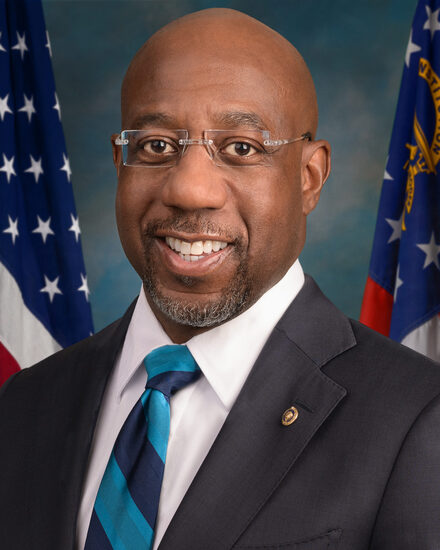
Raphael G. Warnock
100% support rate
Top opponent
Eric Burlison
31% support rate
Ranked legislators
10
5 support · 5 oppose
Key legislators

Who's moving labor & employment in United States

Legislators moving labor & employment in United States
Legislator Party Stance Support rate Votes
Raphael G. Warnock
Raphael G. Warnock Senate
D
Strong +
100% 211
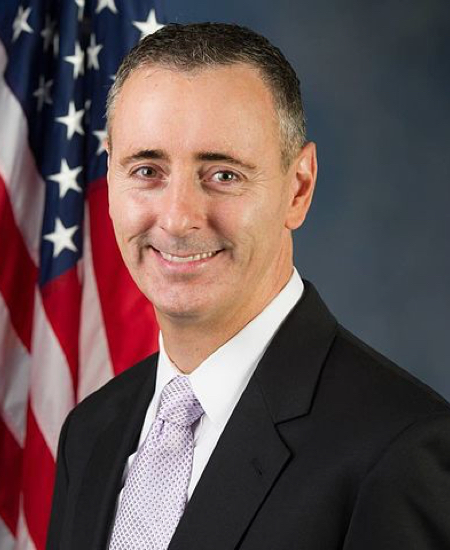
Brian K. Fitzpatrick
Brian K. Fitzpatrick House · District 1
R
Strong +
92% 194
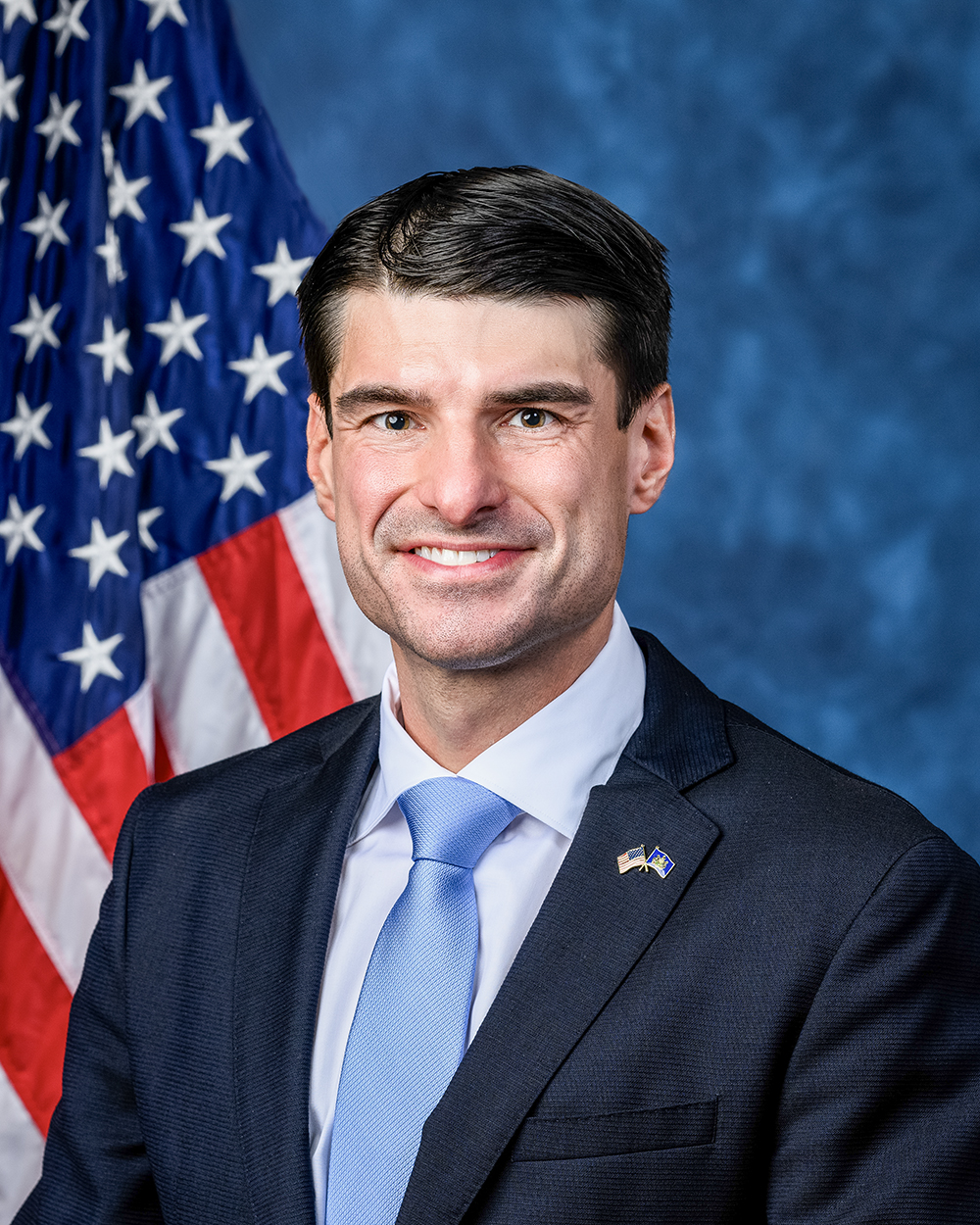
Robert P. Bresnahan, Jr.
Robert P. Bresnahan, Jr. House · District 8
R
Strong +
92% 197
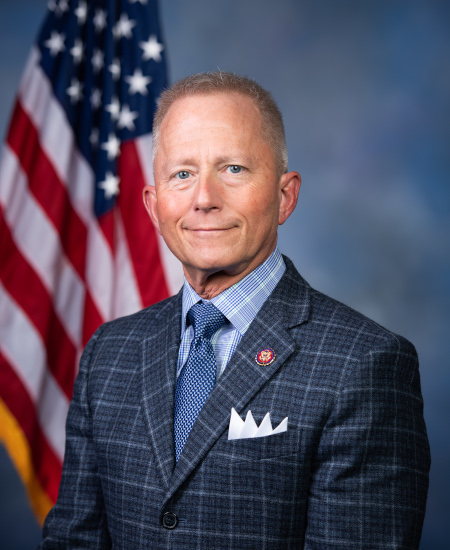
Jefferson Van Drew
Jefferson Van Drew House · District 2
R
Strong +
92% 197
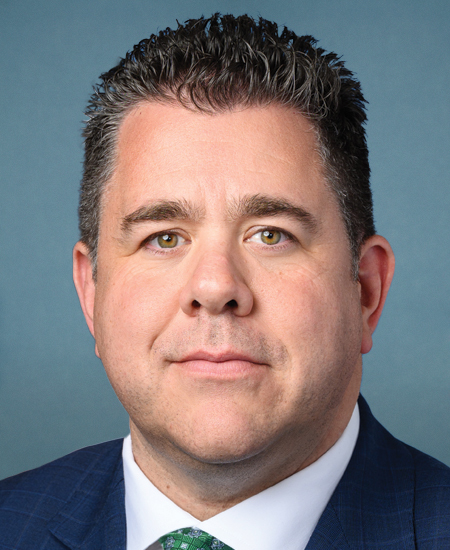
Nick LaLota
Nick LaLota House · District 1
R
Strong +
92% 195
Eric Burlison
Eric Burlison House · District 7
R
Oppose
31% 197
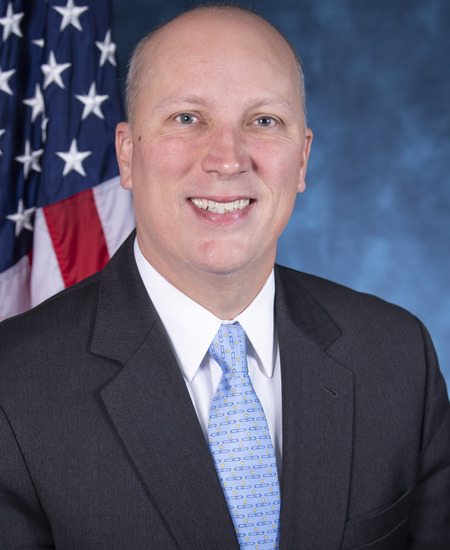
Chip Roy
Chip Roy House · District 21
R
Oppose
31% 190
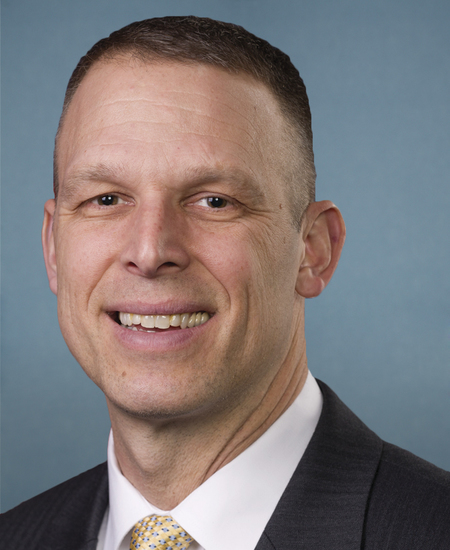
Scott Perry
Scott Perry House · District 10
R
Oppose
31% 194
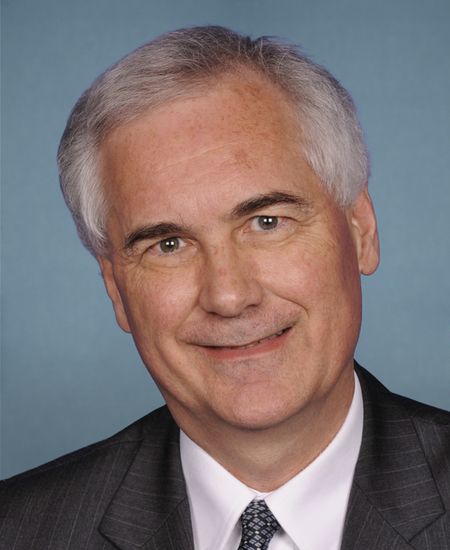
Tom McClintock
Tom McClintock House · District 5
R
Oppose
31% 190
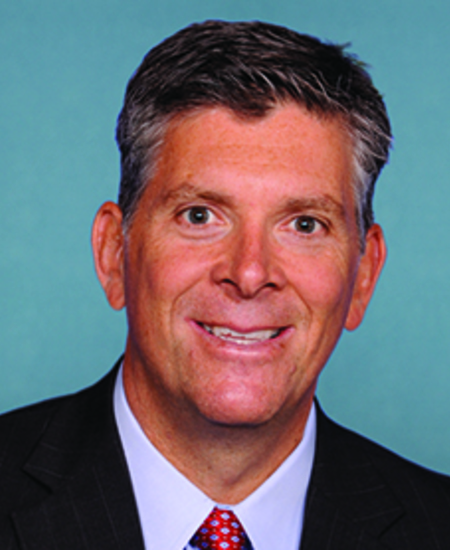
Darin LaHood
Darin LaHood House · District 16
R
Oppose
33% 175
Showing 1,381–1,390 of 1,543 bills

All labor & employment bills

in committee · United States · House Jan 7, 2025

HR 240: Protect Local Farms Act

HR 240, the Protect Local Farms Act, amends federal labor law to override certain state regulations affecting agricultural workers. It adds a provision stating that federal overtime rules preempt any state law setting a maximum workweek of less than 60 hours for farm employees. This means states with stricter rules (like limiting workweeks to 50 or 55 hours) would no longer be able to enforce those limits for agricultural workers. The bill directly affects farm employees in states that currently have shorter workweek requirements under their own laws.
in committee · United States · Senate Feb 12, 2026

S 3870: Lifelong Learning Act

The Lifelong Learning Act amends the Workforce Innovation and Opportunity Act to increase funding for worker training programs. It raises the percentage of funds reserved for incumbent worker training from 20% to 30% and for transitional jobs from 10% to 15%. States must now report on training program outcomes to help adjust performance standards, and local workforce boards may operate as one-stop centers if they meet conflict-of-interest requirements. These changes directly affect state workforce programs, local boards, and workers seeking training or transitional employment.
in committee · United States · House Jun 3, 2025

HR 3681: Leveraging Educational Opportunity Networks Act

The Leveraging Educational Opportunity Networks Act creates a federal grant program to fund workforce training initiatives targeting workers without bachelor’s degrees, particularly those from low-income backgrounds, rural communities, historically disadvantaged groups, and formerly incarcerated individuals. Eligible organizations - such as non-profits, national training groups, and accredited institutions - would receive competitive grants to develop 12-week career programs that partner with employers in high-demand sectors (like healthcare, IT, and manufacturing), ensuring participants earn recognized credentials while receiving living wages and wraparound supports like stipends and job readiness coaching. Programs must prioritize enrollees reading at a 6th-grade level or below, guarantee at least 50% of participants come from underserved communities, and report annually on outcomes like earnings growth, employment rates, and credential attainment. The initiative allocates $30 million annually (2026-2029) to address labor shortages and support economic mobility through targeted, employer-aligned training.
passed · United States · House Dec 15, 2025

HR 2550: Protect America's Workforce Act

The Protect America's Workforce Act cancels an executive order issued on March 27, 2025, that excluded certain groups from federal labor-management relations programs, making it legally unenforceable. It also ensures that all collective bargaining agreements between federal agencies and labor unions, which were active as of March 26, 2025, remain fully effective until their agreed terms expire. This directly affects federal agencies, labor unions, and the employees covered by these agreements. The bill prevents federal funds from being used to implement the canceled executive order while preserving existing labor agreements.
in committee · United States · House May 21, 2025

HR 3532: Striking and Locked Out Workers Healthcare Protection Act

HR 3532, the Striking and Locked Out Workers Healthcare Protection Act, prohibits employers from terminating or altering an employee’s employer-sponsored health coverage during a lawful strike or a lockout (when an employer withholds work to influence bargaining). It directly affects workers participating in strikes or facing lockouts, ensuring continued healthcare access during these labor disputes. The bill adds penalties: $75,000 per violation for lockout-related coverage termination (up to $150,000 for repeat offenses), and $50,000 per violation for strike-related termination (up to $100,000 for repeat offenses), with penalties applied alongside other remedies. These provisions amend the National Labor Relations Act to protect workers’ healthcare rights during collective bargaining actions.
in committee · United States · House Feb 5, 2025

HR 1035: Job Protection Act

This bill expands access to family and medical leave under the FMLA by reducing the required employment period from 12 months to 90 days for most workers. It also lowers the employer size threshold from "50 or more employees" to "1 or more employees," requiring nearly all employers to provide this leave. The changes specifically apply to private-sector workers, federal employees (covered under Title 5), and congressional staff, removing previous eligibility barriers. Key provisions include updating definitions in the FMLA and modifying federal employee leave rules to align with the 90-day requirement. This directly affects millions of workers who previously had to wait a full year for leave eligibility.
Sub-Topics Paid Leave
in committee · United States · Senate Jan 23, 2025

S 235: Apprenticeship Pathways Act of 2025

The Apprenticeship Pathways Act of 2025 funds business groups and nonprofits (called "industry intermediaries") to create apprenticeship programs for secondary students and disconnected youth (ages 16-25 not in school or work). It prioritizes high-poverty schools, rural communities, and underrepresented groups like women in construction and people with disabilities. Key provisions include using federal funds to cover 50% of apprentice wages, provide wraparound support (childcare, tutoring, transportation), and develop training in high-demand fields like plumbing, healthcare, and technology. The bill directs these intermediaries to partner with schools and employers to build pathways into skilled trades and STEM careers.
in committee · United States · House Aug 26, 2025

HR 5054: Freedom From Union Violence Act of 2025

HR 5054 amends federal law to clarify that using threats or violence to interfere with commerce (including labor disputes) is a crime, but exempts peaceful picketing and minor incidents during labor disputes. The bill specifically states that minor bodily injury, property damage, or threats related to such activities - when not part of coordinated violence - do not violate the law. It also specifies that state and local authorities, not federal prosecutors, handle cases involving these exempted activities. The law explicitly preserves existing labor protections under the National Labor Relations Act and other federal statutes.
in committee · United States · House Jul 23, 2025

HR 4644: ABLE Employment Flexibility Act

This bill allows employers to contribute directly to an employee's ABLE account (a savings account for people with disabilities) instead of a retirement plan, without violating retirement plan rules. It specifically ensures that when employers make these ABLE contributions, they are treated as valid contributions for retirement plan compliance purposes and do not disqualify the employee from federal benefits like Medicaid. The law requires employers to offer this option universally to all eligible ABLE account holders who participate in their retirement plans. It also clarifies that these employer contributions to ABLE accounts won't count toward income limits for means-tested federal programs. This directly affects working individuals with disabilities who use ABLE accounts to save without losing government benefits.
Sub-Topics Medicaid Retirement Benefits Tags People with Disabilities
in committee · United States · House Feb 27, 2025

HRES 170: Expressing support for Americas Black workers and affirming the need to pass legislation to reduce inequalities and discrimination in the workforce.

HRES 170 is a non-binding resolution expressing the House's support for Black workers and affirming the need for legislation to address workforce disparities. It highlights specific issues affecting Black workers, including a 3-point higher unemployment rate, 87% of median weekly earnings compared to overall averages, and higher workplace discrimination. The resolution specifically endorses passing four key bills: the PRO Act (labor organizing rights), National Apprenticeship Act, Raise the Wage Act, and Workforce Innovation Act. It does not create new laws but calls for action on these existing legislative proposals to reduce inequalities. The resolution directly affects Black workers across the U.S. workforce, emphasizing their historical and economic contributions.
Showing 1,381 to 1,390 of 1,543 bills