Issue · Education

Education

Every education bill, vote, and legislator stance in United States, automatically classified by Maddy, our AI policy reader.

Total bills
1,194
119th Congress
Top supporter
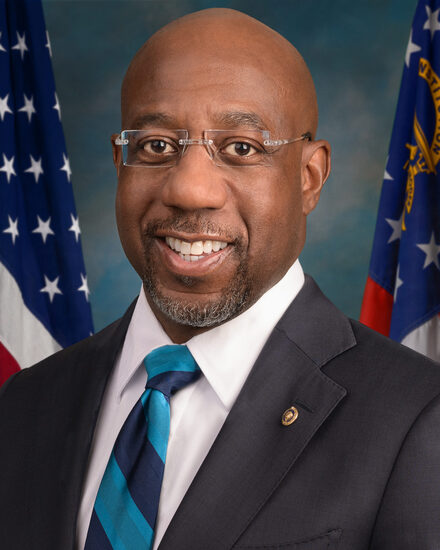
Raphael G. Warnock
100% support rate
Top opponent
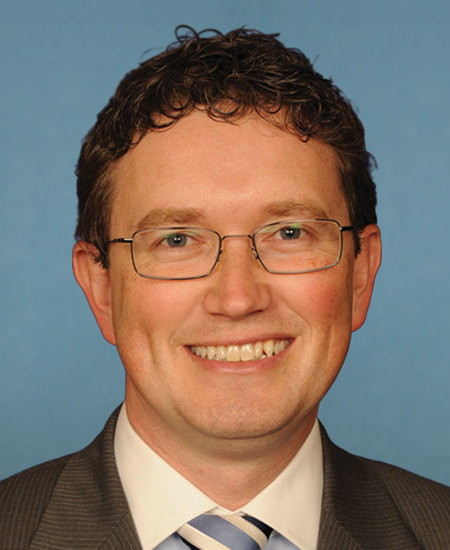
Thomas Massie
12% support rate
Ranked legislators
10
5 support · 5 oppose
Key legislators

Who's moving education in United States

Legislators moving education in United States
Legislator Party Stance Support rate Decisive votes
Raphael G. Warnock
Raphael G. Warnock Senate
D
Strong +
100% 6
Adam B. Schiff
Adam B. Schiff Senate
D
Strong +
86% 7
Angela D. Alsobrooks
Angela D. Alsobrooks Senate
D
Strong +
86% 7
Ben Ray Luján
Ben Ray Luján Senate
D
Strong +
86% 7
Charles E. Schumer
Charles E. Schumer Senate
D
Strong +
86% 7
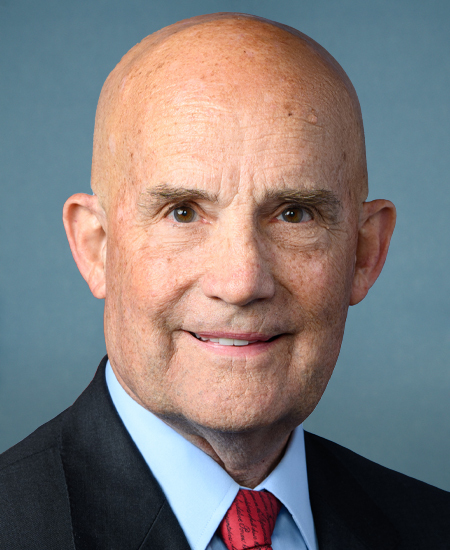
Thomas Massie
Thomas Massie House · District 4
R
Strong −
12% 8
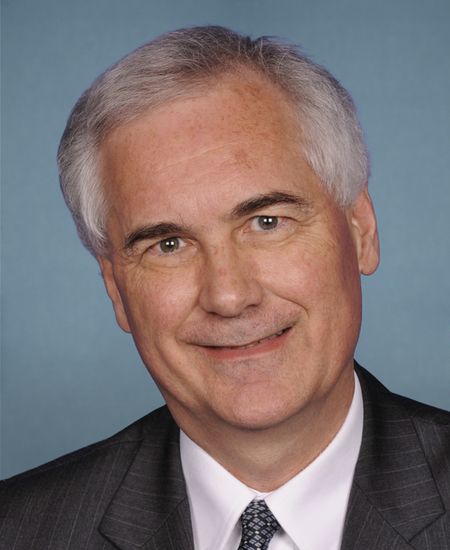
Tom McClintock
Tom McClintock House · District 5
R
Strong −
12% 8
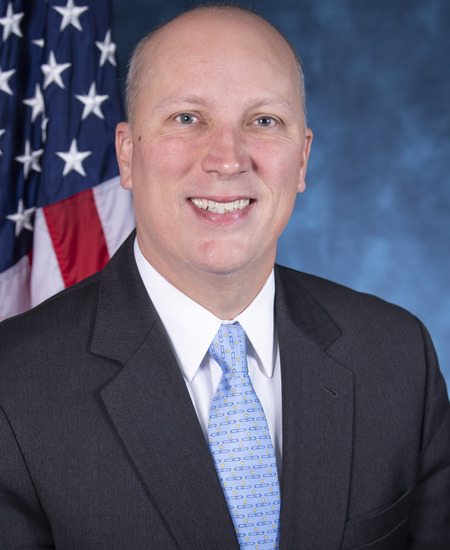
Chip Roy
Chip Roy House · District 21
R
Strong −
14% 7
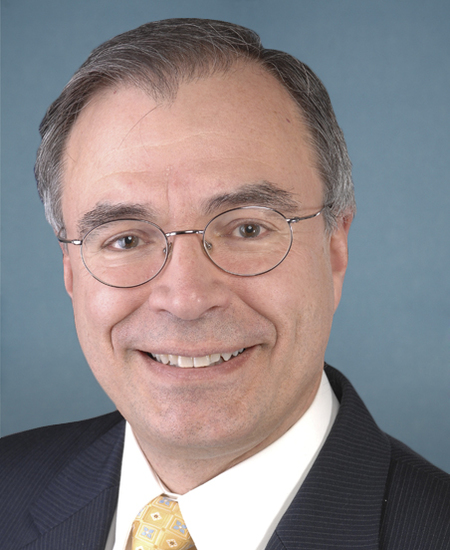
Andy Harris
Andy Harris House · District 1
R
Strong −
20% 10
Keith Self
Keith Self House · District 3
R
Strong −
20% 10
Showing 201–210 of 1,194 bills

All education bills

in committee · United States · House May 14, 2026

HR 8834: Senator Paul Simon Study Abroad Program Act of 2026

This bill renames the existing IDEAS Program to the Senator Paul Simon Study Abroad Program and directs the Secretary of State to expand it to increase global education opportunities for U.S. college students. The program will award competitive grants to universities and consortia to support study abroad initiatives, with a specific focus on helping low-income students, students of color, and minority-serving institutions participate. Funding priorities include encouraging travel to nontraditional destinations, particularly developing countries, and ensuring that grant recipients have robust health, safety, and security plans for students overseas. The legislation sets a long-term goal of having at least one million undergraduate students study abroad annually while requiring the Department of State to submit annual reports on progress.
Sub-Topics Higher Education
in committee · United States · House May 20, 2026

HR 8936: Digital Opportunity Foundation Act of 2026

The Digital Opportunity Foundation Act of 2026 establishes a new nonprofit organization called the Foundation for Digital Opportunity to help communities with low broadband adoption rates gain access to technology and digital skills training. The bill directs the Department of Commerce to create a temporary committee that will set up the foundation's leadership board and ensure it qualifies for tax-exempt status. Once established, the foundation will raise funds from private and public sources to award grants for projects that promote digital literacy, support emerging technologies like artificial intelligence, and improve internet access for underserved populations. The foundation is governed by a diverse board of directors and an executive director, and it must submit regular reports to Congress while operating independently from the federal government.
in committee · United States · House Jun 9, 2026

HR 9223: To amend the Individuals with Disabilities Education Act to authorize the Secretary of Education to extend paperwork reduction waivers, and for other purposes.

This bill amends the Individuals with Disabilities Education Act to allow the Secretary of Education to extend paperwork reduction waivers for states that are struggling with administrative burdens. Under the new provisions, the Secretary can grant multiple extensions of these waivers, with each extension lasting up to four years. The change directly affects state education agencies that currently hold waivers to reduce reporting requirements for special education services, giving them the option to extend these relief periods rather than facing stricter compliance deadlines.
Sub-Topics Special Education
in committee · United States · House May 21, 2026

HR 8978: Enhancing Mental Health and Suicide Prevention Through Campus Planning Act

This bill directs the U.S. Department of Education to encourage colleges and universities to create evidence-based plans for preventing suicide and improving mental health. The Department must coordinate these efforts with the Department of Health and Human Services and align them with existing federal suicide prevention programs. Additionally, the bill requires the Secretary of Education to submit reports to Congress on these initiatives within one year and three years of enactment. Crucially, the legislation explicitly states that it does not create new legal obligations for schools or grant the Department new regulatory authority.
in committee · United States · House May 21, 2026

HR 8975: All Students Count Act of 2026

The All Students Count Act of 2026 requires schools to break down student performance data into more specific ethnic categories for Asian Americans and Native Hawaiians and Pacific Islanders. Currently, federal education reporting only uses broad groupings, but this bill mandates that states include detailed subgroups such as Chinese, Vietnamese, Samoan, and Chamorro in their accountability systems. The law aims to provide more accurate information about the educational progress of these diverse communities by updating the Elementary and Secondary Education Act of 1965. These new data reporting requirements will take effect 18 months after the bill is enacted.
in committee · United States · House May 21, 2026

HR 8972: OPT Fair Tax Act

The OPT Fair Tax Act modifies federal tax and Social Security rules to exempt Optional Practical Training (OPT) from being classified as employment for F-1 student visa holders. By amending the Internal Revenue Code and the Social Security Act, the bill ensures that students participating in OPT do not have to pay Social Security or Medicare taxes during their training periods. This change directly affects international students in the United States who are completing practical work experience related to their field of study. The legislation applies to all services performed after the date the bill is enacted.
Sub-Topics Work Authorization
in committee · United States · House May 29, 2026

HR 9045: Early Childhood Mental Health Support Act

The Early Childhood Mental Health Support Act directs the Department of Health and Human Services to identify and review evidence-based interventions that improve the social, emotional, and behavioral health of children in Head Start and Early Head Start programs. This process includes selecting trauma-informed practices that support both child development and staff wellness while consulting with experts and the public before implementation. Following the review, the bill authorizes grants to diverse Head Start agencies across the country to adopt these proven methods and establishes a framework to evaluate their effectiveness over time. Additionally, the legislation funds up to five university centers to train future staff and provides $100 million in authorized funding for these activities from fiscal years 2027 through 2036.
in committee · United States · House May 26, 2026

HR 9030: No Immigration Without Assimilation Act of 2026

This bill would require the Department of Homeland Security to screen all immigration applicants to determine if they are likely to assimilate into American culture and hold views compatible with U.S. principles. Under the new rules, anyone deemed unlikely to assimilate or holding specific beliefs - such as the need for religious law to supersede American laws, the justification of violence, or the rejection of English language learning - would be denied entry or face deportation. The legislation defines "incompatible views" in detail, explicitly listing beliefs that challenge the U.S. Constitution, democracy, or cultural cohesion as grounds for inadmissibility. Consequently, the bill directly affects prospective immigrants and current residents by making their ability to remain in the country contingent upon passing these ideological and cultural assessments.
Sub-Topics Enforcement
in committee · United States · House Jun 3, 2026

HR 9123: Espionage Prevention Act

The Espionage Prevention Act restricts U.S. intelligence community funding for colleges and universities that maintain relationships with specific Chinese entities, such as Confucius Institutes or universities involved in military-civil fusion. To comply with this rule, affected institutions must terminate their contracts, agreements, or donations with these listed organizations to regain eligibility for federal intelligence funds. The law allows the Director of National Intelligence to grant temporary waivers if a university demonstrates strong security safeguards or proves the relationship serves U.S. national security interests. Additionally, the bill requires the intelligence director to provide technical assistance to schools for compliance and submit annual reports to Congress on how the restrictions are being implemented.
Sub-Topics Higher Education
in committee · United States · House May 29, 2026

HR 9059: National Police Athletic/Activities League Youth Enrichment Reauthorization Act

This bill, titled the National Police Athletic/Activities League Youth Enrichment Reauthorization Act, provides federal funding to expand youth programs run by the National Police Athletic/Activities League. The legislation authorizes $16 million annually from 2028 to 2032 to help the organization establish 250 new chapters in distressed areas and expand existing ones to serve more children. Grant funds must be used for after-school activities that include mentorship, academic support, sports, and training to prevent drug use and gang involvement. The program is designed to foster positive relationships between law enforcement and youth while offering alternatives to risky behaviors in communities with high numbers of at-risk children. Recipients of the funds are required to submit reports on their progress and ensure that local communities help design the specific activities offered.
Showing 201 to 210 of 1,194 bills
Previous 1 20 21 22 120 Next