

Issue · Education
Education
Every education bill, vote, and legislator stance in United States, automatically classified by Maddy, our AI policy reader.
Total bills
1,194
119th Congress
Top supporter
Raphael G. Warnock
100% support rate
Top opponent
Thomas Massie
12% support rate
Ranked legislators
10
5 support · 5 oppose
Key legislators
Who's moving education in United States
| Legislator | Party | Stance | Support rate | Decisive votes |
|---|---|---|---|---|
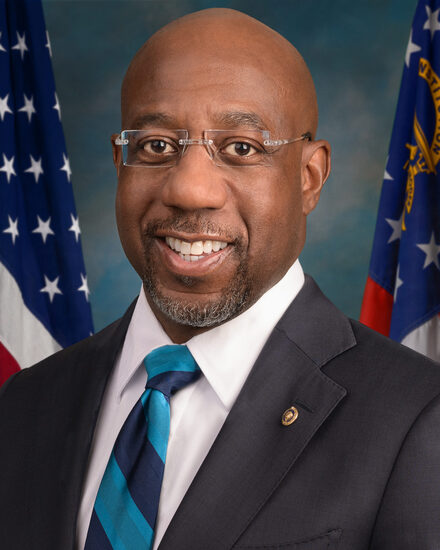
Raphael G. Warnock
Senate
|
D |
Strong +
|
100% | 6 |

Adam B. Schiff
Senate
|
D |
Strong +
|
86% | 7 |

Angela D. Alsobrooks
Senate
|
D |
Strong +
|
86% | 7 |
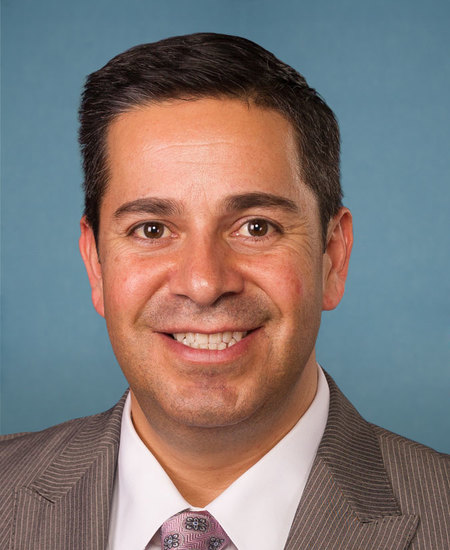
Ben Ray Luján
Senate
|
D |
Strong +
|
86% | 7 |
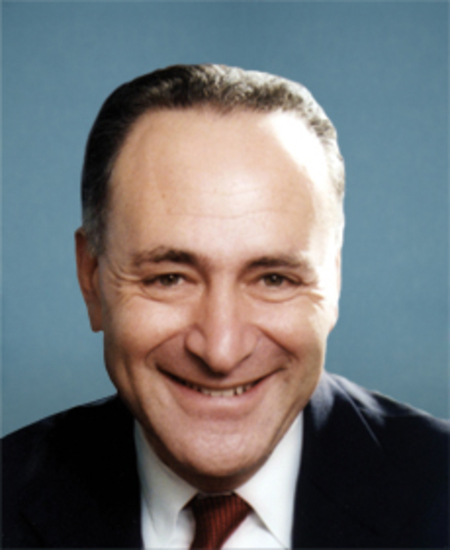
Charles E. Schumer
Senate
|
D |
Strong +
|
86% | 7 |
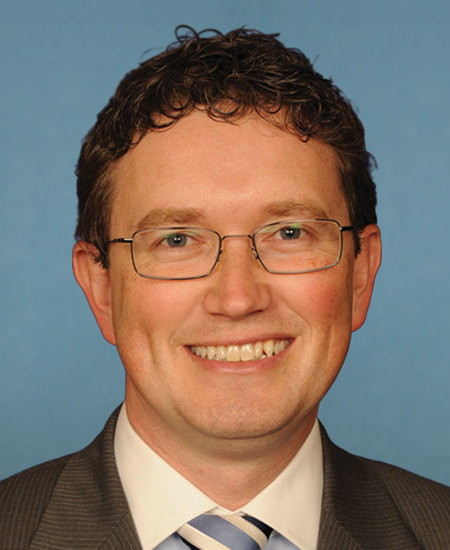
Thomas Massie
House · District 4
|
R |
Strong −
|
12% | 8 |
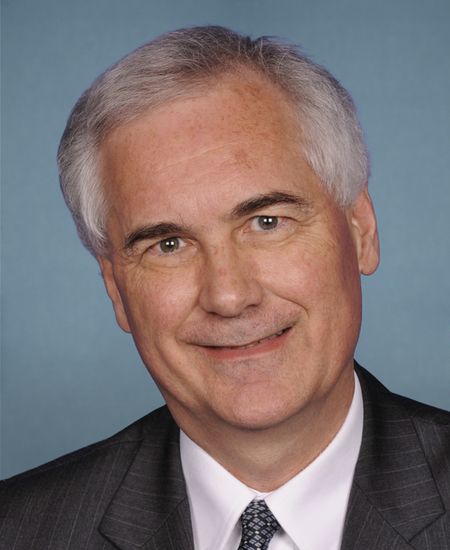
Tom McClintock
House · District 5
|
R |
Strong −
|
12% | 8 |
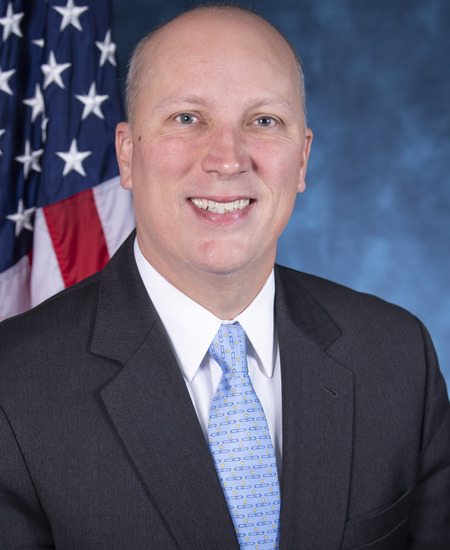
Chip Roy
House · District 21
|
R |
Strong −
|
14% | 7 |
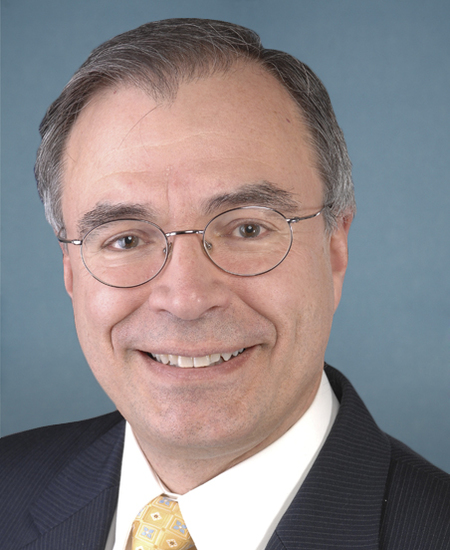
Andy Harris
House · District 1
|
R |
Strong −
|
20% | 10 |
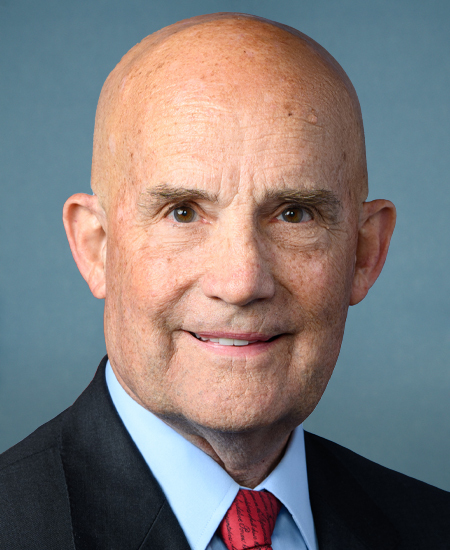
Keith Self
House · District 3
|
R |
Strong −
|
20% | 10 |
Showing 991–1,000 of 1,194
bills
All education bills
HR 5374: Promoting Health Careers in Community and Technical Colleges Act
Topics
✓ EducationSupports EducationExpands federal grant eligibility for health career training at community colleges, increasing access to certified workforce programs and funding educational pathways.
✓ HealthcareSupports HealthcareExpands federal grants for health career training at community colleges, directly supporting workforce development in healthcare through certification programs.
✓ Labor & EmploymentSupports Labor & EmploymentBill funds certification training for health careers, enhancing workforce readiness and employment opportunities in high-demand fields, directly advancing employment standards.
Sub-Topics
Career & Technical Education
Higher Education
Student Financial Aid
Healthcare Workforce
Workforce Development
HR 3931: Kids on the Go Act of 2025
Topics
✓ Budget & TaxesSupports Budget & TaxesIncreases federal funding share for safe routes to school projects from lower percentage to 95%, advancing government spending on essential transportation program
✓ EducationSupports EducationIncreases federal funding (95% coverage) for safe routes to school transportation projects, directly enhancing K-12 student access and school infrastructure.
✓ EnvironmentSupports EnvironmentPromotes walking/biking to school routes, reducing vehicle emissions and pollution, aligning with environmental protection goals.
✓ TransportationSupports TransportationBill increases federal funding (to 95%) for safe routes to school transportation projects, directly advancing infrastructure funding under transportation programs.
Sub-Topics
School Safety
School Transportation
Bicycle Infrastructure
Pedestrian Safety
Roads & Highways
S 3487: PSLF Payment Completion Fairness Act
Sub-Topics
Student Financial Aid
S 1684: A bill to require audits of institutions with respect to disclosures of foreign gifts, and for other purposes.
Sub-Topics
Higher Education
S 3157: School Meals for Healthy Kids Act of 2025
Topics
✓ EducationSupports EducationBill maintains current school meal eligibility via Medicaid data, ensuring continued access to nutrition programs critical for student attendance and learning in K-12 schools.
✓ HealthcareSupports HealthcareMaintains Medicaid-based school meal eligibility, continuing public health nutrition access. School meals are a public health program supporting child health outcomes.
S 1795: Empower Charter School Educators to Lead Act
HR 7676: Career-Connected Learning Pathways Act of 2026
Topics
✓ EducationSupports EducationRequires states to create searchable directories for career education programs, enhancing student access to job-aligned pathways and program transparency.
✓ Labor & EmploymentSupports Labor & EmploymentLinks career education programs to local job market needs, improving workforce readiness and employment outcomes through standardized program directories.
S 1557: Net Price Calculator Improvement Act
Topics
✓ EducationSupports EducationMandates clearer college cost transparency for students, enhancing financial accessibility and informed decision-making in higher education.
✓ TechnologySupports TechnologyMandates privacy protections for student data in college cost calculators, requiring no personal information sold/stored, directly advancing data privacy standards.
S 1277: IDEA Full Funding Act
Topics
✓ Budget & TaxesSupports Budget & TaxesMandates increased annual funding levels for special education under IDEA, directly advancing government spending on essential education services.
✓ EducationSupports EducationMandates increased IDEA funding for special education services, directly advancing educational access and resources for disabled students through fixed annual funding levels.