Issue · Education

Education

Every education bill, vote, and legislator stance in United States, automatically classified by Maddy, our AI policy reader.

Total bills
1,194
119th Congress
Top supporter
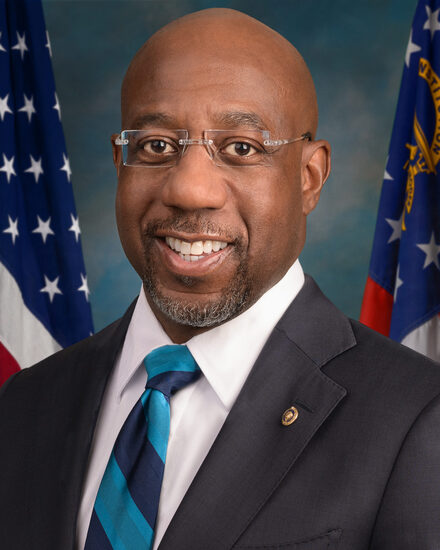
Raphael G. Warnock
100% support rate
Top opponent
Thomas Massie
12% support rate
Ranked legislators
10
5 support · 5 oppose
Key legislators

Who's moving education in United States

Legislators moving education in United States
Legislator Party Stance Support rate Decisive votes
Raphael G. Warnock
Raphael G. Warnock Senate
D
Strong +
100% 6
Adam B. Schiff
Adam B. Schiff Senate
D
Strong +
86% 7
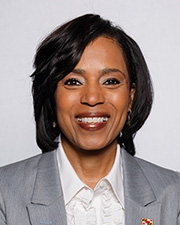
Angela D. Alsobrooks
Angela D. Alsobrooks Senate
D
Strong +
86% 7
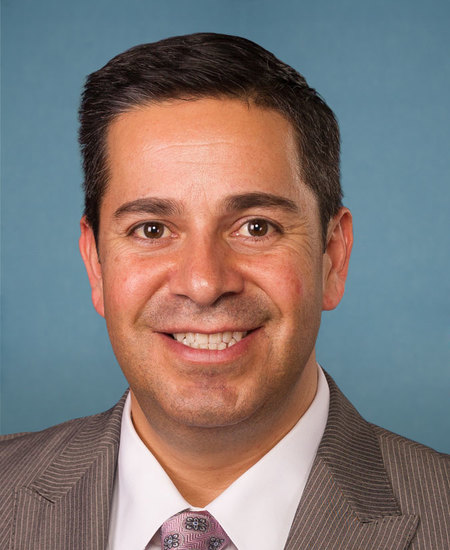
Ben Ray Luján
Ben Ray Luján Senate
D
Strong +
86% 7
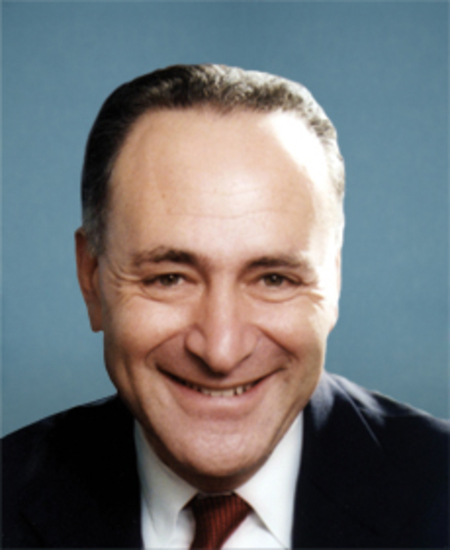
Charles E. Schumer
Charles E. Schumer Senate
D
Strong +
86% 7
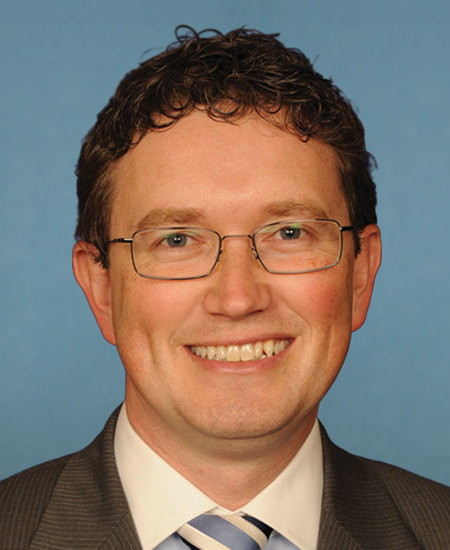
Thomas Massie
Thomas Massie House · District 4
R
Strong −
12% 8
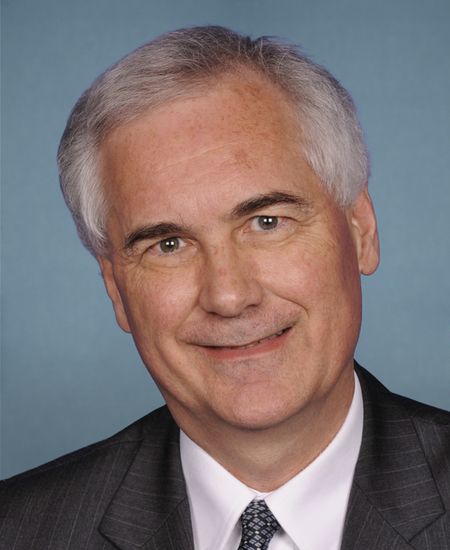
Tom McClintock
Tom McClintock House · District 5
R
Strong −
12% 8
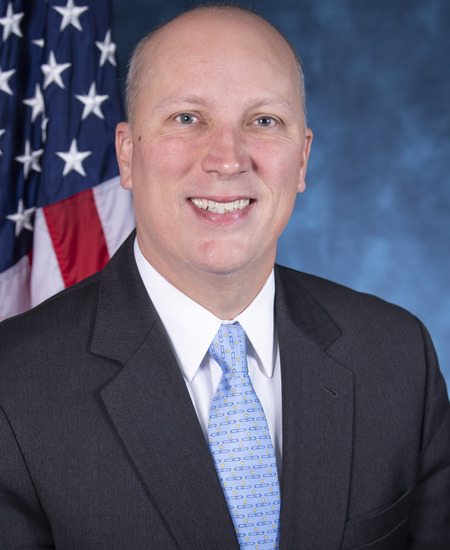
Chip Roy
Chip Roy House · District 21
R
Strong −
14% 7
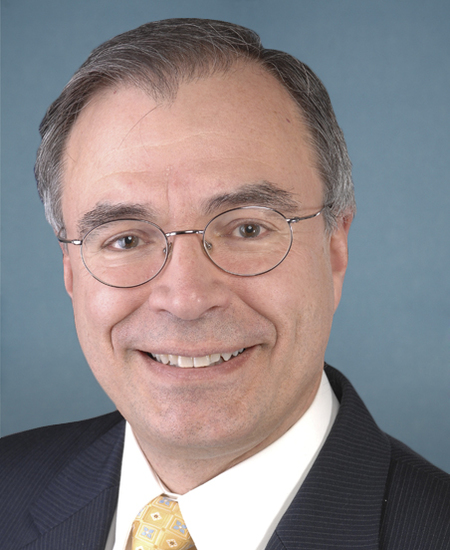
Andy Harris
Andy Harris House · District 1
R
Strong −
20% 10
Keith Self
Keith Self House · District 3
R
Strong −
20% 10
Showing 1,001–1,010 of 1,194 bills

All education bills

in committee · United States · House Sep 16, 2025

HR 5399: Equitable Arts Education Enhancement Act

HR 5399, the Equitable Arts Education Enhancement Act, provides competitive federal grants to Minority-Serving Institutions (MSIs) to expand access to arts education for Black, Indigenous, and people of color students. The bill directs grant funds toward specific activities, including financial aid for arts students, mentorship programs, career counseling, and preserving BIPOC art collections. MSIs must prioritize initiatives directly benefiting minority students, such as outreach programs, paid internships with arts organizations, and training for future arts educators. This legislation aims to address systemic underfunding and lack of diversity in arts education by supporting institutions uniquely positioned to serve diverse artists and students.
in committee · United States · House Sep 3, 2025

HR 5123: Indoor Air Quality and Healthy Schools Act of 2025

This bill requires the EPA to establish guidelines for indoor air contaminants like radon, formaldehyde, and carbon monoxide that affect schools and childcare facilities. It mandates a national assessment of indoor air quality in these buildings, with updates every five years, and provides technical assistance to schools and childcare providers to implement air quality improvements. The EPA must publish science-based guidelines with recommended concentration limits for key contaminants and support voluntary building certifications for healthier indoor environments. These provisions directly impact local schools, childcare centers, and state/local governments responsible for building maintenance and health standards.
in committee · United States · House Apr 1, 2025

HR 2530: Healthy Lunch for Healthy Kids Act

The Healthy Lunch for Healthy Kids Act amends the National School Lunch Program to prohibit ultraprocessed foods (using the NOVA classification system) and specific additives in school meals. It directly affects students in schools participating in the National School Lunch Program by banning ingredients like artificial dyes (yellow dye 5/6, blue dyes, red dyes), potassium bromate, propylparaben, titanium dioxide, and brominated vegetable oil. The bill requires schools to remove these items from meals served under the program, focusing on reducing consumption of highly processed ingredients. This change applies to all schools receiving federal funding through the National School Lunch Act. The policy aims to improve meal nutrition standards without specifying implementation details or outcomes.
in committee · United States · House Jan 31, 2025

HR 899: To terminate the Department of Education.

HR 899 would end the U.S. Department of Education by December 31, 2026, terminating its federal agency status. This bill directly affects all federal education programs and operations currently managed by the Department, such as student aid and school funding. The key mechanism is a fixed termination date, requiring the transfer of the Department's responsibilities to other federal agencies without specifying new administrative structures. The bill focuses solely on ending the agency's existence, not altering education policy or funding mechanisms.
passed · United States · House Mar 25, 2025

HR 730: Mathematical and Statistical Modeling Education Act

This bill authorizes $10 million annually (2026-2030) for the National Science Foundation to fund grants supporting mathematical and statistical modeling education in K-12 schools. It requires funded projects to focus on engaging students from groups historically underrepresented in STEM, using real-world data and computational tools, and addressing transitions like middle school to high school. The bill also allocates $1 million to fund a National Academies study on best practices for integrating these skills across curricula. These efforts aim to address a projected STEM workforce shortage by better preparing students for data-driven careers in fields like technology, healthcare, and engineering.
Sub-Topics K-12 Education
in committee · United States · House Jun 25, 2025

HR 4120: Supporting the Mental Health of Educators and Staff Act of 2025

HR 4120, the *Supporting the Mental Health of Educators and Staff Act of 2025*, provides federal funding to improve mental health support for school staff. It allocates $35 million annually (2026-2028) for grants to schools, colleges, and state agencies to create or expand proven programs - like peer support networks, suicide prevention training, and telehealth access - to address mental health and substance use concerns among educators. The bill also authorizes $10 million for a national awareness campaign to reduce stigma and encourage staff to seek care. It requires annual reporting on program outcomes and a federal review of mental health barriers, but does not directly affect students or parents.
in committee · United States · House Sep 30, 2025

HR 5655: No Shame at School Act of 2025

HR 5655, the "No Shame at School Act of 2025," requires schools to eliminate stigma around unpaid meal fees for students. It mandates that school districts automatically certify eligible students for free/reduced meals (replacing "may" with "shall"), prohibits physical segregation or public identification of students with unpaid fees (like special tokens or name lists), and bans withholding grades or activities due to meal debt. The bill also prevents schools from using debt collectors for meal fees and requires adjustments to past meal claims when eligibility is later confirmed. This directly affects schools, local educational agencies, and students from households with outstanding meal fees.
in committee · United States · House May 20, 2025

HR 3519: Universal School Choice Act

The Universal School Choice Act (HR 3519) creates tax credits for individuals and corporations that contribute to scholarship granting organizations providing education scholarships. The bill establishes a $10 billion annual cap on these credits and defines "qualified" education expenses to include tuition, materials, tutoring, and other costs at public or private schools, including religious institutions. Scholarship granting organizations must meet requirements like income verification for low-income students and annual audits. The legislation prohibits government control over these organizations and ensures religious schools can participate without discrimination. This bill would directly affect taxpayers making education contributions, scholarship organizations, and students attending participating schools.
passed both · United States · House Sep 16, 2026

HR 5334: Lindsey O. Graham Sanctioning Russia and Iran Act of 2026

HR 5334, the SEED Act of 2025, expands the existing educator expense deduction under federal tax law to explicitly include early childhood educators. It revises the Internal Revenue Code to cover expenses for "early childhood educators" and broadens the educational levels affected to include "pre-kindergarten through grade 12." This change allows early childhood educators (such as preschool teachers) to deduct work-related expenses like classroom supplies and professional development costs, which they previously could not claim under the existing deduction for "kindergarten through grade 12" teachers. The amendment applies to expenses incurred in taxable years beginning after December 31, 2024.
in committee · United States · House Jun 9, 2025

HR 3852: Reimagining Inclusive Arts Education Act

The Reimagining Inclusive Arts Education Act establishes a federal grant program to improve arts education access for students with disabilities in K-12 schools. It provides competitive grants to eligible schools, school districts, or partnerships with colleges/nonprofits to develop inclusive curricula, adapt classroom materials, and integrate creative arts therapies (like art or music therapy) into arts education. Grants, capped at 3 years with potential renewal, prioritize schools serving students with disabilities and those receiving Title I funding, while requiring geographic and socioeconomic diversity in grant distribution. The program is funded with $15 million over five years (2026-2030) to support professional development for educators and therapeutic approaches that enhance inclusion.
Showing 1,001 to 1,010 of 1,194 bills