Issue · Labor & Employment

Labor & Employment

Every labor & employment bill, vote, and legislator stance in United States, automatically classified by Maddy, our AI policy reader.

Total bills
1,543
119th Congress
Top supporter
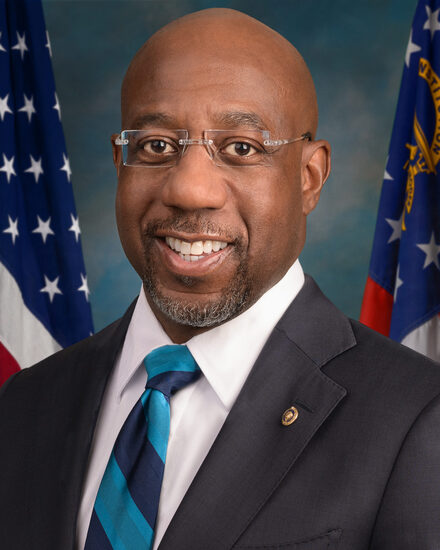
Raphael G. Warnock
100% support rate
Top opponent
Eric Burlison
31% support rate
Ranked legislators
10
5 support · 5 oppose
Key legislators

Who's moving labor & employment in United States

Legislators moving labor & employment in United States
Legislator Party Stance Support rate Votes
Raphael G. Warnock
Raphael G. Warnock Senate
D
Strong +
100% 211
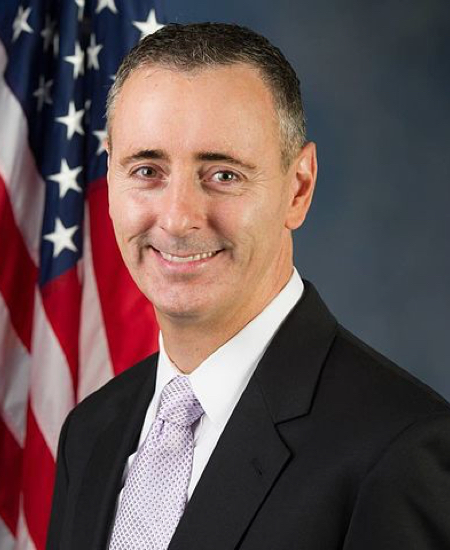
Brian K. Fitzpatrick
Brian K. Fitzpatrick House · District 1
R
Strong +
92% 194
Robert P. Bresnahan, Jr.
Robert P. Bresnahan, Jr. House · District 8
R
Strong +
92% 197
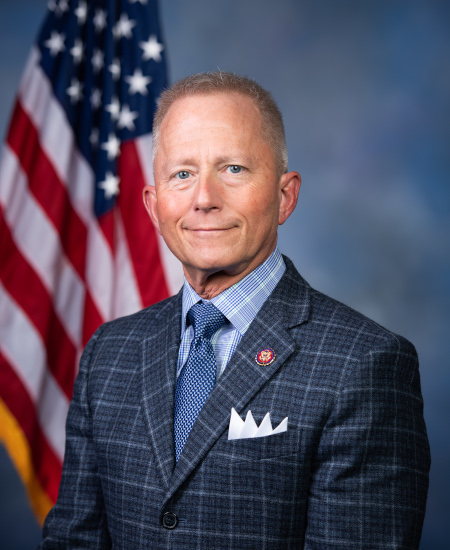
Jefferson Van Drew
Jefferson Van Drew House · District 2
R
Strong +
92% 197
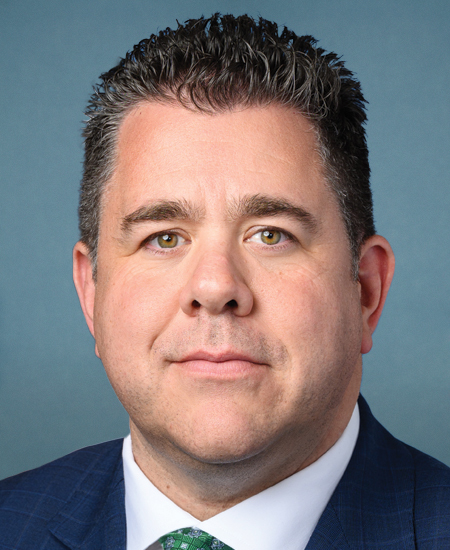
Nick LaLota
Nick LaLota House · District 1
R
Strong +
92% 195
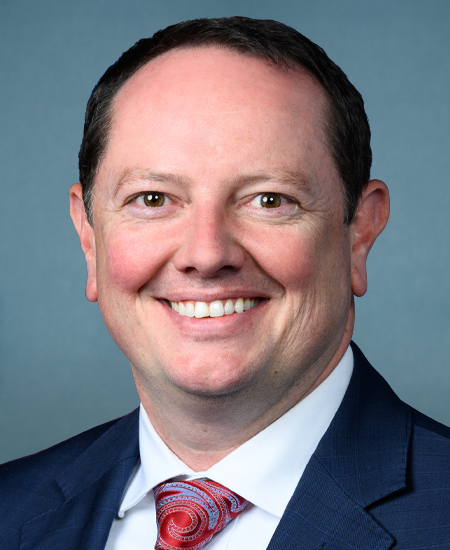
Eric Burlison
Eric Burlison House · District 7
R
Oppose
31% 197
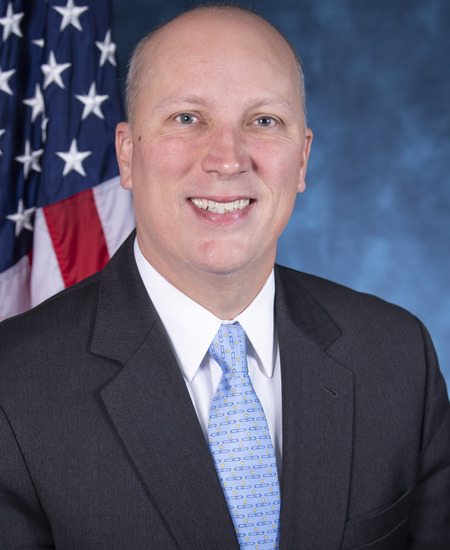
Chip Roy
Chip Roy House · District 21
R
Oppose
31% 190
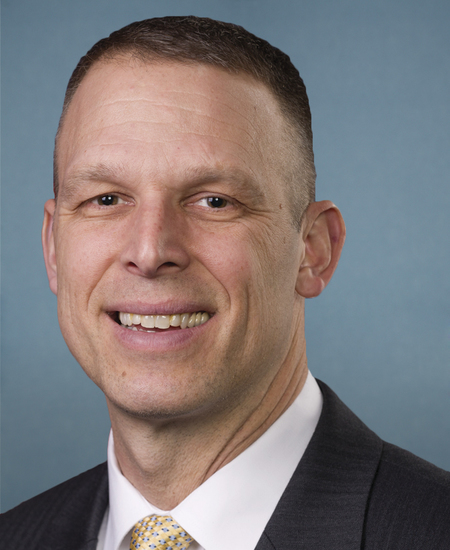
Scott Perry
Scott Perry House · District 10
R
Oppose
31% 194
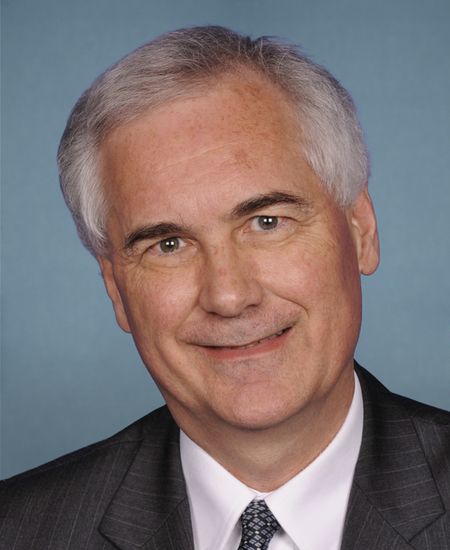
Tom McClintock
Tom McClintock House · District 5
R
Oppose
31% 190
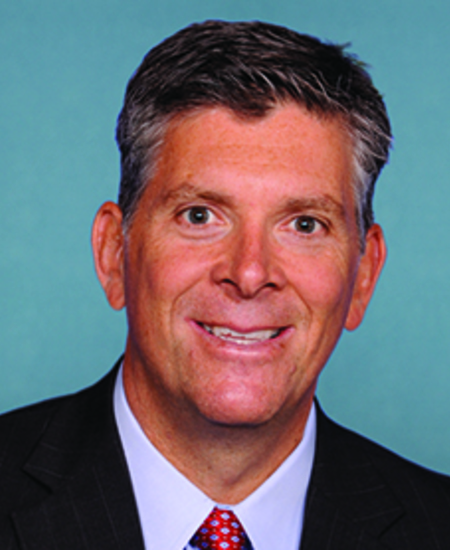
Darin LaHood
Darin LaHood House · District 16
R
Oppose
33% 175
Showing 31–40 of 1,543 bills

All labor & employment bills

in committee · United States · House Aug 10, 2026

HR 10070: Border Patrol Overtime Parity Act

The Border Patrol Overtime Parity Act amends federal law to expand eligibility for special overtime pay rates for U.S. Border Patrol agents. Currently, these higher pay rates are restricted to agents occupying positions at the GS-12 grade level or above. By removing this specific grade requirement from the statute, the bill allows agents in lower-grade positions to qualify for the same overtime compensation. This change directly affects Border Patrol officers by broadening the group of employees who can receive additional pay for working beyond standard hours.
Sub-Topics Labor Standards
in committee · United States · Senate Aug 5, 2026

S 5263: Workforce Recovery and Resilience Act

The Workforce Recovery and Resilience Act amends the Workforce Innovation and Opportunity Act to direct federal resources toward communities significantly affected by high rates of substance use disorders. It requires the Secretary of Labor to annually update and distribute evidence-based practices to states and local areas for addressing the economic impacts of these disorders. Additionally, the bill creates a new category of national dislocated worker grants that can be awarded to entities providing employment and training related to addiction treatment, mental health care, and pain management in areas where demand exceeds local resources. Eligible recipients for this assistance include dislocated workers, long-term unemployed individuals, those underemployed due to widespread substance use, and healthcare professionals involved in these treatment fields.
in committee · United States · Senate Aug 6, 2026

S 5296: Pathways to Health Careers Act

The Pathways to Health Careers Act establishes a federal grant program effective October 1, 2026, to train low-income individuals for careers in health professions such as nursing, emergency medical services, and allied health fields. The legislation allocates $435 million annually from fiscal years 2027 through 2031 to fund these initiatives, with specific requirements ensuring that at least two grants are awarded in each state and the District of Columbia, along with dedicated funding for tribal entities and U.S. territories. Key provisions mandate that grant recipients provide comprehensive support services, including adult basic education, childcare, transportation assistance, and cash stipends, while also requiring rigorous evaluations of demonstration projects focused on individuals with criminal records and maternal health career pathways.
in committee · United States · House Aug 13, 2026

HR 10085: Lifelong Learning Act

The Lifelong Learning Act amends the Workforce Innovation and Opportunity Act to increase the percentage of federal funds that states must reserve for incumbent worker training and transitional jobs programs. It requires states to report on the performance outcomes of these specific training initiatives, which will then be used to adjust performance targets for other adult and dislocated worker programs. Additionally, the bill expands flexibility by allowing local boards to serve as one-stop operators if they enter into written agreements with local officials and adhere to strict conflict-of-interest controls.
in committee · United States · Senate Aug 6, 2026

S 5301: Voice for Farm Workers Act

The Voice for Farm Workers Act expands the role of the Farmworker Coordinator within the Department of Agriculture to better support agricultural employees and rural communities. The bill authorizes the Coordinator to hire necessary staff and extend their term of service through 2031. Key provisions require the Coordinator to assess the effectiveness of federal outreach programs, coordinate services across various USDA agencies, and publicize information about available benefits for farmworkers. Additionally, the legislation directs the Coordinator to identify research priorities focused on workforce stability and economic resilience while recommending new initiatives to the Secretary of Agriculture.
in committee · United States · Senate Jul 15, 2026

S 4983: Harry Reid Immigration Stabilization Act

This bill, the Harry Reid Immigration Stabilization Act, establishes a comprehensive framework to reduce overall immigration numbers, reform asylum procedures, increase penalties for criminal behavior, and enhance border security measures. It directly affects immigrants, refugees, asylum seekers, employers, and law enforcement agencies by setting strict caps on family and employment-based visas, requiring a 30-day filing deadline for asylum applications, and expanding the definition of aggravated felonies to include a wider range of crimes. Key mechanisms include mandating that employers verify work eligibility through a telephone verification system, creating a new border crossing fee, and requiring states to verify immigration status to receive certain federal benefits. Additionally, the legislation introduces stricter rules for criminal aliens facing expedited deportation, increases penalties for alien smuggling, and clarifies citizenship requirements for children born to non-citizen parents.
in committee · United States · House Aug 6, 2026

HR 10035: Protecting Independent Contractors from Discrimination Act of 2026

This bill, titled the Protecting Independent Contractors from Discrimination Act of 2026, aims to extend federal anti-discrimination protections to individuals who work under independent contracts. It directly affects independent contractors by legally classifying them as employees under several major federal laws, including Title VII of the Civil Rights Act, the Age Discrimination in Employment Act, and the Americans with Disabilities Act. The key mechanism involves amending the definitions of "employee" or "applicant for employment" within these existing statutes to explicitly include independent contractors. Consequently, independent contractors would gain the same legal recourse against discrimination based on race, age, disability, genetic information, and other protected categories as traditional employees.
in committee · United States · House Aug 3, 2026

HR 10030: Supporting Our Educators Act of 2026

The Supporting Our Educators Act of 2026 increases the tax deduction limit for unreimbursed classroom expenses for elementary and secondary school teachers from $250 to $600. This change directly affects teachers who pay for school-related costs out of pocket, allowing them to deduct a larger portion of these expenses from their taxable income. The provision becomes effective for tax years starting after December 31, 2025, and includes updates to the Internal Revenue Code to reflect the new dollar amount and applicable years.
in committee · United States · House Jul 30, 2026

HR 9995: Restoring Justice for Workers Act

The Restoring Justice for Workers Act prohibits employers from forcing workers to agree to arbitration for workplace disputes and bans agreements that prevent employees from joining together to seek legal relief. Under this bill, any contract requiring arbitration before a dispute arises would be invalid, while agreements made after a dispute occurs must be truly voluntary, require plain language explanations, include a 45-day waiting period, and receive explicit written consent from the worker. The legislation also makes it illegal to retaliate against employees who refuse to sign arbitration clauses and ensures that courts, rather than arbitrators, decide whether these arbitration agreements are valid. Additionally, the act amends the National Labor Relations Act to explicitly forbid employers from interfering with employees' rights to engage in collective actions regarding their work. These changes apply to all workers, including independent contractors, and take effect immediately upon enactment.
Sub-Topics Labor Standards
in committee · United States · Senate Jul 21, 2026

S 5055: National Workforce Transition Fund Act of 2026

This bill creates a temporary National Workforce Transition Fund to help workers and employers manage labor market changes caused by artificial intelligence and emerging technologies. The fund is financed by exempting AI data centers from certain tax depreciation limits, with the resulting revenue transferred to the Treasury and then allocated to the fund over five years. A new National Workforce Transition Board will oversee the program, developing strategies to assess workforce impacts and directing resources toward training, job placement, and employer retention initiatives. The legislation prioritizes support for workers facing employment disruption without requiring them to prove that technology was the sole cause of their job loss, while also funding improvements to labor market data systems. All provisions related to the fund and workforce activities are set to expire five years after the bill is enacted.
Showing 31 to 40 of 1,543 bills
Previous 1 3 4 5 155 Next