Issue · Healthcare

Healthcare (Women's Health)

Every healthcare bill, vote, and legislator stance in United States, automatically classified by Maddy, our AI policy reader.

Total bills
296
119th Congress
Top supporter
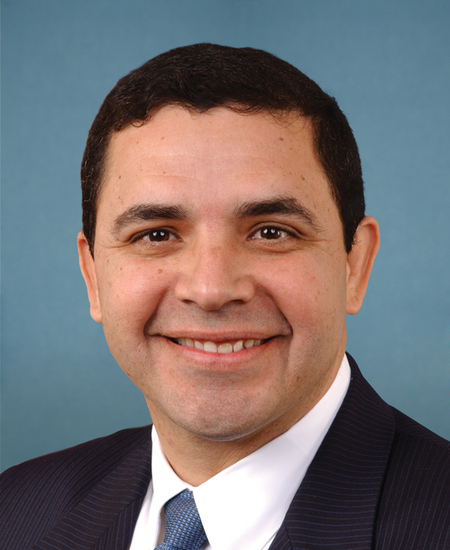
Henry Cuellar
100% support rate
Top opponent
John Garamendi
33% support rate
Ranked legislators
6
5 support · 1 oppose
Key legislators

Who's moving women's health in United States

Legislators moving women's health in United States
Legislator Party Stance Support rate Votes
Henry Cuellar
Henry Cuellar House · District 28
D
Strong +
100% 4
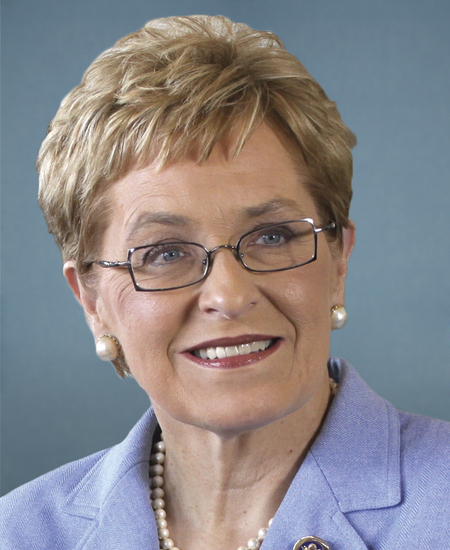
Marcy Kaptur
Marcy Kaptur House · District 9
D
Support
67% 3
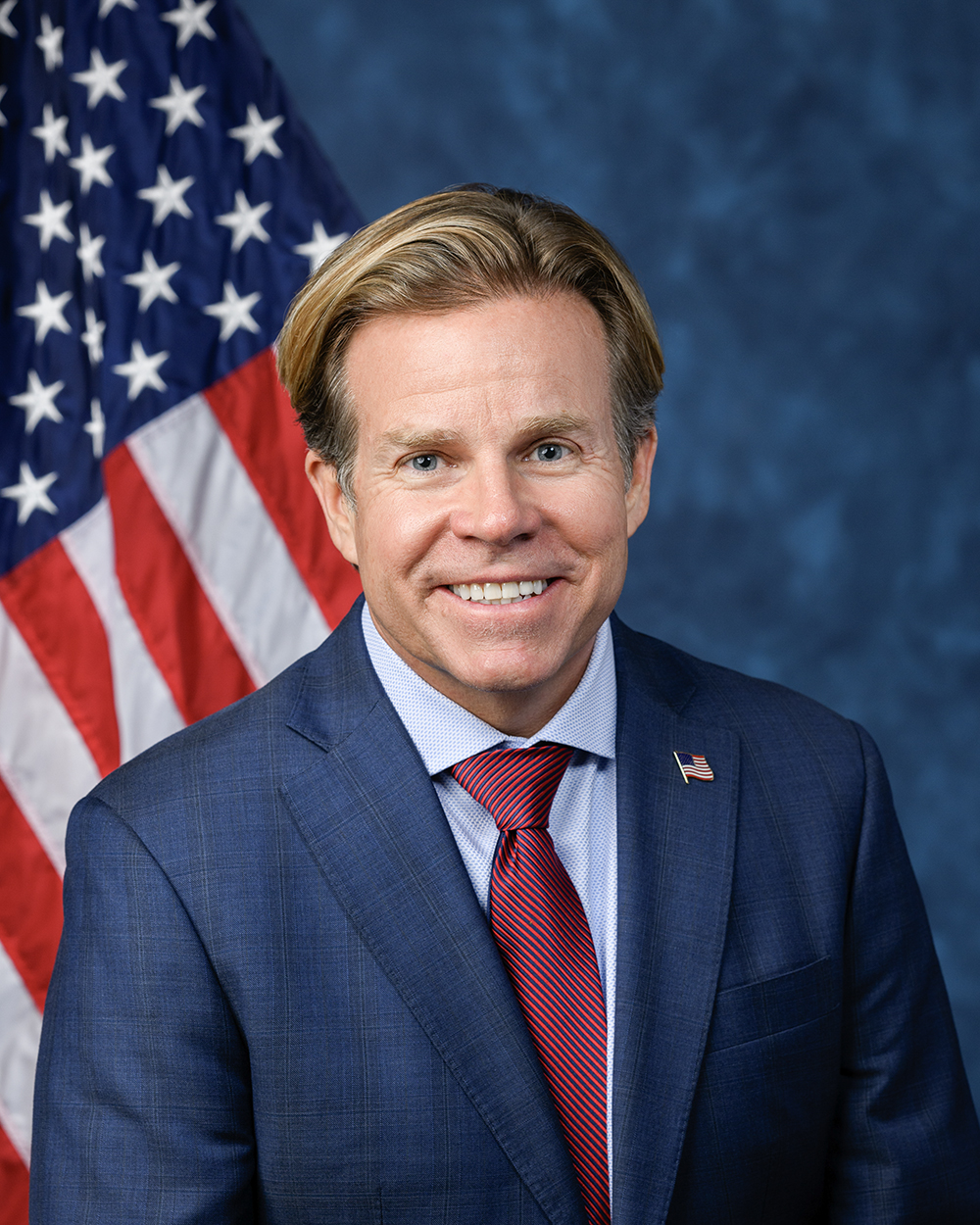
Mike Haridopolos
Mike Haridopolos House · District 8
R
Support
67% 3
Aaron Bean
Aaron Bean House · District 4
R
Mixed
50% 4
Abraham J. Hamadeh
Abraham J. Hamadeh House · District 8
R
Mixed
50% 4
John Garamendi
John Garamendi House · District 8
D
Oppose
33% 3
Showing 1–10 of 296 bills

All healthcare bills

in committee · United States · House Aug 13, 2026

HR 10100: Screen to Save Act

The Screen to Save Act requires Medicare, Medicaid, and private health insurance plans to cover annual screening mammography for women aged 30 and older at no cost to the patient. This change takes effect on January 1, 2027, and specifically prohibits insurers from charging copays or deductibles for these screenings. The bill also establishes a frequency limit that prevents Medicare from paying for mammograms performed within 11 months of a previous screening for women over 29.
in committee · United States · House Aug 27, 2026

HR 10178: SHIELD Act

The SHIELD Act would prohibit local school districts that receive federal education funds from allowing organizations that provide abortions to distribute information about those services to students on school grounds or through the district's virtual platforms. This ban specifically covers sharing or reposting such materials on social media on behalf of outside abortion providers. The bill defines "abortion-related service" as any medical, surgical, or support care directly related to terminating a pregnancy.
in committee · United States · House Aug 27, 2026

HRES 1491: Expressing support for the designation of the week of August 25 through August 31, 2026, as "Black Breastfeeding Week".

This House resolution expresses support for designating the week of August 25 through August 31, 2026, as "Black Breastfeeding Week" to raise awareness about racial disparities in maternal and infant health. The bill highlights data showing that Black mothers face higher barriers to breastfeeding and experience significantly higher infant mortality rates compared to White mothers. It calls on Congress to support policies that provide affordable healthcare, paid parental leave, and safe workplace accommodations for nursing mothers. Additionally, the resolution urges lawmakers to address broader systemic issues such as housing, transportation, and economic opportunity to improve health outcomes in Black communities.
in committee · United States · Senate Aug 4, 2026

S 5232: Rural Residency Planning and Development Act of 2026

The Rural Residency Planning and Development Act of 2026 authorizes the Secretary of Health and Human Services to provide grants to eligible entities for establishing new physician residency programs in rural areas. These three-year grants support training pathways in general primary care, high-need specialties, and maternal health, with a requirement that residents spend more than half their training time in rural settings. The bill also creates a separate four-year technical assistance program to help organizations apply for and manage these residency initiatives. Eligible recipients include public or private nonprofit and for-profit entities, Indian Tribes, rural hospitals, and medical schools. The legislation authorizes $12.7 million annually for fiscal years 2027 through 2031 to fund these programs.
Sub-Topics Healthcare Workforce Primary Care Women's Health Tags Rural Communities
in committee · United States · Senate Aug 6, 2026

S 5296: Pathways to Health Careers Act

The Pathways to Health Careers Act establishes a federal grant program effective October 1, 2026, to train low-income individuals for careers in health professions such as nursing, emergency medical services, and allied health fields. The legislation allocates $435 million annually from fiscal years 2027 through 2031 to fund these initiatives, with specific requirements ensuring that at least two grants are awarded in each state and the District of Columbia, along with dedicated funding for tribal entities and U.S. territories. Key provisions mandate that grant recipients provide comprehensive support services, including adult basic education, childcare, transportation assistance, and cash stipends, while also requiring rigorous evaluations of demonstration projects focused on individuals with criminal records and maternal health career pathways.
in committee · United States · Senate Aug 6, 2026

S 5283: Momnibus Act

The Momnibus Act is a comprehensive legislative package designed to address maternal health disparities by expanding access to care, improving data collection, and funding community-based interventions for pregnant and postpartum individuals. Key provisions include extending WIC nutrition benefits for new mothers from six months to two years, establishing a federal task force to coordinate efforts across government agencies, and creating grant programs to support social determinants of health such as housing, transportation, and mental health services. The bill also mandates respectful maternity care training for hospital staff, requires states to restrict the shackling of pregnant individuals in prison to maintain federal funding eligibility, and authorizes significant research funding through the National Institutes of Health to study maternal mortality causes and climate change impacts on pregnancy outcomes.
in committee · United States · House Jul 30, 2026

HR 9996: No Surprise Bills for New Moms Act

The No Surprise Bills for New Moms Act updates federal health laws to ensure newborns receive immediate coverage for medical services within 30 days of birth. This legislation directly affects parents enrolled in group health plans, individual insurance policies, or employer-sponsored plans by mandating that these providers cover their newborns without requiring prior enrollment. The bill also requires insurers to offer a special enrollment period lasting at least 60 days after the initial coverage window and to notify parents immediately if a newborn is not enrolled when medical claims are submitted. By amending the Public Health Service Act, the Employee Retirement Income Security Act, and the Internal Revenue Code, the law standardizes these protections across different types of health insurance coverage.
in committee · United States · House Jul 21, 2026

HR 9817: Justice for Incarcerated Moms Act

The Justice for Incarcerated Moms Act aims to improve maternal health outcomes for pregnant and postpartum individuals in the criminal justice system by restricting financial incentives for states that use restraints on pregnant inmates. Under the bill, states receiving federal justice grants would face a 25 percent funding penalty if they fail to implement laws limiting the use of shackles on pregnant individuals, with those withheld funds redirected to compliant states. The legislation also directs the Bureau of Prisons and the Department of Justice to create and fund programs in at least six federal facilities and across various state and local prisons that provide specialized prenatal care, mental health support, and reentry assistance. These programs are designed to address specific health disparities, particularly for racial and ethnic minority groups, by offering culturally competent care, nutrition counseling, and opportunities to maintain contact with newborn children. Additionally, the act requires an independent oversight organization to monitor program implementation and mandates a Government Accountability Office report to analyze maternal and infant health data within the correctional system.
in committee · United States · Senate Jun 24, 2026

S 4879: Let Doctors Provide Reproductive Health Care Act

The Let Doctors Provide Reproductive Health Care Act prohibits states and their officials from restricting or penalizing health care providers who offer reproductive health services that are legal in the state where they are performed. This includes banning laws that stop doctors, nurses, pharmacists, or their staff from providing abortion, contraception, or other reproductive care, as well as preventing the denial of professional liability insurance based on these services. The bill establishes a private right of action allowing providers to sue in federal court to challenge such restrictions and mandates that the federal government cannot use funds to support legal cases against providers acting within state law. Additionally, the legislation appropriates $80 million in grants to support legal defense funds for providers facing lawsuits and to improve physical and cybersecurity measures at health care facilities.
Sub-Topics Women's Health
in committee · United States · House Jul 22, 2026

HR 9842: State Offices of Women’s Health Support and Expansion Act

This bill establishes a federal grant program to help states create or maintain dedicated offices focused on women's health. The funding, totaling $55 million annually from 2027 to 2031, is split evenly between all states and a formula based on factors like maternal mortality and poverty rates. Recipients must use the money for public education, data collection, and addressing social issues like housing and food insecurity, while also forming community advisory panels. The legislation includes strict rules prohibiting the use of funds to discourage reproductive health services and mandates strong privacy protections for any data collected.
Sub-Topics Women's Health
Showing 1 to 10 of 296 bills
1 2 3 30 Next