Issue · Labor & Employment

Labor & Employment

Every labor & employment bill, vote, and legislator stance in United States, automatically classified by Maddy, our AI policy reader.

Total bills
1,553
119th Congress
Top supporter
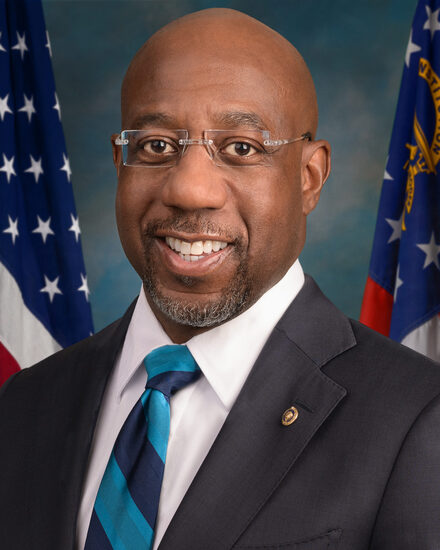
Raphael G. Warnock
100% support rate
Top opponent
Chip Roy
29% support rate
Ranked legislators
10
5 support · 5 oppose
Key legislators

Who's moving labor & employment in United States

Legislators moving labor & employment in United States
Legislator Party Stance Support rate Decisive votes
Raphael G. Warnock
Raphael G. Warnock Senate
D
Strong +
100% 8
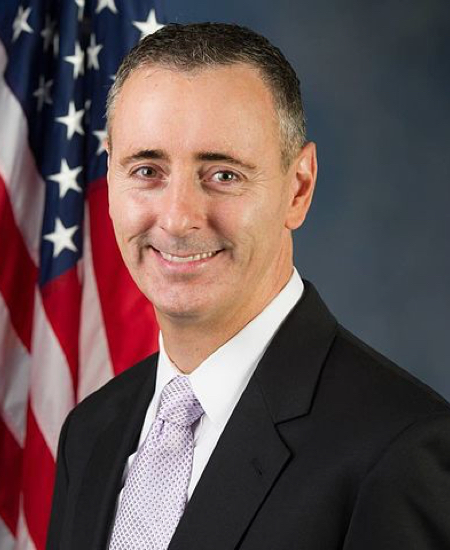
Brian K. Fitzpatrick
Brian K. Fitzpatrick House · District 1
R
Strong +
93% 14
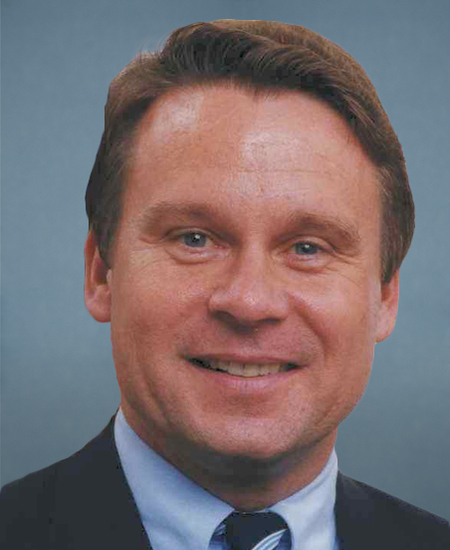
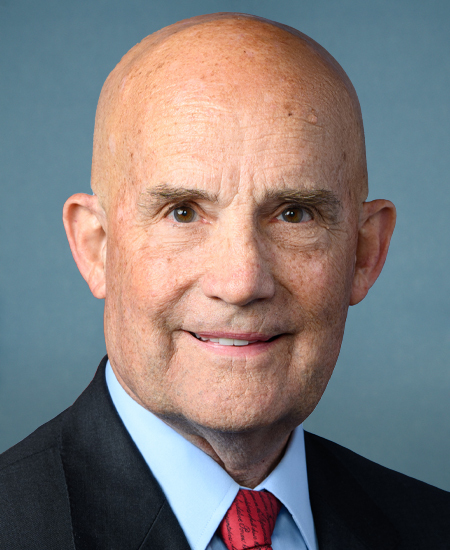
Christopher H. Smith
Christopher H. Smith House · District 4
R
Strong +
93% 14
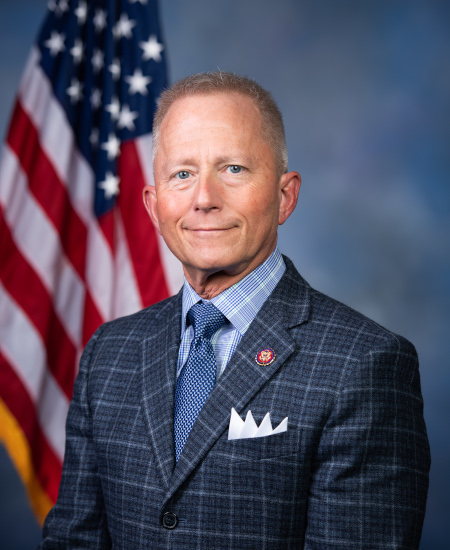
Jefferson Van Drew
Jefferson Van Drew House · District 2
R
Strong +
93% 14
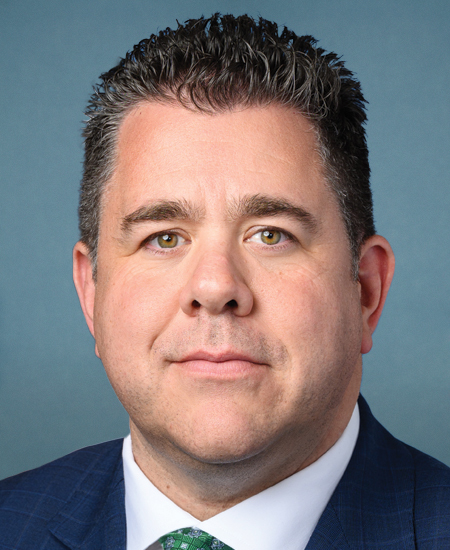
Nick LaLota
Nick LaLota House · District 1
R
Strong +
93% 14
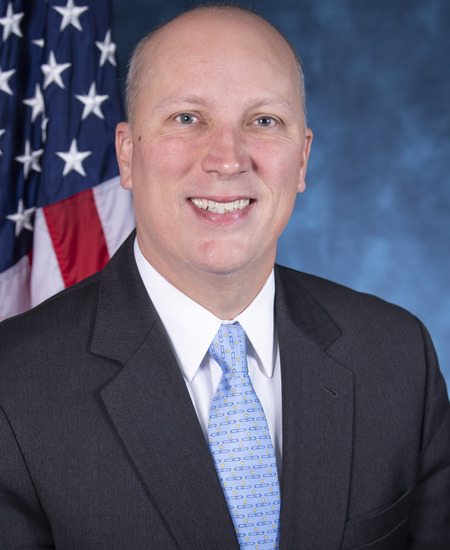
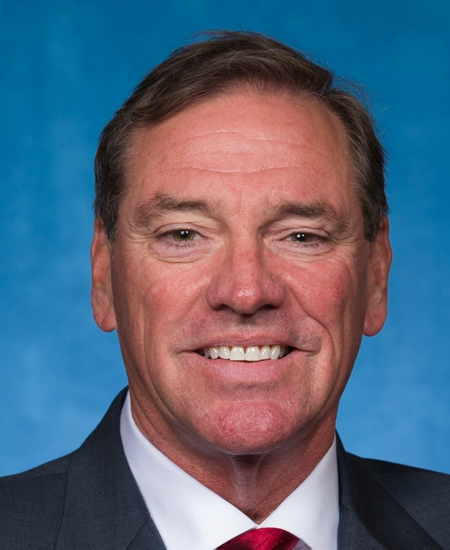
Chip Roy
Chip Roy House · District 21
R
Oppose
29% 14
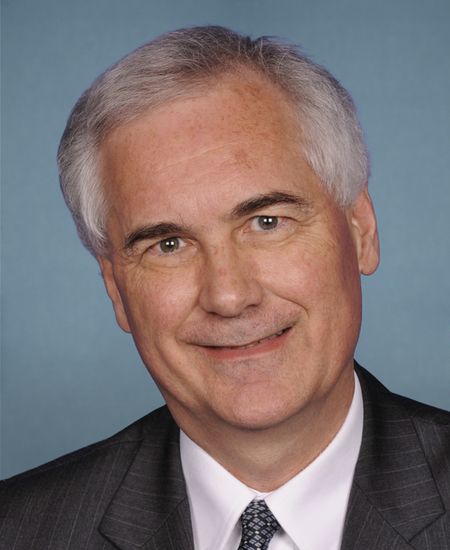
Tom McClintock
Tom McClintock House · District 5
R
Oppose
29% 14
Keith Self
Keith Self House · District 3
R
Oppose
31% 13
Neal P. Dunn
Neal P. Dunn House · District 2
R
Oppose
33% 9
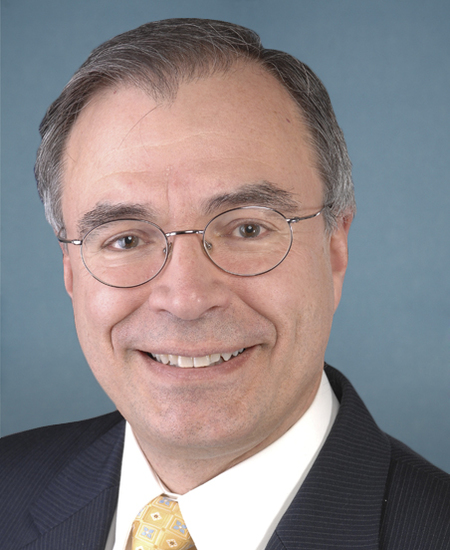
Andy Harris
Andy Harris House · District 1
R
Oppose
36% 14
Showing 341–350 of 1,553 bills

All labor & employment bills

in committee · United States · House Apr 6, 2026

HR 8207: Parental Bereavement Act of 2026

This bill expands family leave protections under the Family and Medical Leave Act to include time off for employees when their son or daughter dies. It allows eligible workers to take up to 12 weeks of unpaid leave within 12 months of the death, with provisions for using paid leave balances and requiring advance notice when the loss is foreseeable. The legislation also updates rules for civil service employees and establishes certification requirements that employers may request to verify the need for leave.
in committee · United States · Senate Mar 26, 2026

S 4271: Support our Firefighters Act

The Support our Firefighters Act establishes mandatory rest and recuperation leave for federal wildland firefighters working for the Forest Service and Department of the Interior. The bill requires these employees to take paid leave after completing specific deployment periods, such as 3 days after 14 days of work or 4 days after 21 days of work, with policies set jointly by the Secretaries of Agriculture and the Interior. Additionally, the legislation allows up to $5 million in unspent wildfire management funds to be transferred between the two departments to support ongoing salary increases for firefighters. The act also removes expiration dates on overtime pay provisions for wildland firefighters, ensuring these benefits continue indefinitely rather than being limited to specific years.
in committee · United States · Senate Mar 24, 2026

S 4174: A bill to provide a premium payment to employees who worked without receiving pay during the shutdown of the Department of Homeland Security of 10 percent of the pay the employees should have received during the shutdown.

This bill requires the Department of Homeland Security to pay affected employees 10 percent of their regular pay for hours worked without compensation during a government shutdown. It specifically targets unpaid employees who worked during a covered lapse in appropriations beginning on February 14, 2026, and excludes those who received regular pay for their work. The agency heads must make this one-time premium payment within one day after the shutdown ends, calculated based on the number of unpaid hours worked and each employee's hourly basic pay rate.
Sub-Topics Labor Standards
in committee · United States · House Jul 21, 2026

HR 8183: MATCH Act of 2026

This bill establishes a new talent marketplace system to connect job seekers with employers and training programs using digital platforms that support open standards and interoperable data sharing. It creates a federal grant program requiring states to allocate 5-10 percent of workforce funds toward building these marketplaces, which include digital tools for tracking skills, verifying credentials, and generating standardized skill profiles. The legislation also mandates that states make these platforms publicly accessible through one-stop delivery systems while protecting user privacy and ensuring websites are easy to navigate and compare programs.
in committee · United States · Senate Mar 25, 2026

S 4186: Perinatal Workforce Act

The Perinatal Workforce Act directs the Health and Human Services Secretary to issue guidance encouraging hospitals and insurers to recruit and retain diverse maternity care providers, incorporate midwives and other specialists into care teams, and provide culturally congruent care. It also authorizes grants to establish or expand training programs for physician assistants, perinatal health workers, and midwives, with priority given to institutions that recruit from minority and underserved communities and include implicit bias training in their curricula. A separate grant program provides scholarships to nursing students focused on maternal and perinatal health, prioritizing schools that serve diverse populations and address health disparities in shortage areas. The bill requires the Secretary and the Government Accountability Office to conduct studies and reports on barriers to maternal health education, access to care, and disparities in outcomes, with $15 million authorized annually for each program from 2027 through 2031.
in committee · United States · Senate Mar 24, 2026

S 4178: National Transit Frontline Workforce Training Act

This bill creates a Transit Workforce Center to help improve training and support for frontline public transportation workers across the United States. The Federal Transit Administration would establish this center by awarding grants to a qualified nonprofit organization that operates nationally and has experience in workforce development. The center would develop training programs, provide technical assistance, share educational resources, and analyze workforce data to help transit agencies recruit, hire, train, and retain skilled workers. It would also focus on emerging technology areas and work in partnership with labor groups, industry associations, and transit providers to address workforce needs in urban, suburban, rural, and Tribal areas.
in committee · United States · House Apr 14, 2026

HRES 1170: Supporting the designation of April 10 as "Dolores Huerta Day", in honor of the accomplishments and legacy of the trailblazing labor and civil rights leader Dolores Huerta.

This resolution formally recognizes April 10 as Dolores Huerta Day to honor the civil rights and labor leader's legacy. It does not create a federal holiday or change laws but expresses the House of Representatives' support for the designation. The text highlights Huerta's contributions to farm workers' rights, women's equality, and Latino political representation through a series of "whereas" clauses detailing her achievements. The resolution serves as a commemorative statement rather than a policy change, directing no new actions or funding.
in committee · United States · House Apr 14, 2026

HR 8273: Catching Up Family Caregivers Act of 2026

This bill allows unpaid family caregivers to make additional retirement contributions to their Individual Retirement Accounts (IRAs) without being subject to the usual age restrictions. To qualify, an individual must provide at least 500 hours of unpaid care for a child or an adult with special needs while working fewer than 500 hours of paid employment in the same year. The law defines caregiving tasks to include daily activities like bathing, medication management, and transportation, and permits employers to accept a caregiver's written statement as proof of their status. These changes would take effect for retirement years beginning after December 31, 2026, helping family members who dedicate significant time to caring for relatives save for retirement.
Sub-Topics Retirement Benefits
in committee · United States · Senate Mar 24, 2026

S 4184: Senior Citizens’ Freedom to Work Act of 2026

This bill, the Senior Citizens' Freedom to Work Act of 2026, removes restrictions that currently reduce Social Security and Railroad Retirement benefits for older Americans who work after reaching retirement age. The key provision repeals the Retirement Earnings Test, which previously lowered monthly payments for beneficiaries who earned income from employment or self-employment. By eliminating these deductions, the legislation allows seniors to continue working without facing benefit reductions, directly affecting retirees who wish to remain in the workforce. The changes apply to taxable years beginning after the bill is enacted and include technical updates to related provisions in the Social Security Act and Railroad Retirement Act.
Sub-Topics Retirement Benefits Tags Seniors
in committee · United States · House Apr 14, 2026

HRES 1173: Expressing support for the designation of April 2026 as "Second Chance Month".

This resolution expresses support for designating April 2026 as "Second Chance Month" to raise awareness about barriers faced by people with criminal records. The bill does not create new laws or change existing policies but serves as a symbolic gesture to highlight challenges in employment, housing, and education for formerly incarcerated individuals. It calls on communities, employers, and organizations to promote awareness of these obstacles and encourage efforts to help people reintegrate into society. The resolution honors the bipartisan First Step Act of 2018 and the Second Chance Act of 2007, which provide reentry services to incarcerated individuals.
Sub-Topics Probation & Parole
Showing 341 to 350 of 1,553 bills
Previous 1 34 35 36 156 Next