Issue · Labor & Employment

Labor & Employment

Every labor & employment bill, vote, and legislator stance in United States, automatically classified by Maddy, our AI policy reader.

Total bills
1,543
119th Congress
Top supporter
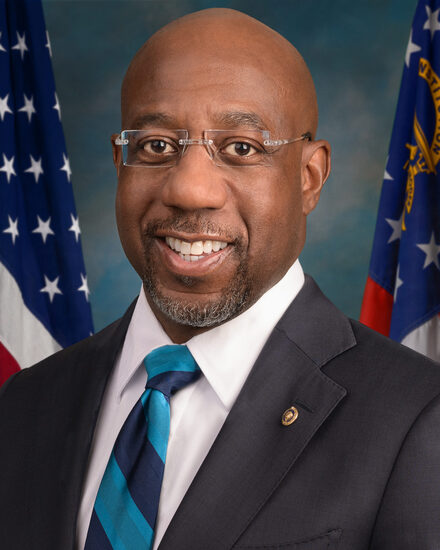
Raphael G. Warnock
100% support rate
Top opponent
Eric Burlison
31% support rate
Ranked legislators
10
5 support · 5 oppose
Key legislators

Who's moving labor & employment in United States

Legislators moving labor & employment in United States
Legislator Party Stance Support rate Votes
Raphael G. Warnock
Raphael G. Warnock Senate
D
Strong +
100% 211
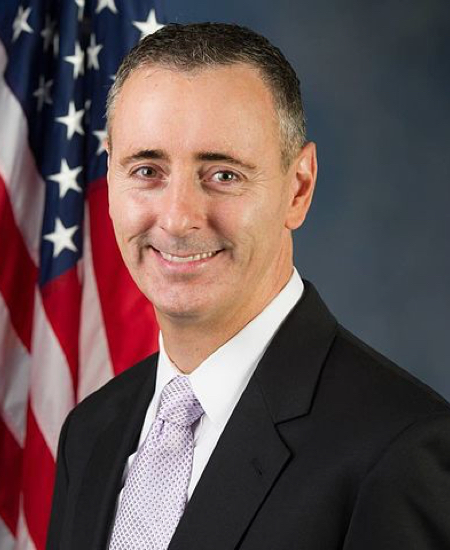
Brian K. Fitzpatrick
Brian K. Fitzpatrick House · District 1
R
Strong +
92% 194
Robert P. Bresnahan, Jr.
Robert P. Bresnahan, Jr. House · District 8
R
Strong +
92% 197
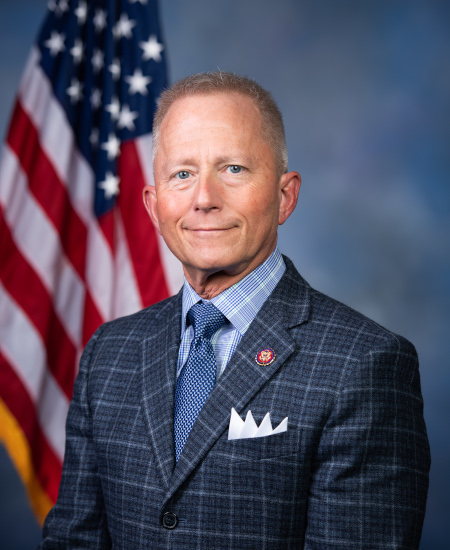
Jefferson Van Drew
Jefferson Van Drew House · District 2
R
Strong +
92% 197
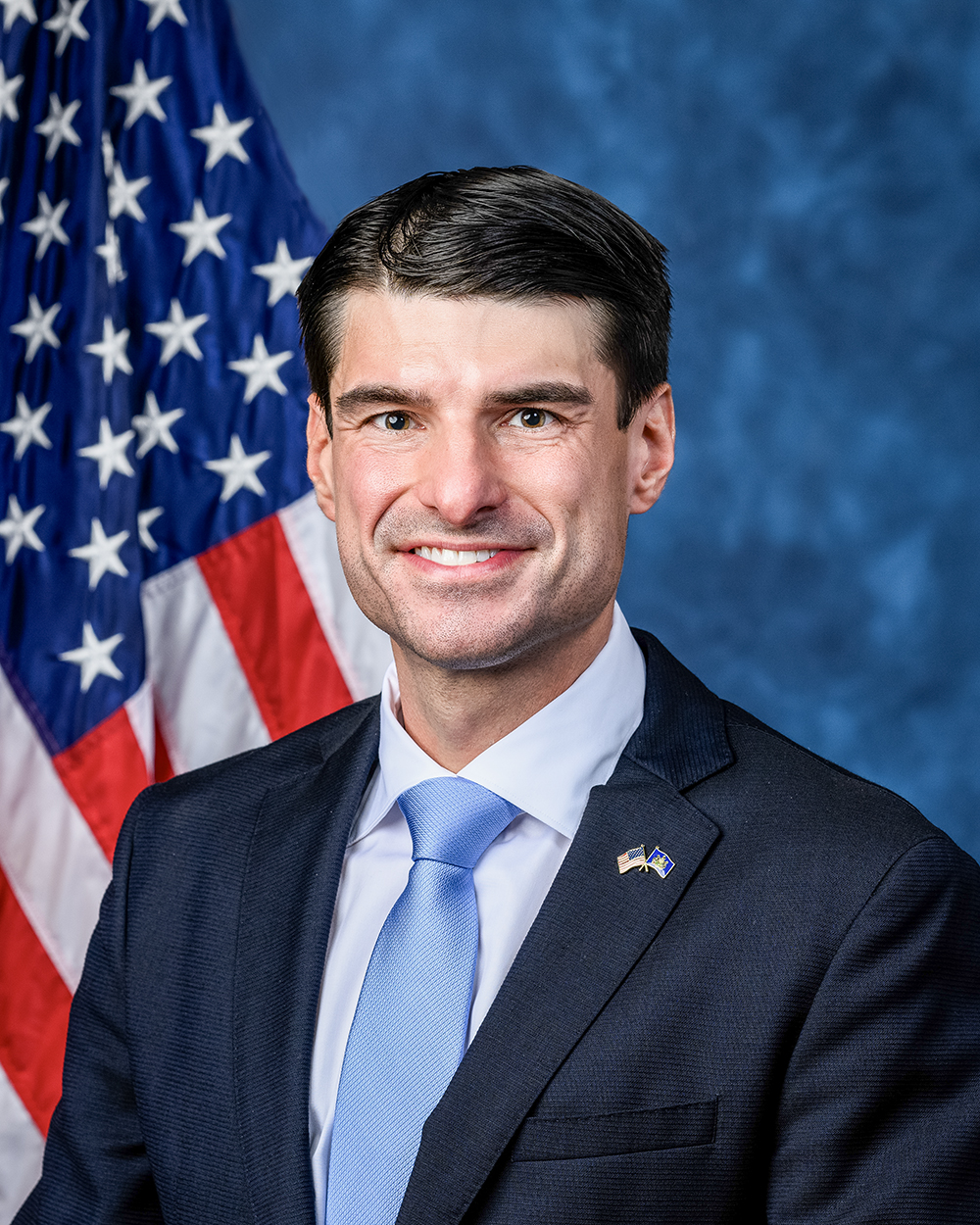
Nick LaLota
Nick LaLota House · District 1
R
Strong +
92% 195
Eric Burlison
Eric Burlison House · District 7
R
Oppose
31% 197
Chip Roy
Chip Roy House · District 21
R
Oppose
31% 190
Scott Perry
Scott Perry House · District 10
R
Oppose
31% 194
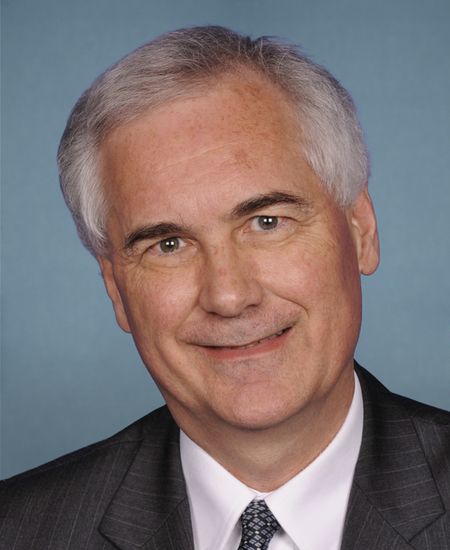
Tom McClintock
Tom McClintock House · District 5
R
Oppose
31% 190
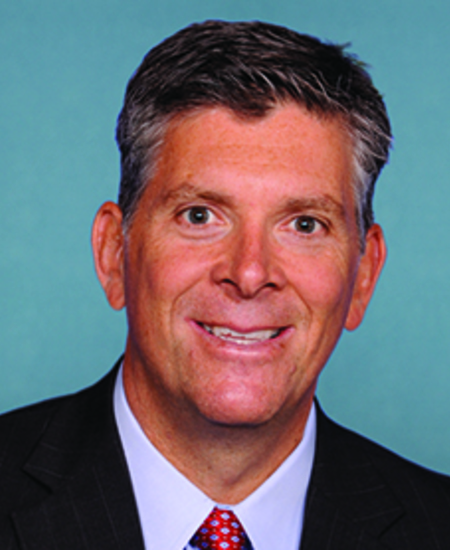
Darin LaHood
Darin LaHood House · District 16
R
Oppose
33% 175
Showing 1,321–1,330 of 1,543 bills

All labor & employment bills

in committee · United States · House Mar 10, 2025

HRES 205: Denouncing the human trafficking and forced labor of and profiteering from Cuban medical personnel serving in third-world countries.

HRES 205 is a resolution condemning Cuba's labor export program for medical personnel, which the U.S. State Department identifies as involving forced labor and human trafficking. It cites a 2024 State Department report stating Cuba profits $6-8 billion annually by withholding workers' wages, confiscating passports, and restricting their movements. The resolution urges foreign governments to pay Cuban medical workers directly (bypassing Cuba) and calls for U.S. visa restrictions against officials from Cuba, Brazil, and other nations involved in the program. It does not create new law but expresses the House's position based on U.S. government findings.
in committee · United States · Senate Oct 1, 2025

S 2963: Fair Pay for Federal Contractors Act of 2025

This bill requires federal agencies to adjust contract prices for contractors affected by government funding lapses (like shutdowns), ensuring contractors can cover costs for employees who were furloughed, laid off, or had reduced hours. It mandates that contractors receive reimbursement for paying employees at their standard rate during the lapse or restoring paid leave used instead of work. The reimbursement is capped at $1,442 per week (pro-rated for part-time workers), and contractors must provide proof of costs to the agency. Agencies must report to Congress within a year on how many contractor employees were impacted and how compensation was handled.
in committee · United States · Senate Jul 16, 2025

S 2306: STEM RESTART Act

The STEM RESTART Act creates a new federal grant program to help mid-career workers (unemployed or underemployed, particularly from rural areas) return to STEM careers through "returnship" programs. It provides funding for small businesses (50-499 employees) to receive $100,000-$1 million annually and medium businesses (500-9,999 employees) to receive $500,000-$5 million annually to develop these programs. The grants require programs to last at least 10 weeks, provide above-entry-level compensation and benefits, and lead to full-time employment with career advancement opportunities. Businesses must report annually on participant demographics and employment outcomes, with the Secretary required to publish best practices based on these reports. The bill authorizes $50 million annually for fiscal years 2026-2030 to fund these initiatives.
in committee · United States · House Dec 3, 2025

HR 6413: Workforce Flexibility Act

The Workforce Flexibility Act amends the Workforce Innovation and Opportunity Act (WIOA) by removing a specific eligibility requirement for youth programs. It eliminates the "out-of-school priority," which previously limited certain workforce services to youth not enrolled in school. This change directly affects youth programs under WIOA, allowing them to serve a broader group of young people without that prior restriction. The bill makes a technical adjustment to program eligibility rules, not a major policy shift.
in committee · United States · Senate May 15, 2025

S 1794: SNAP Next Step Act of 2025

The SNAP Next Step Act of 2025 modifies the Food and Nutrition Act to connect SNAP (food stamp) recipients with workforce training. It defines "covered individuals" as SNAP households where members are unemployed/underemployed, not receiving TANF benefits, and not enrolled in state "Employment First" programs. States can now use SNAP administrative funds to run job training programs under the Workforce Innovation and Opportunity Act (WIOA) for these individuals. Additionally, states must create a free online "employment calculator" on their websites to help SNAP participants compare future earnings with current benefits. This bill directly affects low-income SNAP households seeking employment opportunities.
in committee · United States · Senate Mar 31, 2025

S 1210: Helping to Encourage Real Opportunities (HERO) for Youth Act of 2025

S 1210, the HERO for Youth Act of 2025, expands tax credits for employers hiring qualifying youth. It modifies the Work Opportunity Tax Credit to cover year-round employment (September 16-April 30) for students attending secondary school part-time (≤20 hours/week), not just summer jobs. The bill also creates a new credit for employers hiring "disconnected youth" - individuals aged 16-25 who haven’t attended school or worked regularly for six months, or foster youth aged 16-21. The credit amount is increased, and the changes apply to hires after the bill's enactment. This directly affects employers in states with designated local agencies administering the program.
in committee · United States · Senate Mar 4, 2025

S 844: Faster Labor Contracts Act

The Faster Labor Contracts Act requires employers and newly certified unions to begin negotiating an initial collective bargaining agreement within 10 days of a written request. If no agreement is reached within 90 days, the parties may request mediation from the Federal Mediation and Conciliation Service, which must act within 30 days. If mediation fails, the dispute moves to a binding arbitration panel whose decision - based on factors like employer finances, business type, and industry wages - remains enforceable for two years. This law directly affects employees represented by newly certified unions and their employers by reducing delays in securing first contracts, which historically averaged 465 days.
in committee · United States · House Jul 29, 2025

HR 4825: COTA Act

HR 4825, the COTA Act, amends the Workforce Innovation and Opportunity Act to improve career guidance for skilled trades. It requires workforce programs to provide students with information about high-skill, high-wage, and in-demand career paths - including construction, healthcare, and technology - and to run public awareness campaigns (like social media ads) about these opportunities. This directly affects community colleges, career centers, and workforce development agencies administering federal job training programs. The bill mandates these new guidance and outreach requirements to help connect students and workers with growing industry needs. It does not change funding levels or create new programs, but updates existing workforce development services.
in committee · United States · House Feb 18, 2025

HR 1434: Strengthening Communities through Summer Employment Act

HR 1434 authorizes $200 million to $240 million annually (2026-2030) to fund summer youth employment programs for participants under 25, primarily targeting high-unemployment and high-crime communities. It provides competitive grants to states, local governments, or nonprofits to create or expand programs that include subsidized jobs (minimum wage, 4+ weeks), mentoring, career counseling, and post-program support - aimed at improving high school graduation, college enrollment, employment, and reducing crime rates. The bill prioritizes programs serving underserved youth (including rural/suburban areas) and requires grantees to implement specific elements like job training, digital literacy, and employer matching. An Advisory Board oversees grant reviews, evaluates program impact, and maintains a database of outcomes to ensure evidence-based improvements.
in committee · United States · Senate May 5, 2025

S 1597: Paycheck Protection Act

This bill prohibits federal agencies and the U.S. Postal Service from deducting labor organization dues, fees, or political contributions from employee paychecks. It directly affects federal workers and postal employees by ensuring their union dues are not automatically withheld from their pay. The key provision amends existing laws (5 U.S.C. § 7115 and 39 U.S.C. § 1205) to explicitly ban these payroll deductions. The policy change ensures employees retain full control over how they pay union dues, without automatic payroll withholding.
Showing 1,321 to 1,330 of 1,543 bills