Issue · Labor & Employment

Labor & Employment

Every labor & employment bill, vote, and legislator stance in United States, automatically classified by Maddy, our AI policy reader.

Total bills
1,543
119th Congress
Top supporter
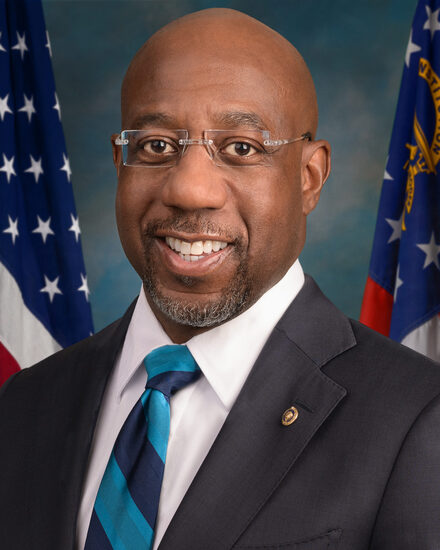
Raphael G. Warnock
100% support rate
Top opponent
Eric Burlison
31% support rate
Ranked legislators
10
5 support · 5 oppose
Key legislators

Who's moving labor & employment in United States

Legislators moving labor & employment in United States
Legislator Party Stance Support rate Votes
Raphael G. Warnock
Raphael G. Warnock Senate
D
Strong +
100% 211
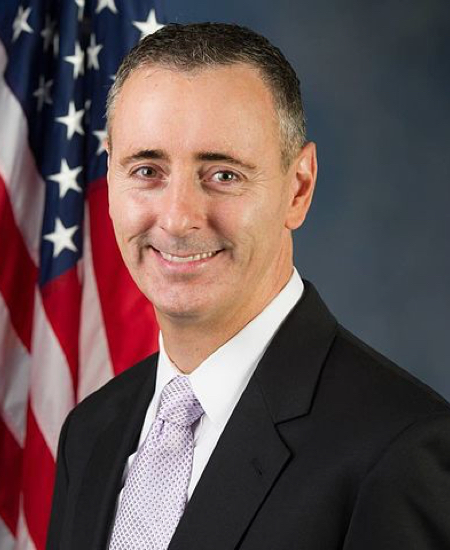
Brian K. Fitzpatrick
Brian K. Fitzpatrick House · District 1
R
Strong +
92% 194
Robert P. Bresnahan, Jr.
Robert P. Bresnahan, Jr. House · District 8
R
Strong +
92% 197
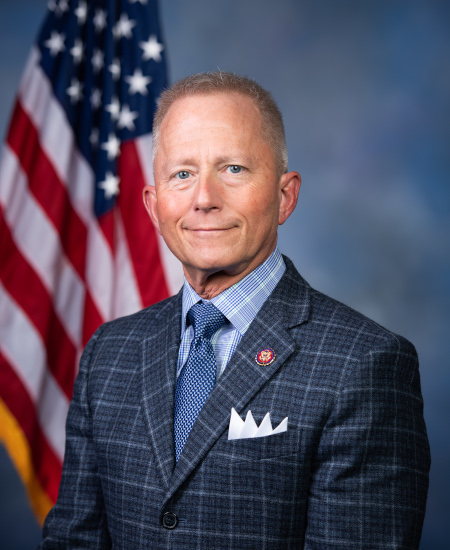
Jefferson Van Drew
Jefferson Van Drew House · District 2
R
Strong +
92% 197
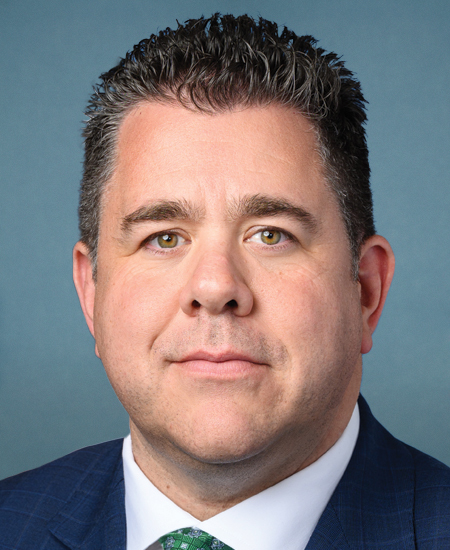
Nick LaLota
Nick LaLota House · District 1
R
Strong +
92% 195
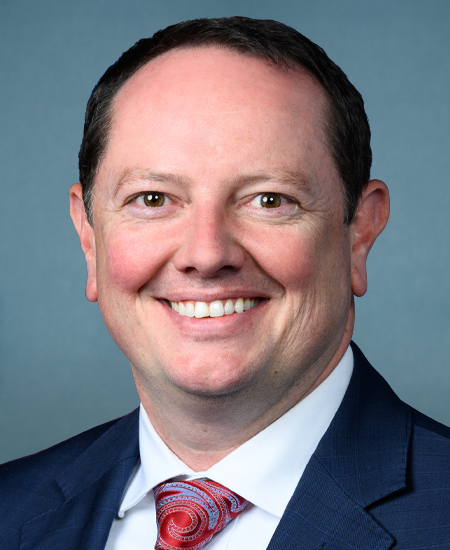
Eric Burlison
Eric Burlison House · District 7
R
Oppose
31% 197
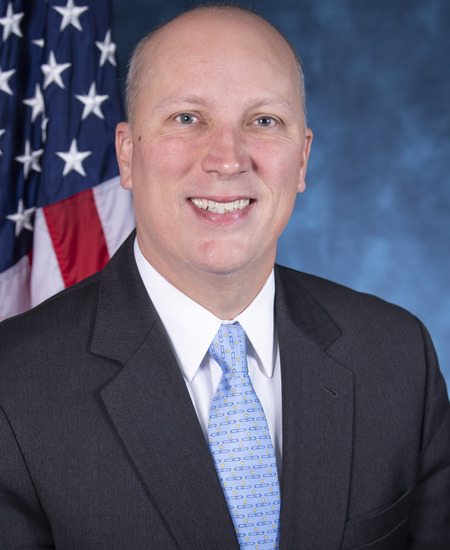
Chip Roy
Chip Roy House · District 21
R
Oppose
31% 190
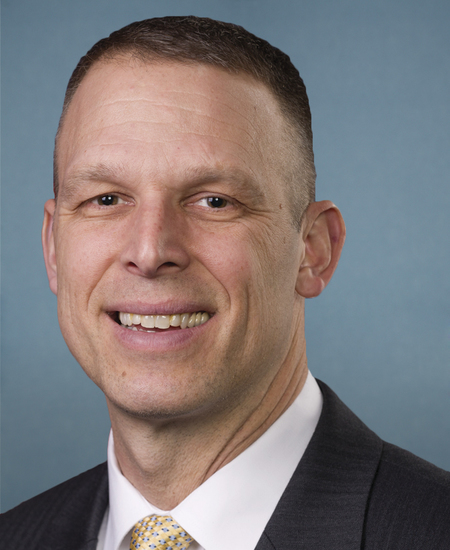
Scott Perry
Scott Perry House · District 10
R
Oppose
31% 194
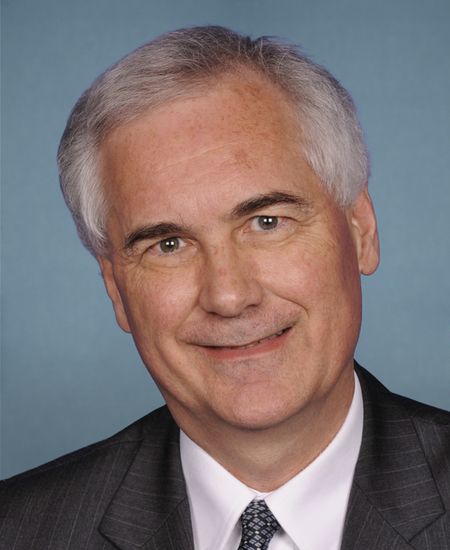
Tom McClintock
Tom McClintock House · District 5
R
Oppose
31% 190
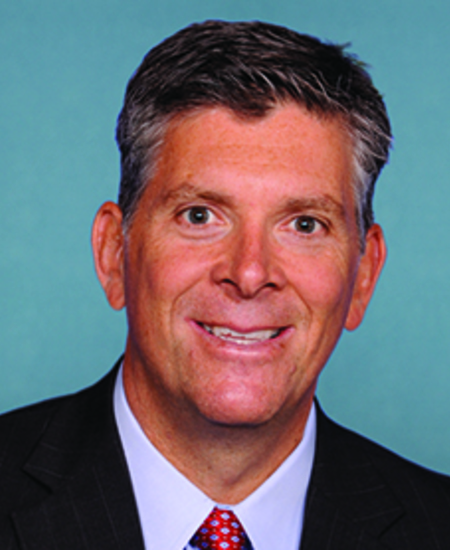
Darin LaHood
Darin LaHood House · District 16
R
Oppose
33% 175
Showing 1,311–1,320 of 1,543 bills

All labor & employment bills

in committee · United States · House Nov 19, 2025

HR 6139: Union Members Right to Know Act

This bill requires labor unions to provide members with key documents related to union operations and collective bargaining agreements. Specifically, unions must share copies of their contracts with employers (or post them online) within 18 months of enactment, and provide members with the union's constitution, bylaws, and a summary of the law itself - either by mail/email or via a website hyperlink. New members must receive these materials within 30 days of joining, while all members get annual updates. The law applies to all unions with employer contracts and mandates annual compliance reports to the Department of Labor.
in committee · United States · Senate Feb 11, 2026

S 3845: After Hours Child Care Act

The After Hours Child Care Act creates a new federal grant program to expand child care access for parents working nontraditional hours (like evenings, nights, or weekends). It provides competitive grants of $25,000-$500,000 to eligible child care providers or partnerships to fund activities such as expanding existing programs, establishing workplace child care, or improving facility safety and staffing. The grants, awarded for five years with a 25% non-Federal match, specifically target families where parents work outside standard 9-to-5 schedules. This directly helps working parents with young children who face limited care options, aiming to support their continued workforce participation and career advancement.
in committee · United States · House Jan 13, 2026

HR 2312: Tipped Employee Protection Act

This bill amends the Fair Labor Standards Act to change how tipped employees' wages are calculated. It removes the previous requirement that tipped workers must "customarily and regularly receive more than $30 a month in tips" to qualify for the lower cash wage rate. Instead, it requires that the combined cash wage plus tips must equal or exceed the standard federal minimum wage for the pay period chosen by the employer (ranging from daily to monthly). The bill directly affects restaurant servers, bartenders, and other tipped workers who receive cash wages plus tips. It simplifies wage calculations for employers while ensuring tipped employees earn at least the full minimum wage when tips are included.
in committee · United States · House Feb 18, 2025

HR 1426: To amend the Internal Revenue Code of 1986 to increase the amount allowed as a credit under the expenses for household and dependent care services credit and the employer-provided child care credit.

HR 1426 increases two federal tax credits to help families with childcare costs. It raises the household care credit from $3,000 to $6,000 per child (and $6,000 to $12,000 for two or more children) and the employer-provided childcare credit from $150,000 to $400,000. These changes directly benefit working parents who pay for childcare and employers who offer on-site childcare programs. The increased credits apply to taxable years starting after the bill’s enactment. This is a concrete policy change that lowers tax burdens for eligible households and businesses.
in committee · United States · House Dec 16, 2025

HR 6757: Relief for Survivors of Miners Act of 2025

HR 6757, the Relief for Survivors of Miners Act of 2025, simplifies the process for survivors to receive black lung benefits by changing how deaths from pneumoconiosis (black lung disease) are proven. It creates a rebuttable presumption that a miner’s death was caused by black lung if they worked 10+ years in coal mines or were totally disabled by the disease before death, making it harder for claims to be denied. The bill also establishes a program to pay up to $4,500 in attorneys’ fees and $3,000 in medical expenses for qualifying claims through a federal fund, with operators later reimbursing the fund if benefits are approved. Additionally, it requires the Government Accountability Office to review interim payments, benefit adequacy, and potential policy changes for black lung survivors.
in committee · United States · House Nov 20, 2025

HR 6231: Improve and Enhance the Work Opportunity Tax Credit Act

HR 6231 extends and enhances the Work Opportunity Tax Credit (WOTC), a federal tax credit for employers hiring from specific target groups like veterans, SNAP recipients, and summer youth workers. The bill extends the program through 2030 (from 2025), increases the credit rate to 50% for certain wages (up from 40%), adds automatic inflation adjustments to the $6,000 wage cap, and expands eligibility to include military spouses and removes age limits for SNAP recipients. Key provisions also modify credit calculations for veterans, agricultural workers, and long-term assistance recipients, while requiring federal agencies to promote hiring from target groups in critical sectors like healthcare and construction. This bill directly affects employers who hire from these designated groups, making the tax credit more valuable and accessible.
in committee · United States · House Sep 8, 2026

HR 5267: American Franchise Act

HR 5267, the American Franchise Act, clarifies when franchisors can be considered joint employers of franchisee employees under federal labor laws. It defines "substantial direct and immediate control" over essential employment terms like wages, benefits, hours, hiring, and discipline - requiring franchisors to actively set these terms to be deemed joint employers. The bill explicitly excludes routine brand standards, training, or minimal safety requirements from constituting such control. This directly affects franchisors and franchisees by limiting joint employer liability to cases where franchisors exert significant, ongoing influence over core employment decisions. The law applies prospectively to new cases after enactment, not past disputes.
Sub-Topics Labor Standards
in committee · United States · House Apr 9, 2025

HR 2764: Tax Cut for Workers Act of 2025

This bill expands the Earned Income Tax Credit (EITC) for low-income workers by lowering the minimum age to claim the credit from 25 to 19 (with exceptions for students, former foster youth, and homeless youth), removing the maximum age limit of 65, and doubling the credit percentage from 7.65% to 15.3%. It also increases the income thresholds for eligibility, raising the phaseout starting point from $4,220 to $9,820 for single filers and $5,280 to $11,610 for joint returns. The credit amounts and income limits will now adjust annually for inflation using specific Consumer Price Index (CPI) benchmarks. Additionally, taxpayers can elect to use their prior year’s earned income to calculate the credit if it was higher than the current year’s, effective for 2026 tax returns.
in committee · United States · Senate Feb 12, 2026

S 3877: Investing in Tomorrow's Workforce Act of 2026

The Investing in Tomorrow's Workforce Act of 2026 provides federal grants to support training programs for workers at risk of losing jobs due to automation, with priority given to women, people of color, and lower-wage workers (those earning less than $40,000 annually). The bill authorizes funding for eligible partnerships to develop demonstration projects that help dislocated workers transition into in-demand technology sectors through skills training, job placement assistance, and employer partnerships. It expands existing workforce training programs under the Workforce Innovation and Opportunity Act to specifically address automation-related job displacement and requires grantees to report on outcomes including job placements, earnings data, and demographic breakdowns. The legislation is authorized for fiscal years 2026 through 2030 with funding for both new demonstration projects and expanded existing training services.
in committee · United States · House Apr 18, 2025

HR 2357: Food Secure Strikers Act of 2025

HR 2357, the Food Secure Strikers Act of 2025, removes a restriction that previously barred workers on strike from receiving Supplemental Nutrition Assistance Program (SNAP) benefits. The bill amends the Food and Nutrition Act of 2008 to eliminate language making workers ineligible for SNAP "as a result of being on strike," ensuring striking workers are not automatically denied food assistance during labor disputes. This change directly affects workers participating in strikes who would otherwise lose access to SNAP benefits. The key mechanism updates the eligibility rules to prevent SNAP ineligibility solely due to strike participation.
Showing 1,311 to 1,320 of 1,543 bills