Issue · Labor & Employment

Labor & Employment

Every labor & employment bill, vote, and legislator stance in United States, automatically classified by Maddy, our AI policy reader.

Total bills
1,553
119th Congress
Top supporter
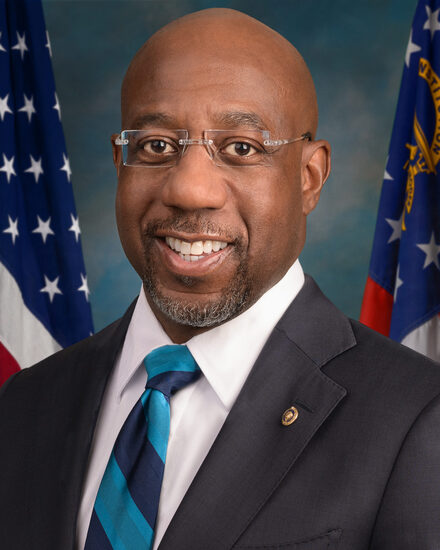
Raphael G. Warnock
100% support rate
Top opponent
Chip Roy
29% support rate
Ranked legislators
10
5 support · 5 oppose
Key legislators

Who's moving labor & employment in United States

Legislators moving labor & employment in United States
Legislator Party Stance Support rate Decisive votes
Raphael G. Warnock
Raphael G. Warnock Senate
D
Strong +
100% 8
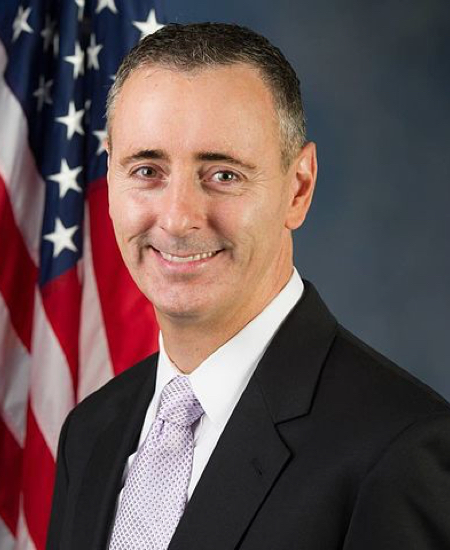
Brian K. Fitzpatrick
Brian K. Fitzpatrick House · District 1
R
Strong +
93% 14
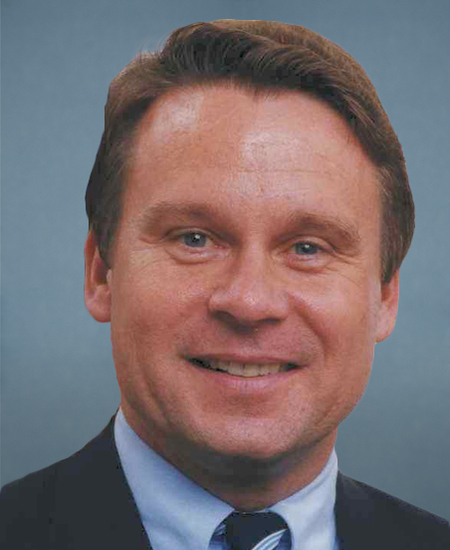
Christopher H. Smith
Christopher H. Smith House · District 4
R
Strong +
93% 14
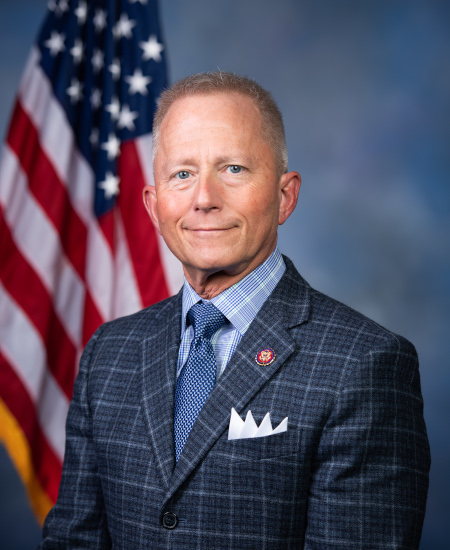
Jefferson Van Drew
Jefferson Van Drew House · District 2
R
Strong +
93% 14
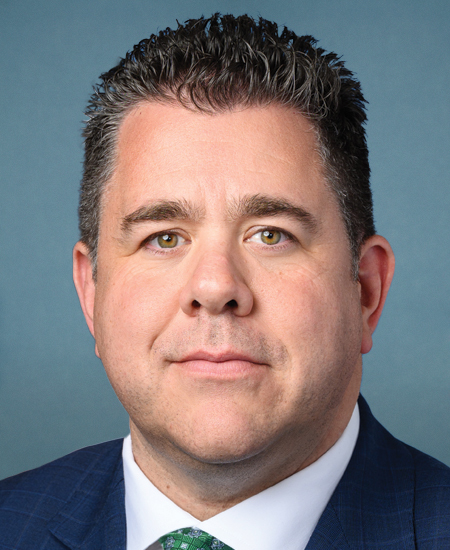
Nick LaLota
Nick LaLota House · District 1
R
Strong +
93% 14
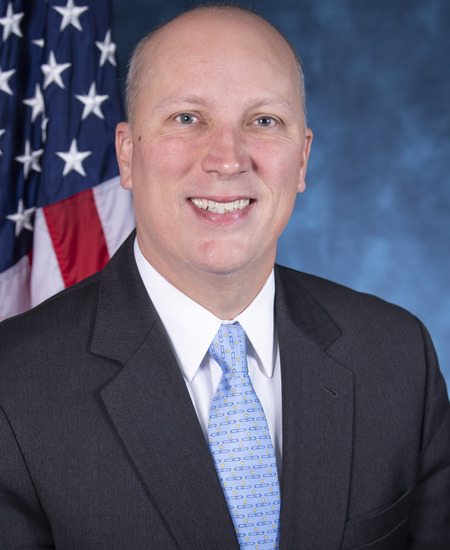
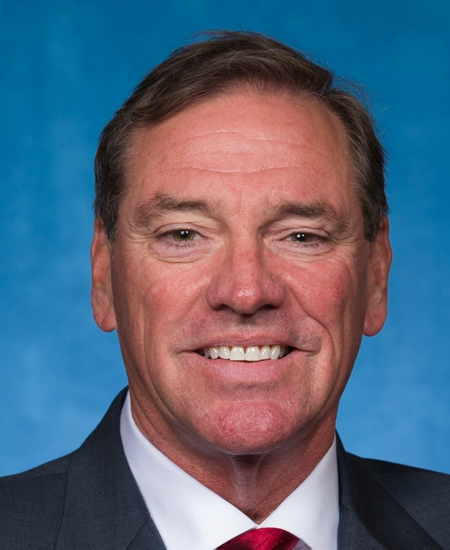
Chip Roy
Chip Roy House · District 21
R
Oppose
29% 14
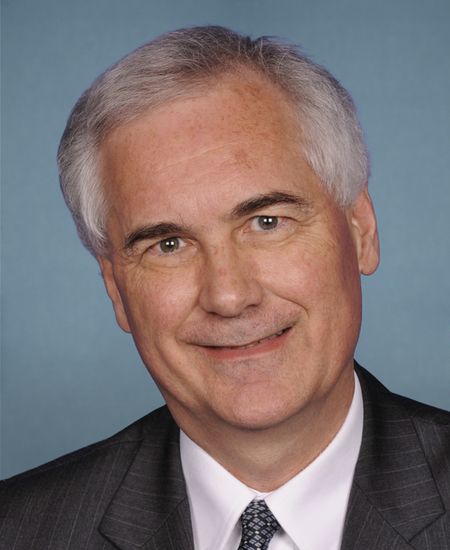
Tom McClintock
Tom McClintock House · District 5
R
Oppose
29% 14
Keith Self
Keith Self House · District 3
R
Oppose
31% 13
Neal P. Dunn
Neal P. Dunn House · District 2
R
Oppose
33% 9
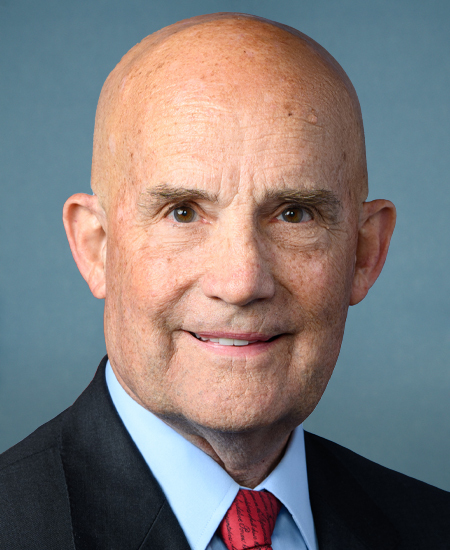
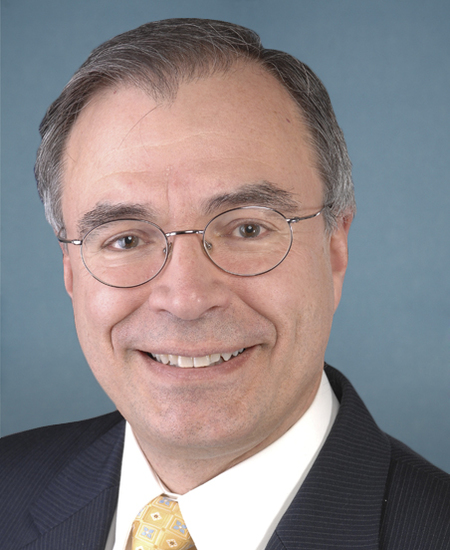
Andy Harris
Andy Harris House · District 1
R
Oppose
36% 14
Showing 1,221–1,230 of 1,553 bills

All labor & employment bills

in committee · United States · House Dec 3, 2025

HR 6418: Employee Profit-Sharing Encouragement Act of 2025

This bill requires corporations (specifically "specified employers" meeting gross receipts thresholds) to make qualified profit-sharing distributions to employees before they can deduct executive pay for highly compensated individuals. To qualify, employers must distribute at least 5% of net income as cash payments to employees with at least one year of service, based on company profits, while meeting nondiscrimination rules similar to 401(k) plans. The provision applies to taxable years beginning after the bill's enactment, linking tax deductions directly to profit-sharing practices. It does not affect non-corporate employers or small businesses below the gross receipts threshold.
in committee · United States · House Sep 8, 2025

HR 5206: Empowering Striking Workers Act of 2025

The Empowering Striking Workers Act of 2025 would expand unemployment insurance eligibility to workers unable to work due to labor disputes, including strikes or lockouts. It sets a 14-day waiting period (or earlier if replacements are hired, a lockout starts, or the dispute ends) before benefits begin, treating these workers as "unemployed" under federal law. The bill also removes the standard requirement for these workers to actively seek other employment to qualify for benefits. This directly affects workers involved in labor disputes, such as those on strike or unable to work due to employer lockouts.
in committee · United States · House May 8, 2025

HR 3273: Child Care Workforce Development Act

HR 3273, the Child Care Workforce Development Act, provides financial support to early childhood educators and students. It establishes a loan repayment program where educators serving 5 years with qualified childcare providers (like centers receiving Child Care Block Grant funds) can have up to $6,000 annually of their student loans repaid. Additionally, it creates grants of up to $4,000 per academic year for students enrolled in early childhood education programs, requiring them to work in licensed childcare settings for at least one year after graduation (with renewal options). The bill authorizes $25 million annually for loan repayment (2026-2031) and $10 million annually for grants (2026-2030), targeting workforce development in childcare.
in committee · United States · Senate Dec 16, 2025

S 3505: Relief for Survivors of Miners Act of 2025

S 3505, the Relief for Survivors of Miners Act of 2025, simplifies benefit claims for survivors of miners who died from black lung disease (pneumoconiosis). It creates new rebuttable presumptions making it easier to prove a miner's death was caused by the disease, and restores pre-1981 rules for survivors of miners who were totally disabled by the disease. The bill also establishes a program to cover legal fees and unreimbursed medical costs (up to $4,500 total per claim) for contested claims pending over a year. Additionally, it requires a Government Accountability Office report examining interim payments, benefit adequacy, and potential claim filing changes under the Black Lung Benefits Act. This legislation directly affects survivors of coal miners and their legal representatives handling benefit claims.
in committee · United States · House Aug 26, 2025

HR 5053: Protecting Public Naval Shipyards Act of 2025

HR 5053, the Protecting Public Naval Shipyards Act of 2025, prohibits workforce reductions at public naval shipyards due to budget cuts or fund reprogramming. It specifically protects 12 categories of critical shipyard jobs, including welders, pipefitters, nuclear maintenance staff, engineers, apprentices, and infrastructure support roles. The bill ensures these positions remain exempt from hiring freezes or layoffs during fiscal adjustments, maintaining operational capacity. It does not override existing procedures for addressing employee misconduct or poor performance. The law directly affects federal shipyard workers at public naval facilities, safeguarding key technical and maintenance roles.
in committee · United States · Senate Apr 9, 2025

S 1381: Protecting Employees and Retirees in Business Bankruptcies Act of 2025

Protecting Employees and Retirees in Business Bankruptcies Act of 2025 This bill establishes limits on executive compensation and provides protections for employee wages and benefits if an employer files for Chapter 11 (reorganization) bankruptcy. First, the bill increases the limit on claims for wages, salaries, other employee benefits, and commissions from $10,000 to $20,000 and eliminates the requirement that such claims must have been earned within 180 days before the filing of the bankruptcy petition. The bill grants certain claims higher priority in the bankruptcy process, including specific types of severance pay; contributions to an employee benefit plan; back pay, civil penalties, or damages arising from certain labor law violations; and certain pension plan withdrawal liabilities. The bill also limits executive compensation under a reorganization plan. For example, insiders (parties with close relationships to the debtor), senior executives, and others as specified by the bill may only receive payments or other distributions that are generally applicable to all full-time employees, subject to certain limits. The bill further restricts the compensation of any insider who continues to be employed by the debtor. A reorganization plan may only be approved if it provides for the recovery of claims relating to retiree benefits or for other financial returns paid under the plan. The bill also provides protections for collective bargaining agreements (CBAs) during bankruptcy proceedings. If a proceeding resulting from a CBA was or could have been commenced before the bankruptcy, the bankruptcy does not act as a stay in such a proceeding.
in committee · United States · Senate Mar 4, 2025

S 847: Child Care Availability and Affordability Act

This bill increases tax benefits for working families by expanding child care tax credits. It raises the employer-provided child care credit from 25% to 50% of qualified expenses (with the maximum credit increasing from $150,000 to $500,000), and adds a new refundable household care credit allowing up to 50% of eligible expenses (capped at $5,000 for one child or $8,000 for two+ children). Small businesses receive enhanced benefits, with a 60% credit rate and higher maximum ($600,000) for qualifying employers. The changes directly affect working parents, caregivers, and small businesses that provide or support child care.
Sub-Topics Tax Credits
in committee · United States · House Dec 9, 2025

HR 6524: HIRE Act

HR 6524, the HIRE Act, extends the Work Opportunity Tax Credit (WOTC) through 2030 and adds a new provision to incentivize hiring individuals receiving Social Security disability benefits. The bill directly affects employers who hire people certified as eligible for disability insurance benefits under the Social Security Act within 60 days before employment. Key provisions include modifying the tax credit to cover "qualified social security disability insurance beneficiaries" and requiring certification by a local agency for eligibility. The changes apply to new hires beginning work after December 31, 2025, with the credit extension applying through 2030.
Sub-Topics Tax Credits Professional Licensing Tags People with Disabilities
in committee · United States · House Feb 26, 2025

HR 1611: RAISE Act of 2025

The RAISE Act of 2025 creates a new tax credit for teachers and early childhood educators, with a base of $1,000 plus additional amounts based on school poverty rates. Teachers working in schools where more than 39% of students live in poverty can receive up to $14,000 more in tax credits, calculated based on how much a school's poverty rate exceeds 39%. The bill also increases the deduction for teachers' classroom expenses from $250 to $500 and requires schools to maintain teacher pay levels to receive certain federal funds. This directly affects public school teachers, early childhood educators, and schools serving communities with high poverty rates.
in committee · United States · House Feb 18, 2025

HR 1443: Public Safety Free Speech Act

This bill protects certain public safety workers - like police officers, firefighters, and emergency medical personnel - from job loss or punishment for expressing personal opinions about work-related issues. It allows covered employees to sue employers if they face adverse actions (like termination) for speaking out on topics such as working conditions, safety equipment, pay, policies, or even political/religious views. However, the protection does not cover speech made while on duty, threats of violence, discrimination, disclosure of confidential personal information, or calls to withhold essential services. The law explicitly states it doesn’t override existing civil rights laws like 42 U.S.C. 1983.
Tags Civil Liberties Public Safety
Showing 1,221 to 1,230 of 1,553 bills