Issue · Labor & Employment

Labor & Employment

Every labor & employment bill, vote, and legislator stance in United States, automatically classified by Maddy, our AI policy reader.

Total bills
1,553
119th Congress
Top supporter
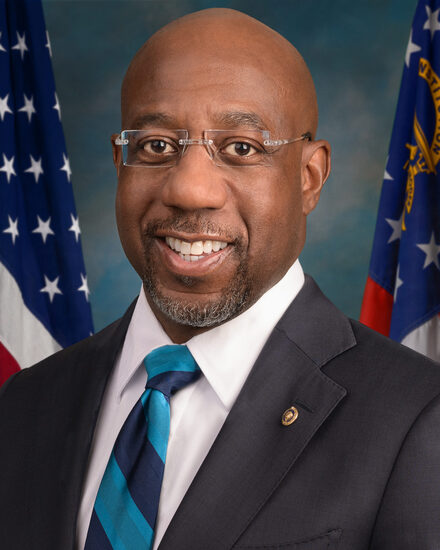
Raphael G. Warnock
100% support rate
Top opponent
Chip Roy
29% support rate
Ranked legislators
10
5 support · 5 oppose
Key legislators

Who's moving labor & employment in United States

Legislators moving labor & employment in United States
Legislator Party Stance Support rate Decisive votes
Raphael G. Warnock
Raphael G. Warnock Senate
D
Strong +
100% 8
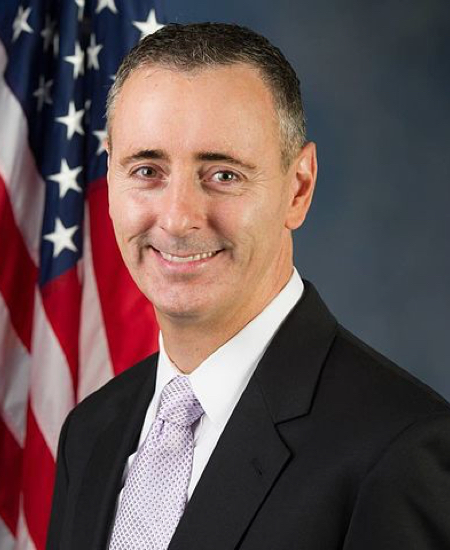
Brian K. Fitzpatrick
Brian K. Fitzpatrick House · District 1
R
Strong +
93% 14
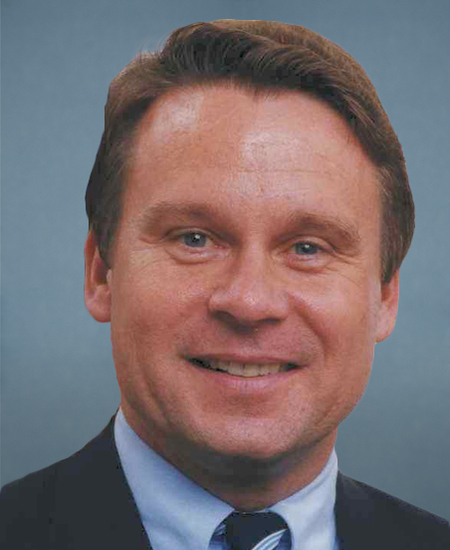
Christopher H. Smith
Christopher H. Smith House · District 4
R
Strong +
93% 14
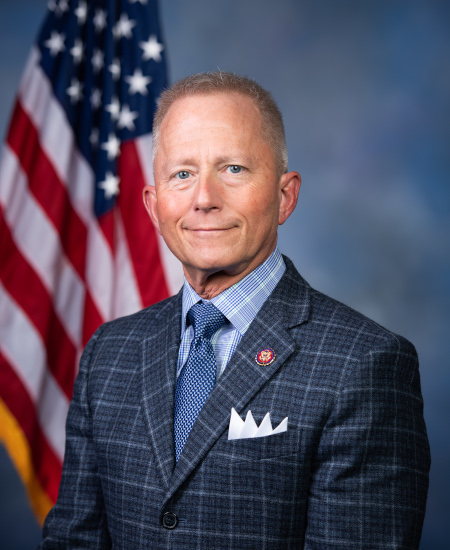
Jefferson Van Drew
Jefferson Van Drew House · District 2
R
Strong +
93% 14
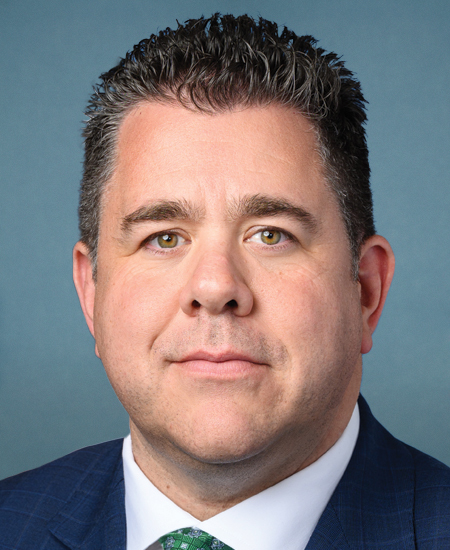
Nick LaLota
Nick LaLota House · District 1
R
Strong +
93% 14
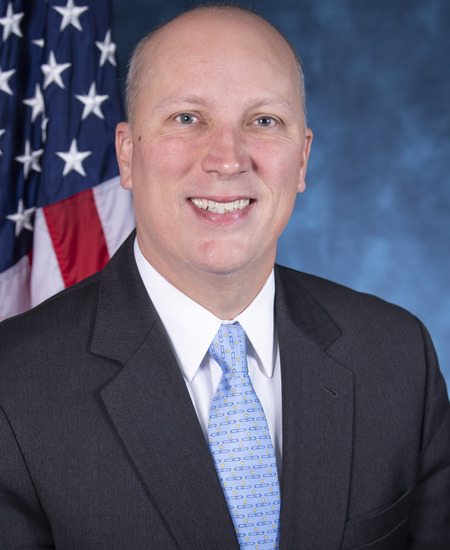
Chip Roy
Chip Roy House · District 21
R
Oppose
29% 14
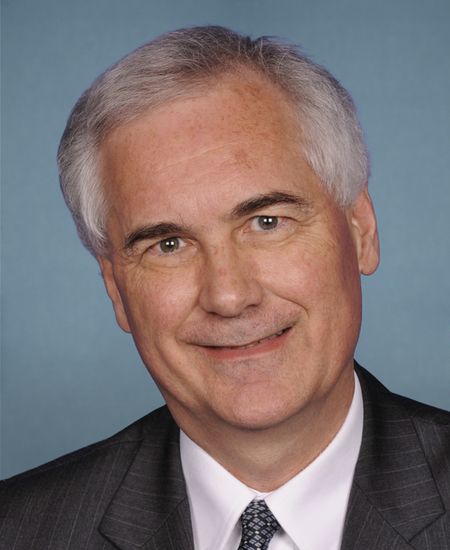
Tom McClintock
Tom McClintock House · District 5
R
Oppose
29% 14
Keith Self
Keith Self House · District 3
R
Oppose
31% 13
Neal P. Dunn
Neal P. Dunn House · District 2
R
Oppose
33% 9
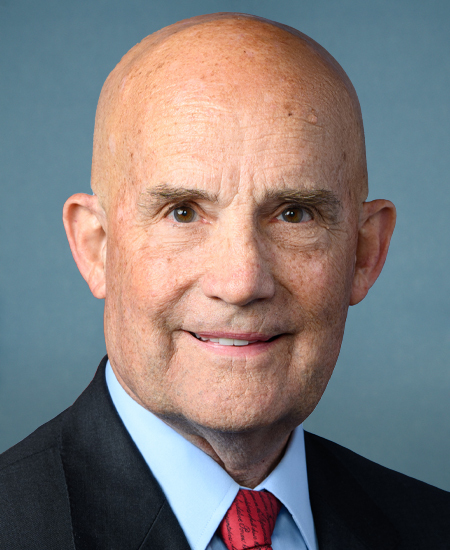
Andy Harris
Andy Harris House · District 1
R
Oppose
36% 14
Showing 1,211–1,220 of 1,553 bills

All labor & employment bills

in committee · United States · House Dec 18, 2025

HR 6847: Fair Wages for Farmworkers Act

This bill updates the process for H-2A agricultural visas. It requires the Department of Labor to use Bureau of Labor Statistics wage data to set the minimum wage rate for farmworkers, directly affecting farm employers needing these visas and the workers they hire. The bill also amends immigration law to have the Secretary of Homeland Security handle visa processing instead of the Attorney General and allows simultaneous processing of labor certifications and visa petitions. These changes aim to streamline the H-2A program while ensuring wage rates are based on current local data. The bill does not alter the wage rate amount itself but changes how it is calculated and processed.
Sub-Topics Labor Standards Minimum Wage Tags Agriculture
in committee · United States · House Sep 30, 2025

HR 5628: Pay Workers What They’ve Earned Act

This bill requires the federal government to reimburse certain workers and states for specific costs incurred during government shutdowns lasting 14+ days. Covered workers include federal employees, District of Columbia public employees, and federal contractors who faced furloughs, unpaid work, or unpaid leave due to funding lapses. It mandates reimbursement for direct shutdown-related expenses like loan payments or credit card fees (defined as "shutdown costs"), and requires states to be reimbursed within 90 days for covering federal programs during such shutdowns. Applications for reimbursement must be submitted within one year of the shutdown ending, with payments drawn from a new Treasury Reserve Fund established by the bill.
Sub-Topics Labor Standards
in committee · United States · House May 26, 2025

HR 3614: FIRE Act

The FIRE Act would extend workplace safety protections under OSHA and labor rights under FLSA to incarcerated firefighters who work in correctional facilities. It defines "incarcerated firefighter" as someone performing firefighting duties while incarcerated, including in prison work programs, facility maintenance, or emergency response services. The bill requires states and federal prisons to report on workplace safety conditions and provides grants to help states implement these protections. It also establishes an expungement process for certain criminal records of eligible incarcerated firefighters who have completed their sentences. This legislation aims to improve safety for incarcerated firefighters while creating pathways for their successful reentry into communities as firefighters.
in committee · United States · Senate Nov 7, 2025

S 3165: True Shutdown Fairness Act

The True Shutdown Fairness Act requires U.S. government agencies to pay standard wages, benefits, and allowances to covered employees (including contract workers, military members on active duty, and furloughed staff) during a government shutdown beginning October 1, 2025. It mandates agencies to adjust contract prices for contractors who incurred costs compensating furloughed workers or restoring paid leave during the shutdown. The bill also prohibits agencies from implementing layoffs or placing employees in administrative leave for more than 10 work days during the shutdown period. These provisions apply retroactively to shutdowns starting September 30, 2025, and fund the payments through existing Treasury appropriations.
passed · United States · Senate May 26, 2025

S 129: No Tax on Tips Act

This bill creates a new federal tax deduction for cash tips received by workers in occupations that traditionally accept tips (like servers, barbers, and nail technicians) on or before December 31, 2023. It allows a deduction of up to $25,000 per year for tips reported to employers, excluding employees earning over $250,000 from the same employer in the prior year. The Treasury must publish a list of qualifying occupations within 90 days, and the deduction applies to all taxpayers (not just itemizers). The changes take effect for tax years beginning after December 31, 2024.
in committee · United States · House Jan 21, 2026

HR 4105: VET Act of 2025

HR 4105, the VET Act of 2025, establishes a federal grant program to help veterans, active-duty service members transitioning out of the military, and their spouses secure jobs in the energy industry. The program provides grants to energy companies (including manufacturers of solar, wind, or nuclear equipment) to cover costs like job training, recruitment, and relocation for eligible individuals - prioritizing those with military energy experience, in opportunity zones, or facing barriers like homelessness. Grants are capped at $10,000 per hire, with a maximum $500,000 annual limit per company, funded at $60 million yearly from 2026-2031. Companies must report on job retention, employee satisfaction, and program outcomes to the Department of Labor, with a final evaluation due to Congress by 2030.
in committee · United States · House Feb 27, 2025

HR 1662: LEAP Act

The LEAP Act creates a new $1,500 annual tax credit for employers with registered apprenticeship programs, paid per apprentice employee who exceeds a threshold based on the employer's prior three-year average of such employees (calculated at 80% of that average). The credit applies for up to two years per employee and excludes most construction industry workers unless they completed a pre-apprenticeship program and their employer sponsors an apprenticeship. It also includes a separate provision requiring federal agencies to reduce printing costs by moving documents online, publishing cost transparency data for printed materials, and maintaining essential print access for vulnerable populations. The bill primarily affects employers in qualifying apprenticeship programs, with the tax credit designed to incentivize hiring and training apprentices.
in committee · United States · Senate Dec 3, 2025

S 3319: Workforce of the Future Act of 2025

The Workforce of the Future Act of 2025 requires federal agencies to study AI's impact on jobs through reports due within 6 months, 1 year, and 3 years of enactment, focusing on data needs, affected industries, and vulnerable demographics. It authorizes $160 million in Department of Education grants to expand emerging and advanced technology education in schools, with specific emphasis on making these programs accessible to underrepresented groups including minorities, girls, and students from low-income families. The bill also allocates $90 million in Department of Labor grants to provide training for workers most impacted by AI in industries where AI is projected to significantly affect job opportunities. Grantees must report on program participation and outcomes, disaggregated by race, ethnicity, gender, and socioeconomic status, and demonstrate how programs will be sustained after funding ends. The legislation emphasizes collaboration between schools, industry, and labor organizations to develop curricula and training aligned with future workforce needs.
in committee · United States · House May 21, 2025

HR 3545: TEENS Act

The TEENS Act amends child labor rules to allow teenagers working during school sessions to work up to 24 hours per week, with specific time restrictions. It directly affects teen workers in part-time jobs, setting a maximum weekly hour limit and requiring work to start no earlier than 7:00 a.m. and end no later than 9:00 p.m. in their local time zone. These provisions prevent employers from being deemed in violation of "oppressive child labor" rules under the Fair Labor Standards Act when following these limits. The bill creates a clear, time-bound framework for teen work hours during school terms.
in committee · United States · House May 13, 2025

HR 3367: Improving Training for School Food Service Workers Act of 2025

HR 3367, the "Improving Training for School Food Service Workers Act of 2025," requires school food service workers in public schools to receive mandatory training during paid working hours. The bill mandates that training must be offered in-person when appropriate, include hands-on practice, and cost workers nothing. If training occurs outside regular hours, workers must be paid at their regular rate (including overtime), consulted about scheduling, and protected from penalties for not attending. This law amends the Child Nutrition Act of 1966 and does not override existing state or local labor laws governing employer-employee relationships.
Showing 1,211 to 1,220 of 1,553 bills