Issue · Labor & Employment

Labor & Employment

Every labor & employment bill, vote, and legislator stance in United States, automatically classified by Maddy, our AI policy reader.

Total bills
1,553
119th Congress
Top supporter
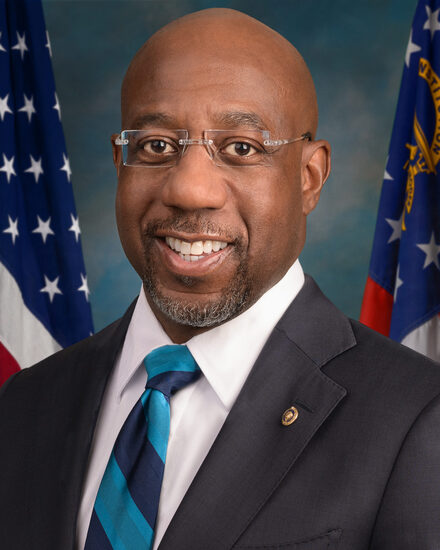
Raphael G. Warnock
100% support rate
Top opponent
Chip Roy
29% support rate
Ranked legislators
10
5 support · 5 oppose
Key legislators

Who's moving labor & employment in United States

Legislators moving labor & employment in United States
Legislator Party Stance Support rate Decisive votes
Raphael G. Warnock
Raphael G. Warnock Senate
D
Strong +
100% 8
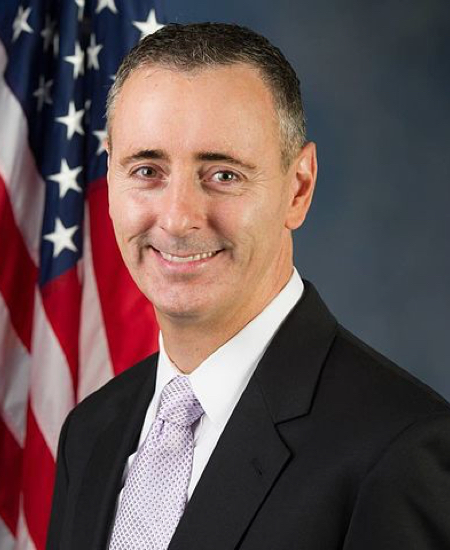
Brian K. Fitzpatrick
Brian K. Fitzpatrick House · District 1
R
Strong +
93% 14
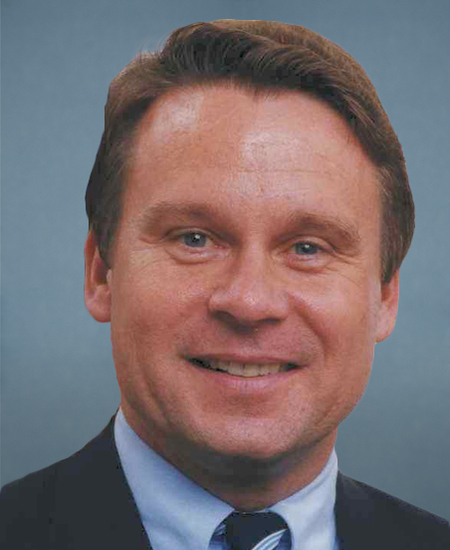
Christopher H. Smith
Christopher H. Smith House · District 4
R
Strong +
93% 14
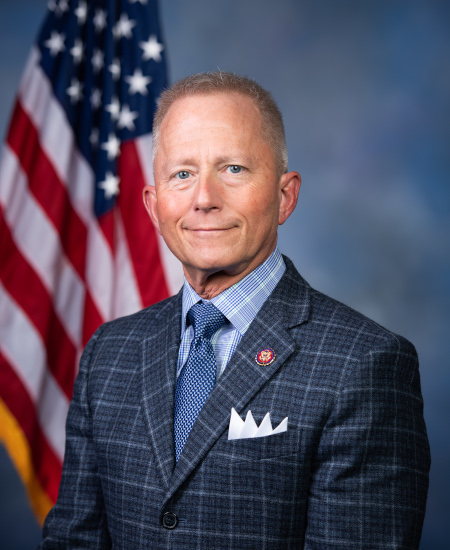
Jefferson Van Drew
Jefferson Van Drew House · District 2
R
Strong +
93% 14
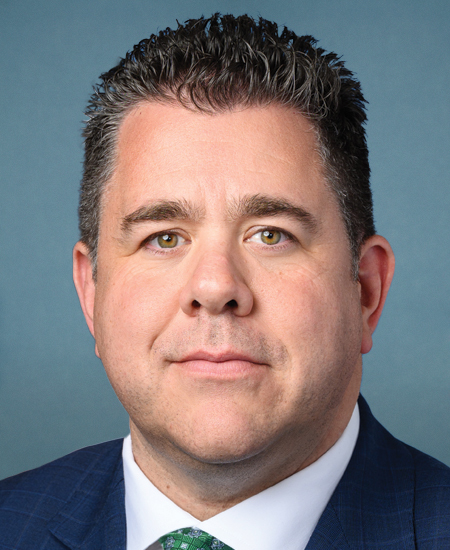
Nick LaLota
Nick LaLota House · District 1
R
Strong +
93% 14
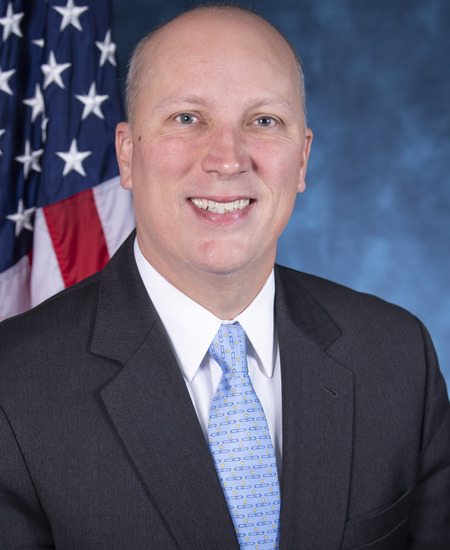
Chip Roy
Chip Roy House · District 21
R
Oppose
29% 14
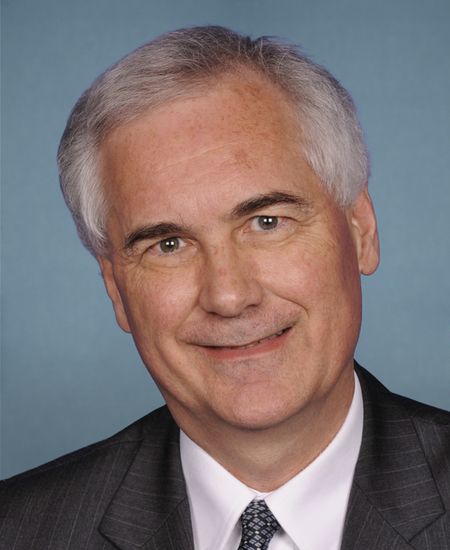
Tom McClintock
Tom McClintock House · District 5
R
Oppose
29% 14
Keith Self
Keith Self House · District 3
R
Oppose
31% 13
Neal P. Dunn
Neal P. Dunn House · District 2
R
Oppose
33% 9
Andy Harris
Andy Harris House · District 1
R
Oppose
36% 14
Showing 1,201–1,210 of 1,553 bills

All labor & employment bills

in committee · United States · House Mar 6, 2025

HR 1962: Guaranteeing Overtime for Truckers Act

This bill amends the Fair Labor Standards Act to remove an exemption that previously allowed certain truck drivers to be excluded from overtime pay requirements. It directly affects commercial truck drivers who were previously not required to receive overtime pay for hours worked beyond 40 in a workweek. The key mechanism is striking the existing exemption language in Section 13(b), which would require truck drivers to be paid overtime for all hours worked over 40 per week. This change would extend standard overtime protections to these workers under federal law. The bill focuses on a specific policy change to labor standards, not broader industry impacts.
in committee · United States · Senate Feb 12, 2026

S 3871: Preventing Roadside and Work Zone Deaths Act of 2026

This bill amends highway safety programs to better protect people near disabled vehicles and in work zones. It expands safety measures to include "occupants of and pedestrians associated with disabled vehicles" in existing programs and requires better data collection on roadside and work zone deaths. The bill creates two working groups - one focused on disabled vehicle crashes and another on work zone crashes - to analyze data, develop safety solutions, and improve data sharing with the National Highway Traffic Safety Administration. It also mandates annual reports tracking how states use work zone safety funds and their effectiveness. The bill directly affects drivers, pedestrians near breakdowns, road construction workers, and state transportation agencies responsible for implementing these safety measures.
in committee · United States · Senate Jan 8, 2026

S 3601: Veterans in Campus Safety Act

The Veterans in Campus Safety Act would create a federal grant program for colleges and universities to hire veterans as campus security officers. The Secretary of Education would award competitive grants to institutions, requiring funds to be used solely for hiring veterans in campus security roles, as defined by federal law. The bill also includes a separate provision prohibiting federal funding for centers that provide equity assistance, such as those described in federal regulations. This legislation directly affects higher education institutions and veterans seeking campus security employment.
in committee · United States · Senate Feb 11, 2026

S 3832: Small Business Workforce Pipeline Act of 2026

This bill amends the Small Business Act to require Small Business Development Centers to provide direct assistance to small businesses on workforce programs. It specifically mandates that these centers disseminate information from the Department of Labor and other federal agencies about establishing and improving four key programs: work-based learning, federally registered apprenticeships, pre-apprenticeship programs, and job training programs. The bill directly affects small business concerns by connecting them to federal resources for workforce development. The key mechanism is adding a new provision (subparagraph W) that requires centers to actively share this information, making it easier for small businesses to access these training opportunities.
Sub-Topics Apprenticeships Workforce Development Tags Small Business
in committee · United States · Senate Sep 15, 2025

S 2799: Forced Arbitration Injustice Repeal Act

This bill bans forced arbitration clauses in employment, consumer, antitrust, and civil rights disputes. It prohibits agreements that require individuals to resolve such disputes through private arbitration before any conflict arises, and also blocks waivers that prevent people from joining class or collective lawsuits. The law directly affects workers facing workplace issues, consumers with purchase disputes, and individuals alleging discrimination or civil rights violations. It ensures these cases can be handled in court rather than private arbitration, applying to disputes occurring after the law takes effect.
in committee · United States · House Jul 16, 2025

HR 4424: SHIELD Act

The SHIELD Act would change unemployment benefit eligibility by barring workers from receiving regular unemployment compensation if they are unemployed due to a strike or labor dispute they are participating in, financially supporting, or have a direct interest in (excluding lockouts). This rule would require states to adjust their unemployment programs to deny benefits in such cases. The changes would take effect two years after the bill becomes law, though states could choose to implement them sooner. The bill also repeals a federal tax provision related to unemployment tax rates, but this is a secondary provision.
in committee · United States · Senate Apr 30, 2025

SRES 189: A resolution expressing support for the designation of April 1, 2025, through April 30, 2025, as "Fair Chance Jobs Month".

This resolution (SRES 189) is a symbolic Senate measure expressing support for designating April 1-30, 2025, as "Fair Chance Jobs Month." It does not create new law but aims to raise awareness about employment barriers faced by people with criminal records, including systemic hiring restrictions and lack of access to licenses or stable jobs. The resolution urges efforts to dismantle these barriers, expand workforce programs for returning citizens, and promote fair-chance hiring practices. It directly affects formerly incarcerated individuals and employers seeking to hire them, focusing on policy changes like reducing licensing restrictions and connecting job seekers with opportunities.
in committee · United States · Senate Mar 19, 2026

S 2855: Immersive Technology for the American Workforce Act of 2025

S 2855, the *Immersive Technology for the American Workforce Act of 2025*, provides $50 million annually (2026-2035) to fund grants for workforce training programs using virtual reality (VR), augmented reality (AR), and similar immersive technologies. Eligible entities - including community colleges, career schools, and industry partnerships - can apply for 5-year grants to create career pathways that train workers for in-demand jobs, with priority given to programs serving veterans, rural communities, people with employment barriers (meeting ADA standards), and industries facing workforce shifts. The bill requires grantees to report on program outcomes, including participant success rates and employer needs, and mandates the Department of Labor to publish best practices for using immersive tech in training. It directly affects workers seeking new skills, training providers, and employers needing qualified staff in growing sectors.
in committee · United States · Senate Jul 31, 2025

S 2595: Saving the Department of Energy's Workforce Act

S 2595, the "Saving the Department of Energy's Workforce Act," prohibits the Department of Energy (DOE) from implementing layoffs or involuntary staff separations until after full-year funding for fiscal year 2026 is secured. It directly affects DOE employees in competitive service, excepted service, and senior management positions, preventing reductions in force except for documented misconduct, poor performance, or delinquency. The bill mandates a hiring freeze on layoffs through FY2026 appropriations, adding this restriction to existing personnel laws without altering other disciplinary authority. This provision aims to stabilize the DOE workforce during budget negotiations.
in committee · United States · Senate May 22, 2025

S 1881: Public Service Worker Protection Act

This bill expands workplace safety protections under the Occupational Safety and Health Act to cover public employees, including those working for federal, state, or local government agencies. It amends the law to explicitly include "the United States, a State, or a political subdivision of a State" in the definition of covered workers, removing previous exclusions. The key provision requires all public workplaces to follow OSHA safety standards, with a 36-month transition period for states or localities without their own OSHA-approved plans. This directly affects government workers like teachers, police, and sanitation staff who were previously excluded from federal OSHA coverage.
Showing 1,201 to 1,210 of 1,553 bills