

SHIELD Act
The SHIELD Act would change unemployment benefit eligibility by barring workers from receiving regular unemployment compensation if they are unemployed due to a strike or labor dispute they are participating in, financially supporting, or have a direct interest in (excluding lockouts). This rule would require states to adjust their unemployment programs to deny benefits in such cases. The changes would take effect two years after the bill becomes law, though states could choose to implement them sooner. The bill also repeals a federal tax provision related to unemployment tax rates, but this is a secondary provision.
Bill status
in committee
1 of 4 stages cleared
Introduction
Jul 2025
Committee Review
Floor Vote
President
Introduced Jul 16, 2025
Last action Jul 16, 2025
Floor votes
How they voted
No floor votes recorded yet.
Full legislative history
Actions timeline
Total actions
2
Key actions
0
Committee
1
Jul 16, 2025
Committee
Referred to the House Committee on Ways and Means.
lower
Jul 16, 2025
Introduced
Introduced in House
lower
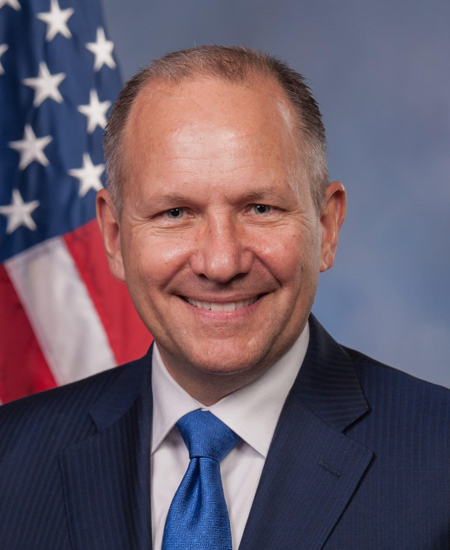
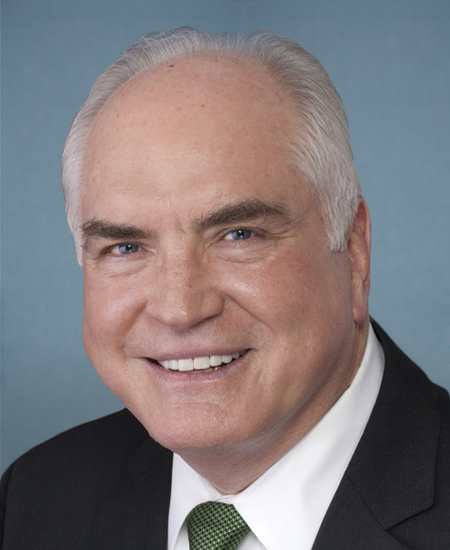
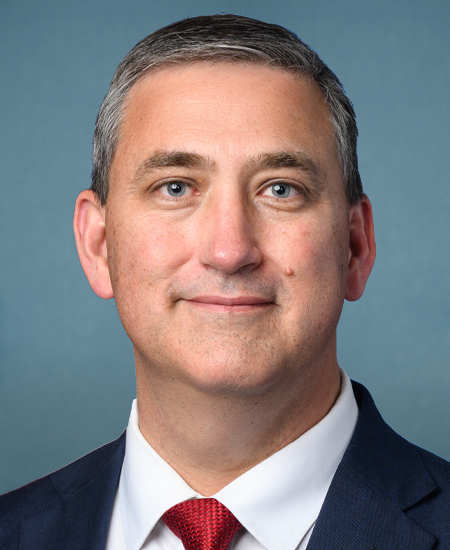
1 primary · 14 co-sponsors
Sponsors
Role
Legislator
Party
State
District
P

Rudy Yakym III
RRepublican
Co

Aaron Bean
RRepublican
Co
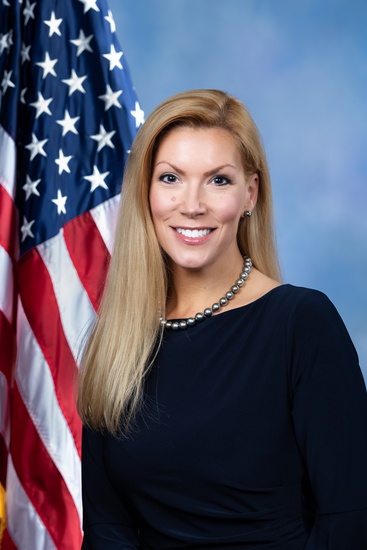
Beth Van Duyne
RRepublican
Co

Blake D. Moore
RRepublican
Co
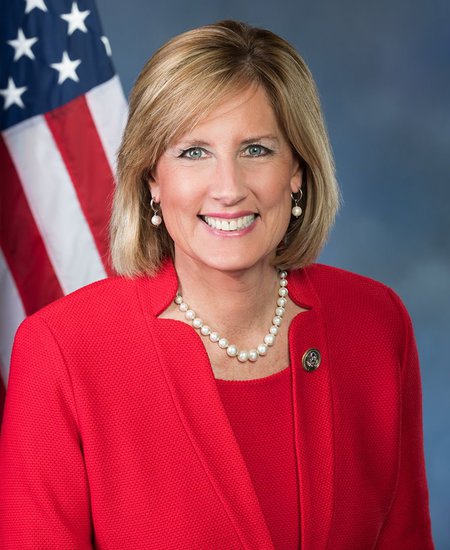
Claudia Tenney
RRepublican
Co
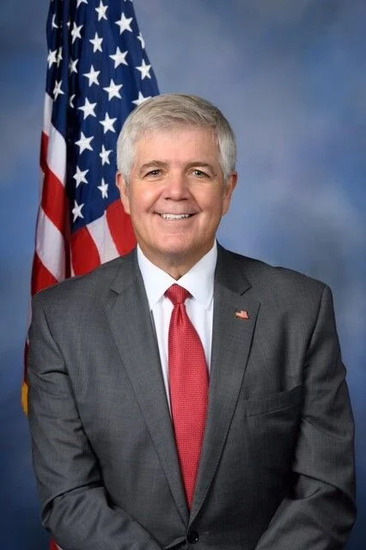
Cliff Bentz
RRepublican
Co
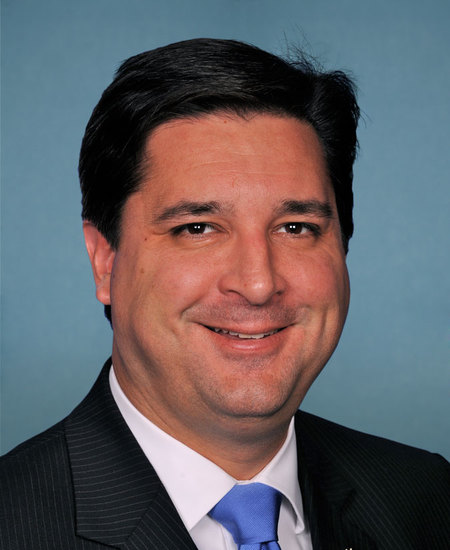
David Rouzer
RRepublican
Co
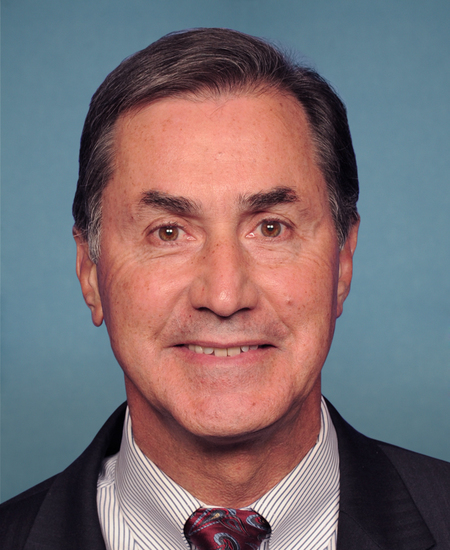
Gary J. Palmer
RRepublican
Co
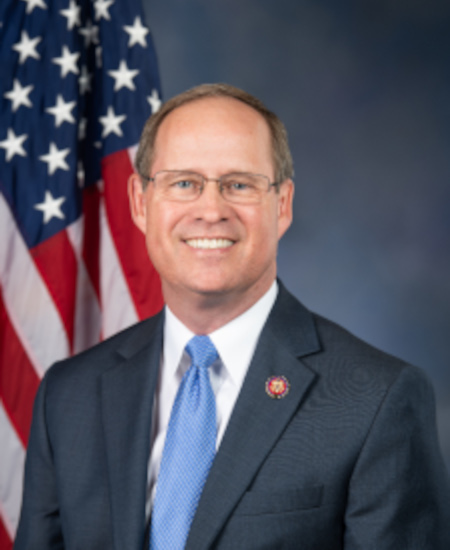
Gregory F. Murphy
RRepublican
Co
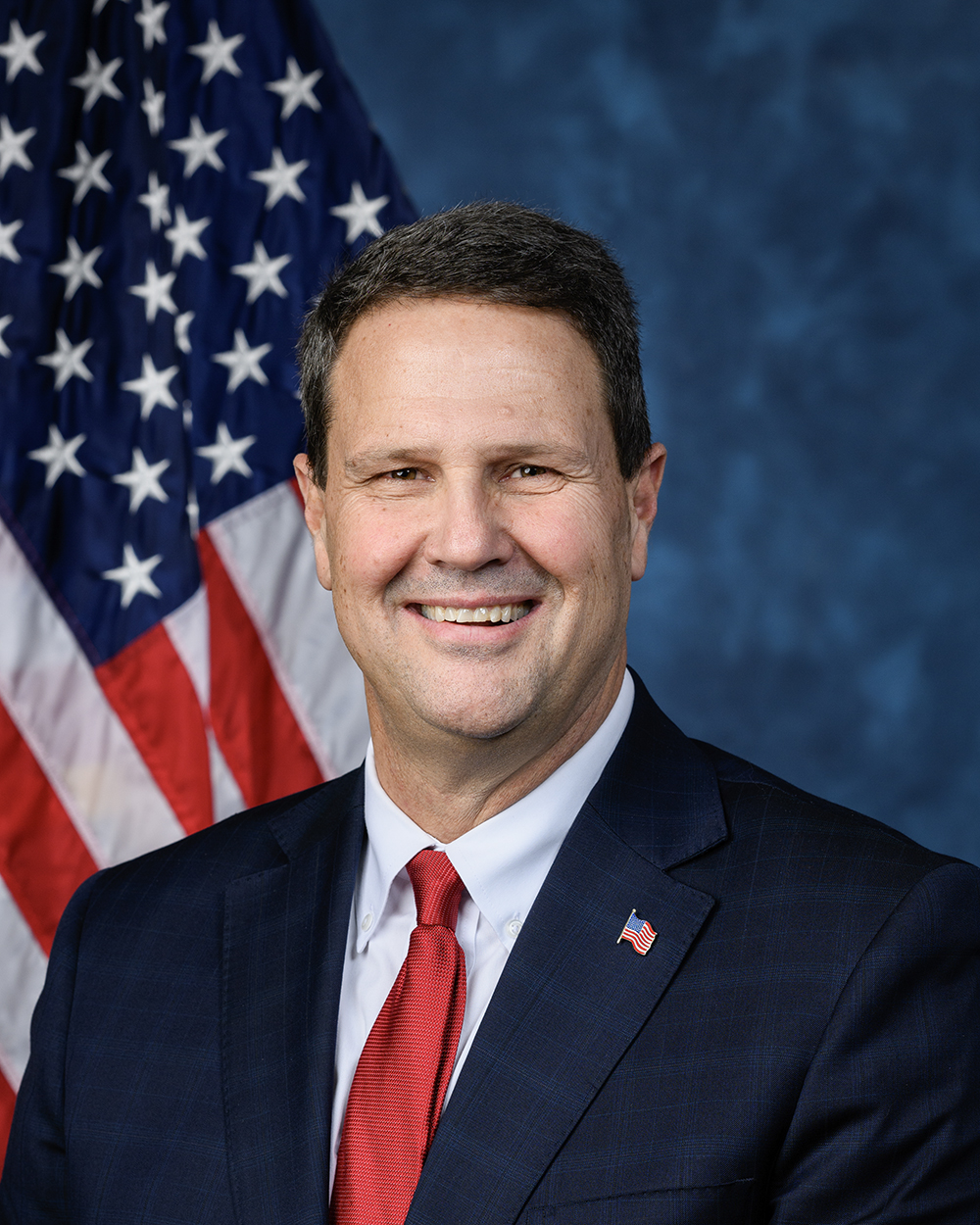
Jeff Crank
RRepublican
Co
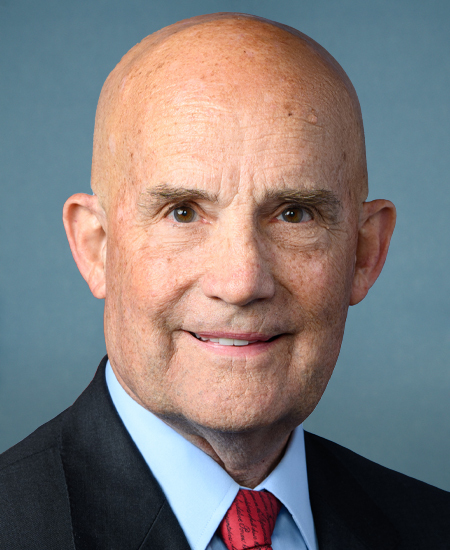
Keith Self
RRepublican

Ask Maddy
·
AI policy assistant
Ask Maddy about HR 4424
Scope: US
Hi! I can help you understand HR 4424. What would you like to know?
Try one of these
i
Maddy answers using official bill text and legislative records. Always verify before sharing.
Sources cited inline