Issue · Labor & Employment

Labor & Employment

Every labor & employment bill, vote, and legislator stance in United States, automatically classified by Maddy, our AI policy reader.

Total bills
1,553
119th Congress
Top supporter
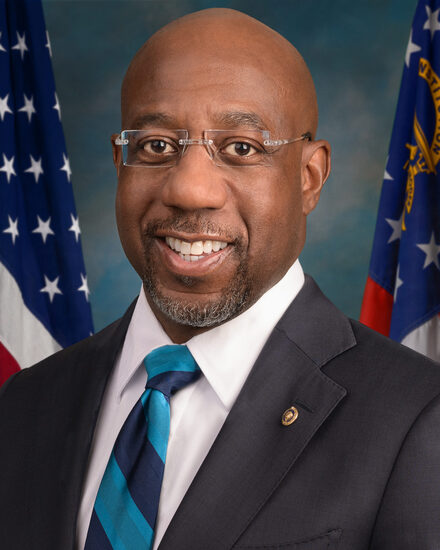
Raphael G. Warnock
100% support rate
Top opponent
Chip Roy
29% support rate
Ranked legislators
10
5 support · 5 oppose
Key legislators

Who's moving labor & employment in United States

Legislators moving labor & employment in United States
Legislator Party Stance Support rate Decisive votes
Raphael G. Warnock
Raphael G. Warnock Senate
D
Strong +
100% 8
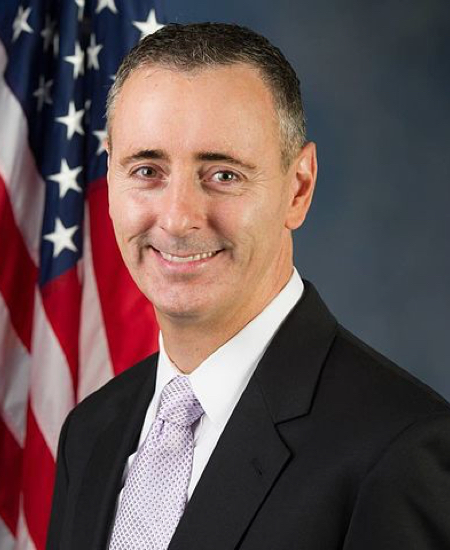
Brian K. Fitzpatrick
Brian K. Fitzpatrick House · District 1
R
Strong +
93% 14
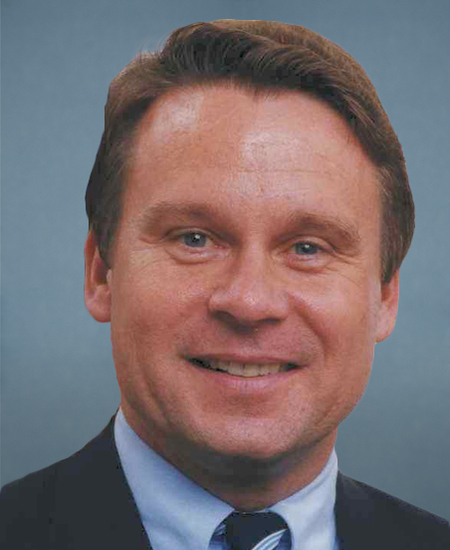
Christopher H. Smith
Christopher H. Smith House · District 4
R
Strong +
93% 14
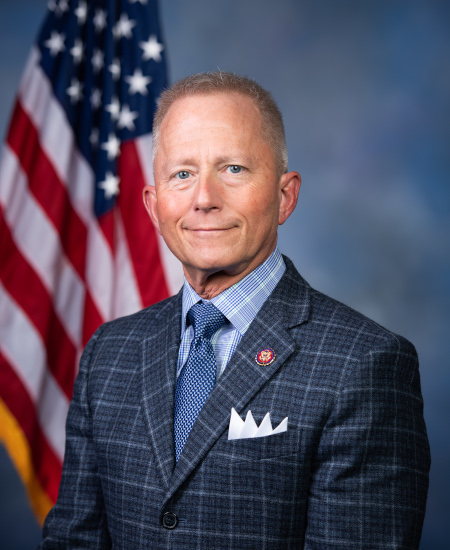
Jefferson Van Drew
Jefferson Van Drew House · District 2
R
Strong +
93% 14
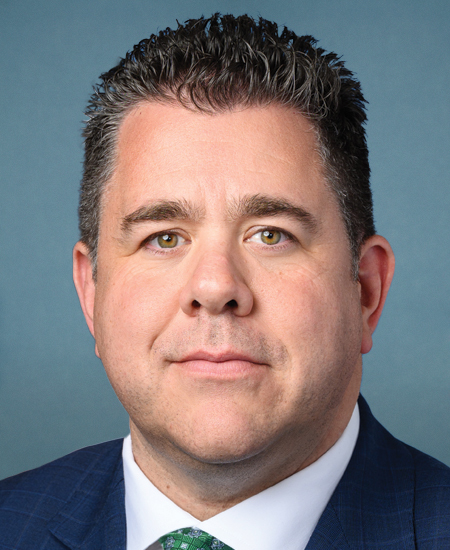
Nick LaLota
Nick LaLota House · District 1
R
Strong +
93% 14
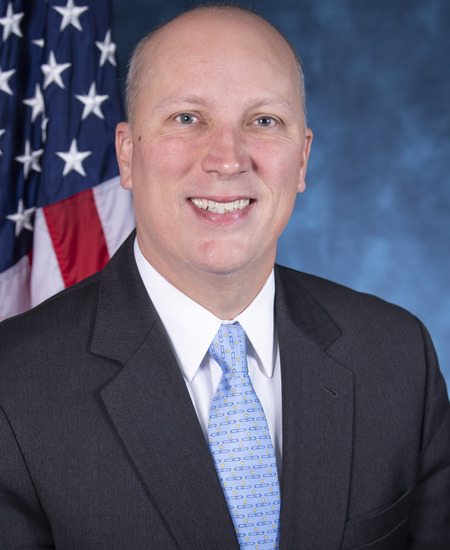
Chip Roy
Chip Roy House · District 21
R
Oppose
29% 14
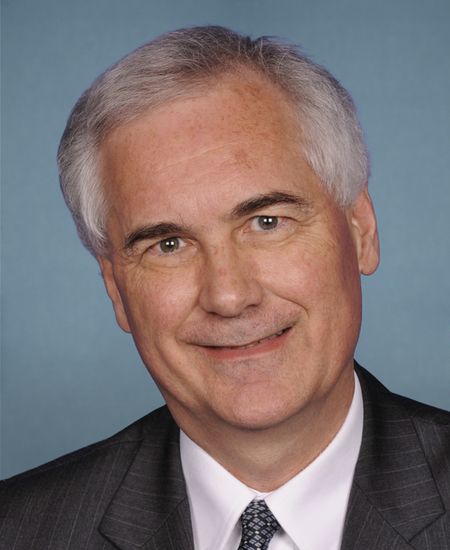
Tom McClintock
Tom McClintock House · District 5
R
Oppose
29% 14
Keith Self
Keith Self House · District 3
R
Oppose
31% 13
Neal P. Dunn
Neal P. Dunn House · District 2
R
Oppose
33% 9
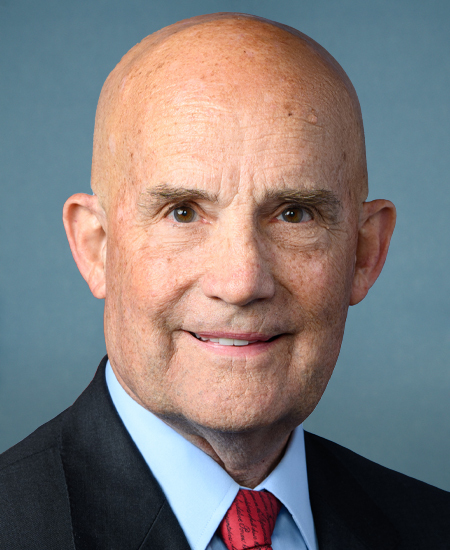
Andy Harris
Andy Harris House · District 1
R
Oppose
36% 14
Showing 1,161–1,170 of 1,553 bills

All labor & employment bills

in committee · United States · House Apr 30, 2025

HR 3093: REHIRE Act

This bill, the REHIRE Act (HR 3093), creates a hiring preference for certain federal employees who were involuntarily separated between January 1, 2025, and January 1, 2027. It directly affects career federal employees removed during that period who were not in political positions or separated for misconduct or poor performance. The key provision gives these employees 5 additional points in their hiring rating (under 5 U.S.C. §3309) and deems them "preference eligible" for competitive service positions. The preference expires 5 years after the bill becomes law and does not apply to political appointees, those fired for misconduct, or those with documented poor performance reviews.
Sub-Topics Public Employees
in committee · United States · Senate Mar 19, 2026

S 2828: Child Care Modernization Act of 2025

The Child Care Modernization Act of 2025 amends the Child Care and Development Block Grant Act to improve access to high-quality child care for working parents. It requires states to develop plans with input from parents, providers, and employers, and to set payment rates that cover providers' full costs including staff salaries and benefits. The bill creates a new grant program to expand child care supply through facilities improvements and support for providers serving priority populations like homeless children, rural communities, and children with disabilities. It clarifies eligibility requirements, including income limits for families and definitions for "eligible child" and "eligible activity." The act aims to increase the number of low-income children in high-quality child care settings while supporting the child care workforce.
Tags Children
in committee · United States · Senate Mar 14, 2025

S 1075: MERIT Act

This bill requires federal agencies to reinstate eligible probationary employees who were terminated during mass layoffs (defined as 15+ separations in 30 days) between January 20, 2025, and the bill's enactment. It mandates reinstatement to similar positions with matching benefits (health insurance, retirement, etc.) and back pay covering the period from termination to reinstatement. Employees must accept reinstatement within 30 days, and agencies must process payments within 90 days. The bill also requires agencies to report on mass terminations and reinstatement outcomes to Congress.
Sub-Topics Public Employees
in committee · United States · Senate Feb 3, 2025

S 370: Education Freedom Scholarships and Opportunity Act

This bill establishes tax credits for individuals and corporations that contribute to scholarship-granting organizations and workforce training organizations. Individuals can claim a credit up to 10% of their adjusted gross income for contributions supporting elementary/secondary education, career training, or vocational education. Corporations can claim a credit up to 5% of taxable income for similar contributions. The bill includes a $10 billion annual cap on total credits ($5 billion for education, $5 billion for workforce training) and creates a web portal to help taxpayers make contributions and receive tax credit pre-approval.
in committee · United States · Senate Nov 7, 2025

S 3155: COACH Act

S 3155, the COACH Act, requires the Small Business Administration to create and regularly update a multilingual resource guide for small childcare providers. The guide must cover operations, finances, compliance, safety, quality standards, and other key areas, and must be published annually for 5 years after enactment. It mandates consultation with health officials, child care agencies, and local resource organizations before creation. The guide must be published in English and 10 additional languages (including Mandarin, Cantonese, Japanese, and Korean) on a public website and distributed to childcare providers, especially those with limited administrative capacity, through small business support centers. This is a procedural bill focused on providing practical resources, not changing funding or regulations.
Tags Small Business
in committee · United States · Senate Sep 11, 2025

S 2785: A Chance To Serve Act

This bill, the "A Chance To Serve Act," provides expanded benefits for Peace Corps and AmeriCorps volunteers. It extends job eligibility for 3 years after service, increases readjustment allowances from $125 to $425, and provides one year of health care coverage after service. The bill also suspends student loan payments and interest during service, doubles the Segal AmeriCorps Education Award, and ensures no discrimination based on immigration status. Additionally, it increases living allowances to 200% of the poverty line and expands student loan forgiveness for national service. These changes directly benefit current and former Peace Corps and AmeriCorps volunteers.
in committee · United States · House Jan 20, 2025

HR 567: Expanding Labor Representation in the Workforce System Act

This bill increases the required representation of labor organizations on state and local workforce development boards from 20% to 30% under the Workforce Innovation and Opportunity Act. It also expands the definition of "labor organization" to include groups representing federal/state employees, railroad workers, and agricultural laborers - previously excluded under the National Labor Relations Act. These changes directly affect workforce boards that design job training programs and connect workers to employment services. The key mechanism is raising the mandated labor representation percentage and clarifying which worker groups qualify as labor organizations for this purpose. The policy aims to broaden worker input in workforce planning without altering existing labor protections.
in committee · United States · House Feb 26, 2026

HR 7739: Rural Emergency Response Support Act

HR 7739, the Rural Emergency Response Support Act, amends the Fair Labor Standards Act to exempt rural employers of emergency medical technicians (EMTs) and paramedics from standard overtime requirements. It specifically applies to public agencies (like counties or towns) with fewer than 100,000 residents and private entities contracted by them. The key provision removes these employers from FLSA overtime violations when employing EMTs or paramedics, easing compliance for small rural emergency response teams. This directly affects rural EMS providers in smaller communities by allowing flexibility in scheduling without triggering overtime pay obligations under current law.
Sub-Topics Labor Standards Tags Public Safety
in committee · United States · House Feb 10, 2026

HR 7479: WORK to Save Lives Act

The WORK to Save Lives Act requires the Occupational Safety and Health Administration (OSHA) to issue two types of guidance within 270 days of enactment. For private employers (excluding the U.S. Postal Service), OSHA must provide non-mandatory guidance on acquiring naloxone kits and offering annual employee training for opioid overdose emergencies. For all federal agencies (including the Veterans Health Administration), OSHA must issue mandatory regulations requiring agencies to maintain naloxone kits and provide annual employee training on their use. The bill directly affects private businesses and federal workplaces by establishing specific, time-bound requirements for opioid overdose response preparedness.
in committee · United States · House Sep 16, 2025

HR 5397: HEALING Mothers and Fathers Act

HR 5397, the HEALING Mothers and Fathers Act, expands paid leave under the Family and Medical Leave Act (FMLA) to cover "spontaneous loss of an unborn child" (unplanned pregnancy loss not from a purposeful act). This affects private-sector employees and federal workers, allowing them to take up to 12 weeks of job-protected leave for this reason, with provisions for intermittent leave when medically necessary. The bill also creates a refundable tax credit for individuals who experienced a stillbirth (defined as spontaneous fetal death before delivery), equal to the amount of the existing section 24 credit, to help offset related expenses. These changes directly impact employees seeking leave for pregnancy loss and taxpayers who suffered stillbirths, adding specific eligibility criteria and certification requirements to both provisions.
Showing 1,161 to 1,170 of 1,553 bills