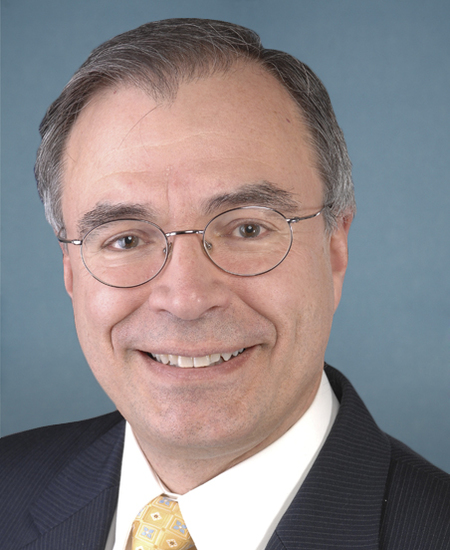
Essential Caregivers Act of 2025 This bill prohibits certain health care facilities from limiting the access of essential caregivers to residents of those facilities, including during designated emergency periods. Specifically, the bill generally prohibits Medicare skilled nursing facilities, Medicaid nursing facilities, Medicaid intermediate care facilities, and associated inpatient rehabilitation facilities from restricting the access of essential caregivers to residents of the facilities, including during emergency periods in which visitation rights are otherwise restricted. During emergency periods, facilities may restrict access for an initial period of up to seven days and for one additional maximum seven-day period (if the additional period is approved by the state health department). Facilities may restrict access for a total of 7 days (or 14 days with the approval of the state health department) during an emergency period. Essential caregivers must agree to comply with any safety protocols set by the facility, which may be no more stringent for caregivers compared to those for staff. Caregivers who fail to comply with these requirements may be denied access, subject to an appeals process.
The LAB Personnel Act of 2025 (S 3334) protects the laboratory workforce at the Drug Enforcement Administration (DEA) from hiring freezes or workforce reductions caused by budget cuts or fund reprogramming. It directly affects DEA forensic lab staff, including forensic chemists, fingerprint specialists, digital forensic examiners, and other defined roles in DEA forensic laboratories. The bill mandates that these positions be exempt from reductions related to spending constraints, while clarifying that it does not prevent the Attorney General from managing staff under existing misconduct or performance procedures. This is a concrete policy change to maintain staffing levels in DEA forensic operations.
The Employee Ownership Fairness Act of 2025 would adjust federal retirement rules to help employees in Employee Stock Ownership Plans (ESOPs) better manage their retirement savings. Currently, ESOP contributions tied to company growth can cause employees to exceed annual limits for other retirement plans (like 401(k)s), forcing employers to deny matching contributions they’d otherwise provide. The bill changes how contribution limits are calculated by excluding employer stock contributions and loan repayments used to buy company shares from the limits, and requires ESOPs to be treated separately from other retirement plans. This would allow ESOP participants to diversify their savings without losing access to employer matching contributions they’d otherwise miss.
The Working Families Flexibility Act of 2025 allows private sector employees to earn time off instead of cash for overtime hours, at a rate of 1.5 hours of time off for every hour of overtime worked. To qualify, employees must have worked at least 1,000 hours for their employer in the prior 12 months, and agreements for time off must be voluntary, in writing, and not tied to employment conditions. Employers must pay cash for unused time off by January 31 each year (or another agreed 12-month period), with a cap of 160 hours of accrued time. The bill excludes public employees, includes enforcement provisions for violations, and expires 5 years after enactment.
This bill prevents the Forest Service from initiating or implementing layoffs until after full-year funding for fiscal year 2026 is secured. It specifically stops reductions in force and involuntary separations for most Forest Service employees (including competitive service, excepted service, and senior executive roles), except for misconduct, poor performance, or delinquency. The moratorium applies to all personnel actions under the Secretary of Agriculture’s authority until FY2026 appropriations are enacted. This directly affects Forest Service workers and ensures their job stability during the budget process.
HR 2655 would end the federal income tax on unemployment compensation for most recipients starting in 2025. It amends the tax code to remove the requirement that unemployment benefits be included in taxable income after December 31, 2024. This means individuals receiving unemployment benefits in 2025 or later would not owe federal income tax on those payments. The change applies to all eligible unemployment benefits received after the 2024 deadline, effectively sunsetting the existing tax treatment.
This bill strengthens protections for FBI employees who report misconduct or wrongdoing. It prohibits the FBI from punishing staff for whistleblowing, testifying about violations, or cooperating with internal investigations, including during probationary periods. New FBI hires must receive written information about whistleblower rights within 180 days of appointment, and the Attorney General must ensure clear procedures for reporting retaliation. The bill also clarifies the appeals process for employees claiming retaliation, requiring decisions to follow specific legal standards. These changes directly affect all FBI employees who might report safety, security, or ethical concerns.
This bill modifies retirement plan rules to allow automatic reenrollment for employees who previously opted out of contributions. It permits employers to automatically reinstate 401(k) and similar retirement plan contributions after 1-3 years (unless employees actively opt out again), applying to both qualified automatic contribution arrangements and eligible automatic contribution arrangements. The change affects employees in employer-sponsored retirement plans who had previously chosen not to contribute, ensuring they are automatically enrolled again without needing to reapply. The policy applies to future plan years starting after the bill's enactment, with no retroactive effect.
This bill creates "Workforce Pell Grants" to support students in short-term, job-focused training programs instead of traditional degree programs. It directly affects students enrolled in state-approved programs lasting 8-15 weeks (150-600 hours) that lead to portable credentials in high-demand fields, not graduate degrees or programs exceeding 600 hours. Key provisions require programs to meet state-determined job placement (70%+ within 180 days), earnings standards (median earnings exceeding 150% of poverty line), and academic credit transferability. The program starts July 1, 2026, replacing standard Pell Grants for eligible short-term training while preventing double-benefits with other aid.
The Saving American Workers’ Benefits Act of 2025 requires taxpayers claiming the Child Tax Credit or Earned Income Credit to provide Social Security Numbers (SSNs) that confirm the individual is authorized to work in the United States. Specifically, the SSN must be issued to a U.S. citizen or under specific Social Security Act provisions indicating work eligibility, and must be issued before the tax return deadline. The bill updates tax code references to replace "TIN" (Taxpayer Identification Number) with "SSN" in certain procedures and removes an exception for SSNs that do not indicate work authorization. These changes apply to tax returns for taxable years beginning after December 31, 2025, directly affecting individuals seeking these federal tax credits.