

Issue · Labor & Employment
Labor & Employment
Every labor & employment bill, vote, and legislator stance in United States, automatically classified by Maddy, our AI policy reader.
Total bills
1,564
119th Congress
Top supporter
Brian K. Fitzpatrick
93% support rate
Top opponent
Bernard Sanders
27% support rate
Ranked legislators
10
5 support · 5 oppose
Key legislators
Who's moving labor & employment in United States
| Legislator | Party | Stance | Support rate | Decisive votes |
|---|---|---|---|---|
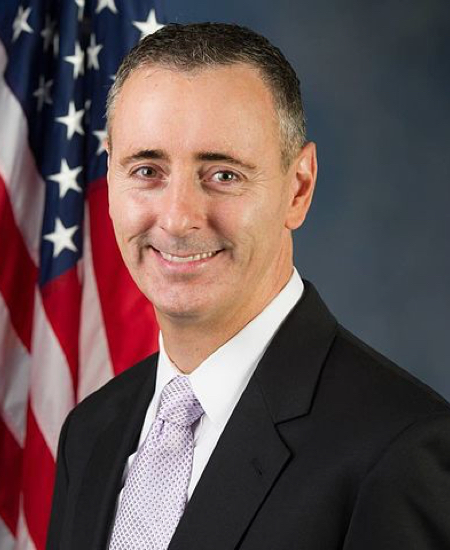
Brian K. Fitzpatrick
House · District 1
|
R |
Strong +
|
93% | 14 |
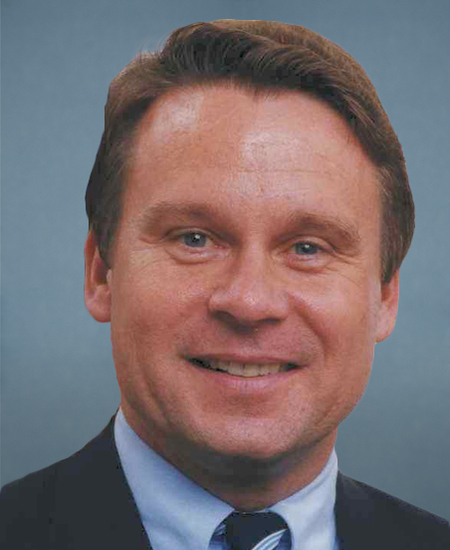
Christopher H. Smith
House · District 4
|
R |
Strong +
|
93% | 14 |
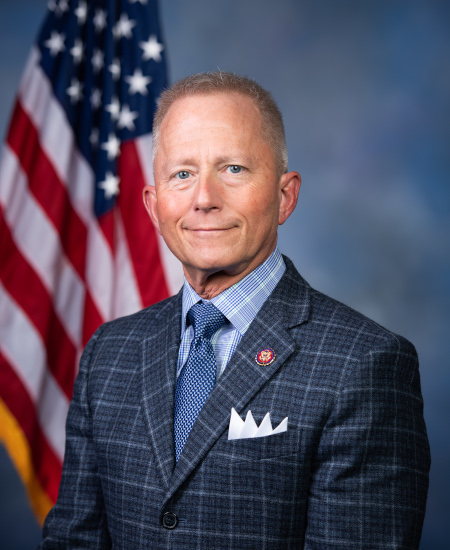
Jefferson Van Drew
House · District 2
|
R |
Strong +
|
93% | 14 |
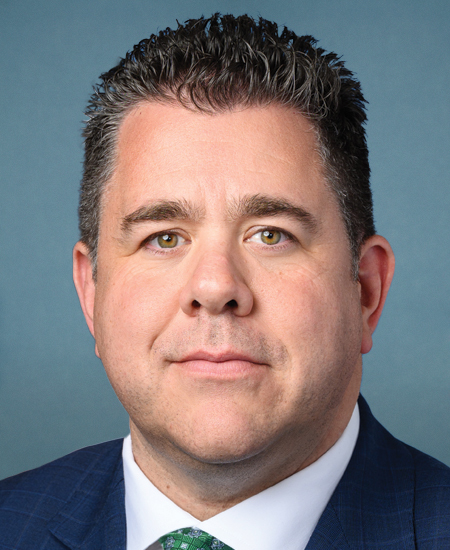
Nick LaLota
House · District 1
|
R |
Strong +
|
93% | 14 |

Robert P. Bresnahan, Jr.
House · District 8
|
R |
Strong +
|
93% | 14 |
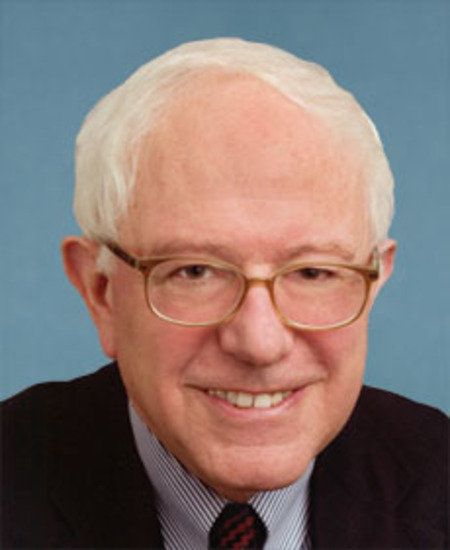
Bernard Sanders
Senate
|
I |
Oppose
|
27% | 11 |
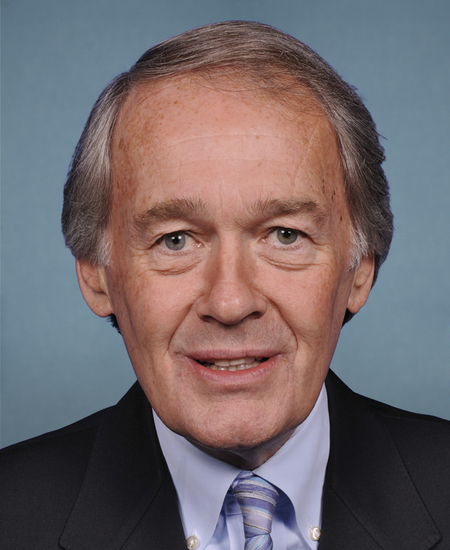
Edward J. Markey
Senate
|
D |
Oppose
|
27% | 11 |
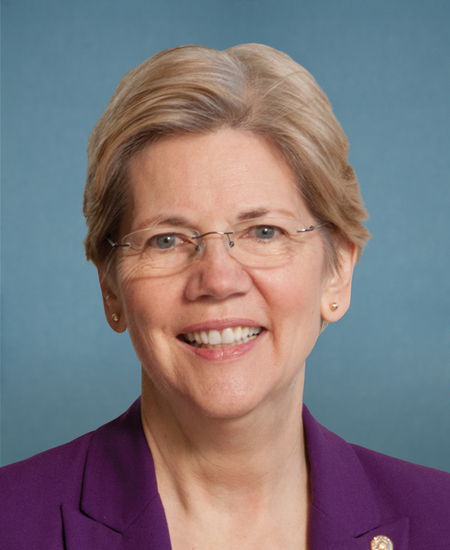
Elizabeth Warren
Senate
|
D |
Oppose
|
27% | 11 |
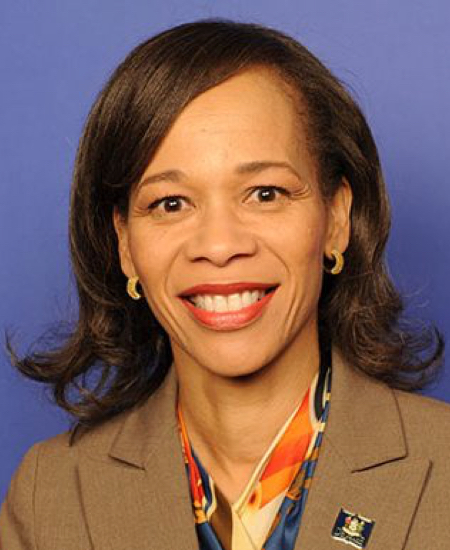
Lisa Blunt Rochester
Senate
|
D |
Oppose
|
27% | 11 |
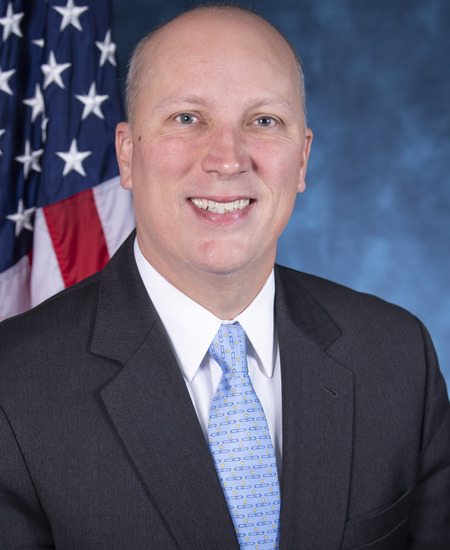
Chip Roy
House · District 21
|
R |
Oppose
|
29% | 14 |
Showing 1,051–1,060 of 1,564
bills
All labor & employment bills
HR 5123: Indoor Air Quality and Healthy Schools Act of 2025
Topics
✓ EducationSupports EducationRequires EPA guidelines for school air quality, improving physical learning environments and safety, directly supporting school infrastructure as per education policy indicators.
✓ EnvironmentSupports EnvironmentMandates EPA guidelines to reduce indoor air pollutants (radon, formaldehyde) in schools, directly advancing pollution control and environmental protection in public spaces.
✓ HealthcareSupports HealthcareMandates EPA guidelines for indoor air quality in schools, directly reducing health risks from contaminants like radon and formaldehyde, aligning with public health protection indicators.
✓ Labor & EmploymentSupports Labor & EmploymentMandates EPA guidelines to reduce workplace contaminants in schools/childcare facilities, directly improving worker safety in employment settings.
HR 6713: Protect Veteran Students, Job Seekers, and Entrepreneurs Housing Act
Topics
✓ EducationSupports EducationPrevents housing discrimination against veterans using VA education benefits, directly enhancing educational access by removing a barrier to continued enrollment and program participation.
✓ HousingSupports HousingPrevents housing discrimination against veterans by requiring landlords to count VA benefits as income and protect lease terms, strengthening tenant rights.
✓ Labor & EmploymentSupports Labor & EmploymentPrevents housing discrimination against veterans using VA benefits, aiding job seekers by ensuring stable housing during education/training, aligning with labor protections.
✓ VeteransSupports VeteransPrevents housing discrimination against veterans using VA benefits, aligns lease terms with benefit durations, and provides grace periods to protect housing access and stability for veterans.
Sub-Topics
Higher Education
Student Financial Aid
Landlords
Renters
Tenant Rights
Veteran Benefits
Veteran Education
Veteran Housing
HR 3612: End For-Profit Prisons Act of 2025
Topics
✓ Criminal JusticeSupports Criminal JusticeEnds federal contracts with for-profit prisons for core services, transitioning to federal employees - directly advances criminal justice reform by reducing profit incentives in corrections.
✓ Labor & EmploymentSupports Labor & EmploymentBill transitions prison services to federal employees, implying stronger labor standards and protections compared to for-profit contracts, aligning with worker protection indicators.
S 2630: Saving NSF’s Workforce Act
HR 893: Working Families Housing Tax Credit Act
Topics
✓ Budget & TaxesSupports Budget & TaxesCreates tax credit for affordable housing development targeting low/middle-income households, providing tax relief via 50-60% credit rates for developers.
✓ HousingSupports HousingCreates tax credits for affordable housing development targeting low-income households with 40% rent-restricted units, directly advancing affordable housing goals.
✓ Labor & EmploymentSupports Labor & EmploymentTargets housing for working families (teachers, firefighters, etc.) with rent restrictions for households earning up to 180% AMI, supporting affordable housing access for low-to-moderate wage workers.
✓ VeteransSupports VeteransBill explicitly targets veterans as a qualifying group for housing tax credits, providing direct housing benefits through rent-restricted units.
Sub-Topics
Tax Credits
Tax Incentives
Affordable Housing
Historic Preservation
Housing Finance
Veteran Housing
Tags
Rural Communities
HR 1598: Ensuring Access to Medicaid Buy-in Programs Act
Topics
✓ HealthcareSupports HealthcareRemoves age barrier for Medicaid buy-in, expanding coverage for disabled adults 65+ who were previously excluded from this pathway.
✓ Labor & EmploymentSupports Labor & EmploymentEnables working disabled adults 65+ to maintain Medicaid coverage while employed, supporting labor participation and stability by removing a barrier to continued work.
S 2459: ABLE Employment Flexibility Act
HR 6923: Jobs for a Carbon Free Transportation System Act
Topics
✓ Budget & TaxesSupports Budget & TaxesUses tax increment districts and tax-exempt bonds to fund transportation infrastructure, advancing public spending through fiscal mechanisms
✓ EnergySupports EnergyFunds low-carbon transportation infrastructure (EVs, public transit) to reduce emissions and transition workers from fossil fuels, directly advancing renewable energy adoption in transportation.
✓ EnvironmentSupports EnvironmentBill explicitly creates grant program for 'low carbon corridors' to reduce emissions, fund clean transportation infrastructure, and transition workers from fossil fuels.
✓ HousingSupports HousingExpands tax-exempt bonds for transit-oriented development (TOD), a housing strategy promoting affordable housing near transit hubs through infrastructure funding.
✓ Labor & EmploymentSupports Labor & EmploymentBill explicitly creates a grant program to help workers transition from fossil fuel industries, directly supporting labor and employment through workforce assistance.
✓ TransportationSupports TransportationFunds low carbon corridors, public transit, and EV infrastructure via grants and tax mechanisms, directly advancing sustainable transportation systems.
S 2536: Safeguarding American Tourism Act
Topics
✗ Labor & EmploymentOpposes Labor & EmploymentRemoves PVSA safety requirements and crew citizenship rules, weakening workplace safety standards and U.S. workers' employment opportunities under Jones Act.
✗ TransportationOpposes TransportationExempts large cruise ships from Passenger Vessel Safety Act (PVSA), weakening transportation safety standards per bill's removal of key safety requirements.
Sub-Topics
Ports