Issue · Education

Education

Every education bill, vote, and legislator stance in United States, automatically classified by Maddy, our AI policy reader.

Total bills
1,194
119th Congress
Top supporter
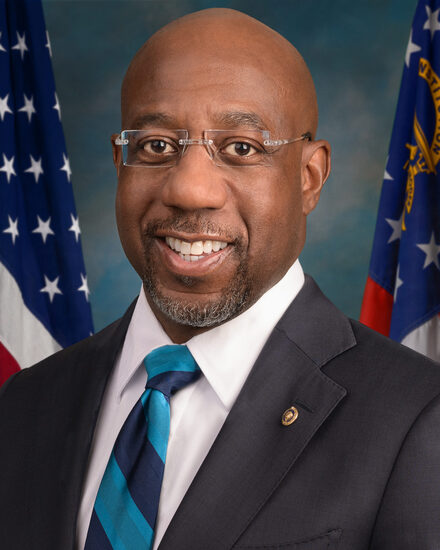
Raphael G. Warnock
100% support rate
Top opponent
Thomas Massie
12% support rate
Ranked legislators
10
5 support · 5 oppose
Key legislators

Who's moving education in United States

Legislators moving education in United States
Legislator Party Stance Support rate Decisive votes
Raphael G. Warnock
Raphael G. Warnock Senate
D
Strong +
100% 6
Adam B. Schiff
Adam B. Schiff Senate
D
Strong +
86% 7
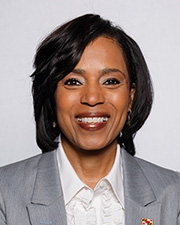
Angela D. Alsobrooks
Angela D. Alsobrooks Senate
D
Strong +
86% 7
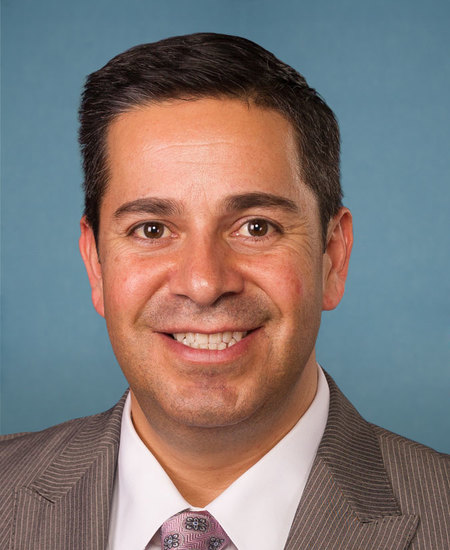
Ben Ray Luján
Ben Ray Luján Senate
D
Strong +
86% 7
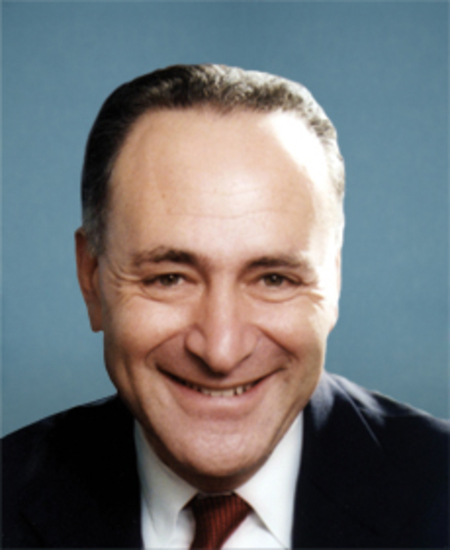
Charles E. Schumer
Charles E. Schumer Senate
D
Strong +
86% 7
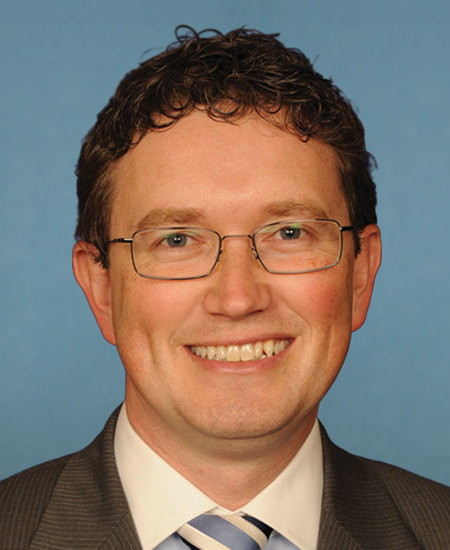
Thomas Massie
Thomas Massie House · District 4
R
Strong −
12% 8
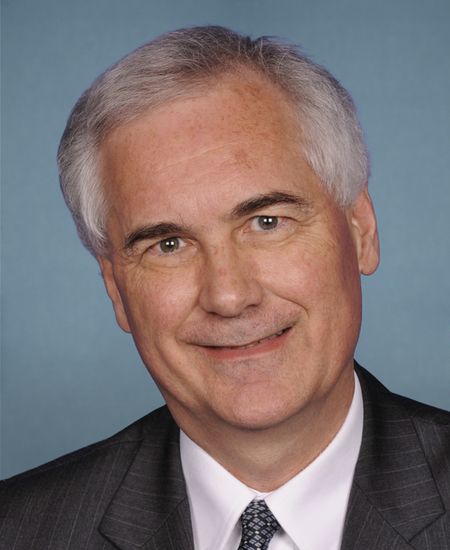
Tom McClintock
Tom McClintock House · District 5
R
Strong −
12% 8
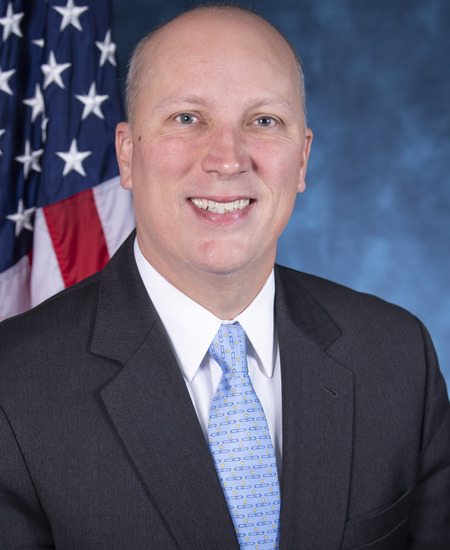
Chip Roy
Chip Roy House · District 21
R
Strong −
14% 7
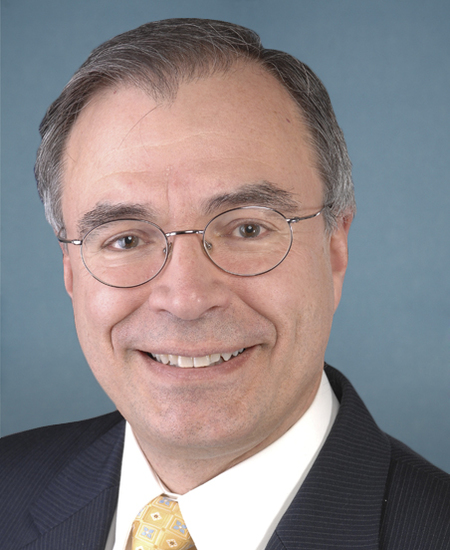
Andy Harris
Andy Harris House · District 1
R
Strong −
20% 10
Keith Self
Keith Self House · District 3
R
Strong −
20% 10
Showing 221–230 of 1,194 bills

All education bills

in committee · United States · Senate May 14, 2026

S 4541: Senator Paul Simon Study Abroad Program Act of 2026

This bill establishes the Senator Paul Simon Study Abroad Program by renaming the existing IDEAS Program and directing the Secretary of State to expand access to international study opportunities. The legislation creates a competitive grant system for colleges and universities to support students, with a specific focus on increasing participation among low-income students, students of color, and those attending minority-serving institutions. To achieve its goals, the program prioritizes funding for initiatives that include world language learning, safety measures, and study in developing nations, aiming to reach one million undergraduate students annually within ten years. Institutions receiving grants must submit detailed plans outlining how they will use the funds and demonstrate a commitment to sustaining these programs over time.
Sub-Topics Higher Education
in committee · United States · Senate May 20, 2026

S 4612: SCREEN for Type 1 Diabetes Act of 2026

The SCREEN for Type 1 Diabetes Act of 2026 directs the Centers for Disease Control and Prevention to launch a national public awareness campaign focused on type 1 diabetes detection, screening, and management. This initiative affects healthcare providers, schools, public health departments, and the general public by requiring the creation of culturally and linguistically competent educational materials and public service announcements across various media channels. To support these efforts, the bill authorizes $5 million annually from 2027 to 2031 for grants to nonprofit organizations and state and local health departments to develop effective screening strategies and disseminate information. Additionally, the legislation mandates that the CDC consult with diverse community groups and submit a report to Congress within one year detailing the campaign's progress and impact.
Sub-Topics Public Health
in committee · United States · House May 21, 2026

HRES 1319: Ending child poverty.

This resolution expresses the House of Representatives' desire to eliminate child poverty and establish a national target to guide future policy. It recognizes the significant drop in poverty during 2021 caused by expanded federal support, such as the Child Tax Credit, and calls for making these investments permanent. The document highlights disparities affecting Black, Hispanic, and immigrant children, as well as those living in U.S. territories, and advocates for increased federal spending on early childhood education and essential services like nutrition and housing. Ultimately, it encourages states and localities to adopt policies that align with these goals to ensure all children have access to basic necessities and educational opportunities.
Sub-Topics Tax Credits Early Childhood Tags Children
in committee · United States · Senate May 20, 2026

S 4611: Job Corps Shipbuilding-Defense Industrial Base Pipeline Act of 2026

The Job Corps Shipbuilding-Defense Industrial Base Pipeline Act of 2026 aims to connect Job Corps training programs with the needs of the defense industry by allowing centers to adjust their courses and locations to match local shipbuilding and manufacturing requirements. It requires military recruiters to inform applicants who cannot enlist immediately about Job Corps as an alternative path to gain necessary skills. The bill also permits Job Corps centers to accept external grants and donations for specific purposes while restricting how those funds can be used, and it streamlines enrollment for veterans and military recruits by waiving certain background checks for those recently separated or who failed enlistment requirements.
in committee · United States · House Apr 27, 2026

HR 8530: Quantum for Health Act

The Quantum for Health Act amends the National Quantum Initiative Act to broaden the scope of federal quantum research and education programs. It explicitly adds "social benefit" as a goal and includes "diverse sectors" alongside existing applications, ensuring that health-related fields are integrated into the national strategy. The bill also expands the oversight committees and advisory groups by adding the Department of Health and Human Services and requiring nonprofit research organizations to be included in coordination efforts. Furthermore, it increases the number of multidisciplinary research centers from five to ten and mandates that these centers focus on quantum information science, engineering, and technology to address health challenges while promoting diversity in STEM education.
Sub-Topics Emerging Technology
in committee · United States · Senate Apr 16, 2026

S 4321: YouthBuild for the Future Act

The YouthBuild for the Future Act expands the YouthBuild program, which helps young people gain job skills through construction training and education, by directing a larger share of funding to rural areas and tribal communities. It updates program rules to better support participants by allowing grant funds to cover matching financial requirements, providing food assistance, and offering specific support services for individuals with disabilities. The bill also introduces new grants to help program partners form alliances with local employers to create more relevant job training opportunities and requires the government to consult regularly with program operators to set realistic performance goals. Additionally, the legislation increases the total amount of money available for the program over the next six years and establishes a new specific fund to support these employer partnerships.
in committee · United States · Senate Apr 16, 2026

S 4319: Rehabilitation Through Reading Act of 2026

The Rehabilitation Through Reading Act of 2026 requires the Bureau of Prisons to create a Publication Review Committee to oversee which books are available in federal prisons. This committee, composed of librarians, incarcerated individuals, legal experts, and the federal prison ombudsman, must approve any decision to ban a book after reviewing the specific reasons provided by prison officials. The law explicitly forbids banning books simply because their viewpoints are unpopular or disagreeable, and it mandates that books remain accessible while appeals against their removal are being reviewed. Additionally, the Act requires the Bureau of Prisons to submit annual reports to Congress detailing every book that was prohibited and the outcomes of any related appeals.
Sub-Topics Corrections Libraries
in committee · United States · Senate May 21, 2026

S 4618: Elementary and Secondary School Counseling Act

The Elementary and Secondary School Counseling Act creates a new funding program to hire more counselors, psychologists, and social workers for schools with high numbers of low-income students. These funds are distributed to states, which then award subgrants to local school districts to help them reach recommended staffing ratios of 250 students per counselor, 500 per psychologist, and 250 per social worker. To qualify for the money, states must match the federal grant with their own funds and submit detailed plans showing how they will prioritize high-need schools. The bill also requires regular reporting on how many mental health staff are hired and the current student-to-staff ratios in participating schools.
in committee · United States · Senate Apr 22, 2026

S 4371: TECH Act

The TECH Act allows qualified technical schools to apply for the same federal funding as traditional two-year and four-year colleges. To make this happen, the bill requires government agencies to update their rules and application forms so these technical schools can participate in specific grant programs for student support and workforce training. A technical school must offer approved career training programs that lead to recognized credentials in high-demand fields like healthcare or manufacturing to qualify. This change aims to help these schools compete more fairly for financial resources while ensuring they prepare students for essential jobs.
in committee · United States · Senate May 19, 2026

S 4567: Loan Forgiveness for Educators Act of 2026

The Loan Forgiveness for Educators Act of 2026 expands existing federal programs to offer debt relief for teachers and early childhood educators who work in high-need schools or specific early education programs. To qualify for full cancellation of their student loans, eligible educators must complete five years of service, which can be consecutive or non-consecutive, in designated schools serving at least 30% low-income students or in Head Start and other qualifying early childhood settings. The bill also introduces a monthly payment assistance feature that covers a portion of loan obligations during the service period and allows parents to receive forgiveness if their children or they themselves are qualifying educators. Verification of service is handled by school administrators or program directors, with simplified self-certification options available for family child care providers, and the law ensures that educators who leave their positions early are not required to repay any forgiven amounts.
Showing 221 to 230 of 1,194 bills
Previous 1 22 23 24 120 Next