Issue · Education

Education

Every education bill, vote, and legislator stance in United States, automatically classified by Maddy, our AI policy reader.

Total bills
1,179
119th Congress
Top supporter
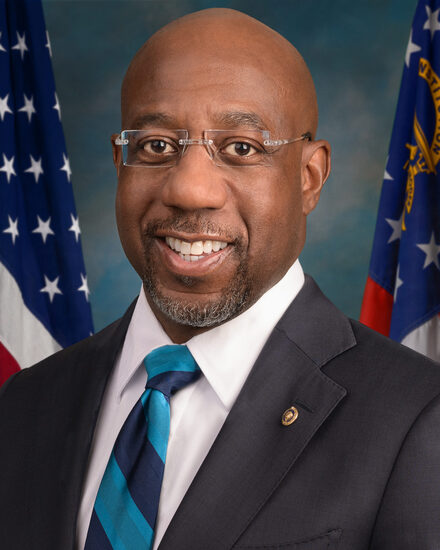
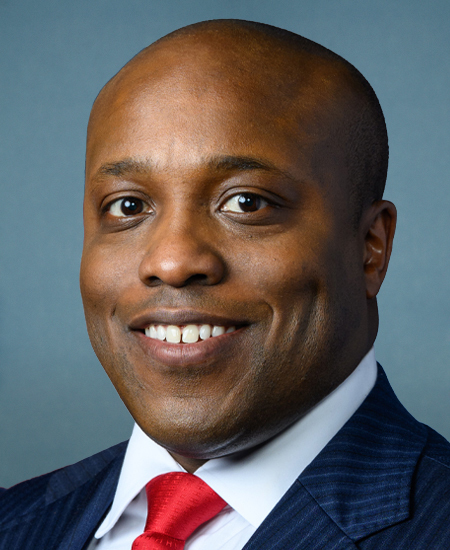
Raphael G. Warnock
100% support rate
Top opponent
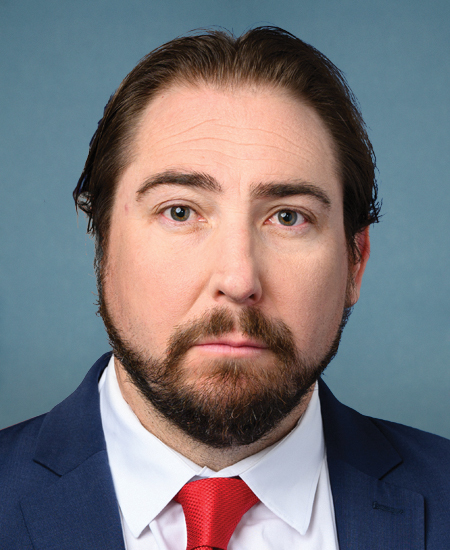
Thomas Massie
14% support rate
Ranked legislators
10
5 support · 5 oppose
Key legislators

Who's moving education in United States

Legislators moving education in United States
Legislator Party Stance Support rate Votes
Raphael G. Warnock
Raphael G. Warnock Senate
D
Strong +
100% 167
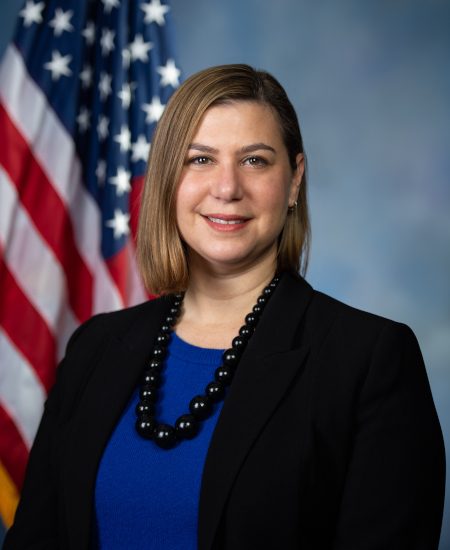
Elissa Slotkin
Elissa Slotkin Senate
D
Strong +
86% 166
Michael F. Bennet
Michael F. Bennet Senate
D
Strong +
86% 137
Mark R. Warner
Mark R. Warner Senate
D
Strong +
86% 167
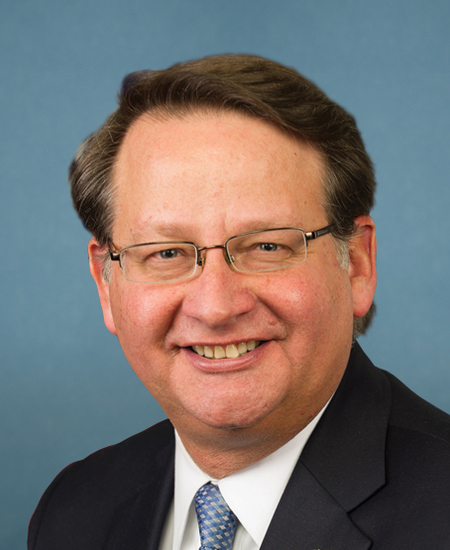
Gary C. Peters
Gary C. Peters Senate
D
Strong +
86% 167
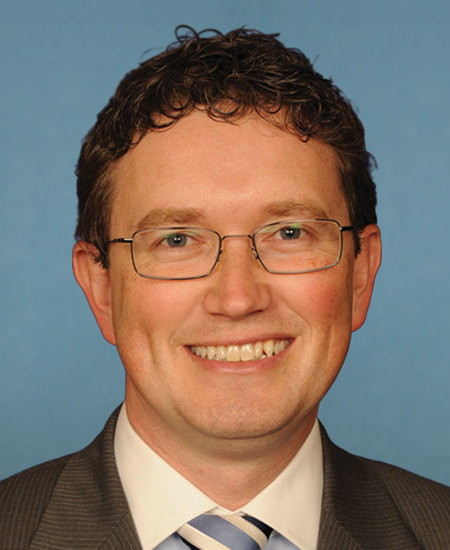
Thomas Massie
Thomas Massie House · District 4
R
Strong −
14% 126
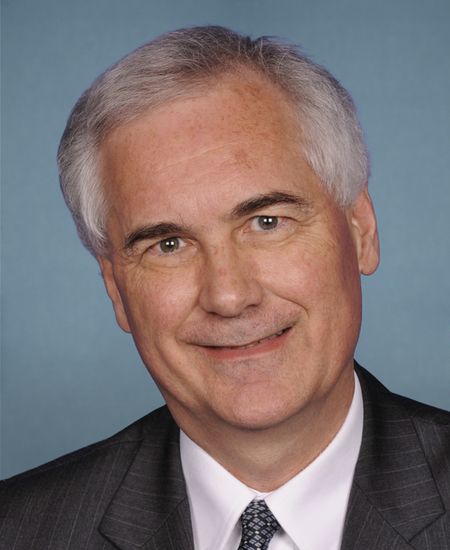
Tom McClintock
Tom McClintock House · District 5
R
Strong −
14% 125
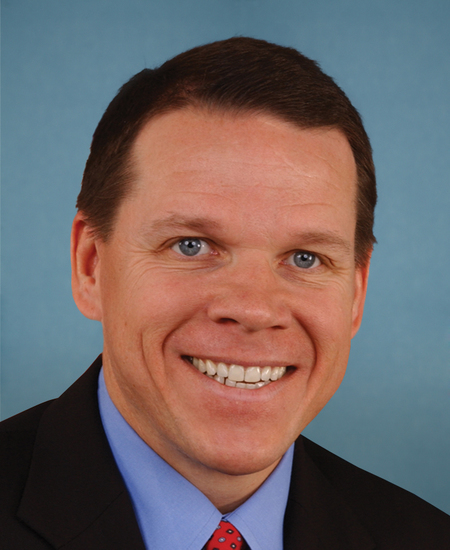
Sam Graves
Sam Graves House · District 6
R
Strong −
14% 124
Elijah Crane
Elijah Crane House · District 2
R
Strong −
14% 128
Wesley Hunt
Wesley Hunt House · District 38
R
Strong −
14% 109
Showing 1,111–1,120 of 1,179 bills

All education bills

in committee · United States · House Feb 4, 2025

HR 927: To amend the Higher Education Act of 1965 to prohibit institutions of higher education from requiring ideological oaths or similar statements, and for other purposes.

HR 927 prohibits colleges and universities from requiring students, employees, or applicants to endorse ideologies promoting racial, ethnic, or color-based discrimination or to provide statements about their race, ethnicity, national origin, or views on diversity, equity, and inclusion topics. The bill specifically bars institutions from using such statements for admissions, hiring, or contracting decisions. It includes key exceptions allowing institutions to request research content, certification of compliance with antidiscrimination laws, or discussions about teaching approaches. The law does not restrict academic coursework, research, or voluntary disclosures of personal information.
in committee · United States · Senate Sep 16, 2025

SRES 389: A resolution condemning the extreme anti-vaccine policies of Secretary of Health and Human Services Robert F. Kennedy, Jr., strongly opposing the policies of the State of Florida that roll back immunization requirements, and expressing the sense of the Senate that vaccines are critical to protecting public health, eliminating preventable illness and death, and reducing hospitalizations and severity of illness, work best when adopted at a high level within each community, and must be made available to the public.

This non-binding Senate resolution (SRES 389) condemns Secretary of Health and Human Services Robert F. Kennedy, Jr.'s actions dismissing the CDC's independent Advisory Committee on Immunization Practices and opposes Florida's 2025 policy rolling back school immunization requirements for children. It affirms that vaccines are critical for public health, preventable illness, and hospitalization reduction, and must be widely accessible at high community adoption rates. The resolution expresses the Senate's support for science-based vaccine policies, opposes politicizing medical recommendations, and emphasizes that vaccines should remain affordable and available through insurance and community settings like clinics and pharmacies. It does not create new laws but formally states the Senate's position against policies it views as endangering public health.
in committee · United States · House Feb 24, 2025

HRES 160: Recognizing January 2025 as "National Mentoring Month".

HRES 160 designates January 2025 as "National Mentoring Month" to highlight the positive impact of mentoring relationships on young people. The resolution emphasizes how mentoring improves academic performance, mental health, career readiness, and social skills - particularly for underserved youth - and addresses the "mentoring gap" where one in three young people lacks a supportive adult outside their family. It calls for expanding mentoring programs in schools, communities, and workplaces without creating new laws or funding. As a symbolic resolution, it aims to raise public awareness and encourage participation in existing mentoring initiatives.
Sub-Topics Mental Health
in committee · United States · Senate Feb 5, 2026

S 3784: Accounting STEM Pursuit Act

This bill amends the Elementary and Secondary Education Act to integrate accounting education into school programs. It requires states to include "accounting education, including career awareness" as part of a well-rounded K-12 educational experience and creates new funding opportunities for programs teaching accounting. The law specifically aims to increase access to high-quality accounting courses for students from groups historically underrepresented in accounting careers. These changes directly affect K-12 students and school districts receiving federal education funding under Title IV.
in committee · United States · House Feb 10, 2025

HR 1174: Ensuring Distance Education Act

HR 1174, the Ensuring Distance Education Act, clarifies that revenue from distance education programs must count toward the 90/10 rule for for-profit colleges under the Higher Education Act. This rule limits how much a school can earn from federal student aid (capping it at 90% of total revenue). The bill explicitly adds that funds from programs offered online or partly online - regardless of location - must be included in this calculation. It directly affects for-profit colleges with distance education programs, requiring them to account for all such revenue when meeting the 90/10 compliance standard.
in committee · United States · House Jun 25, 2026

HR 5584: LIFT AI Act

The LIFT AI Act (HR 5584) provides federal funding through competitive grants to develop AI literacy programs for K-12 education. It directly affects elementary and secondary schools, teachers, and students by supporting the creation of AI-focused curricula, teacher training on responsible AI use, and hands-on learning tools. Key provisions include funding for project-based learning materials, professional development for educators, and evaluation methods to assess student AI proficiency. The bill aims to integrate practical AI skills into classrooms while ensuring content adapts to evolving technology. It does not fund direct student programs but enables schools to build foundational AI education through grant-supported resources.
in committee · United States · House Feb 21, 2025

HRES 147: Expressing support for designation of the third Friday of every March, as "National FIRST Robotics Day".

HRES 147 is a symbolic resolution designating the third Friday of every March as "National FIRST Robotics Day." It does not create new laws or funding but expresses congressional support for recognizing this day to promote robotics education. The resolution encourages schools and educators to use existing funds under the Every Student Succeeds Act (ESSA) for afterschool robotics programs and to engage students in STEM activities. It aims to highlight robotics' role in developing future STEM skills and workforce readiness, without imposing new requirements or changing current policies.
in committee · United States · House Jan 22, 2026

HR 7202: Invest in Rural Teachers Act

The Invest in Rural Teachers Act creates a federal program to provide $5,000 annually for three years to teachers who agree to work in rural schools. Funded with $500 million per year from 2027 through 2030, it allows states to award grants to school districts and educational agencies to pay these bonuses for both new hires (signing bonuses) and teachers who stay for three years (retention bonuses). The program requires states to prioritize hiring teachers who grew up in the local rural communities they serve and to partner with colleges to recruit teachers for rural schools. This directly affects rural school districts and teachers by offering financial incentives to attract and retain educators in underserved areas.
Sub-Topics Career & Technical Education Student Financial Aid Teachers Tags Rural Communities
in committee · United States · House Sep 3, 2025

HR 5116: Empower Parents to Protect their Kids Act

HR 5116, the "Empower Parents to Protect their Kids Act," requires all K-12 schools receiving federal funds to obtain parental consent before accommodating a student's gender identity that differs from their sex assigned at birth. The bill prohibits schools from changing student names/pronouns, facilitating gender transition, hiding such information from parents, or encouraging gender transition without parental involvement. Schools must publicly post policies ensuring compliance and provide written policies to families. Parents or the Attorney General can sue schools for violations, seeking injunctions, fees, or compensation for harm caused by unconsented gender transition efforts.
Sub-Topics K-12 Education
in committee · United States · House Jan 31, 2025

HR 833: Educational Choice for Children Act of 2025

HR 833 creates a federal tax credit for individuals and corporations that contribute to scholarship granting organizations (SGOs) providing scholarships for elementary and secondary education. The credit allows taxpayers to deduct up to 10% of their adjusted gross income or $5,000 (whichever is less) for contributions to SGOs serving students from households with income up to 300% of the area median income. The bill establishes a $10 billion annual cap on the tax credit program, requires SGOs to verify student eligibility and maintain separate accounts, and prohibits government control over SGOs or private schools. It ensures scholarships can be used at public, private, or religious schools without discrimination based on religious character. The tax credit would be available for contributions made after December 31, 2025, with annual volume cap increases based on usage.
Showing 1,111 to 1,120 of 1,179 bills