Issue · Education

Education

Every education bill, vote, and legislator stance in United States, automatically classified by Maddy, our AI policy reader.

Total bills
1,179
119th Congress
Top supporter
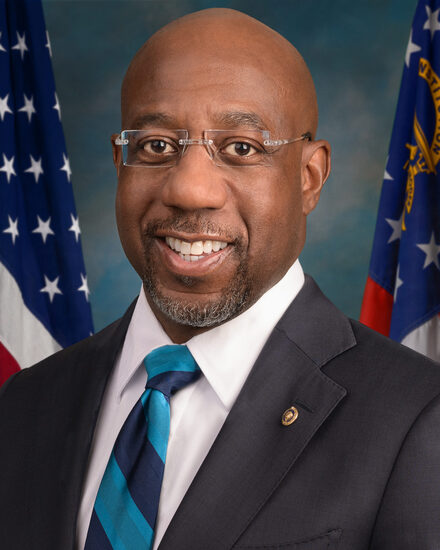
Raphael G. Warnock
100% support rate
Top opponent
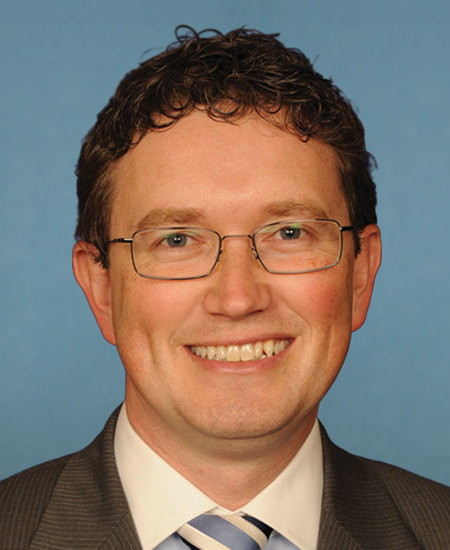
Thomas Massie
14% support rate
Ranked legislators
10
5 support · 5 oppose
Key legislators

Who's moving education in United States

Legislators moving education in United States
Legislator Party Stance Support rate Votes
Raphael G. Warnock
Raphael G. Warnock Senate
D
Strong +
100% 167
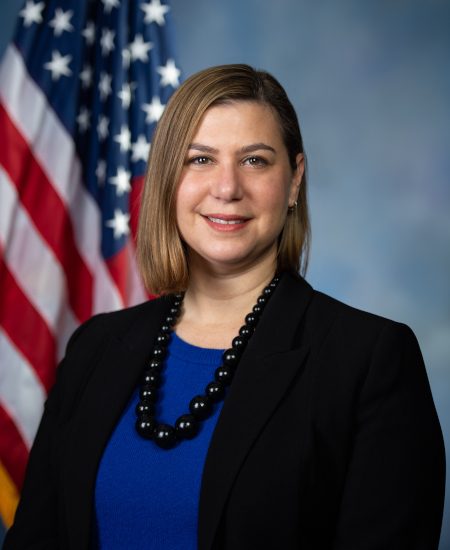
Elissa Slotkin
Elissa Slotkin Senate
D
Strong +
86% 166
Michael F. Bennet
Michael F. Bennet Senate
D
Strong +
86% 137
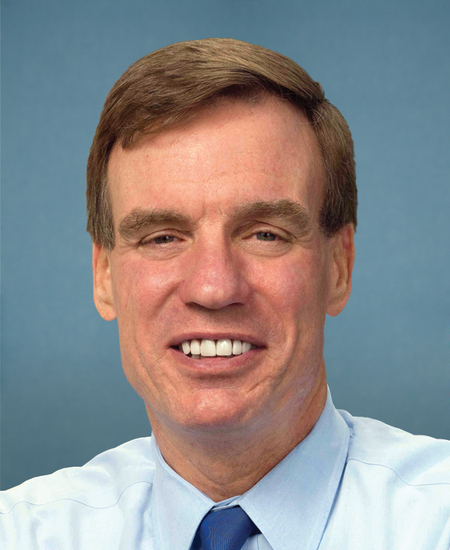
Mark R. Warner
Mark R. Warner Senate
D
Strong +
86% 167
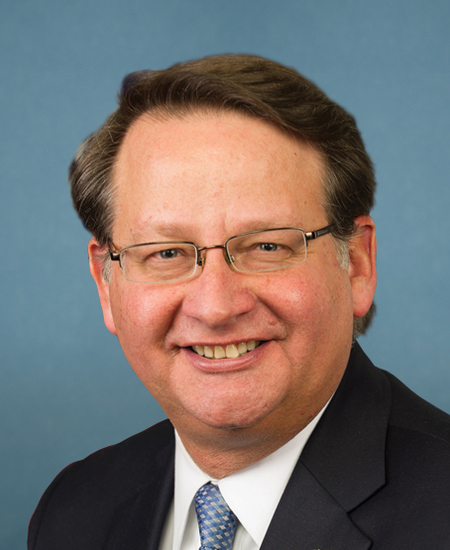
Gary C. Peters
Gary C. Peters Senate
D
Strong +
86% 167
Thomas Massie
Thomas Massie House · District 4
R
Strong −
14% 126
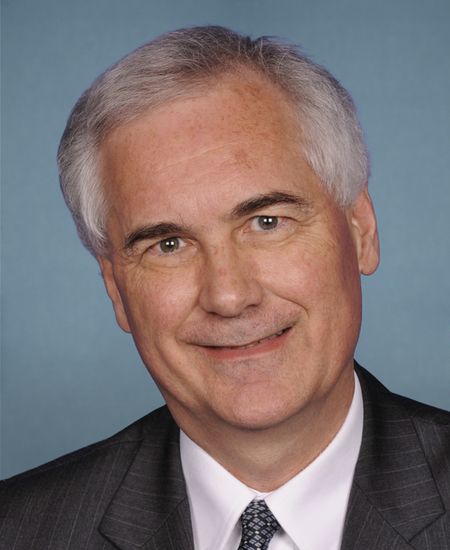
Tom McClintock
Tom McClintock House · District 5
R
Strong −
14% 125
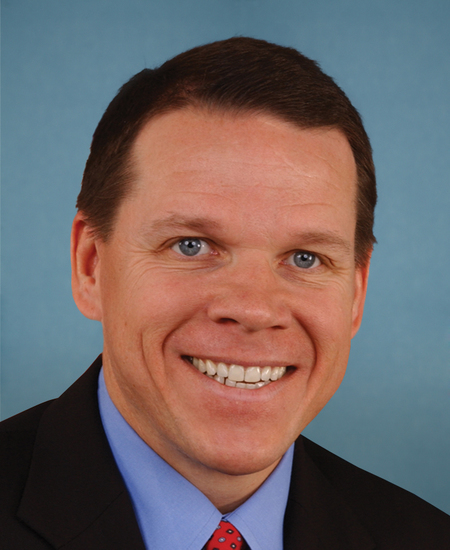
Sam Graves
Sam Graves House · District 6
R
Strong −
14% 124
Elijah Crane
Elijah Crane House · District 2
R
Strong −
14% 128
Wesley Hunt
Wesley Hunt House · District 38
R
Strong −
14% 109
Showing 1,091–1,100 of 1,179 bills

All education bills

in committee · United States · Senate Sep 9, 2025

S 2740: RAISE Act of 2025

The RAISE Act of 2025 amends the Elementary and Secondary Education Act of 1965 to require states to establish academic standards for artificial intelligence and emerging technologies in K-12 education. It directly affects public K-12 schools and state education agencies by mandating the inclusion of AI-related learning standards within state curriculum frameworks. The key provision inserts the requirement for these standards into existing law, specifically modifying Section 1111(b)(1)(C) to include "standards for artificial intelligence and other emerging technologies." This policy change focuses on integrating AI education into foundational curriculum requirements without specifying funding or implementation details.
Sub-Topics Career & Technical Education Curriculum K-12 Education Tags Artificial Intelligence
in committee · United States · Senate Jan 20, 2025

S 152: Student Empowerment Act

The Student Empowerment Act (S 152) expands the use of 529 education savings accounts to cover more K-12 school expenses for students in public, private, religious, or homeschool settings. It allows funds to pay for tuition, curriculum materials, books, online resources, licensed tutoring (with teacher credentials), standardized tests, dual enrollment fees, and licensed educational therapies for students with disabilities. The bill directly affects families using 529 accounts who educate children in elementary or secondary school, including homeschoolers. It changes existing tax rules to include these specific K-12 expenses under 529 account distributions, effective after the bill's enactment. The policy change aims to provide greater flexibility for families managing educational costs at the K-12 level.
passed · United States · Senate Oct 28, 2025

SRES 471: A resolution calling on Congress, schools, and State and local educational agencies to recognize the significant educational implications of dyslexia that must be addressed, and designating October 2025 as "National Dyslexia Awareness Month".

SRES 471 is a Senate resolution calling on Congress, schools, and state/local education agencies to acknowledge dyslexia's significant educational impact. It designates October 2025 as "National Dyslexia Awareness Month" to promote recognition of dyslexia as a common learning disability affecting up to 1 in 5 people. The resolution emphasizes the need for early screening, evidence-based interventions, and accommodations to support students with dyslexia in achieving reading fluency and academic success. This is a non-binding awareness measure, not a funding or policy change.
in committee · United States · House Nov 19, 2025

HRES 894: Expressing the sense of the House of Representatives that strong public education in United States history and civics is essential to preserving the Nation's founding ideals on the eve of the 250th anniversary of the United States.

HRES 894 is a non-binding resolution expressing the House of Representatives' view that strong public education in U.S. history and civics is vital for preserving the nation's founding ideals ahead of the 2026 250th anniversary of the Declaration of Independence. It encourages states and schools to provide age-appropriate instruction on the American Revolution, Constitution, and key figures like George Washington, while promoting voluntary partnerships between schools, museums, and historic sites. The resolution does not create new laws or funding but emphasizes the importance of teaching core principles like liberty, equality, and civic responsibility. It specifically references the 2026 anniversary as a moment to strengthen public understanding of U.S. history and citizenship. This is a symbolic statement, not a policy with enforceable requirements.
in committee · United States · House Nov 20, 2025

HRES 897: Expressing the sense of the House of Representatives to support the rights of youth in the foster care system.

HRES 897 is a non-binding resolution expressing the House's support for foster youth rights, not a law creating new requirements. It formally declares that foster youth should have 10 specific rights, including staying in their original school, accessing health services, freedom from abuse, maintaining sibling contact, and regular caseworker communication. The resolution cites studies showing foster youth face higher risks of educational gaps, maltreatment, and racial disparities in the system. It does not alter existing laws but serves as a symbolic statement of congressional support based on research data.
Tags Children
passed · United States · Senate Dec 4, 2025

SRES 531: A resolution celebrating the 50th anniversary of the Individuals with Disabilities Education Act on November 29, 2025, and recognizing its transformative impact on the education of children with disabilities.

SRES 531 is a non-binding Senate resolution celebrating the 50th anniversary of the Individuals with Disabilities Education Act (IDEA) on November 29, 2025. It recognizes IDEA's historical role in guaranteeing children with disabilities access to free appropriate public education in inclusive settings, transforming educational opportunities for millions. The resolution honors students, families, educators, and advocates who advanced IDEA's principles since its 1975 enactment. It does not create new policy but formally acknowledges the law's enduring impact on educational equity.
Sub-Topics Special Education
in committee · United States · Senate Jan 29, 2025

S 292: Educational Choice for Children Act of 2025

This bill establishes tax credits for individuals and corporations who contribute to scholarship granting organizations that provide educational scholarships for eligible students. The individual tax credit is limited to 10% of adjusted gross income or $5,000, while corporate credits are capped at 5% of taxable income. The bill defines "eligible students" as those from households with income not exceeding 300% of the area median gross income, and specifies that scholarships can cover tuition, materials, tutoring, and educational therapies. The bill includes a $10 billion annual cap on tax credits, with a first-come, first-served allocation system, and requires scholarship organizations to meet specific financial and operational standards.
passed · United States · Senate Nov 10, 2025

SRES 496: A resolution expressing support for the designation of November 8, 2025, as "National First-Generation College Celebration Day".

This resolution expresses support for designating November 8, 2025, as "National First-Generation College Celebration Day." It honors students whose parents did not earn bachelor's degrees, recognizing their contributions to the workforce and the role of the Higher Education Act of 1965 in supporting them. The resolution encourages nationwide recognition of this day and celebrates the Act's programs like Federal TRIO and Pell Grants. As a symbolic gesture, it does not create new laws or alter existing policies.
Sub-Topics Higher Education
in committee · United States · House May 13, 2026

HR 7082: FLEX Act

The FLEX Act amends the Elementary and Secondary Education Act to increase funding for high-quality charter schools. It raises required funding reserves for program expansion (from 12.5% to 15% and 22.5% to 25%) and mandates at least 30% of funds be reserved for charter school facilities, national activities, and program support. The bill explicitly allows funding for "addition or expansion of programs" at existing charter schools (e.g., new academic programs or personalized learning) and permits single-sex educational services. It also clarifies that funds can cover facility operations, renovations, and student transportation needs. This directly affects charter schools, state education entities administering grants, and charter management organizations receiving federal support.
in committee · United States · House Apr 28, 2025

HRES 356: Expressing support for the designation of April 13, 2025, through April 26, 2025, as "National Young Audiences Arts for Learning Week".

HRES 356 is a symbolic House resolution supporting the designation of April 13-26, 2025, as "National Young Audiences Arts for Learning Week." It honors the work of the Young Audiences Arts for Learning network, which provides arts-integrated education programs to students across the U.S. through partnerships with schools and community organizations. The resolution recognizes how arts education develops critical thinking, creativity, and academic skills for students, particularly in underserved communities, and encourages nationwide observance to promote awareness of arts in education. (Note: This is a non-binding resolution, not a law, and directly affects the Young Audiences network and its partner schools.)
Showing 1,091 to 1,100 of 1,179 bills