

Issue · Education
Education
Every education bill, vote, and legislator stance in North Carolina, automatically classified by Maddy, our AI policy reader.
Total bills
350
2025-2026 Session
Top supporter
Shelly Willingham
89% support rate
Top opponent
Dan Blue
20% support rate
Ranked legislators
10
5 support · 5 oppose
Key legislators
Who's moving education in North Carolina
| Legislator | Party | Stance | Support rate | Votes |
|---|---|---|---|---|
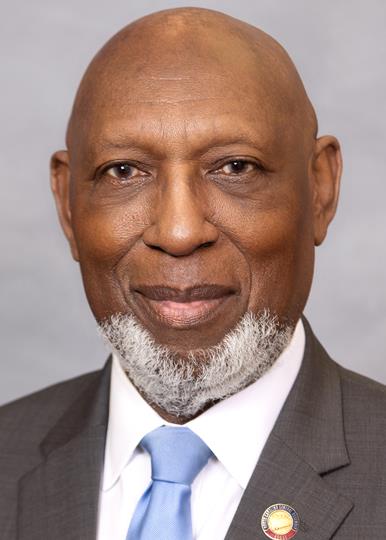
Shelly Willingham
House · District 23
|
D |
Strong +
|
89% | 27 |
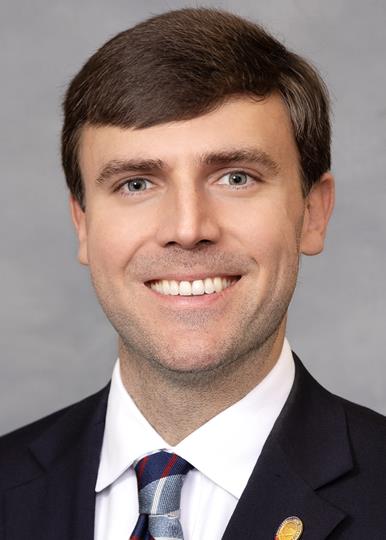
Charles Smith
House · District 44
|
D |
Strong +
|
88% | 34 |
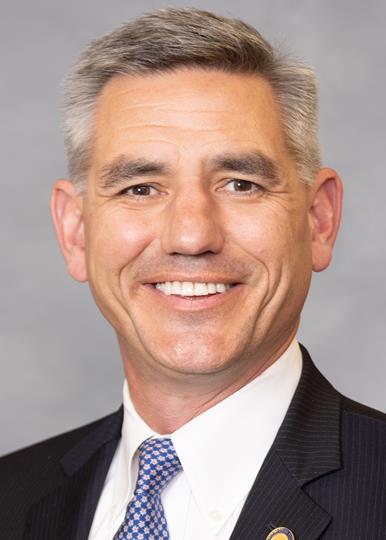
Brian Turner
House · District 116
|
D |
Strong +
|
86% | 33 |
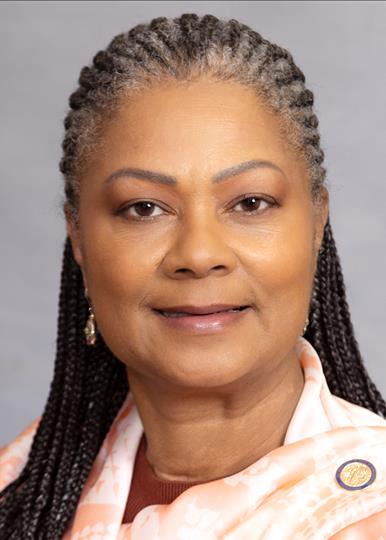
Carla Cunningham
House · District 106
|
I |
Strong +
|
85% | 26 |

Becky Carney
House · District 102
|
D |
Strong +
|
81% | 35 |
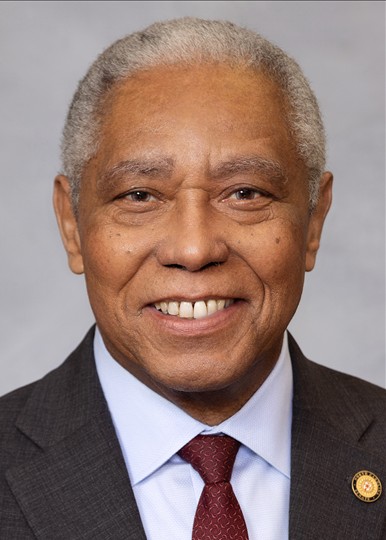
Dan Blue
Senate · District 14
|
D |
Strong −
|
20% | 18 |
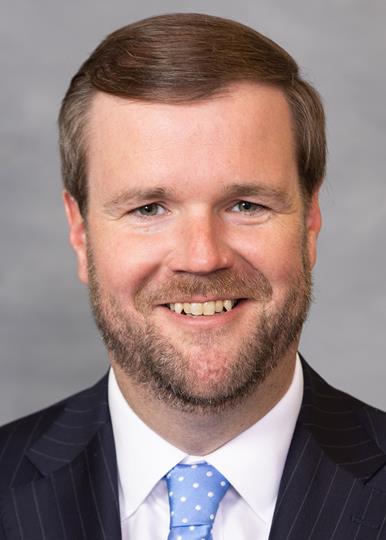
Kyle Hall
House · District 91
|
R |
Oppose
|
27% | 27 |
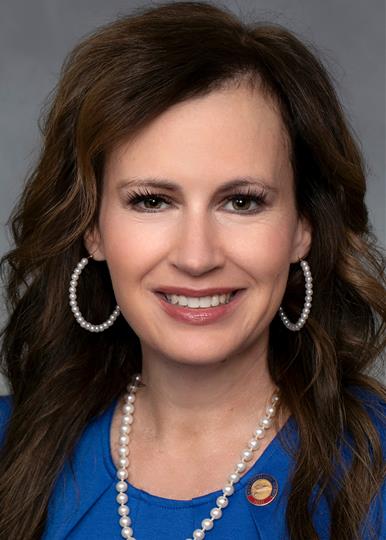
Tricia Cotham
House · District 105
|
R |
Oppose
|
31% | 29 |
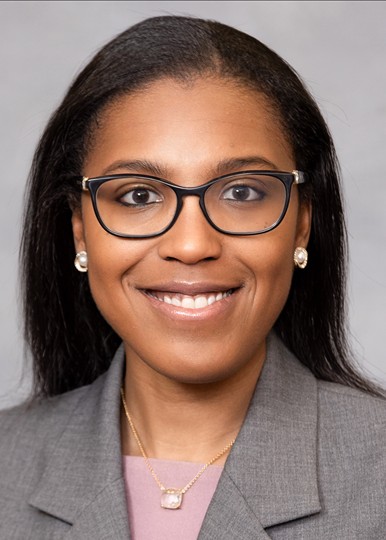
DeAndrea Salvador
Senate · District 39
|
D |
Oppose
|
33% | 16 |

Gale Adcock
Senate · District 16
|
D |
Oppose
|
33% | 18 |
Showing 81–90 of 350
bills
All education bills
HB 1066: Child Care Stabilization and Affordability Act.
Topics
✓ Budget & TaxesSupports Budget & TaxesBill redirects funds to expand child care subsidies and improve educator pay, directly strengthening essential public services and early childhood education funding.
✗ EducationOpposes EducationBill redirects funds from the Opportunity Scholarship Program, reducing private school voucher funding and limiting educational access for private school students.
✓ HealthcareSupports HealthcareBill redirects funds to expand child care subsidies and improve early childhood educator pay, strengthening access to essential health and developmental services.
✓ Labor & EmploymentSupports Labor & EmploymentBill improves early childhood educator pay and benefits, directly supporting worker compensation standards.
HB 1204: Require Seat Belts on School Buses.
Topics
✓ EducationSupports EducationBill improves school infrastructure and student safety, directly supporting the education topic.
✓ TransportationSupports TransportationBill mandates seat belts on school buses, directly enhancing transportation safety standards and protecting students.
HB 1146: 2026 Governor's Budget.
Topics
✓ Budget & TaxesSupports Budget & TaxesBill establishes the 2026 Governor's Budget, explicitly allocating funding to state departments and agencies, thereby advancing and funding the budget topic.
✓ EducationSupports EducationBill establishes the 2026 Governor's Budget, explicitly allocating specific funding amounts to state departments including public education and higher education institutions.
✓ TransportationSupports TransportationBill allocates funding to the Transportation Department and Highway Fund, indicating financial support for transportation infrastructure and operations.
HB 1076: The Innovations Waitlist Reduction Act.
Topics
✓ Budget & TaxesSupports Budget & TaxesBill allocates $240M to expand medical access and modifies scholarships to prioritize lower-income families, directly increasing funding for essential public services.
✓ EducationSupports EducationBill expands access to education waivers and scholarships, adds funding slots, and prioritizes lower-income students.
✓ HealthcareSupports HealthcareBill expands Medicaid waiver slots and funds them with $240M, directly increasing access and funding for health services.
SB 782: Safe Schools Transparency Act.
SB 783: School Mental Health Support Act.
Topics
✓ EducationSupports EducationBill allocates $50M for mental health professionals and offers loan repayment to educators, directly strengthening school resources and student support.
✓ HealthcareSupports HealthcareBill allocates $50M in grants and loan repayment to expand mental health services in schools, directly strengthening healthcare access.
SB 820: Safe Schools and Educational Access Act.
Topics
✓ Budget & TaxesSupports Budget & TaxesBill explicitly allocates $181 million in state funding to support educational services and safe school initiatives.
✓ EducationSupports EducationBill allocates $181M in funding and designates schools as safe zones to protect student access and enrollment.
✓ ImmigrationSupports ImmigrationBill protects students from discrimination based on immigration status, limits school cooperation with immigration authorities, and allocates funding for immigrant services.
SB 822: Every School Has Resources Act.
Topics
✓ Budget & TaxesSupports Budget & TaxesBill creates a grant program to fund development directors, explicitly aiming to reduce reliance on local property taxes and state aid by securing outside funding.
✓ EducationSupports EducationBill creates a grant program to fund Development Directors in rural/low-wealth districts to secure outside funding, directly increasing resources and reducing reliance on local taxes.
Sub-Topics
School Funding
SB 997: Nursing Fellows and Curric. Support Funds/WSSU.
Topics
✓ EducationSupports EducationBill establishes a funding program to support nursing students and instructors through forgivable loans, enhancing educational access and professional training.
✓ HealthcareSupports HealthcareBill establishes funding for nursing education and creates a loan program to increase the number of nurses in North Carolina, directly strengthening healthcare workforce capacity.
Sub-Topics
Higher Education