Issue · Education

Education

Every education bill, vote, and legislator stance in North Carolina, automatically classified by Maddy, our AI policy reader.

Total bills
350
2025-2026 Session
Top supporter
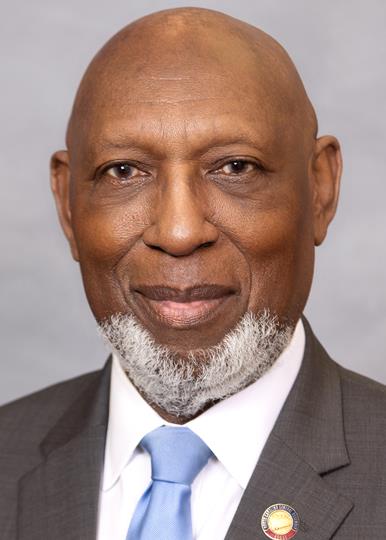
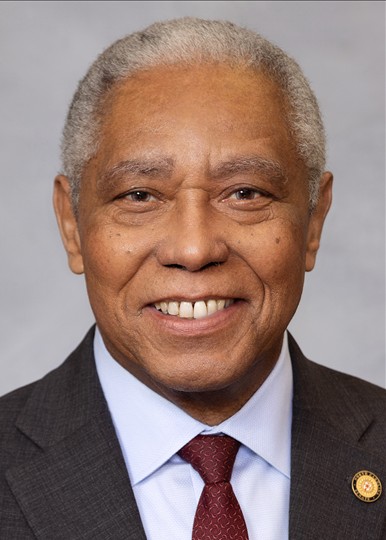
Shelly Willingham
89% support rate
Top opponent
Dan Blue
20% support rate
Ranked legislators
10
5 support · 5 oppose
Key legislators

Who's moving education in North Carolina

Legislators moving education in North Carolina
Legislator Party Stance Support rate Votes
Shelly Willingham
Shelly Willingham House · District 23
D
Strong +
89% 27
Charles Smith
Charles Smith House · District 44
D
Strong +
88% 34
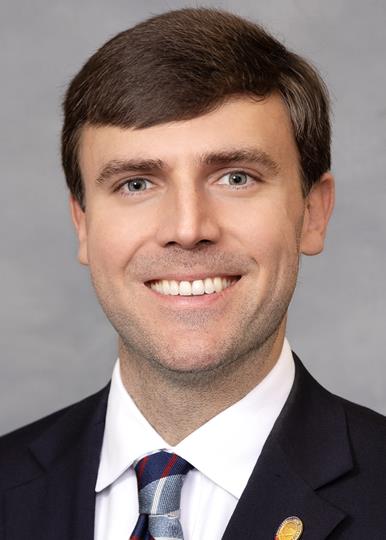
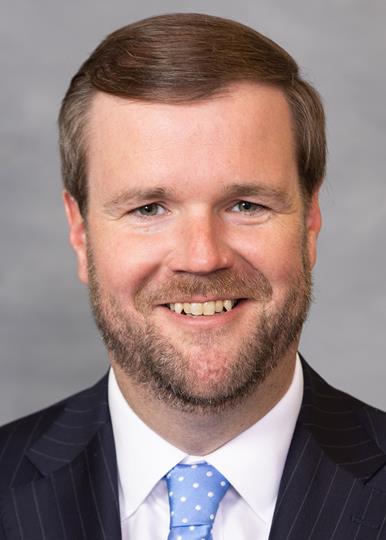
Brian Turner
Brian Turner House · District 116
D
Strong +
86% 33
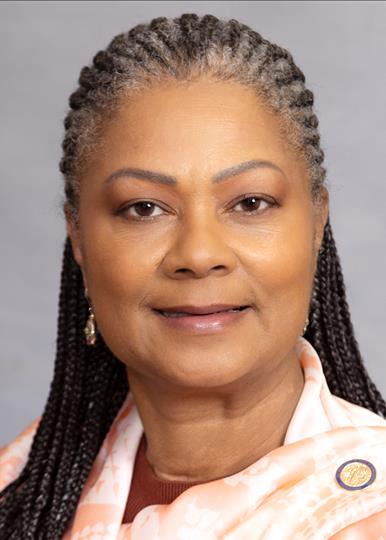
Carla Cunningham
Carla Cunningham House · District 106
I
Strong +
85% 26
Becky Carney
Becky Carney House · District 102
D
Strong +
81% 35
Dan Blue
Dan Blue Senate · District 14
D
Strong −
20% 18
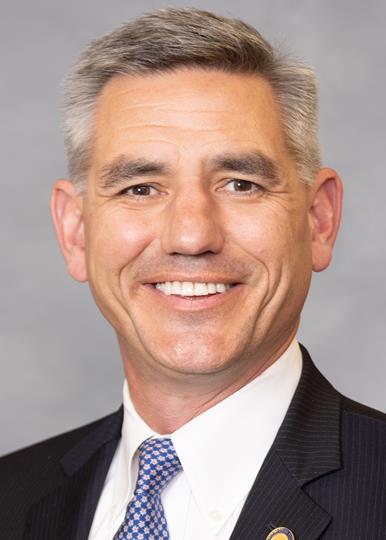
Kyle Hall
Kyle Hall House · District 91
R
Oppose
27% 27
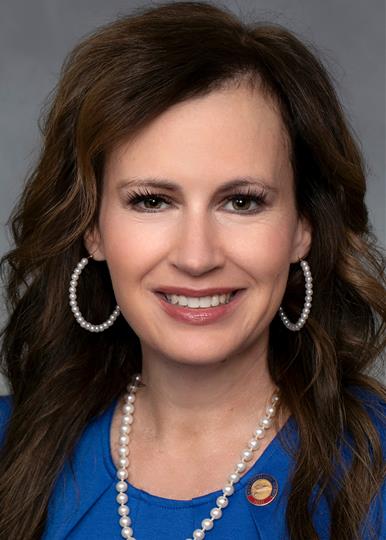
Tricia Cotham
Tricia Cotham House · District 105
R
Oppose
31% 29
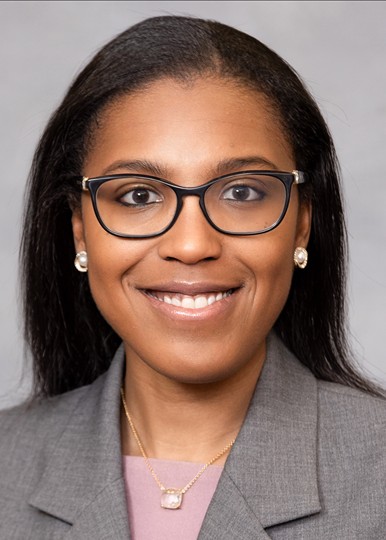
DeAndrea Salvador
DeAndrea Salvador Senate · District 39
D
Oppose
33% 16
Gale Adcock
Gale Adcock Senate · District 16
D
Oppose
33% 18
Showing 341–350 of 350 bills

All education bills

passed · North Carolina · House Jun 9, 2025

HB 150: Expedite Surplus Property.

HB 150 allows certain educational organizations to quickly obtain unused federal equipment and property for educational use. It specifically exempts qualifying nonprofits (including 501(c)(3) groups focused on education) from standard state transfer rules when acquiring such items directly from federal agencies. The bill removes barriers in existing law that previously required these organizations to follow lengthy processes for federal surplus materials. This change applies only to property used for educational purposes, not for resale or other commercial activities. The bill does not alter federal acquisition rules but streamlines the state-level process for eligible schools and nonprofits.
failed · North Carolina · House Aug 6, 2026

HB 832: Education Omnibus.

HB 832 revises North Carolina's school safety grant program to expand eligible uses of funds for training aimed at improving student well-being and safety. It allows public school units to fund evidence-based programs including suicide prevention training (CALM), trauma-focused therapies (like cognitive behavioral therapy), violence prevention, and peer mentoring facilitation. The bill specifically permits up to $350,000 in annual funding for these expanded services, directly affecting school staff, counselors, and students in North Carolina public schools. This change modifies existing grant rules without creating new funding or altering overall program structure.
signed · North Carolina · Senate Jul 1, 2025

SB 77: School Contracted Health Services.

SB 77 allows parents of students with disabilities to choose their preferred nurse for school-based nursing services required by an Individualized Education Program (IEP), provided specific conditions are met. The bill requires schools to assign the parent's chosen nurse if that nurse previously provided care to the student, the nursing agency agrees to contract under standard terms, and the rate matches other contracted nurses. This directly affects families of students needing nursing services under IEPs and ensures schools honor parent preferences without altering their obligation to provide a free appropriate public education. The policy applies starting the 2025-2026 school year.
signed · North Carolina · House Jul 1, 2025

HB 959: Various Education Changes.

HB 959 requires North Carolina public schools to adopt internet safety policies by January 2026, limiting student access to age-appropriate content and blocking social media except for teacher-directed educational use. It mandates annual social media literacy instruction in all grades, covering mental health impacts, misinformation, online safety, and identifying cyberbullying. The bill also establishes rules for wireless device use during class, prohibiting personal device use except for educational purposes, medical needs, or special education plans. These provisions directly affect all K-12 public schools and students across North Carolina, with policies to be implemented starting in the 2026-2027 school year.
signed · North Carolina · Senate Jul 3, 2025

SB 125: Various Education Changes.

SB 125 reorganizes North Carolina's community college statutes and makes specific changes to education policy. It prohibits community colleges from using a secondary school's accreditation status (like certification) as a factor in admissions, financial aid, or scholarships for students. The bill also requires community colleges to report annually on college transfer program performance, including student success rates at four-year institutions, and mandates detailed reporting on the 2+2 E-Learning Initiative for teacher training. These provisions directly affect community college students, institutions, and educators seeking teacher licensure.
passed both · North Carolina · House Sep 22, 2025

HB 192: Defund Planned Parenthood and Cost Transparency.

The bill title "Defund Planned Parenthood and Cost Transparency" does not match the actual content of HB 192, which is focused on education funding. This bill raises teacher salaries for the 2025-2026 school year using a new salary schedule (e.g., $5,000 for 0 years experience, $6,823 for 25+ years) and reinstates education-based supplements for advanced degrees ($126-$253 monthly). It appropriates $1.597 billion for salary increases and $8 million for supplements, while directing the North Carolina Collaboratory to study a student-based funding system by February 2026. The bill directly affects public school teachers, instructional support staff, and school psychologists. The title appears to be incorrect based on the provided bill text.
passed · North Carolina · House Sep 25, 2025

HB 775: Criminal History Checks for School Positions.

HB 775 requires background checks for three groups: initial members of charter school boards, new educator license applicants, and public school employees applying for positions. It mandates that applicants pay for criminal history checks through the State Bureau of Investigation before receiving approval for charter school board membership, educator licensure, or school employment. The State Board of Education and charter school Review Board review the results to determine if individuals pose safety risks or lack integrity, with decisions requiring written findings. This bill consolidates existing background check requirements into a single process for these school-related positions, applying only to new applicants and initial board members.
Sub-Topics School Choice Teachers
signed · North Carolina · Senate Jun 24, 2026

SB 227: Eliminating "DEI" in Public Education.

SB 227 prohibits North Carolina public schools from teaching or promoting 12 specific "divisive concepts" defined in the bill, such as claims that one race is inherently superior or that individuals bear responsibility for past actions of their race. The bill directly affects K-12 students, teachers, and school employees by banning instruction on these concepts and restricting professional development that includes them. Key provisions include requiring schools to avoid "discriminatory practices" and preventing staff from being compelled to affirm divisive concepts. The bill does not ban all diversity initiatives but targets specific teachings it deems contrary to "equality and rights of all persons." This is a proposed bill (not yet law) currently under review in the North Carolina Senate.
Sub-Topics K-12 Education
signed · North Carolina · Senate Jun 24, 2026

SB 558: Eliminating "DEI" in Public Higher Ed.

SB 558 (North Carolina Senate Bill 558) requires public universities and community colleges to adopt diversity, equity, and inclusion policies that comply with state law while prohibiting the promotion of specific "divisive concepts." It defines 12 concepts as "divisive," including claims that one race or sex is inherently superior, individuals bear guilt for past actions of their race, or meritocracy is inherently racist. The bill mandates that institutions avoid teaching these concepts and bars community colleges from investigating protected speech (like satire) labeled as "microaggressions." It directly affects all public higher education employees, faculty, and students in North Carolina's university system and community colleges.
Sub-Topics Higher Education
signed · North Carolina · House Jun 3, 2026

HB 87: Educational Choice for Children Act (ECCA).

HB 87 (Educational Choice for Children Act) allows North Carolina to participate in a federal tax credit program that encourages donations to private scholarship organizations. The bill requires the State Education Assistance Authority to maintain and publish an annual list of qualifying scholarship groups operating in North Carolina, enabling donors to claim federal tax credits for contributions. These scholarships can cover elementary and secondary school costs, including homeschooling expenses, as permitted under federal law. The law becomes effective after 2026, with the Authority needing to establish necessary rules by July 2026 to comply with federal requirements.
Showing 341 to 350 of 350 bills
Previous 1 33 34 35