Issue · Education

Education

Every education bill, vote, and legislator stance in North Carolina, automatically classified by Maddy, our AI policy reader.

Total bills
350
2025-2026 Session
Top supporter
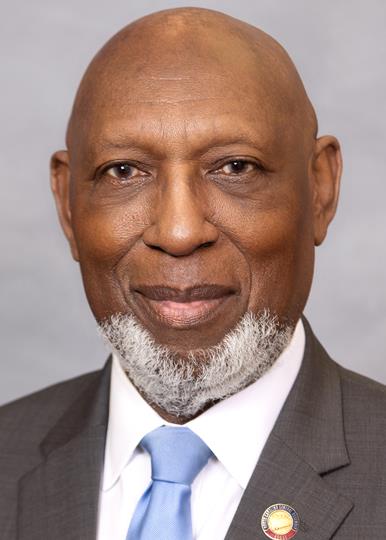
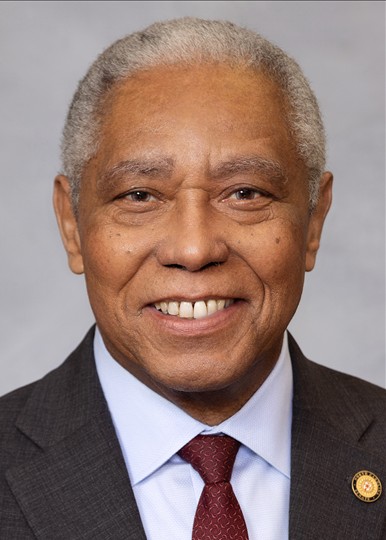
Shelly Willingham
89% support rate
Top opponent
Dan Blue
20% support rate
Ranked legislators
10
5 support · 5 oppose
Key legislators

Who's moving education in North Carolina

Legislators moving education in North Carolina
Legislator Party Stance Support rate Votes
Shelly Willingham
Shelly Willingham House · District 23
D
Strong +
89% 27
Charles Smith
Charles Smith House · District 44
D
Strong +
88% 34
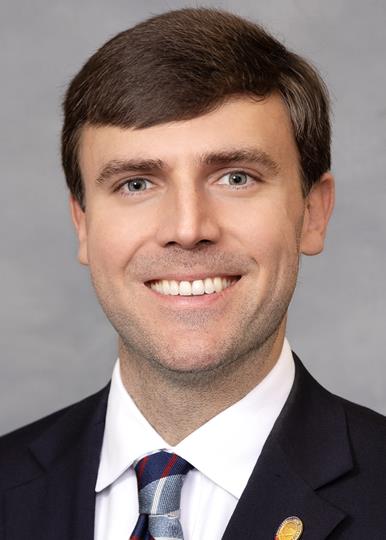
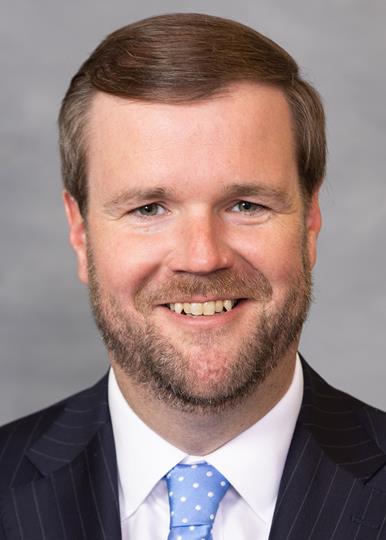
Brian Turner
Brian Turner House · District 116
D
Strong +
86% 33
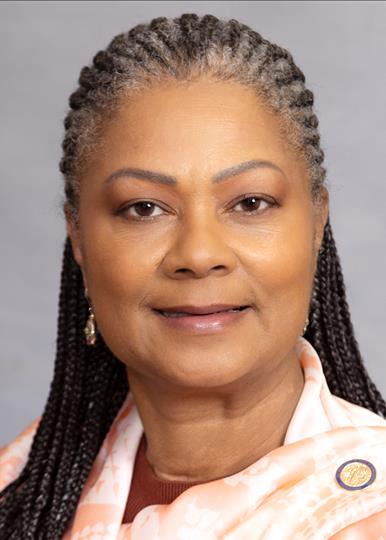
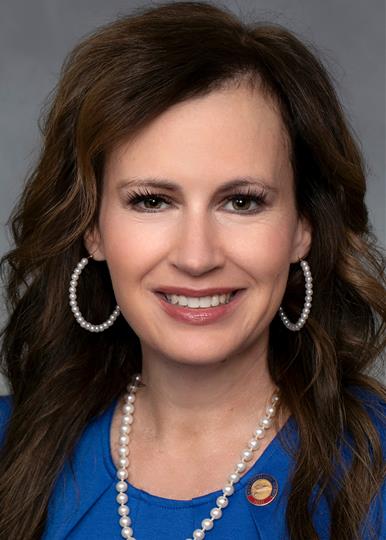
Carla Cunningham
Carla Cunningham House · District 106
I
Strong +
85% 26
Becky Carney
Becky Carney House · District 102
D
Strong +
81% 35
Dan Blue
Dan Blue Senate · District 14
D
Strong −
20% 18
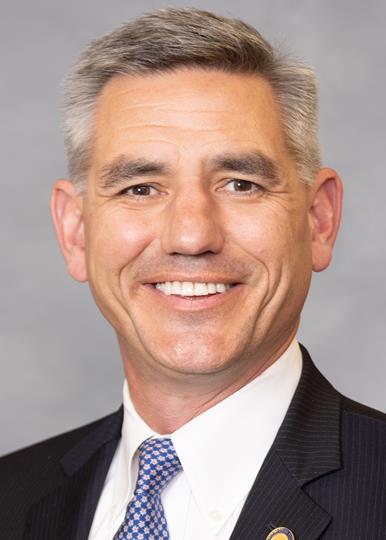
Kyle Hall
Kyle Hall House · District 91
R
Oppose
27% 27
Tricia Cotham
Tricia Cotham House · District 105
R
Oppose
31% 29
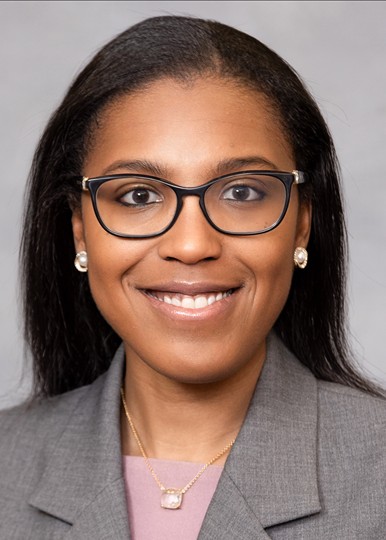
DeAndrea Salvador
DeAndrea Salvador Senate · District 39
D
Oppose
33% 16
Gale Adcock
Gale Adcock Senate · District 16
D
Oppose
33% 18
Showing 331–340 of 350 bills

All education bills

passed · North Carolina · House Apr 28, 2025

HB 636: Promoting Wholesome Content for Students.

HB 636 establishes new procedures for public school units to select and review library media and materials, affecting students, parents, and school personnel. The bill requires schools to adopt policies that ensure materials are age-appropriate and do not contain content defined as "harmful to minors," which includes depictions of sexual activity or pervasively vulgar content. It mandates a review process involving a community library advisory committee, public posting of recommended materials, and a mechanism for public objections. Additionally, the bill requires the creation of a public database for rejected materials and allows parents, guardians, students, or residents to pursue private legal action against schools violating these provisions. Principals are also required to review all media available at school book fairs for compliance.
Sub-Topics Curriculum Libraries
passed · North Carolina · Senate Apr 9, 2025

SB 508: LL to CPL/Apprenticeship Program.

SB 508 creates a pathway for North Carolina teachers with expiring limited licenses to convert to continuing professional licenses. It requires teachers to have a positive average growth score in the state's education growth data system (EVAAS) for two of their last three years. Teachers with negative growth but who still meet expected growth standards may also qualify if their local school board requests a limited license renewal. The bill applies to licenses expiring on or after the law's effective date and focuses on using measurable student growth data to support teacher career progression.
Sub-Topics Teachers
in committee · North Carolina · House Apr 29, 2025

HB 855: Residency Licenses for Nonpublic Exceptional Children Teachers.

House Bill 855 expands the types of schools that can request a Residency License (RL) for teachers in North Carolina. Currently, only public school units can request these one-year, renewable licenses. This bill allows certain nonpublic schools to also request Residency Licenses for their teachers. Specifically, it includes nonpublic schools meeting state requirements or those approved by the Department of Public Instruction for students with extraordinary costs. Teachers for whom an RL is requested must still meet existing qualifications, such as holding a bachelor's degree and being enrolled in an educator preparation program.
Sub-Topics Teachers
passed · North Carolina · House May 5, 2025

HB 875: DPI to Redesign Math Instruction.

House Bill 875 directs the Department of Public Instruction (DPI) to establish a comprehensive system of mathematics support for students in kindergarten through eighth grade. This system requires DPI to provide approved lists of high-quality supplemental math systems for screening and progress monitoring, as well as instructional materials for intervention and core curriculum. These materials must utilize structured problem-based learning, explicit instruction, and provide responsive feedback to students. The bill also mandates DPI to offer approved professional development programs for K-8 teachers to implement these new instructional approaches effectively. Parents will be notified of any identified mathematical deficiencies, including characteristics of dyscalculia, and receive information on interventions and home strategies.
passed · North Carolina · House May 5, 2025

HB 971: Career Development Adjustment.

House Bill 971 establishes a pilot program for Annual Career Development Plans in 12 selected North Carolina middle and high schools. This program will affect students entering seventh grade in those schools during the 2025-2026 and 2026-2027 school years, continuing until their high school graduation. Students will create and annually update individual plans with assistance from school counselors, aiming to align them for on-time graduation and college or career readiness. Parents are encouraged to participate and will receive information regarding their child's plan, course offerings, and financial aid options for postsecondary education.
passed · North Carolina · Senate May 6, 2025

SB 493: Land Use Clarification and Changes.

SB 493 proposes several changes to land use regulations in North Carolina. The bill allows public schools to be located in areas zoned for commercial use, either by right or through a special use permit. It also eliminates the authority for cities to exercise planning and development regulation outside their corporate limits, known as extraterritorial jurisdiction. Furthermore, the bill clarifies that establishing one type of vested right on a property does not eliminate other existing use rights, and it sets limits on conditions local governments can impose for special use permits.
in committee · North Carolina · House May 6, 2025

HB 581: Career Pathways Transparency Act.

HB 581, the Career Pathways Transparency Act, requires the State Education Assistance Authority to create a "Know Before You Go" website. This website will provide students and parents with information on projected employment needs, associated salary ranges, and relevant college majors. It will also detail specific outcome data for public and private institutions of higher education and vocational schools, including tuition, student loan debt, completion rates, and post-graduation employment and salary information. Local school boards will be mandated to provide this "Know Before You Go" information to high school sophomores to help them make informed decisions about their postsecondary education and career paths. A grant program will be established to assist local boards in implementing these programs.
passed · North Carolina · House May 7, 2025

HB 918: Standardized Testing Choice Act.

HB 918, the "Standardized Testing Choice Act," establishes new requirements for standardized testing in North Carolina, beginning in the 2025-2026 academic year. It mandates that the University of North Carolina system accept scores from the SAT, ACT, or Classic Learning Test (CLT) interchangeably for admissions and state-funded scholarships, including concordant minimum scores. The bill also requires local school administrative units to offer eighth through tenth-grade students the opportunity to take the CLT10, in addition to the PSAT/NMSQT or PreACT, at no cost. These provisions directly affect students applying to UNC institutions and those in North Carolina high schools.
passed · North Carolina · House May 8, 2025

HB 854: Require Licensure of Educational Interpreters.

HB 854 removes the current exemption for educational interpreters and transliterators from state licensure requirements. This means individuals who provide accessible communication services to students in pre-kindergarten through 12th grade and higher education will now be required to obtain a license. The bill also allows continuing education hours earned for license renewal to count towards their existing job-related training requirements. These changes are set to become effective on October 1, 2026.
Sub-Topics K-12 Education
passed · North Carolina · Senate Jun 5, 2025

SB 223: Expand Academic Trans. Pathways/Sophomore HS.

SB 223 expands academic transition pathways for high school students by creating new opportunities for qualified freshmen and sophomores to take college courses at community colleges. The bill requires specific approvals - such as verification of academic readiness by school and college leaders, mandatory academic advising, and parental consent - to allow these younger students to earn career technical education certificates or diplomas in fields like engineering, agriculture, or construction. It also modifies existing pathways for older students and takes effect for the 2025-2026 school year. The policy directly affects high school students seeking early college credit in designated career fields, with participation contingent on meeting strict eligibility criteria.
Showing 331 to 340 of 350 bills