Issue · Education

Education (Testing & Assessment)

Every education bill, vote, and legislator stance in North Carolina, automatically classified by Maddy, our AI policy reader.

Total bills
7
2025-2026 Session
Top supporter
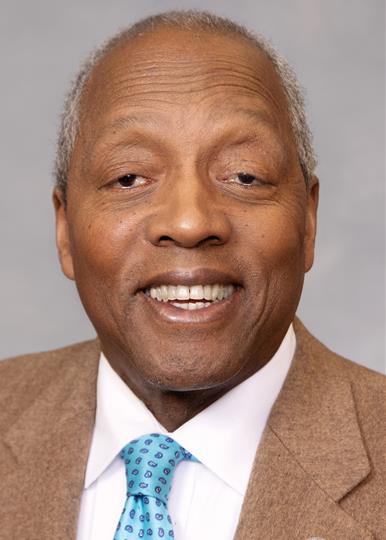
Abe Jones
100% support rate
Top opponent
Allen Buansi
33% support rate
Ranked legislators
10
5 support · 5 oppose
Key legislators

Who's moving testing & assessment in North Carolina

Legislators moving testing & assessment in North Carolina
Legislator Party Stance Support rate Votes
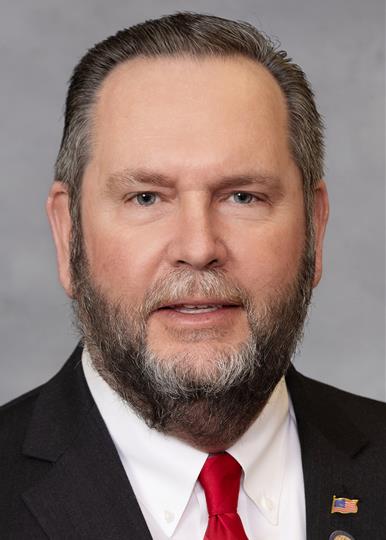
Abe Jones
Abe Jones House · District 38
D
Strong +
100% 3
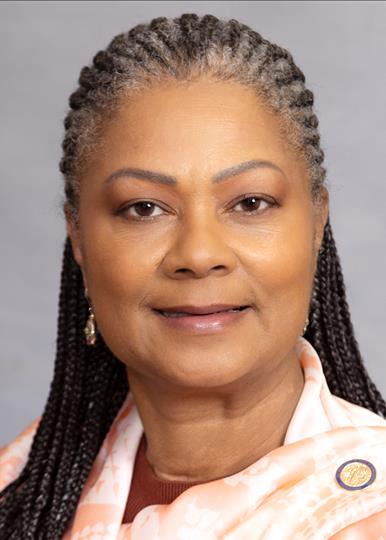
Carla Cunningham
Carla Cunningham House · District 106
I
Strong +
100% 3
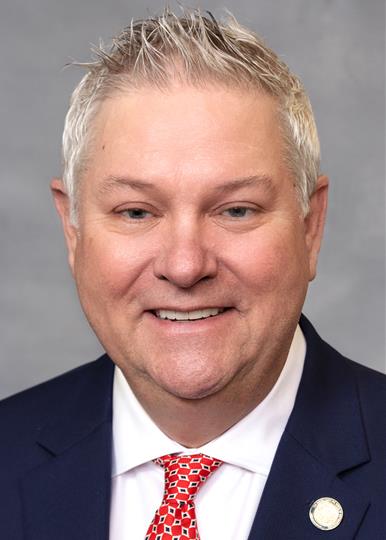
Chris Humphrey
Chris Humphrey House · District 12
R
Strong +
100% 3
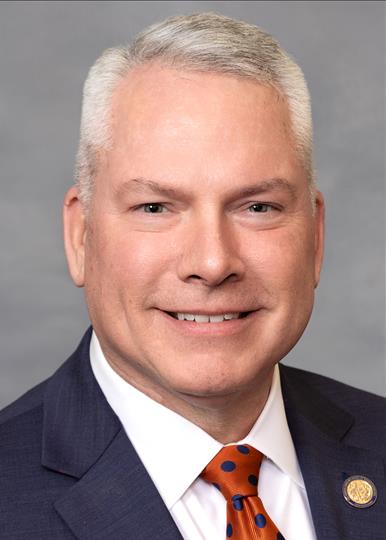
Grant Campbell
Grant Campbell House · District 83
R
Strong +
100% 3
Alan Branson
Alan Branson House · District 59
R
Support
67% 3
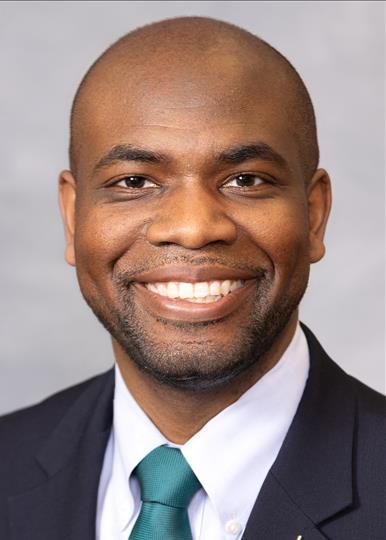
Allen Buansi
Allen Buansi House · District 56
D
Oppose
33% 3
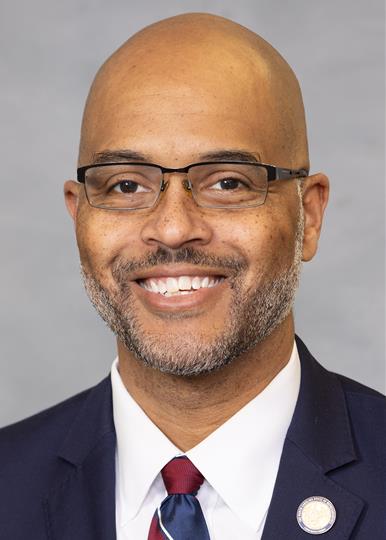
Brandon Lofton
Brandon Lofton House · District 104
D
Oppose
33% 3
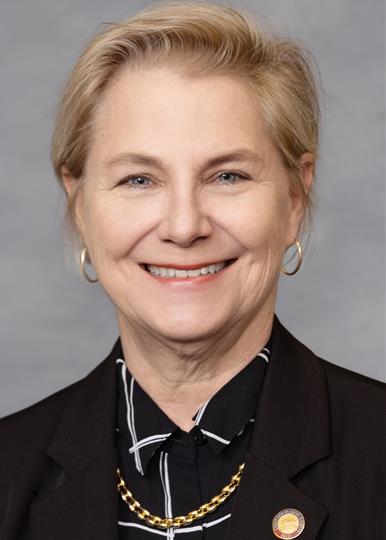
Cynthia Ball
Cynthia Ball House · District 49
D
Oppose
33% 3
Deb Butler
Deb Butler House · District 18
D
Oppose
33% 3
Jordan Lopez
Jordan Lopez House · District 112
D
Oppose
33% 3
Showing 7 of 7 bills

All education bills

passed · North Carolina · House May 8, 2025

HB 415: Modify Math and Social Studies Graduation Requirements.

HB 415 modifies North Carolina high school mathematics graduation requirements, primarily affecting students and the State Board of Education. It requires completion of NC Math 1 and 2, plus two additional math courses aligned with a student's postsecondary plans, and eliminates the end-of-course test for NC Math 3. The bill establishes an "Extended Math" pathway, dividing NC Math 1 and 2 content into four courses for students needing more time and support. Students scoring below proficient on certain math assessments will be enrolled in these extended courses, which are set to begin in the 2025-2026 school year.
in committee · North Carolina · Senate Mar 3, 2025

SB 204: Remove Testing Requirement for Teacher Lisc.

SB 204 removes standardized testing as a requirement for obtaining or renewing a teaching license in North Carolina. It directly affects all educators applying for teacher licensure (both standard and limited licenses) by eliminating the need to pass standardized exams. The bill prohibits the State Board of Education from creating new rules requiring such tests, including for limited licenses (which are for teachers already employed but needing to meet full licensure requirements). This change applies only to new license applications and renewals after the bill takes effect.
in committee · North Carolina · House Mar 11, 2025

HB 340: Universal Academically or Intellectually Gifted Screening in Middle Schools.

HB 340 requires North Carolina's State Board of Education to develop or purchase a screening assessment to identify academically or intellectually gifted students in all sixth-grade classrooms across public middle schools. The bill directly affects all sixth graders in North Carolina public middle schools by mandating universal screening for gifted identification. Key provisions include appropriating $7 million in recurring state funds for the 2025-2026 fiscal year to cover assessment costs and requiring the screening to be administered to every sixth grader. The law becomes effective July 1, 2025, with the Department of Public Instruction responsible for implementing the screening process.
in committee · North Carolina · House Mar 25, 2025

HB 488: Modify School Performance Grades.

HB 488 modifies North Carolina's school grading system to separate achievement (current student performance) and growth (improvement over time) scores for all schools. It requires the State Board of Education to assign distinct letter grades (A-F) for both achievement and growth using specific scoring scales (e.g., 85+ for an A in achievement, 90+ for an A in growth). Schools must display both grades prominently on their websites, and parents of students at schools earning a D or F in either category receive written notice. The overall school performance grade combines achievement (80%) and growth (20%) scores on a 100-point scale. This bill directly affects all public schools in North Carolina and their reporting requirements.
passed · North Carolina · Senate Apr 14, 2025

SB 507: Auto Enrollment in Advanced ELA Courses.

SB 507 requires North Carolina public schools to automatically enroll students who score at the highest level on standardized math or English Language Arts (ELA) tests in advanced courses for the next grade level. This applies to students in grades 3-5 for math and grades 6+ for both subjects, with parents able to opt out via written consent after being informed of the placement basis. The bill expands an existing policy (previously only for math) to include ELA courses and mandates annual demographic reporting to the legislature on enrollment patterns. It takes effect for the 2025-2026 school year.
in committee · North Carolina · House Apr 17, 2025

HB 573: Remove Testing Requirement for Teacher Licensure.

HB 573 proposes to eliminate the standardized testing requirement for individuals applying for a teacher license in North Carolina. The bill repeals existing laws that mandate these examinations and prohibits the State Board of Education from adopting any future rules or policies requiring them. This change directly affects all applicants seeking a teacher license, including those pursuing a limited license.
passed · North Carolina · House May 7, 2025

HB 918: Standardized Testing Choice Act.

HB 918, the "Standardized Testing Choice Act," establishes new requirements for standardized testing in North Carolina, beginning in the 2025-2026 academic year. It mandates that the University of North Carolina system accept scores from the SAT, ACT, or Classic Learning Test (CLT) interchangeably for admissions and state-funded scholarships, including concordant minimum scores. The bill also requires local school administrative units to offer eighth through tenth-grade students the opportunity to take the CLT10, in addition to the PSAT/NMSQT or PreACT, at no cost. These provisions directly affect students applying to UNC institutions and those in North Carolina high schools.