Issue · Criminal Justice

Criminal Justice

Every criminal justice bill, vote, and legislator stance in North Carolina, automatically classified by Maddy, our AI policy reader.

Total bills
214
2025-2026 Session
Top supporter
Becky Carney
100% support rate
Top opponent
Jimmy Dixon
0% support rate
Ranked legislators
10
5 support · 5 oppose
Key legislators

Who's moving criminal justice in North Carolina

Legislators moving criminal justice in North Carolina
Legislator Party Stance Support rate Votes
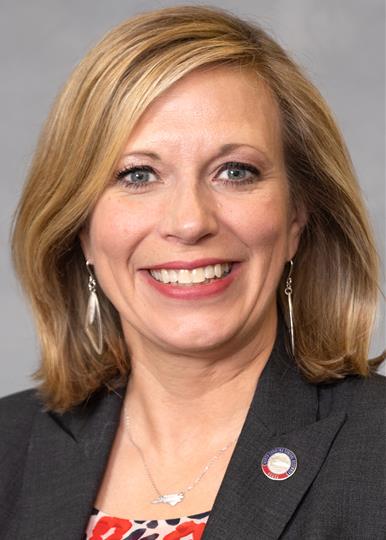
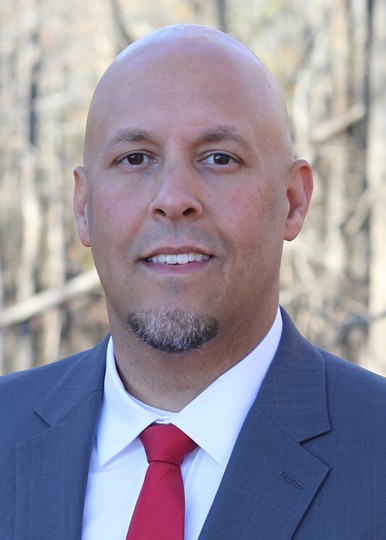
Becky Carney
Becky Carney House · District 102
D
Strong +
100% 42
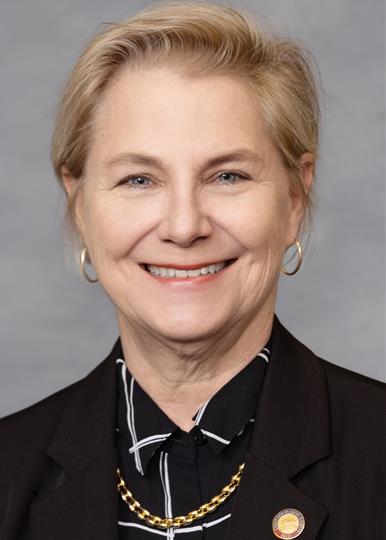
Sarah Crawford
Sarah Crawford House · District 66
D
Strong +
100% 42
Deb Butler
Deb Butler House · District 18
D
Strong +
100% 37
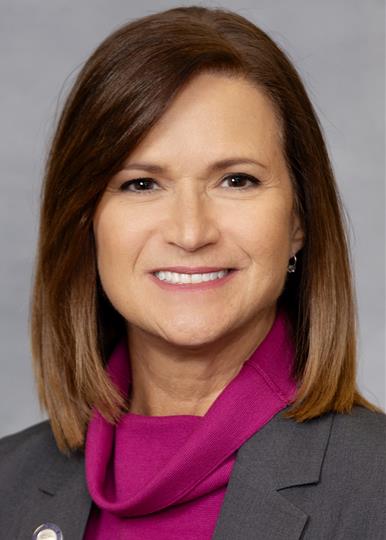
Maria Cervania
Maria Cervania House · District 41
D
Strong +
100% 42
Allison Dahle
Allison Dahle House · District 11
D
Strong +
100% 41
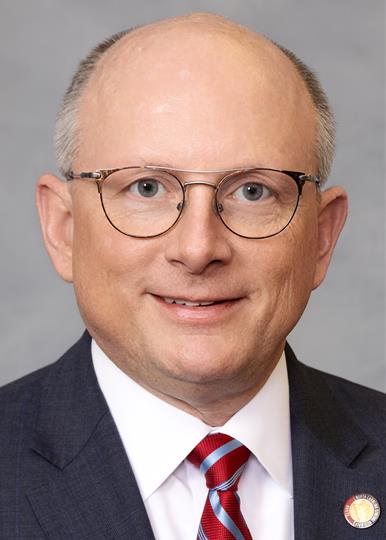
Jimmy Dixon
Jimmy Dixon House · District 4
R
Strong −
0% 39
Celeste Cairns
Celeste Cairns House · District 13
R
Strong −
0% 40
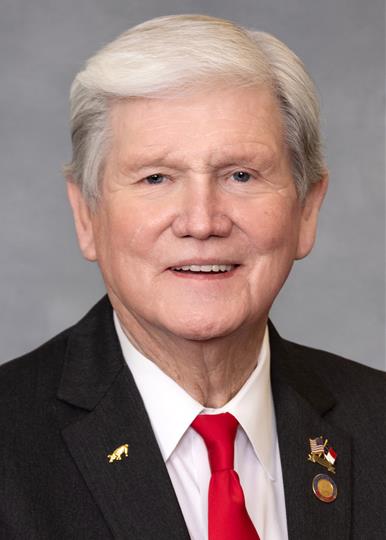
John Lowery
John Lowery House · District 47
R
Strong −
0% 28
Tim Reeder
Tim Reeder House · District 9
R
Strong −
0% 41
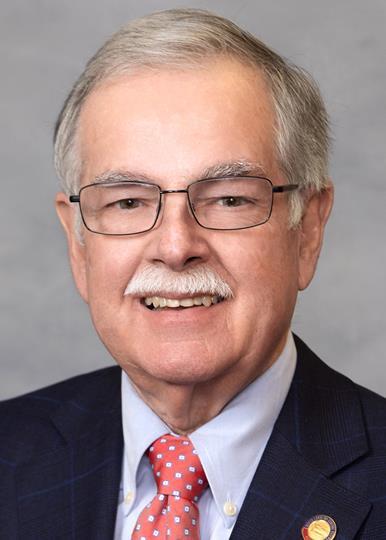
Donny Lambeth
Donny Lambeth House · District 75
R
Strong −
0% 40
Showing 11–20 of 214 bills

All criminal justice bills

in committee · North Carolina · House May 6, 2026

HB 1223: Reenact Funding/Mecklenburg Emergency Pension Fund.

This bill renews and expands funding for the Emergency Pension Fund that supports sworn law enforcement officers in Mecklenburg County. It does this by reinstating a $2 fee on criminal court costs for convictions or guilty pleas, while excluding minor traffic violations with small fines or short jail sentences. The collected money must be turned over to the county's Officers Relief Board, and courts will need to submit detailed records of these fees. The changes take effect on October 1, 2026, and apply to cases occurring on or after that date.
passed · North Carolina · House May 14, 2026

HB 1219: Memorandums of Understanding Tennessee Counties/Madison.

This bill allows Madison County in North Carolina to sign agreements with sheriff's offices in three neighboring Tennessee counties for joint law enforcement work. These agreements would enable the sheriff's offices to cooperate on special operations and other crime-fighting activities across state lines. The bill also requires that any such agreement include a plan for sharing liability for damages and mandates an annual report to the state Department of Justice.
Sub-Topics Law Enforcement
in committee · North Carolina · Senate Apr 22, 2026

SB 797: Hands Free NC.

This bill, known as the Hands Free NC Act, makes it illegal for drivers in North Carolina to hold a wireless communication device while operating a motor vehicle on public roads. The law prohibits texting, watching videos, or holding any electronic device, such as a cell phone or smartwatch, except when the vehicle is safely stationary or during specific emergencies like medical crises or unsafe road conditions. Drivers under 18 are allowed to use navigation systems if all destinations are entered before driving, while law enforcement, first responders, and emergency vehicle operators are exempt from these restrictions. Violations result in fines ranging from $100 to $200 depending on prior offenses within a 36-month period, and repeat offenders will face insurance points on their records. The legislation also prevents local governments from passing their own ordinances on this matter and requires driver education programs to include instructions on these new rules.
died · North Carolina · Senate Apr 29, 2026

SB 875: No Firearm Possession After DV Misdemeanors.

This North Carolina bill prohibits individuals convicted of misdemeanor domestic violence offenses from purchasing or possessing firearms, machine guns, ammunition, or related permits. It expands the definition of domestic violence to include crimes committed against intimate partners, dating partners, and other individuals in similar relationships, not just spouses or parents. The legislation also allocates one million dollars to the state's Domestic Violence Commission to create an educational program on domestic violence. These provisions will take effect on December 1, 2026, and apply to offenses committed on or after that date.
died · North Carolina · Senate Apr 30, 2026

SB 939: Drivers Education Modifications.

This bill updates North Carolina laws regarding driver education and commercial driver training to improve safety and oversight. It requires the Division of Motor Vehicles to provide free printed copies of the driver's license handbook to public schools, ensuring students learn about proper interactions with law enforcement during traffic stops. The legislation also imposes stricter rules on commercial driver training schools, mandating they meet public school education standards and keep their contracts available for inspection. Additionally, the bill establishes continuing education requirements for driver instructors, sets specific license renewal fees, and allocates $100,000 in state funds to help cover the costs of these new regulations.
in committee · North Carolina · House May 5, 2026

HB 1202: First Responder Training Track.

HB 1202 allocates $6.1 million in state funds to Forsyth Technical Community College to create a law enforcement driving training center in King, North Carolina. This facility will feature a driving pad, roadway, and instructional building designed to support basic law enforcement training and ongoing education for police officers. The project is a partnership between the college and the City of Winston-Salem, with funding designated for the 2026-2027 fiscal year.
died · North Carolina · Senate Jun 2, 2026

SB 1007: Human Trafficking Omnibus.

This bill directs the North Carolina Human Trafficking Commission to create a new digital reporting and response system to help identify and address suspected human trafficking cases. The system will allow the public and professionals to submit anonymous tips through various channels, such as mobile apps or text messages, and will use artificial intelligence to prioritize reports based on their severity before routing them to the appropriate authorities. Additionally, the legislation clarifies that third-party contractors must provide human trafficking awareness training to their employees and allocates state funds to support the Cleveland County Sheriff's Office in its anti-trafficking task force.
in committee · North Carolina · House May 4, 2026

HB 1150: NC Constitutional Rights Act/Funds.

This bill creates a new legal pathway in North Carolina allowing individuals to sue anyone, including federal officials, for violating their rights under the U.S. Constitution. It establishes a civil cause of action that permits victims to seek monetary compensation, court orders to stop the violation, and payment for legal fees. The law explicitly states that it does not allow lawsuits against the state itself or waive the state's immunity from being sued. Additionally, the bill appropriates $150,000 to fund public education efforts about these new rights, with the main provisions taking effect on October 1, 2026.
Sub-Topics Courts Tags Civil Liberties
in committee · North Carolina · House Apr 30, 2026

HB 1108: Constitutional Amendment/Permitless Carry.

This bill proposes a constitutional amendment in North Carolina to allow law-abiding citizens to carry firearms openly or concealed without needing a permit. The change would apply to any U.S. citizen who has not been convicted of a violent crime or drug offense and has not been declared mentally incompetent, unless they are on property that is legally posted against carrying weapons. While the amendment removes the requirement for a permit, it states that a permit system will still be maintained to help with reciprocity with other states and to facilitate purchasing weapons. The bill does not take effect immediately but must be approved by voters in a referendum scheduled for the November 3, 2026, general election.
died · North Carolina · Senate May 5, 2026

SB 995: Fix Republican Failures on Public Safety Act.

This North Carolina bill aims to address public safety staffing issues by increasing salaries for state law enforcement and correctional officers, with changes taking effect in July 2026. It establishes new mental health benefits, including 12 confidential annual visits per year, and creates peer support programs to assist officers with stress and burnout. The legislation also introduces retention bonuses for correctional officers and provides grants to help local governments offer comparable pay increases to their own employees. Funded through state appropriations, the bill requires regular reporting on staffing levels, vacancy rates, and the usage of mental health services.
Sub-Topics Law Enforcement Mental Health Tags Public Safety
Showing 11 to 20 of 214 bills