Issue · Technology

Technology

Every technology bill, vote, and legislator stance in Arizona, automatically classified by Maddy, our AI policy reader.

Total bills
98
57th Legislature - Second Regular Session
Top supporter
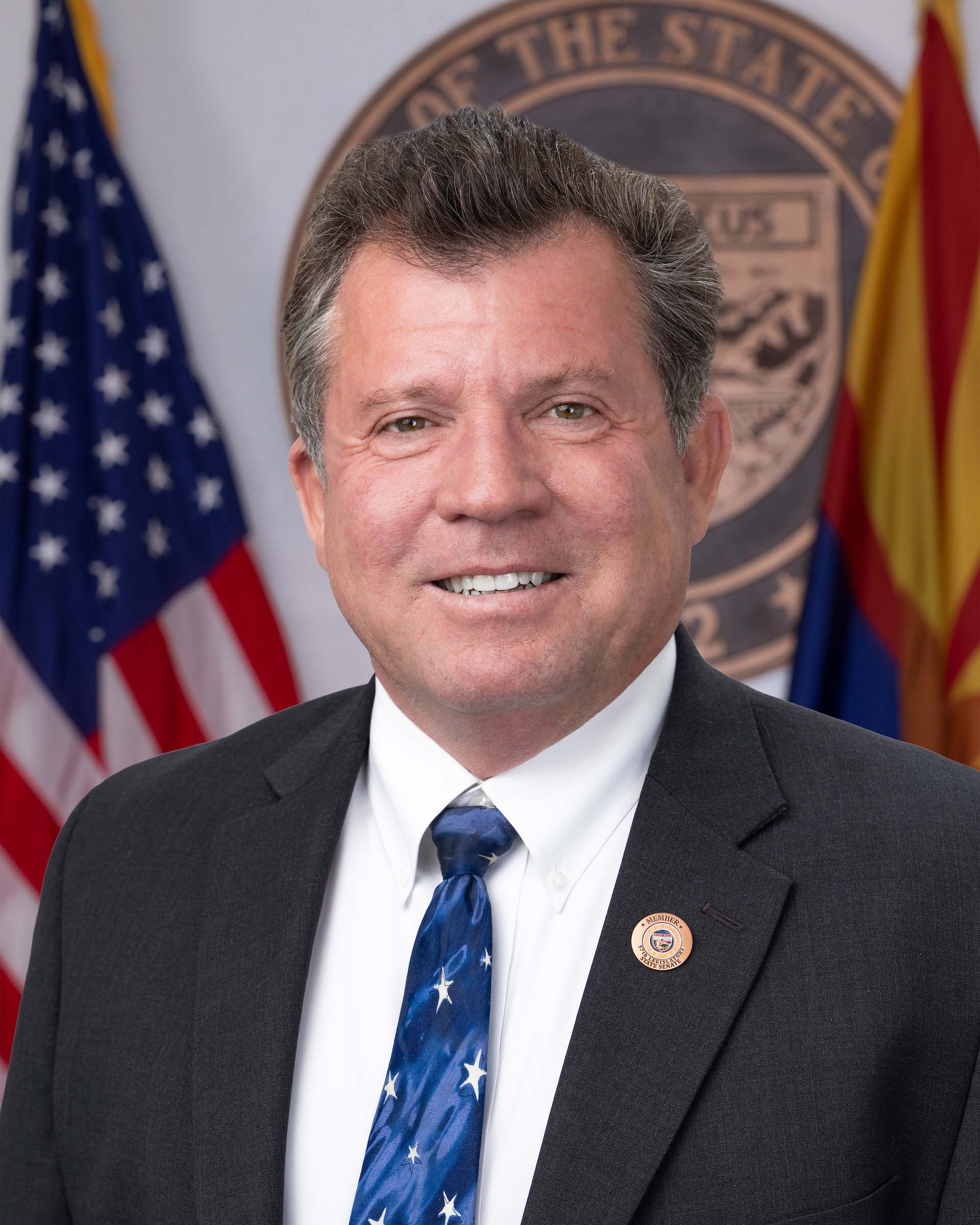
Kevin Payne
83% support rate
Top opponent
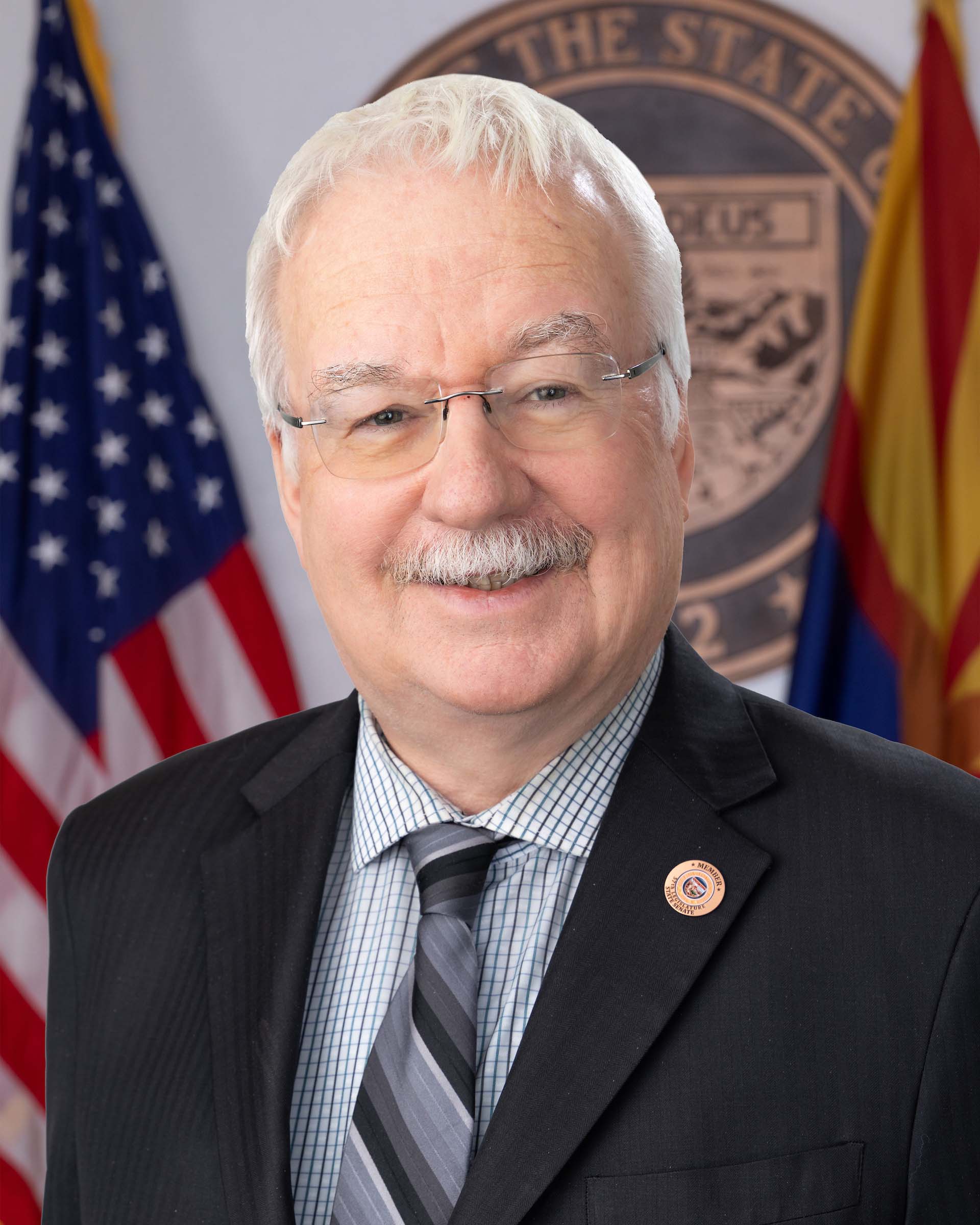
Catherine Miranda
19% support rate
Ranked legislators
10
5 support · 5 oppose
Key legislators

Who's moving technology in Arizona

Legislators moving technology in Arizona
Legislator Party Stance Support rate Votes
Kevin Payne
Kevin Payne Senate · District 27
R
Strong +
83% 148
David Gowan
David Gowan Senate · District 19
R
Strong +
82% 159
Tim Dunn
Tim Dunn Senate · District 25
R
Strong +
82% 159
J.D. Mesnard
J.D. Mesnard Senate · District 13
R
Strong +
82% 158
John Kavanagh
John Kavanagh Senate · District 3
R
Strong +
82% 158
Catherine Miranda
Catherine Miranda Senate · District 11
D
Strong −
19% 143
Eva Diaz
Eva Diaz Senate · District 22
D
Strong −
20% 120
Sally Gonzales
Sally Gonzales Senate · District 20
D
Oppose
21% 157
Mitzi Epstein
Mitzi Epstein Senate · District 12
D
Oppose
22% 150
Analise Ortiz
Analise Ortiz Senate · District 24
D
Oppose
24% 143
Showing 51–60 of 98 bills

All technology bills

signed · Arizona · Senate Jun 19, 2026

SB 1193: personal identifying information; disclosure; prohibition

SB 1193 prohibits Arizona state departments from selling or disclosing personal identifying information of Emergency Medical Care Technicians (EMCTs) without the technician's specific consent. The bill requires that any disclosure with consent must detail exactly what information is shared and why it is shared. It also allows departments to share de-identified or aggregated data that cannot reasonably identify an individual EMCT. This law directly protects EMCTs' privacy by making their personal information confidential and exempt from public records requests.
Sub-Topics Data Privacy
introduced · Arizona · House Jan 22, 2026

HB 2119: computer data center; application; deadline

HB 2119 provides tax relief for owners/operators of certified computer data centers in Arizona, directly affecting new data center projects and their qualified colocation tenants. To qualify, applicants must submit detailed applications showing either $25 million (in low-population counties) or $50 million (in high-population counties) in new investment within five years, or document $250 million in pre-2013 investment for existing centers. The bill establishes a certification process requiring 60-day review timelines, sets a December 31, 2026 deadline for new applications, and allows tax recapture if investment requirements aren't met. It also clarifies that recapture applies only to owners/operators, not colocation tenants, and includes appeal procedures for denied certifications.
signed · Arizona · House Apr 2, 2026

HB 2307: technical correction; critical infrastructure information

HB 2307 is a technical correction to Arizona's critical infrastructure protection law. It amends Section 41-1805 of the Arizona Revised Statutes to clarify that state/local government employees and entities handling critical infrastructure information face a class 5 felony charge if they knowingly disclose protected information without authorization. The bill specifically targets unauthorized disclosure of critical infrastructure data defined under Section 41-1801, reinforcing existing penalties without creating new requirements. This is a procedural update to the legal text, not a substantive policy change.
introduced · Arizona · House Jan 26, 2026

HB 2630: election officers; privacy protections

HB 2630 allows eligible individuals - including election officers, law enforcement personnel, public officials, and those under protection orders - to request hiding their personal details (like home addresses and full names) from public property records maintained by county recorders. To qualify, they must file an affidavit with a judge explaining safety risks, and if approved, the county recorder will restrict public access to their identifying information for five years. This applies to documents such as property deeds and recorded instruments, aiming to protect individuals facing safety threats by limiting how easily their personal data can be found online. The bill does not create new records but modifies access to existing county property records.
Sub-Topics Data Privacy
introduced · Arizona · House Jan 26, 2026

HB 2820: data centers; incentives; repeal; requirements

HB 2820 repeals Arizona's Section 41-1519 (which previously provided tax incentives for data centers) and amends Section 42-2003 to allow the Arizona Commerce Authority to disclose taxpayer information for certifying computer data centers. This change directly affects data center operators seeking tax incentives, as it modifies how the Commerce Authority can access confidential tax information to verify eligibility. The key provision adds new disclosure permissions for the Commerce Authority to certify data centers for tax relief under repealed Section 41-1519. The bill focuses on administrative procedures for tax incentive programs rather than creating new financial benefits.
Sub-Topics Tax Incentives
introduced · Arizona · House Jan 21, 2026

HB 2490: rental price fixing; algorithmic pricing

HB 2490 prohibits landlords and "coordinators" (those selling algorithmic tools) from using algorithmic devices that process nonpublic competitor data to coordinate rental prices or terms for residential properties. It directly affects landlords managing five or more rental units (or coordinators serving them), banning tools that analyze competitors' historical prices, occupancy rates, or lease terms to set rents. The bill creates a legal presumption of price-fixing if such algorithms are used, though violators can rebut this with evidence they lacked knowledge of the data's origin. Enforcement falls to the Attorney General under existing consumer protection laws, with exemptions for government housing, small landlords (under five units), dormitories, and transient lodging like hotels.
introduced · Arizona · House Jan 22, 2026

HB 2658: dropout recovery programs; repeal

HB 2658 repeals Section 15-901.06 of Arizona law, which authorized online dropout recovery programs for students who left school. This ends the specific provision allowing virtual options in these programs, directly affecting students enrolled in Arizona's dropout recovery initiatives who previously could access online courses. The bill also amends related virtual school assessment rules (Section 15-808.01), but the core action is removing the online program authorization. It does not create new requirements but eliminates a specific pathway for virtual dropout recovery services.
introduced · Arizona · House Jan 26, 2026

HB 2655: election committee; security standards; practices

HB 2655 creates an election security standards committee under Arizona's Secretary of State, requiring input from county election officials, city/town clerks, and technical experts. The committee must develop mandatory security controls for election equipment, create a required self-assessment questionnaire for jurisdictions, and establish a recurring review schedule. Key deadlines include updating security standards by January 1 of odd-numbered years, publishing the self-assessment form by February 1 of odd years, and requiring jurisdictions to submit completed assessments by February 1 of even years. This bill directly affects all Arizona county and local election jurisdictions responsible for election security. The provisions focus on standardized security practices and regular compliance verification, with no mention of funding or enforcement penalties.
Tags Elections
introduced · Arizona · House Jan 26, 2026

HB 2587: adult content websites; blocking option

HB 2587 requires Arizona internet service providers (ISPs) to offer subscribers a free, voluntary option to block access to adult content websites. The blocking feature must be user-initiated (not default), easily accessible through account portals, and use accurate filtering methods with error correction. It prohibits ISPs from collecting personal data about subscribers' blocking choices and exempts news, educational content, and constitutionally protected material. Non-compliant ISPs face civil penalties up to $5,000 per violation, with enforcement handled by the Arizona Attorney General.
signed · Arizona · Senate Jun 19, 2026

SB 1564: electronic monitoring; long-term care

SB 1564 requires assisted living facilities and nursing care institutions in Arizona to disclose during license applications and renewals whether residents may install electronic monitoring devices (like audio/video recording devices) in their rooms. The state department must then publicly post this information on its website. The bill defines "electronic monitoring" as devices recording or transmitting sounds/activity to residents or their authorized representatives, and specifies that devices must be fixed or installed in the resident's space. This law applies directly to long-term care facilities and residents seeking to use such monitoring technology.
Sub-Topics Long-Term Care
Showing 51 to 60 of 98 bills
Previous 1 5 6 7 10 Next