Issue · Technology

Technology

Every technology bill, vote, and legislator stance in Arizona, automatically classified by Maddy, our AI policy reader.

Total bills
184
119th Congress
Top supporter
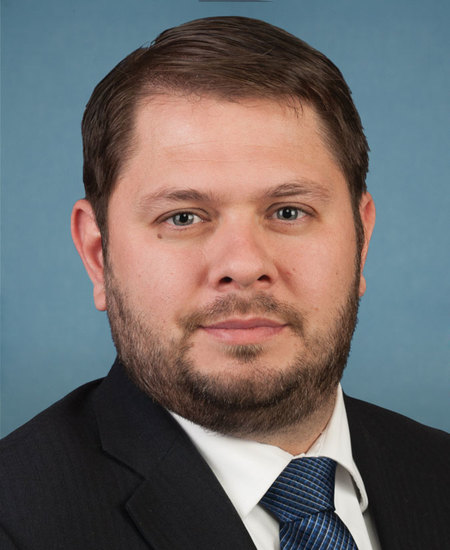
Ruben Gallego
83% support rate
Top opponent
Elijah Crane
18% support rate
Ranked legislators
10
5 support · 5 oppose
Key legislators

Who's moving technology in Arizona

Legislators moving technology in Arizona
Legislator Party Stance Support rate Votes
Ruben Gallego
Ruben Gallego Senate
D
Strong +
83% 219
Mark Kelly
Mark Kelly Senate
D
Strong +
81% 224
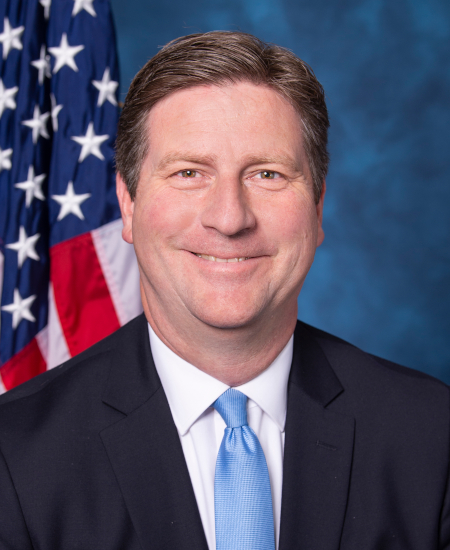
Greg Stanton
Greg Stanton House · District 4
D
Support
73% 261
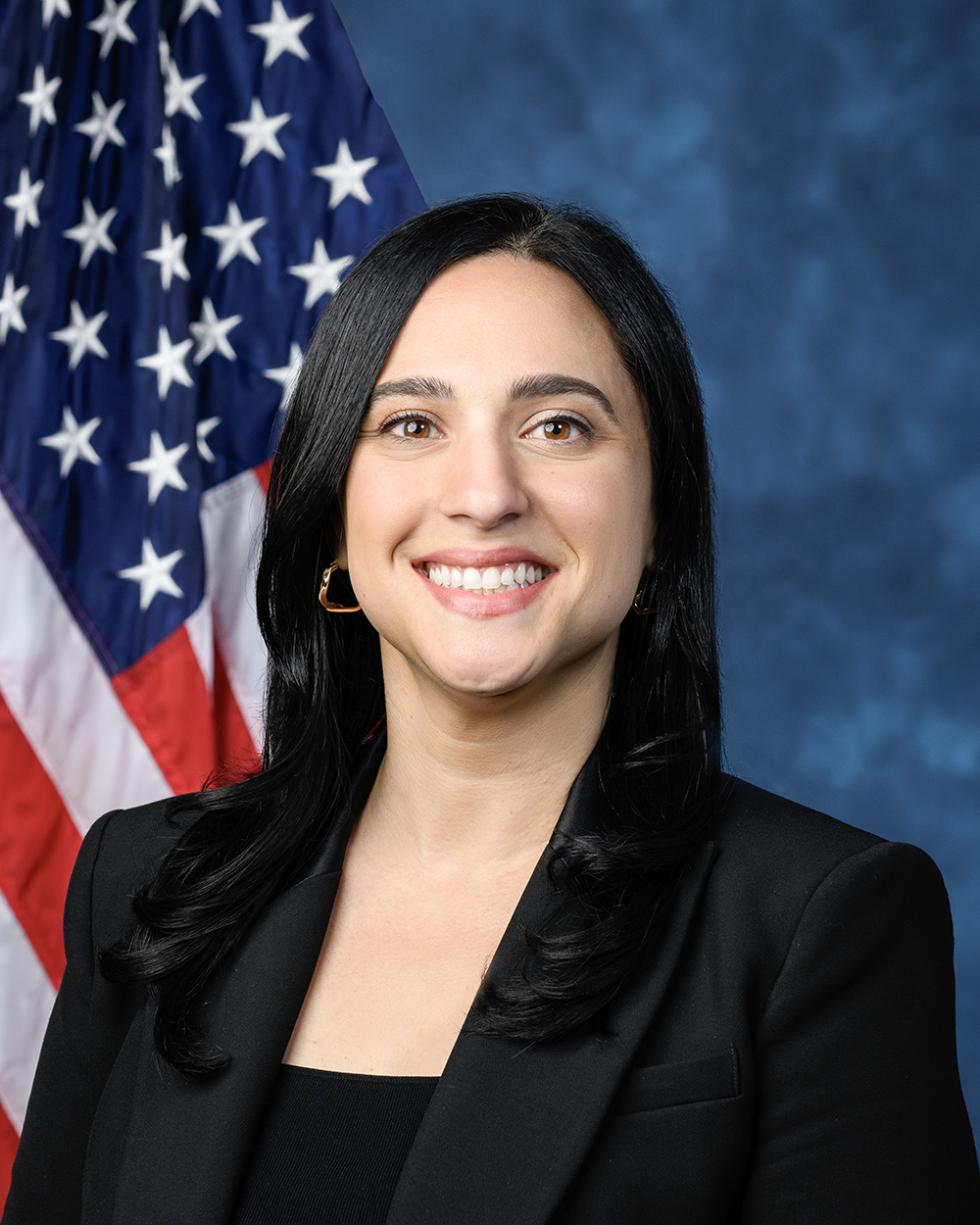
Yassamin Ansari
Yassamin Ansari House · District 3
D
Support
73% 259
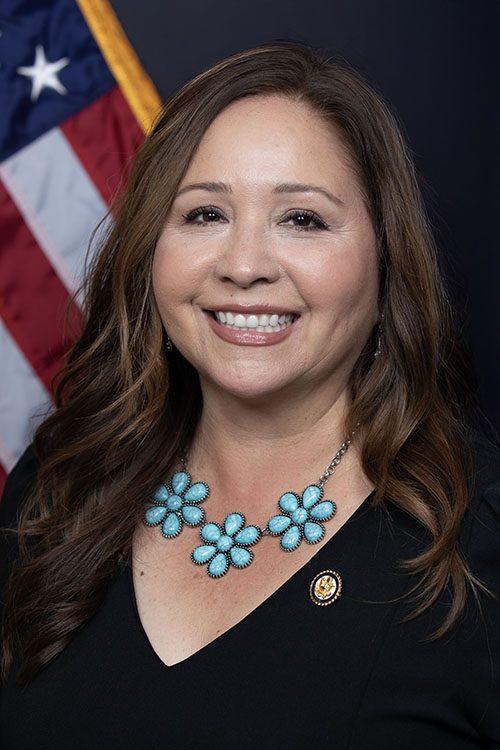
Adelita S. Grijalva
Adelita S. Grijalva House · District 7
D
Mixed
56% 159
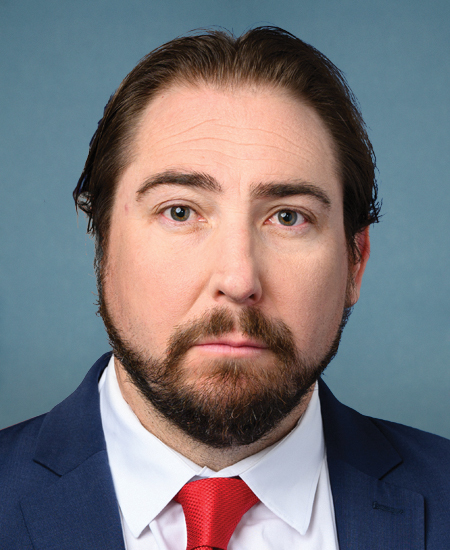
Elijah Crane
Elijah Crane House · District 2
R
Strong −
18% 262
Paul A. Gosar
Paul A. Gosar House · District 9
R
Oppose
24% 238
Andy Biggs
Andy Biggs House · District 5
R
Oppose
24% 231
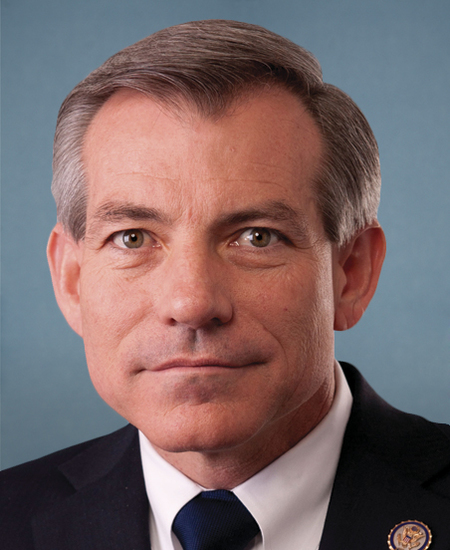
David Schweikert
David Schweikert House · District 1
R
Oppose
27% 258
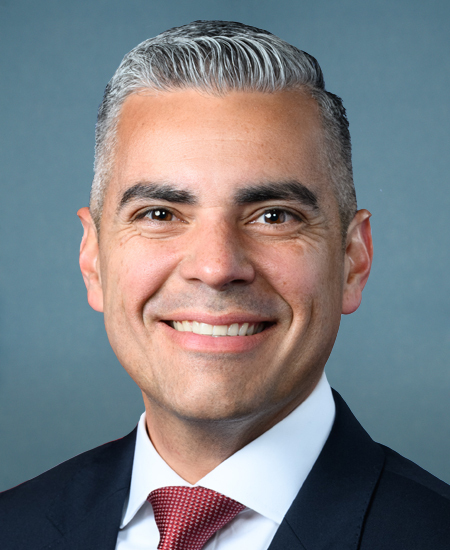
Juan Ciscomani
Juan Ciscomani House · District 6
R
Oppose
33% 256
Showing 1–10 of 184 bills

All technology bills

in committee · United States · House Aug 24, 2026

HR 10146: AI Advertising Disclosure Act

The AI Advertising Disclosure Act requires companies operating AI chatbots and generative search features with over 50,000 monthly users to clearly disclose when their responses are influenced by paid partnerships or commercial arrangements. These disclosures must be visible without scrolling, use plain language, and identify the specific nature of the sponsorship, while also prohibiting AI systems from denying they are artificial or hiding sponsored content behind organic-looking answers. The bill grants the Federal Trade Commission authority to enforce these rules and allows state attorneys general and private individuals to sue for violations, with potential penalties including triple damages for willful misconduct.
in committee · United States · House Sep 3, 2026

HR 10288: Rural Broadband Modernization Act

The Rural Broadband Modernization Act amends the ReConnect program to ensure that broadband projects are eligible for federal loans and grants based on performance standards rather than the specific technology used. The bill requires that funded projects provide internet speeds of at least 100 Mbps downstream and 20 Mbps upstream, while prohibiting agencies from denying or deprioritizing applications because they use terrestrial, non-terrestrial, or low-Earth orbit satellite systems. This change directly affects rural communities and service providers by allowing a wider range of delivery methods to compete for funding. Additionally, the law mandates that the Secretary of Agriculture publish public reports on awarded projects within 30 days and issue final implementing regulations within 180 days of enactment.
Sub-Topics Broadband Access Telecommunications Tags Rural Communities
in committee · United States · House Sep 2, 2026

HR 10221: Flock-Off Act

The Flock-Off Act prohibits federal agencies, state and local governments, and other recipients of federal funds from using federal money to purchase, operate, or maintain automated camera systems that capture biometric data or license plate information. The bill requires these entities to remove any existing covered camera systems within 180 days of enactment, with violations resulting in the withholding of further federal funding until reimbursed. Specific exceptions allow for the continued use of such systems within one mile of the U.S. borders for security purposes and on toll roads strictly for toll collection and enforcement.
in committee · United States · House Aug 27, 2026

HR 10166: Foreign Propaganda Disclosure Act

The Foreign Propaganda Disclosure Act amends the Foreign Agents Registration Act to explicitly include social media influencers in its regulatory scope. The bill defines a social media influencer as any individual who maintains a monetized account on a social media platform, using an existing definition from the Trafficking Victims Prevention and Protection Reauthorization Act of 2022. By making this addition, the legislation requires these specific digital content creators to comply with the same registration and disclosure obligations currently applied to other foreign agents.
Sub-Topics Social Media
in committee · United States · House Aug 4, 2026

HR 10040: No TSA Data for ICE Act

This bill, titled the No TSA Data for ICE Act, prohibits the Transportation Security Administration from sharing passenger data with U.S. Customs and Border Protection or U.S. Immigration and Customs Enforcement. It specifically bars these agencies from using TSA information or data from private brokers to perform immigration enforcement functions. Additionally, the legislation prevents the denial, suspension, or early termination of Trusted Traveler programs like PreCheck and Global Entry if an individual's participation in First Amendment-protected activities is the reason. The law defines the restricted data as personally identifiable information about flight passengers obtained from the TSA or private sector entities.
in committee · United States · Senate Jul 30, 2026

S 5181: MAP Roads Act

The MAP Roads Act creates a pilot program that provides federal grants to states to help digitize and map county roads, directly affecting state and local transportation agencies. To receive funding, states must demonstrate they can distribute money to counties and maintain a centralized, publicly accessible online database for road data. The program prioritizes states with significant gaps in digital road records and requires that the resulting data be compatible with popular mapping platforms and updated at least once a year. Authorized funding of $20 million annually from 2026 to 2031 will support these efforts, while the bill explicitly ensures it does not change existing laws regarding road ownership or jurisdiction.
Sub-Topics Roads & Highways
in committee · United States · House Aug 3, 2026

HR 10017: Permanent CBDC Ban Act

This bill, titled the Permanent CBDC Ban Act, aims to permanently prohibit the Federal Reserve from issuing a central bank digital currency. It achieves this by amending the Federal Reserve Act to remove the specific legal authority that allows the Reserve to create such a digital currency. The legislation directly affects the Federal Reserve by stripping away its power to launch a digital version of the dollar. By deleting the relevant subsection of the law, the bill ensures that the Reserve cannot issue a CBDC in the future.
in committee · United States · Senate Jul 23, 2026

S 5117: Senior Chatbot Protection Act of 2026

The Senior Chatbot Protection Act of 2026 establishes safety and transparency rules for artificial intelligence chatbots used by older adults in the United States. It requires companies to clearly disclose that their chatbots are not human beings or licensed professionals and mandates specific warnings when the chatbot offers advice on high-stakes matters like healthcare or finances. The law also forces chatbots to detect signs of crisis, such as suicidal thoughts, and immediately refer users to human support services while prohibiting the AI from giving dangerous medical or self-harm advice. Additionally, the bill restricts how user conversations are stored and processed, requiring affirmative consent for data training and giving users the ability to delete their chat history. Enforcement is handled by the Federal Trade Commission, which can impose penalties for violations, while the National Institutes of Standards and Technology will develop voluntary guidelines for safe AI design.
in committee · United States · Senate Aug 4, 2026

S 5226: Parental Approval for Youth Social Media Act of 2026

This bill requires social media companies to obtain verifiable parental consent before allowing anyone under 16 to create or maintain an account. If consent is provided, the platform must set up the account as a parent-supervised profile, giving parents tools to manage privacy settings, limit screen time, control communications, and monitor activity. The Federal Trade Commission will establish rules for verifying age and consent, while state attorneys general are authorized to enforce the law through civil actions. The legislation defines "child" as anyone under 16 and excludes services like email, text messaging, and educational platforms from its requirements.
in committee · United States · House Jul 22, 2026

HR 9829: ORTHO Act

The ORTHO Act directs the Federal Trade Commission to create new rules requiring dentists to perform an in-person examination before providing most dental services or medical devices through teledentistry. This requirement includes exceptions for emergency care, approved public health programs, and specific orthodontic diagnoses that must still be confirmed by an in-person visit and review of X-rays before a patient begins using an appliance. Violations of these rules would be treated as unfair or deceptive practices, allowing both the FTC and state attorneys general to enforce the law through civil penalties and potential damages. The bill also clarifies that states retain the ability to adopt additional regulations that are consistent with these federal standards.
Sub-Topics Public Health
Showing 1 to 10 of 184 bills
1 2 3 19 Next