Issue · Education

Education (Testing & Assessment)

Every education bill, vote, and legislator stance in Arizona, automatically classified by Maddy, our AI policy reader.

Total bills
6
57th Legislature - Second Regular Session
Top supporter
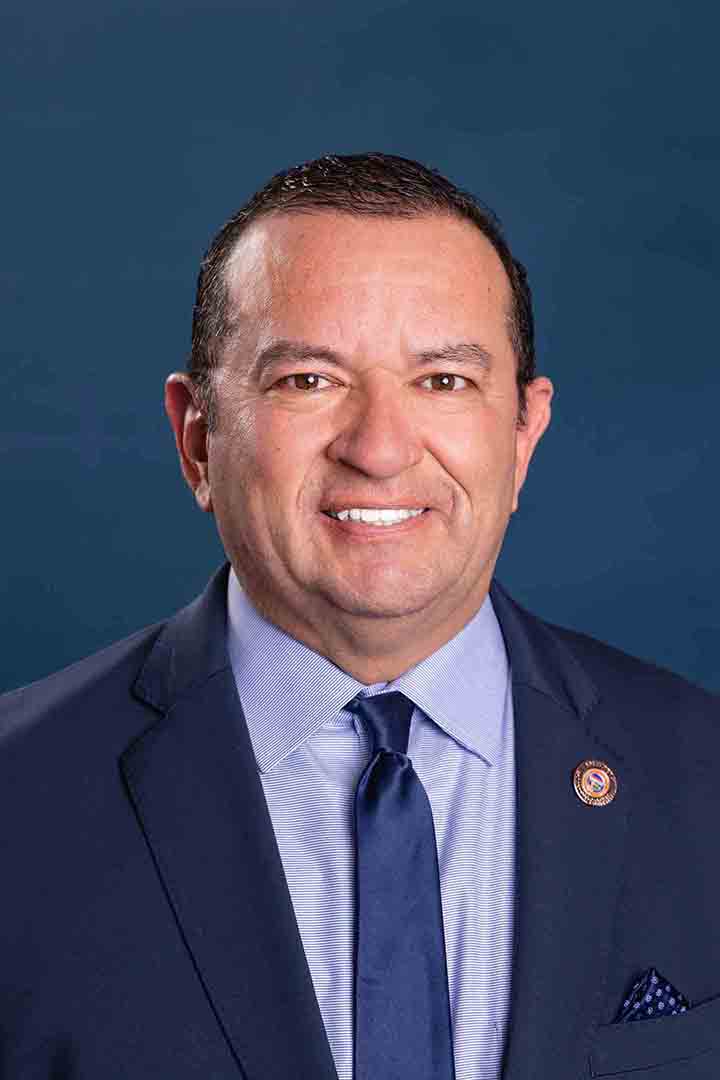
Chris Lopez
100% support rate
Top opponent
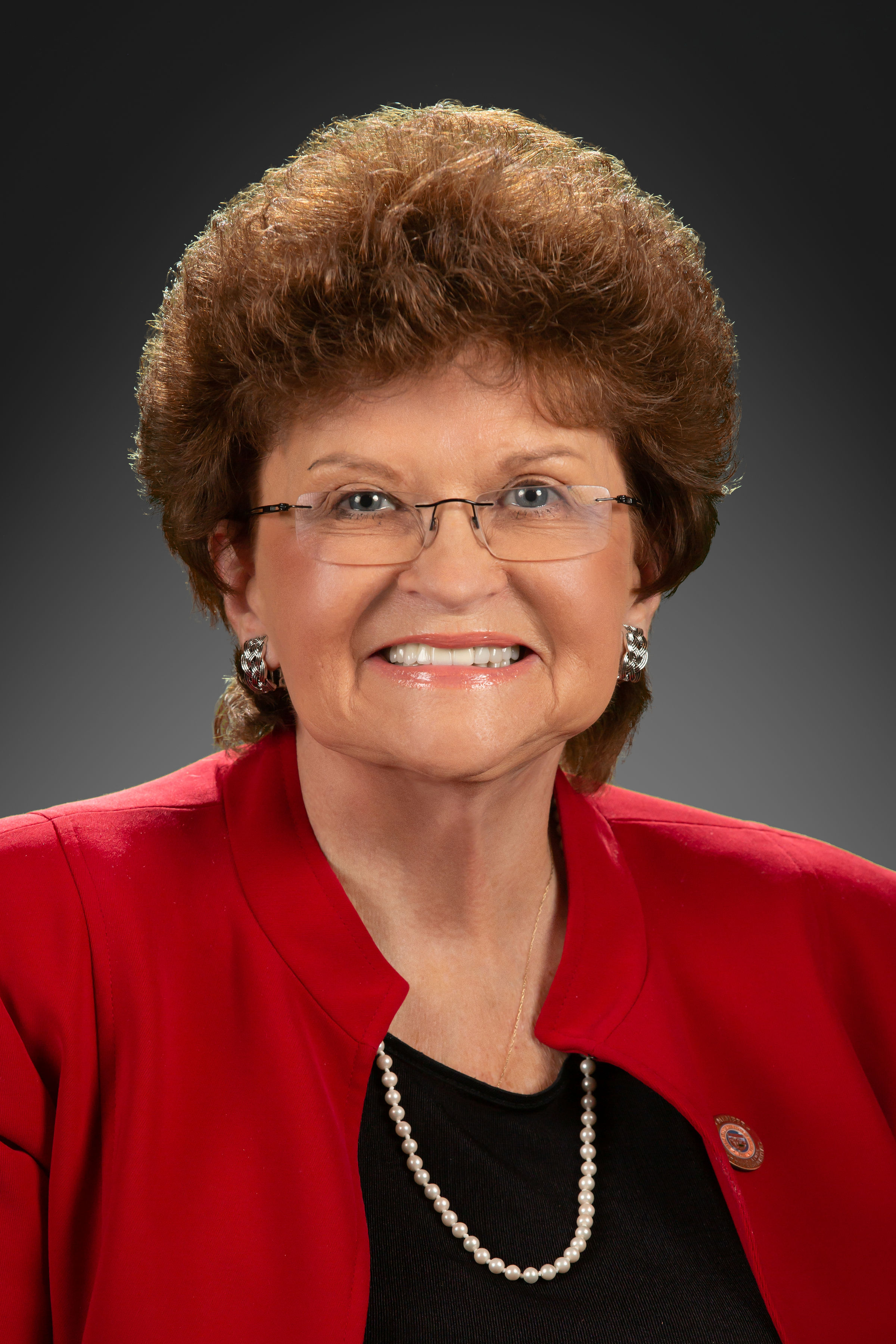
Patty Contreras
20% support rate
Ranked legislators
10
5 support · 5 oppose
Key legislators

Who's moving testing & assessment in Arizona

Legislators moving testing & assessment in Arizona
Legislator Party Stance Support rate Votes
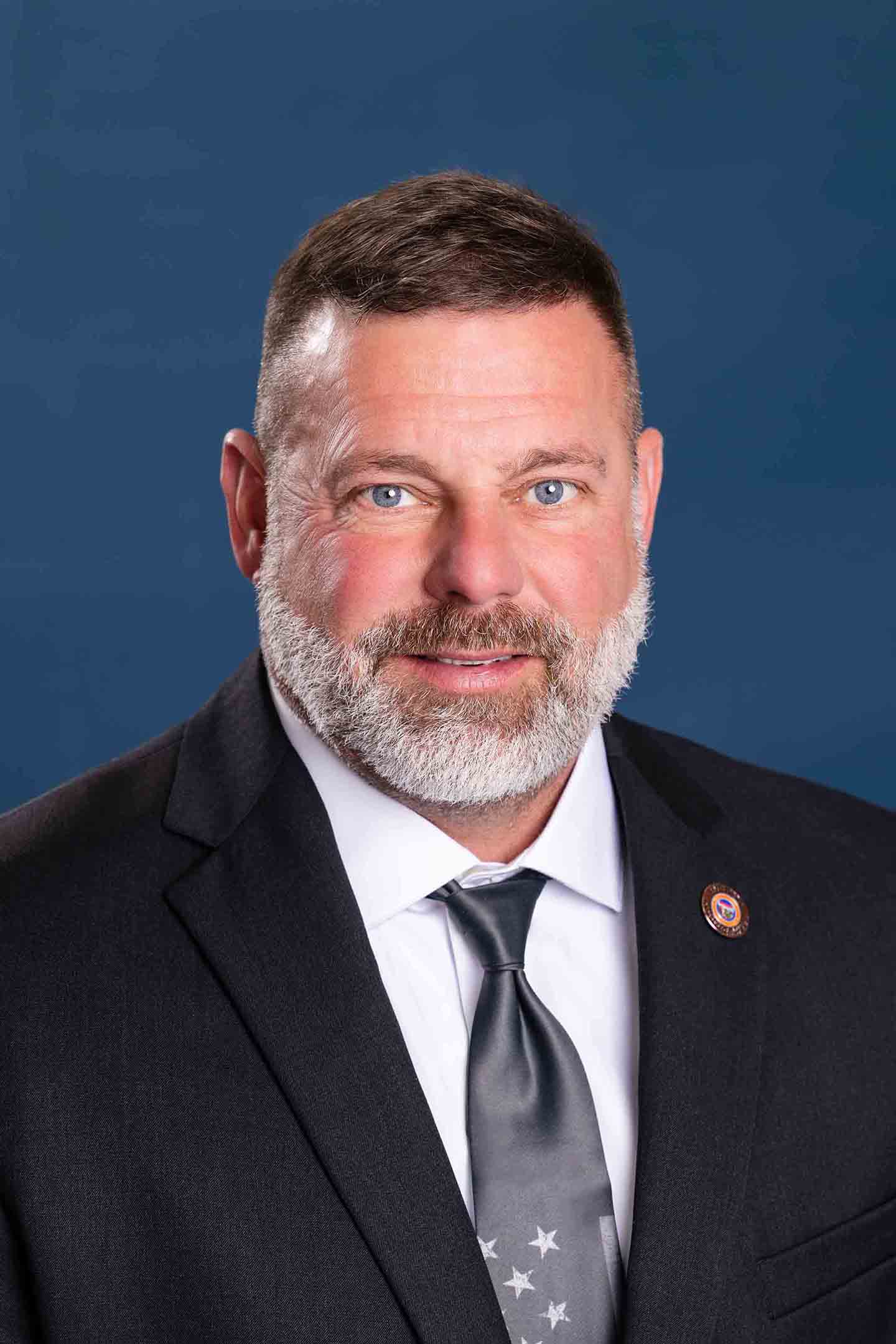
Chris Lopez
Chris Lopez House · District 16
R
Strong +
100% 5
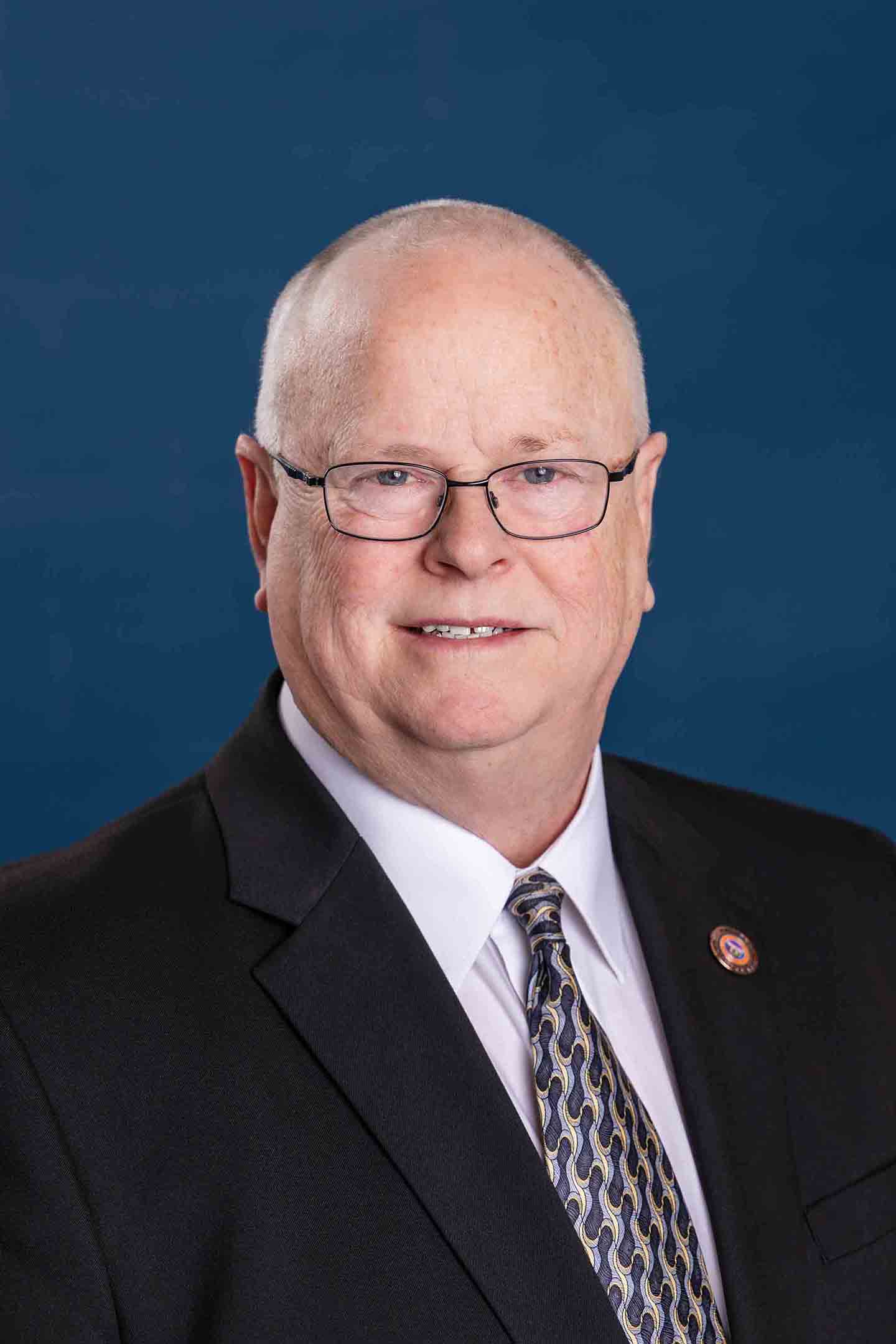
Gail Griffin
Gail Griffin House · District 19
R
Strong +
100% 5
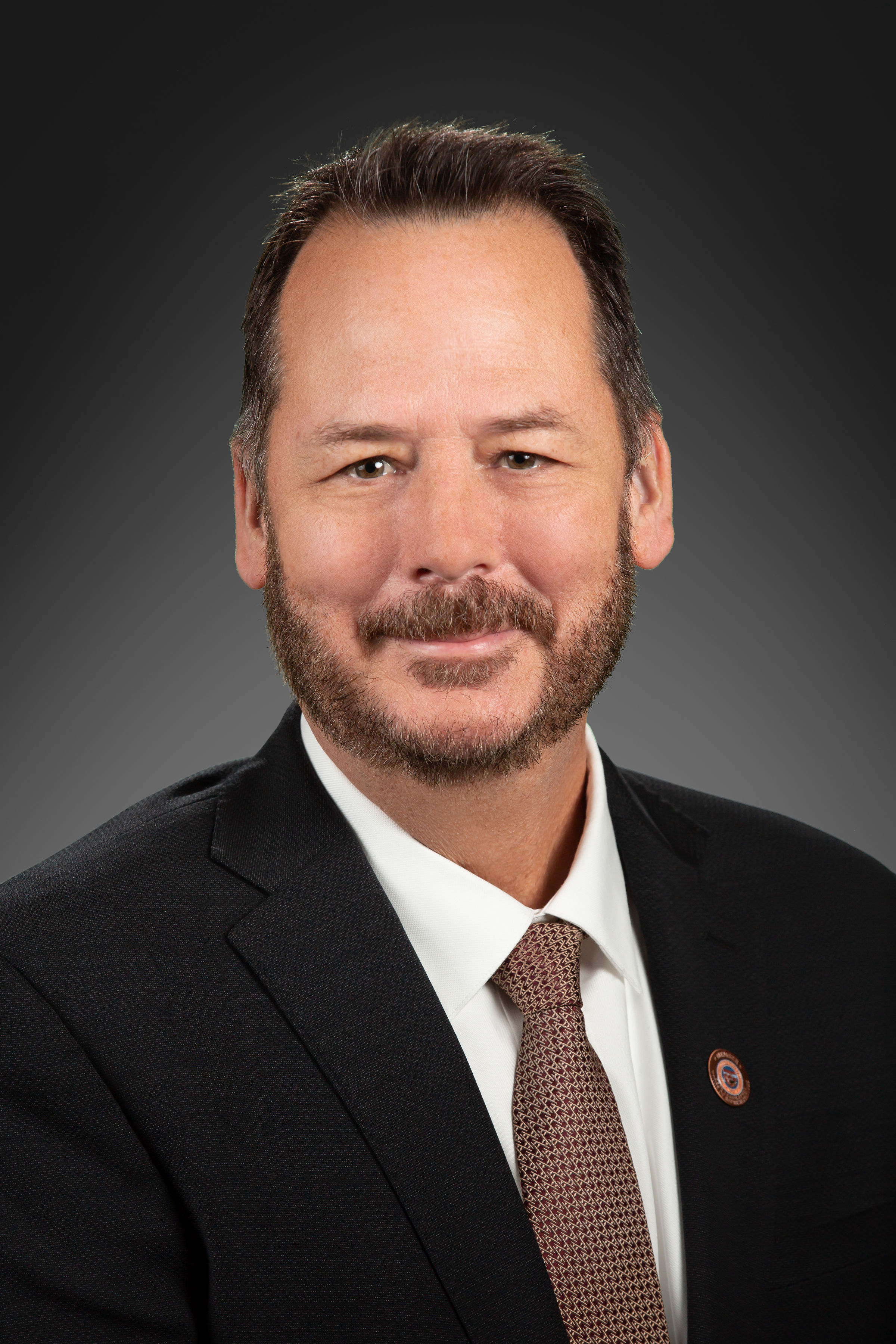
James Taylor
James Taylor House · District 29
R
Strong +
100% 5
Jeff Weninger
Jeff Weninger House · District 13
R
Strong +
100% 5
John Gillette
John Gillette House · District 30
R
Strong +
100% 5
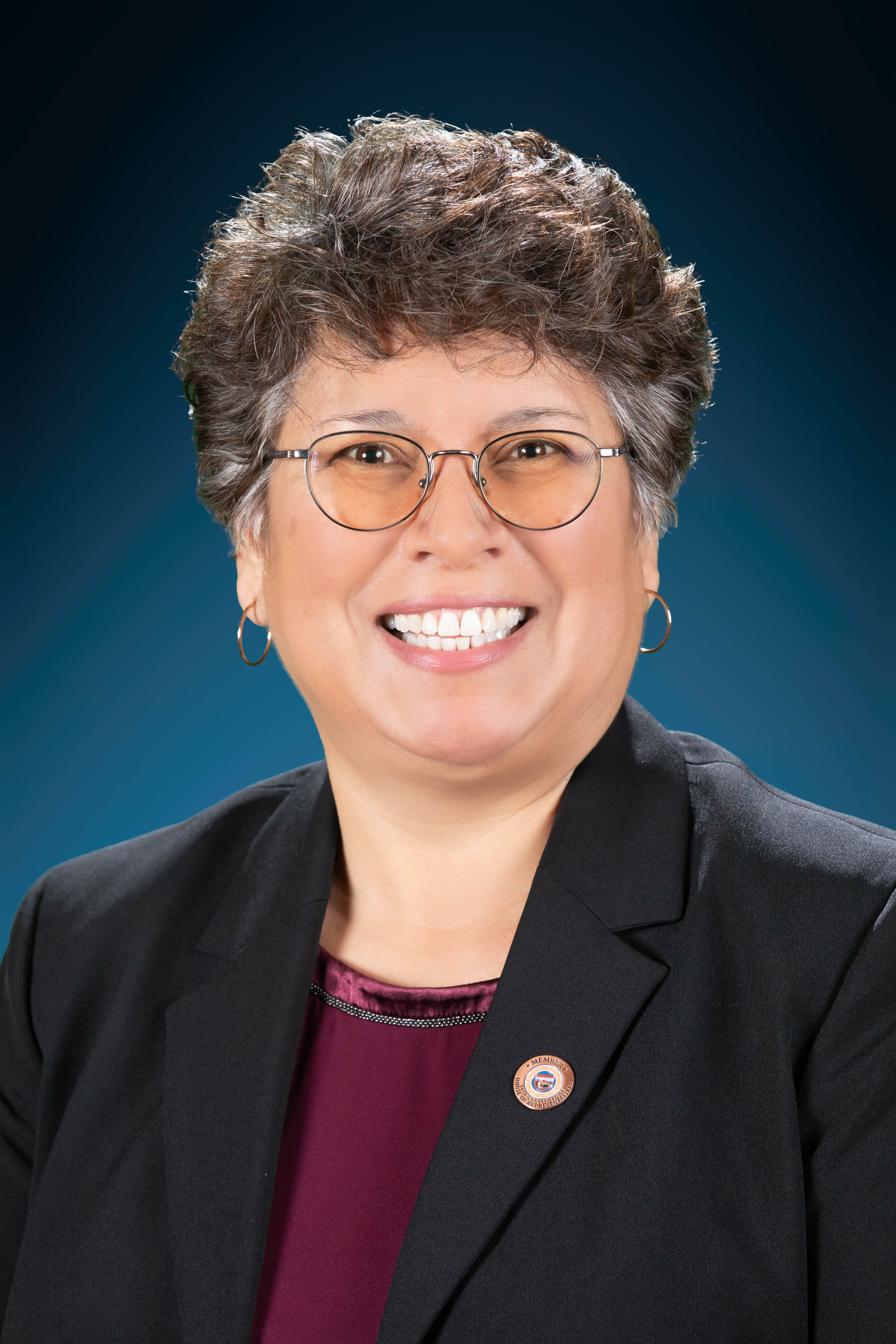
Patty Contreras
Patty Contreras House · District 12
D
Strong −
20% 5
Stacey Travers
Stacey Travers House · District 12
D
Oppose
25% 4
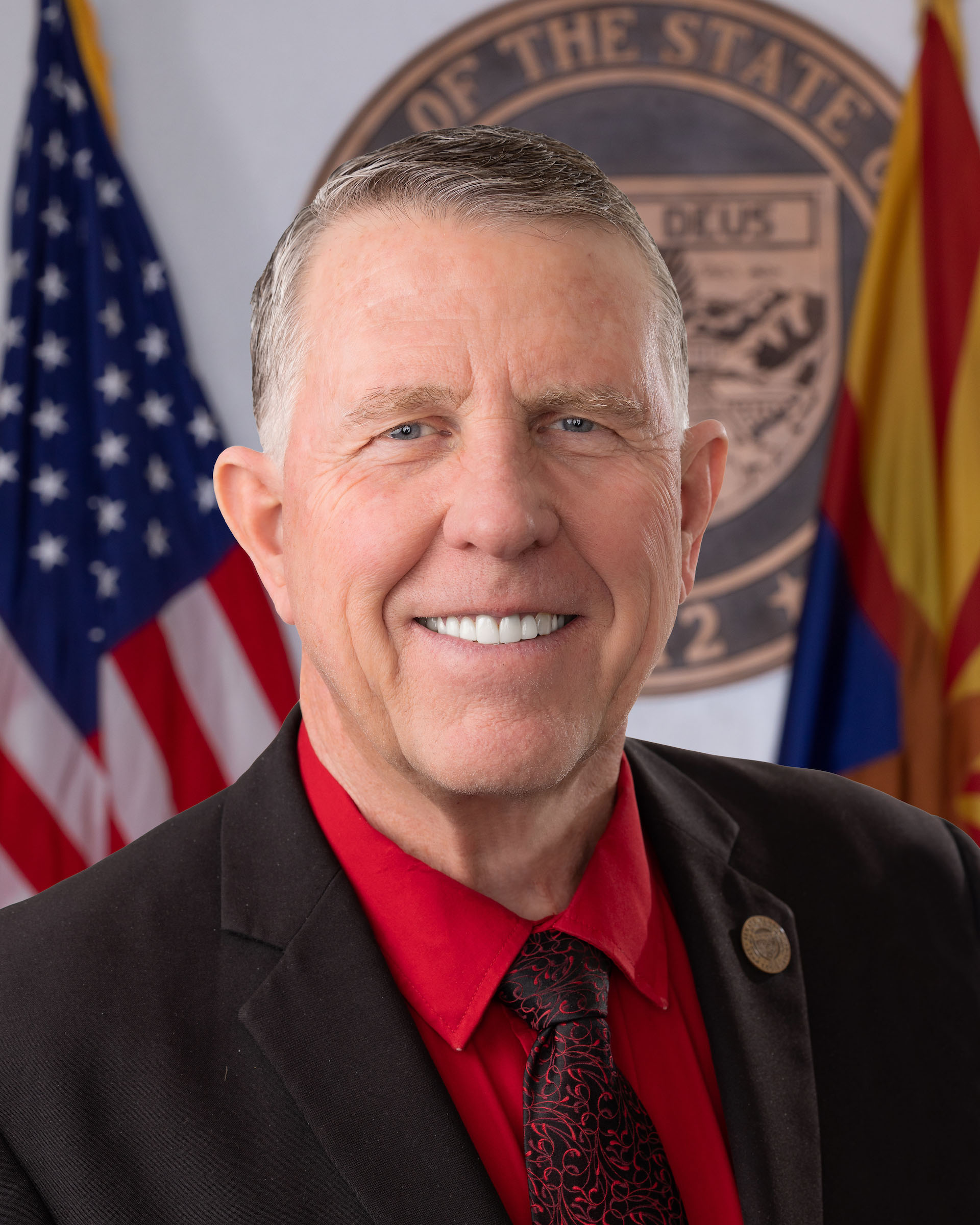
Dave Farnsworth
Dave Farnsworth Senate · District 10
R
Oppose
33% 3
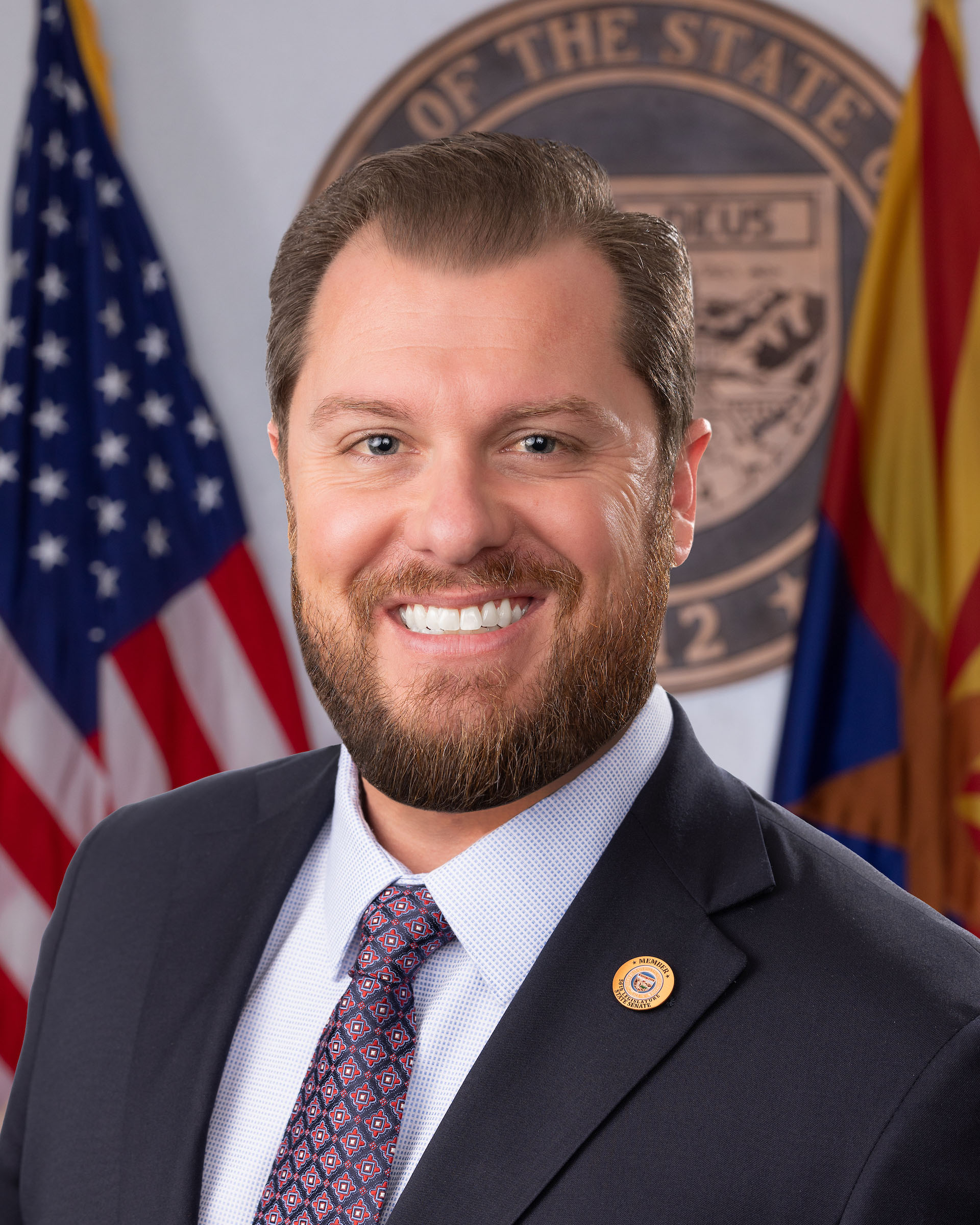
Jake Hoffman
Jake Hoffman Senate · District 15
R
Oppose
33% 3
Janae Shamp
Janae Shamp Senate · District 29
R
Oppose
33% 3
Showing 6 of 6 bills

All education bills

introduced · Arizona · Senate Feb 9, 2026

SB 1691: ESAs; assessments; standards; accreditation

Arizona's SB 1691 requires annual statewide testing in reading, writing, and math for students in designated grades, with additional testing in social studies and science permitted but not mandatory. It directly affects public schools, nonpublic online learning programs charging tuition, and all students in these settings, mandating test administration and data collection on graduation/dropout rates by ethnicity. Key provisions include ensuring uniform, objective tests; collecting non-test data only with public approval; requiring schools to use demographic data when evaluating scores; and setting strict deadlines for test results to be delivered to schools. The bill also mandates that test data must comply with federal privacy laws (FERPA) and be shared transparently via a public website.
introduced · Arizona · House Feb 10, 2026

HB 4023: ethnic studies; academic standards; commission

HB 4023 requires Arizona's state board of education to include ethnic studies in social studies academic standards for all public schools. The bill primarily focuses on third-grade reading retention, mandating that students not meet state reading benchmarks cannot advance to fourth grade unless specific exemptions apply (e.g., English learners, special education needs, or demonstrated progress via approved assessments). It also requires schools to provide evidence-based reading interventions, offer parents multiple intervention options, and submit annual reports on retention and support strategies. While the bill references ethnic studies as part of social studies standards, its main provisions center on reading assessment, retention policies, and intervention requirements for K-3 students.
introduced · Arizona · House Jan 22, 2026

HB 2658: dropout recovery programs; repeal

HB 2658 repeals Section 15-901.06 of Arizona law, which authorized online dropout recovery programs for students who left school. This ends the specific provision allowing virtual options in these programs, directly affecting students enrolled in Arizona's dropout recovery initiatives who previously could access online courses. The bill also amends related virtual school assessment rules (Section 15-808.01), but the core action is removing the online program authorization. It does not create new requirements but eliminates a specific pathway for virtual dropout recovery services.
signed · Arizona · House Jun 4, 2026

HB 2423: advanced mathematics courses; student enrollment

HB 2423 requires Arizona school districts and charter schools to automatically enroll eligible 6th-8th graders in advanced math courses if available, based on specific criteria like top math assessment scores, A grades, or parental request. It mandates schools to notify parents about math deficiencies and enrollment decisions, provide support services (like tutoring), and report detailed enrollment data broken down by race, income, and gender. The bill directly affects students meeting proficiency standards, their parents (who can object), and school districts responsible for implementation. Schools must annually report participation rates, course availability, and student outcomes to the state education department for public posting.
vetoed · Arizona · House Apr 14, 2026

HB 2033: statewide assessment; written form; requirements

HB 2033 requires Arizona's state board of education to implement uniform statewide assessments in reading, writing, and math for at least four grades annually, while prohibiting assessments that promote sectarian or partisan views. It mandates collecting specific nontest data (like graduation/dropout rates by ethnicity) through surveys of school staff, with strict privacy protections under FERPA. The bill allows students to opt out of district assessments if they provide scores from nationally recognized tests (e.g., SAT, ACT) before testing begins. Additionally, it permits written tests for students with IEPs/504 plans, religious accommodations, or parent requests. This directly affects public schools, students, and educators by standardizing testing requirements and data collection.
signed · Arizona · House Jun 4, 2026

HB 2032: statewide assessment; testing window; revisions

HB 2032 requires Arizona third graders to demonstrate sufficient reading skills on the statewide assessment to advance to fourth grade. If a student does not meet this standard, they may be retained, but only if test data is available and they haven't been retained before. The bill allows exceptions for English learners, students with special education needs (including dyslexia), or those showing progress through approved assessments. Schools must offer multiple evidence-based reading interventions, provide detailed parent notifications about reading deficiencies, and report retention and intervention data to the state education department. This bill directly affects third graders, Arizona public schools, and their parents.