Issue · Technology

Technology

Every technology bill, vote, and legislator stance in Arizona, automatically classified by Maddy, our AI policy reader.

Total bills
98
57th Legislature - Second Regular Session
Top supporter
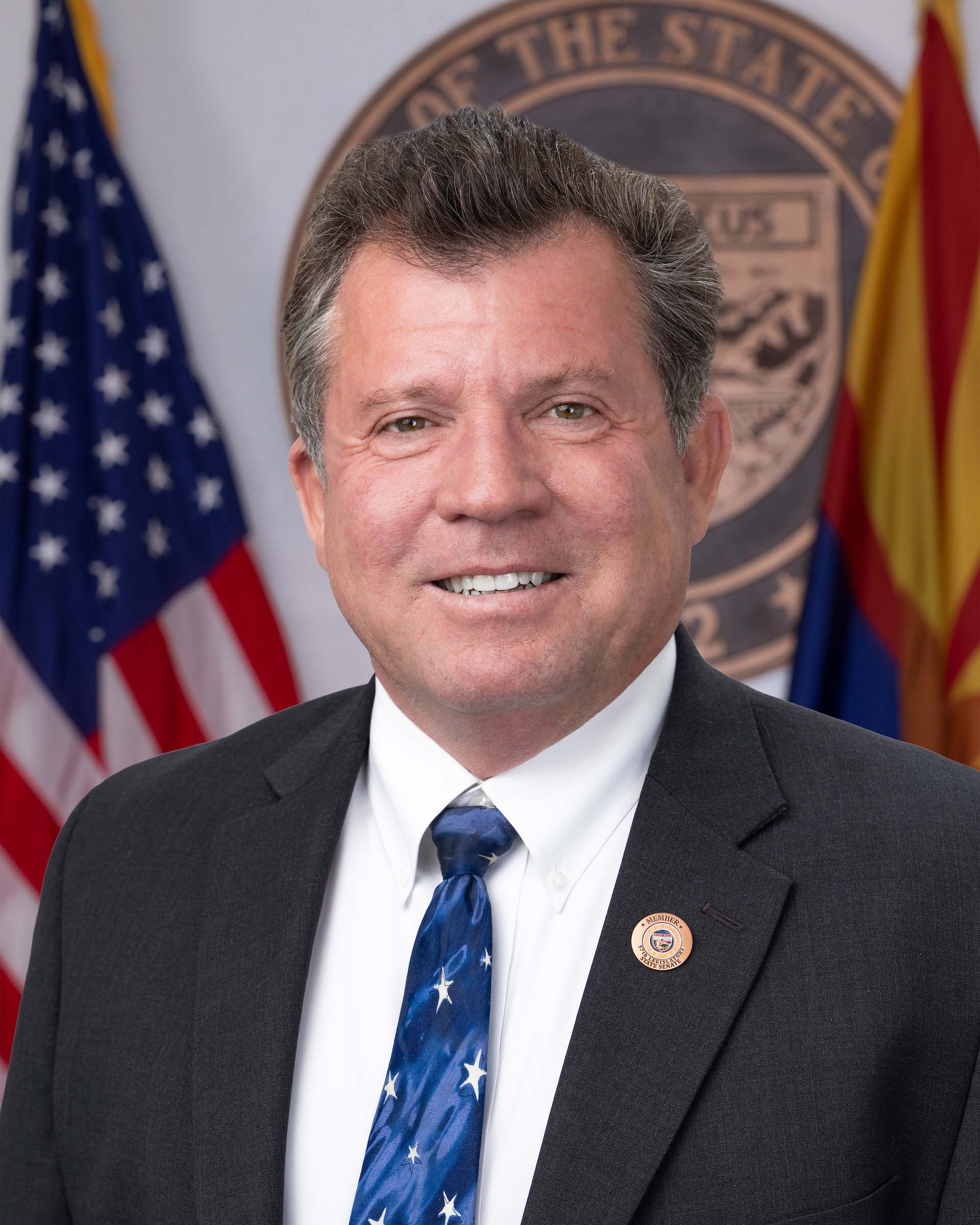
Kevin Payne
83% support rate
Top opponent
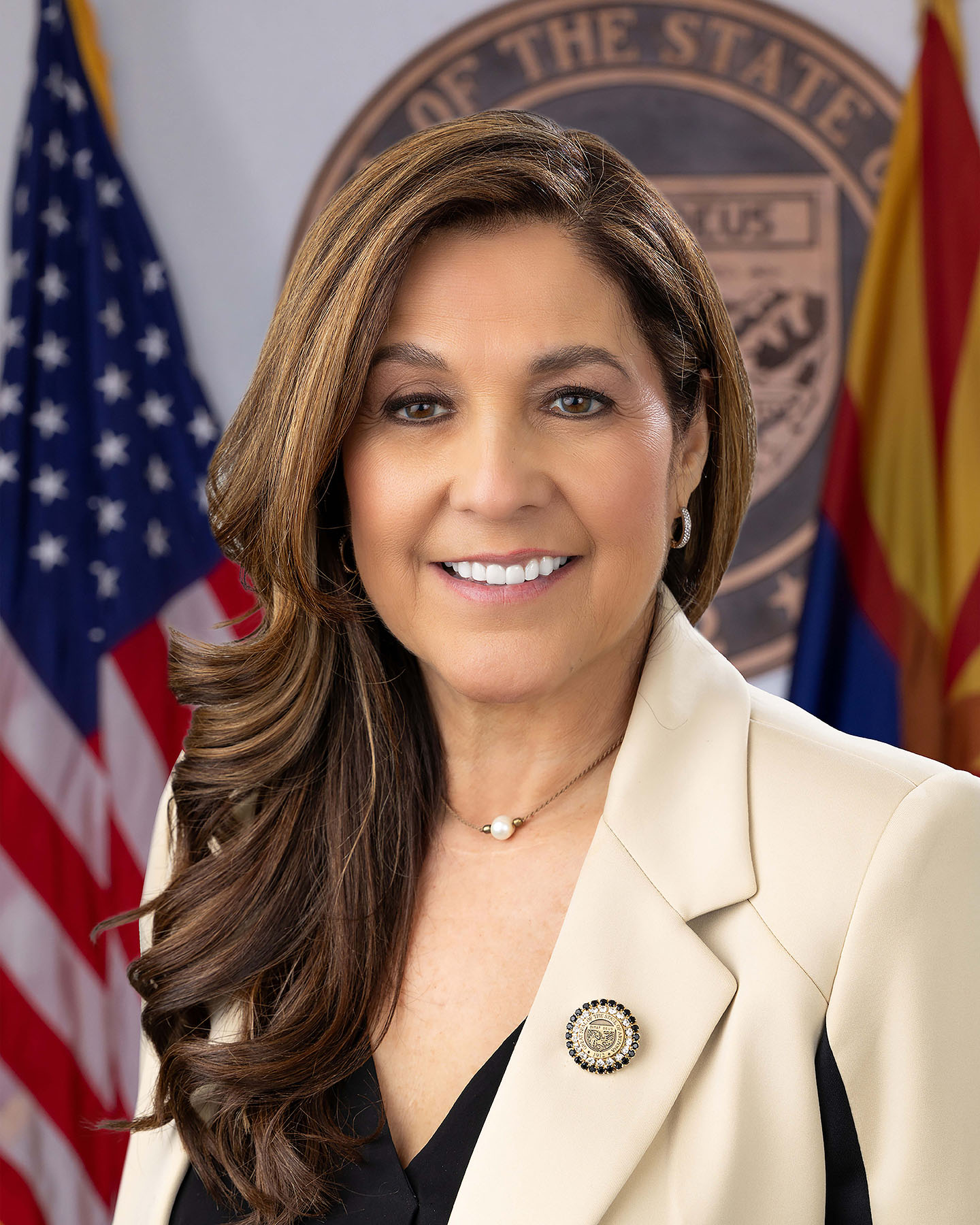
Catherine Miranda
19% support rate
Ranked legislators
10
5 support · 5 oppose
Key legislators

Who's moving technology in Arizona

Legislators moving technology in Arizona
Legislator Party Stance Support rate Votes
Kevin Payne
Kevin Payne Senate · District 27
R
Strong +
83% 148
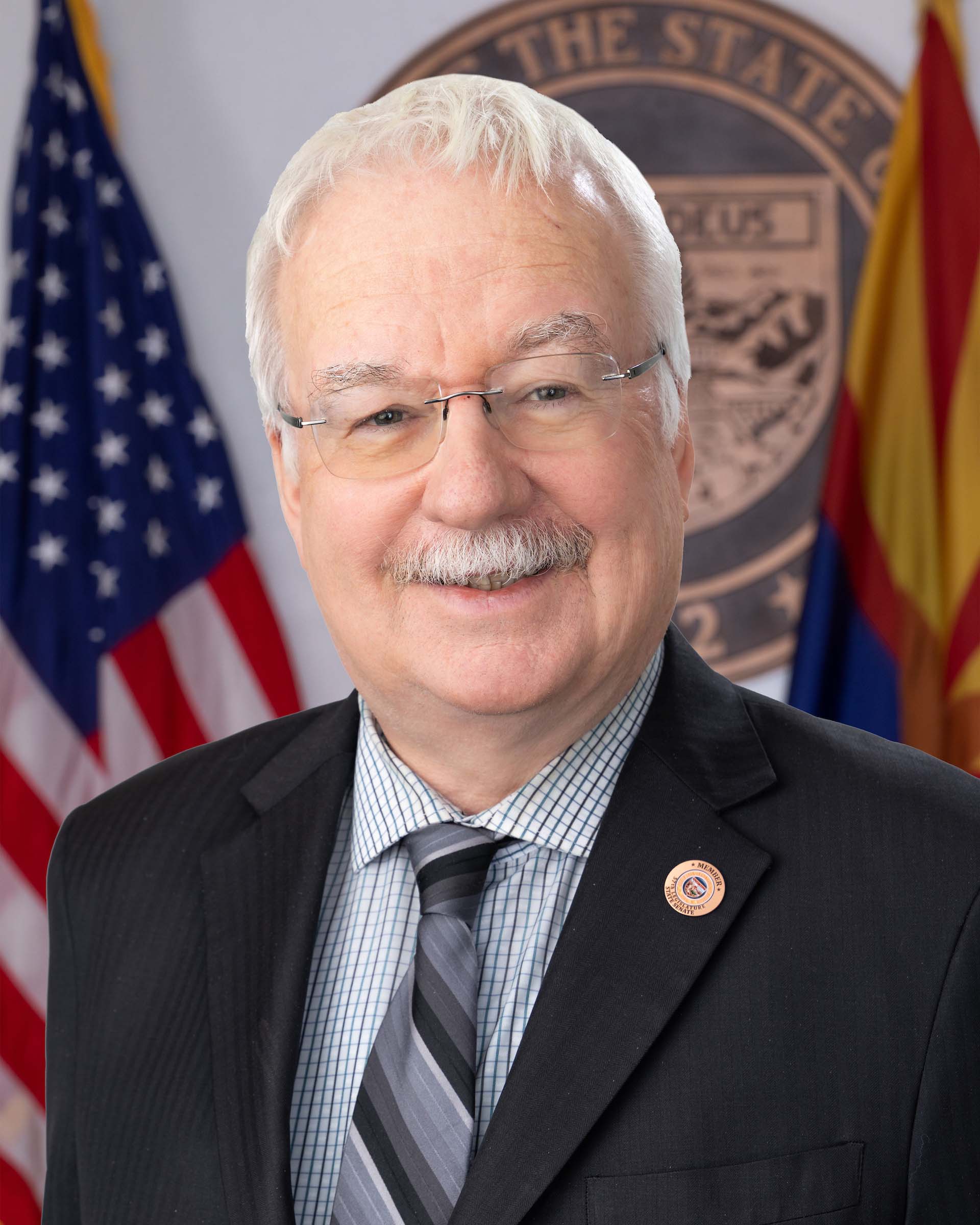
David Gowan
David Gowan Senate · District 19
R
Strong +
82% 159
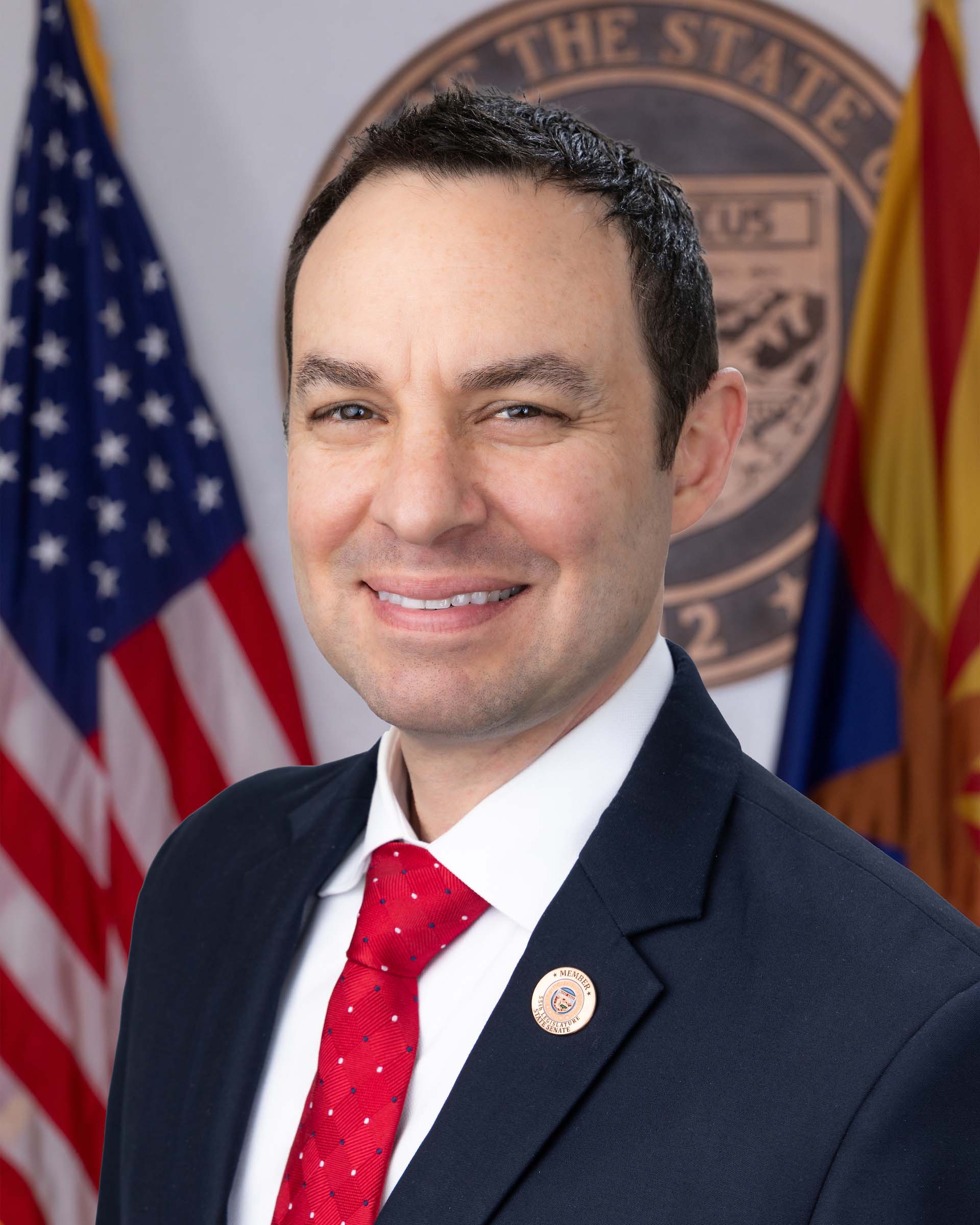
Tim Dunn
Tim Dunn Senate · District 25
R
Strong +
82% 159
J.D. Mesnard
J.D. Mesnard Senate · District 13
R
Strong +
82% 158
John Kavanagh
John Kavanagh Senate · District 3
R
Strong +
82% 158
Catherine Miranda
Catherine Miranda Senate · District 11
D
Strong −
19% 143
Eva Diaz
Eva Diaz Senate · District 22
D
Strong −
20% 120
Sally Gonzales
Sally Gonzales Senate · District 20
D
Oppose
21% 157
Mitzi Epstein
Mitzi Epstein Senate · District 12
D
Oppose
22% 150
Analise Ortiz
Analise Ortiz Senate · District 24
D
Oppose
24% 143
Showing 41–50 of 98 bills

All technology bills

vetoed · Arizona · House Jun 19, 2026

HB 2592: artificial intelligence; state agencies; rules

HB 2592 requires Arizona state agencies (referred to as "budget units") to adopt policies that promote the use of artificial intelligence (AI) while limiting new government restrictions on AI development. It directs agencies to identify AI opportunities that reduce administrative work, eliminate unnecessary AI regulations, streamline procurement, and review existing rules for anti-competitive effects. Crucially, the bill prohibits state agencies from creating new AI-specific regulations unless the legislature explicitly authorizes them and ensures such rules are the least restrictive option that clearly benefits the public without harming innovation or competition. Any existing emergency rules regulating AI must be ratified by both legislative chambers within the first 30 days of a session to remain in effect.
passed · Arizona · House Mar 31, 2026

HB 2202: appropriations; dementia care; telementoring program

HB 2202 appropriates $300,000 annually from 2026-2029 to fund a dementia care telementoring program for Arizona healthcare providers. The program, administered by the Department of Health Services, will provide virtual mentoring sessions focused on dementia detection, diagnosis, and care management, with priority for rural and underserved communities. Grant recipients must offer case-based sessions, continuing education credits, and report participation data. The program expires December 31, 2029, after which the funding will no longer be available.
signed · Arizona · House Jun 19, 2026

HB 2327: identifying information; records; confidentiality

HB 2327 allows eligible individuals facing safety risks to request that their personal identifying information - such as full name, residential address, and property details - be removed from publicly accessible county property records. It specifically applies to victims of harassment or domestic violence (with court-ordered protection), certain public officials (like peace officers), and others who can demonstrate a credible threat to their safety. To qualify, applicants must submit a detailed affidavit to the court, including proof of danger, and a judge must approve the request before county recorders restrict public access for up to five years. This bill directly affects individuals seeking to protect their privacy from potential harm, while maintaining public access to property records for others.
introduced · Arizona · House Jan 26, 2026

HB 2668: appropriation; broadband infrastructure

HB 2668 allocates $5 million from Arizona's state general fund for fiscal year 2026-2027 to fund broadband infrastructure projects. The bill directs the state treasurer to distribute these funds as grants to cities and towns with populations under 100,000. This provides direct financial support for local governments to expand high-speed internet access in smaller communities. The bill is currently in early legislative stages, having passed its first two House readings.
introduced · Arizona · House Jan 21, 2026

HB 2489: difference in pricing; prohibition; penalty

This Arizona bill prohibits businesses from charging different prices for goods or services based on personal data collected through tracking (like location, behavior, or device use). It allows exceptions for cost-based pricing, publicly available promotions (e.g., signing up for email lists), or discounts for groups like veterans or students when criteria are clearly disclosed. Violations could result in civil penalties of up to $3,500 per incident, enforced by the Attorney General. The law does not apply to credit products and invalidates arbitration agreements for enforcement actions.
passed · Arizona · House Feb 26, 2026

HB 2452: comprehensive plans; data centers; nuclear

HB 2452 requires counties in Arizona with over 125,000 residents to include specific land use designations for data centers and small modular reactors in their comprehensive plans. The bill mandates counties to identify sufficient land locations and extents for data center construction and operation, and for larger counties (over 200,000 residents) to designate land for small modular reactors. It also adds provisions for energy planning, including incentives for renewable energy use and policies to support efficient energy consumption. This bill directly affects county planning processes by requiring new land-use considerations for data centers and nuclear energy infrastructure within existing planning frameworks.
introduced · Arizona · Senate Feb 2, 2026

SB 1466: tax expenditures; credits; review schedule

SB 1466 amends Arizona Revised Statutes Section 42-2003 to clarify when the state tax department may disclose confidential taxpayer information. It specifies that information can be shared with taxpayers, their authorized representatives (such as corporate officers or partners), and certain government agencies like the attorney general or IRS under defined conditions. The bill requires written authorization for some disclosures and limits sharing to information necessary for tax administration. This change does not create new tax credits or alter tax rates but updates rules for handling sensitive taxpayer data.
vetoed · Arizona · House Jun 19, 2026

HB 2311: artificial intelligence service; disclosures; requirements

HB 2311 requires AI chat services (like conversational chatbots) to clearly disclose to minors they are interacting with artificial intelligence, using a visible warning at the start of each session and every three hours. It bans AI from generating sexual content for minors, pretending to be human (e.g., claiming sentience or romantic interest), or using unpredictable rewards to increase engagement. Service providers must offer privacy tools for minors under 13 and their parents, and implement suicide crisis response protocols. Violations could result in fines up to $500,000 per company, enforced by Arizona’s Attorney General. The law takes effect in 2027.
introduced · Arizona · Senate Jun 12, 2026

SB 1276: technical correction; privacy policies; agencies

SB 1276 requires Arizona state agencies operating websites that collect online information to publish clear privacy policies. These policies must disclose seven specific details: the services offered, types of information collected, user choices for transactions, how information is used, disclosure practices with other entities, whether third parties collect data through the site, and general security measures. The bill directly affects all state agencies with public-facing websites that gather user data online. It mandates transparency about data practices but does not create new restrictions on how agencies handle information.
Tags Privacy
signed · Arizona · House Jun 22, 2026

HB 2700: technology study committee; assistive technology

HB 2700 establishes Arizona's "Technology First Study Committee" to examine assistive technology access for individuals with developmental disabilities. The committee, composed of 12 members from disability advocacy groups, state agencies, universities, and technology programs, will study emerging assistive technologies, analyze current service gaps, and identify improvements to better serve this population. It must submit a final report to state leaders by October 1, 2027, detailing findings and recommendations. The committee is scheduled to cease operations after this report deadline. This bill directly affects Arizonans with developmental disabilities by aiming to improve their access to technology-based support services.
Tags People with Disabilities
Showing 41 to 50 of 98 bills
Previous 1 4 5 6 10 Next