Issue · Technology

Technology

Every technology bill, vote, and legislator stance in Arizona, automatically classified by Maddy, our AI policy reader.

Total bills
98
57th Legislature - Second Regular Session
Top supporter
Kevin Payne
83% support rate
Top opponent
Catherine Miranda
19% support rate
Ranked legislators
10
5 support · 5 oppose
Key legislators

Who's moving technology in Arizona

Legislators moving technology in Arizona
Legislator Party Stance Support rate Votes
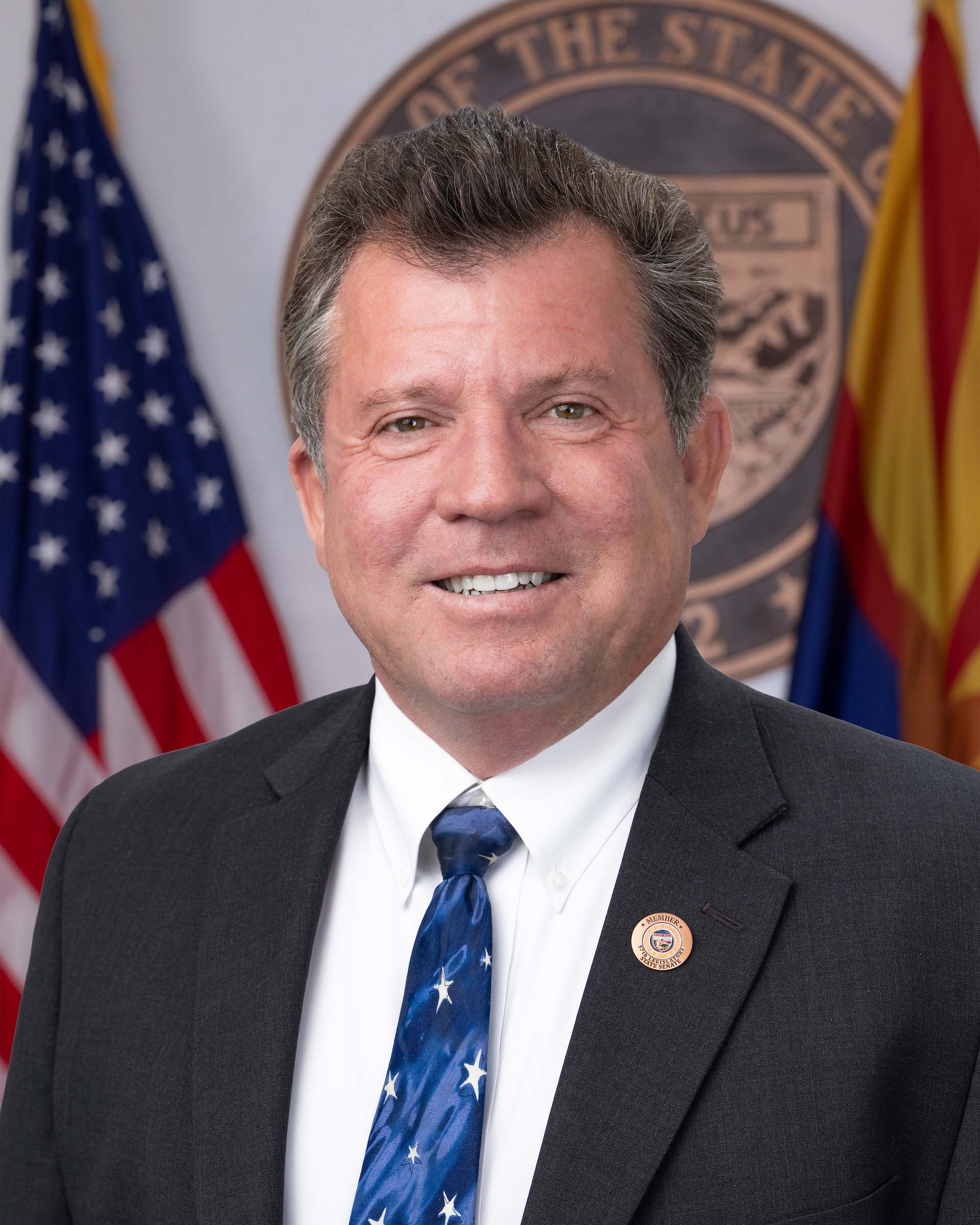
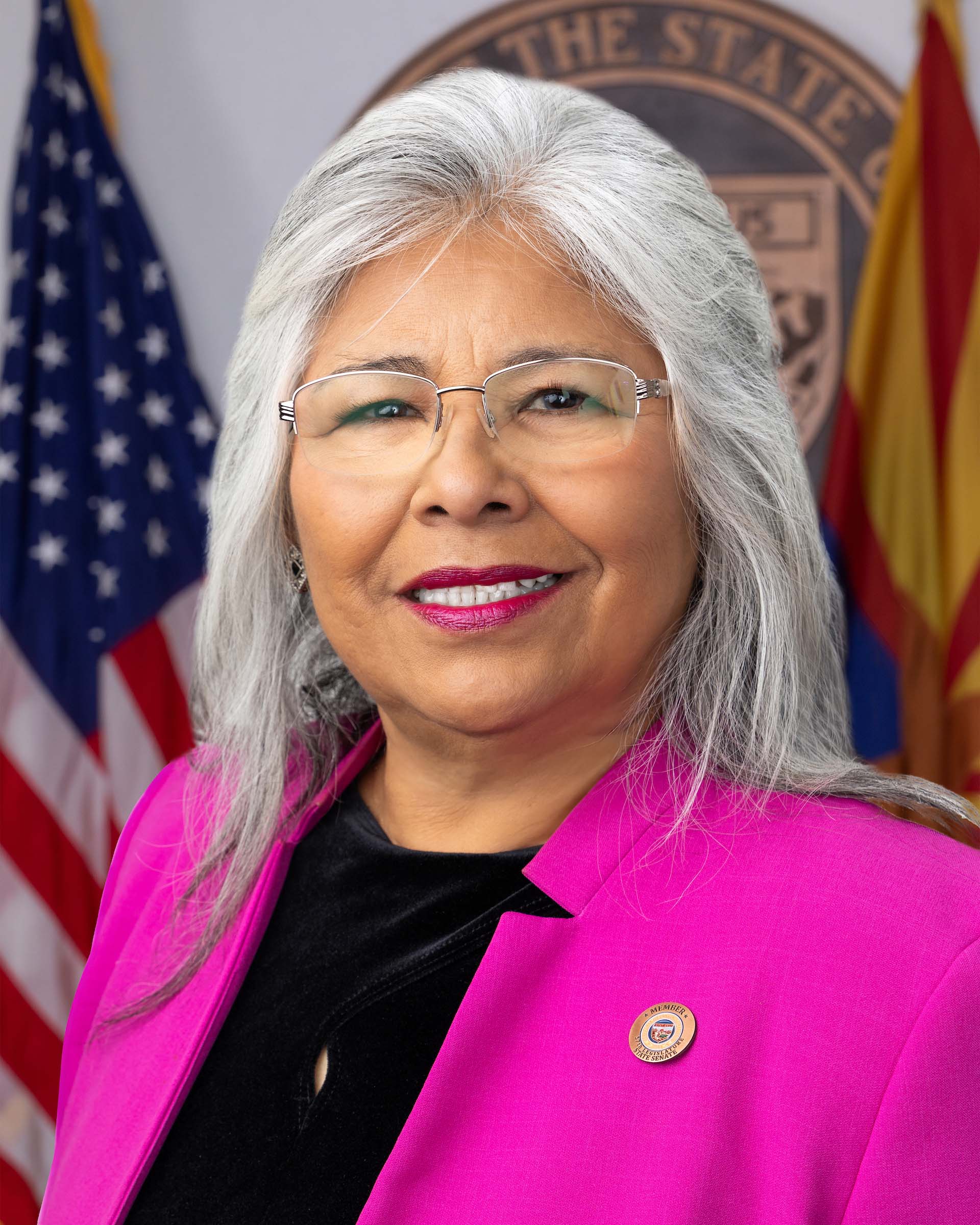
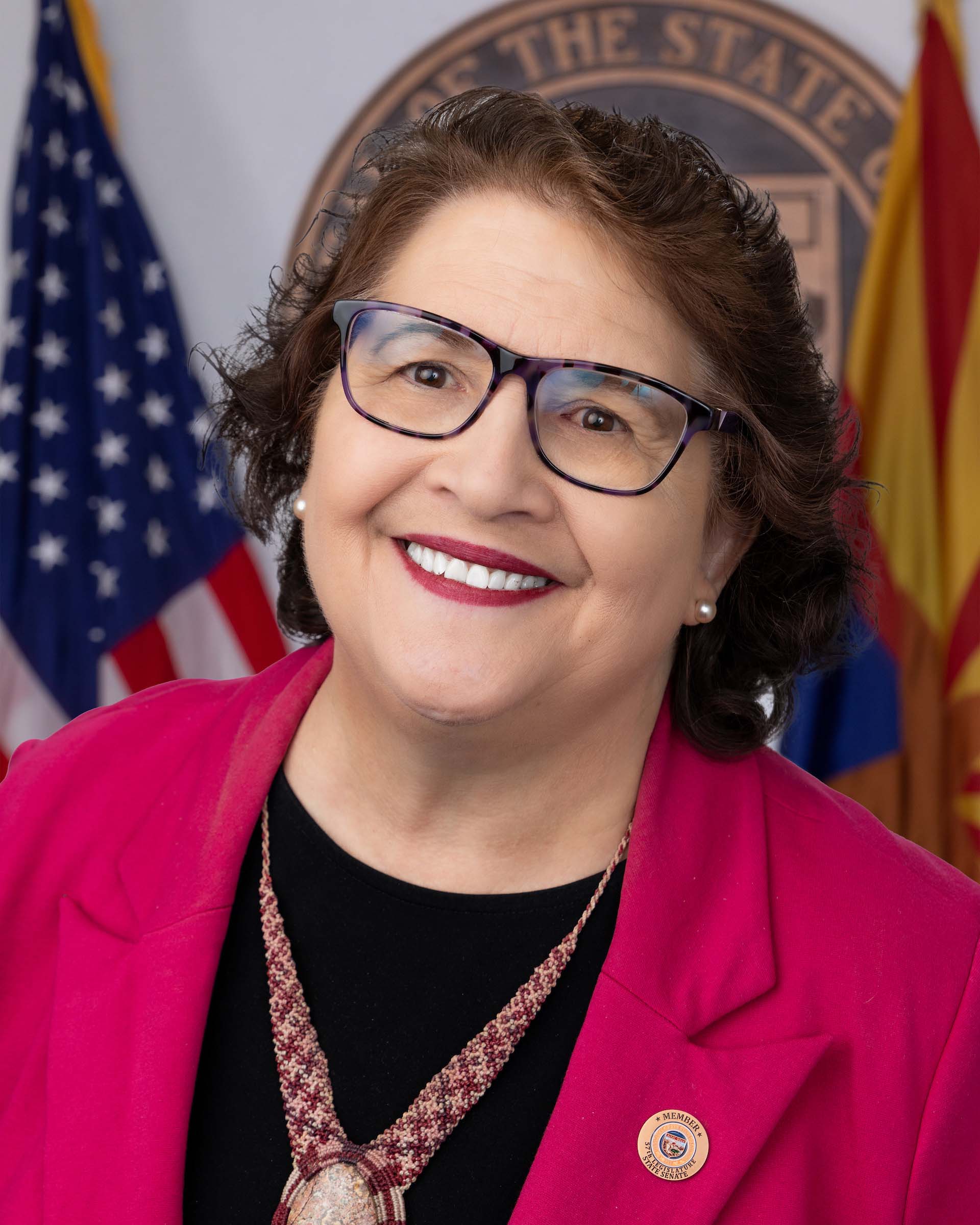
Kevin Payne
Kevin Payne Senate · District 27
R
Strong +
83% 148
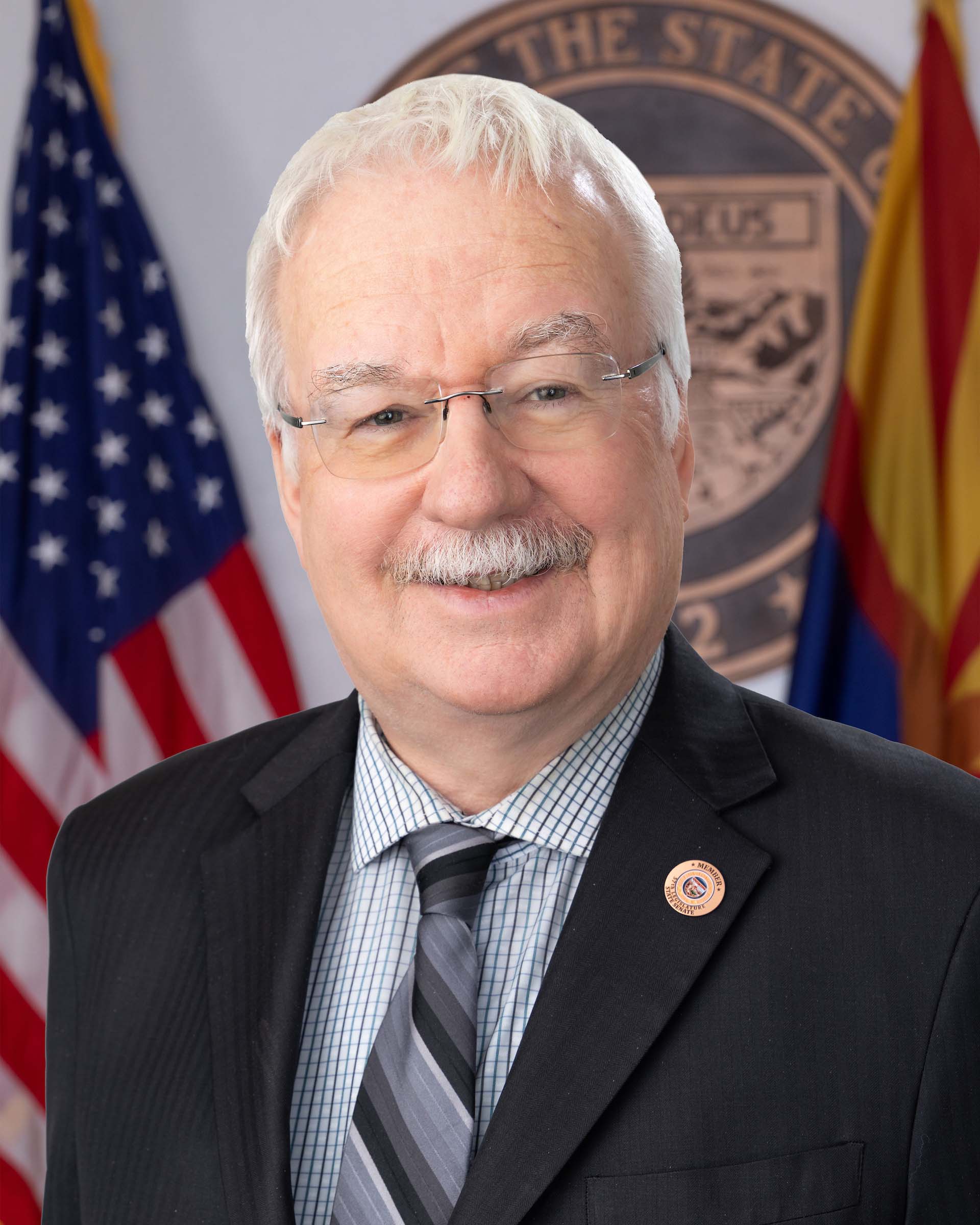
David Gowan
David Gowan Senate · District 19
R
Strong +
82% 159
Tim Dunn
Tim Dunn Senate · District 25
R
Strong +
82% 159
J.D. Mesnard
J.D. Mesnard Senate · District 13
R
Strong +
82% 158
John Kavanagh
John Kavanagh Senate · District 3
R
Strong +
82% 158
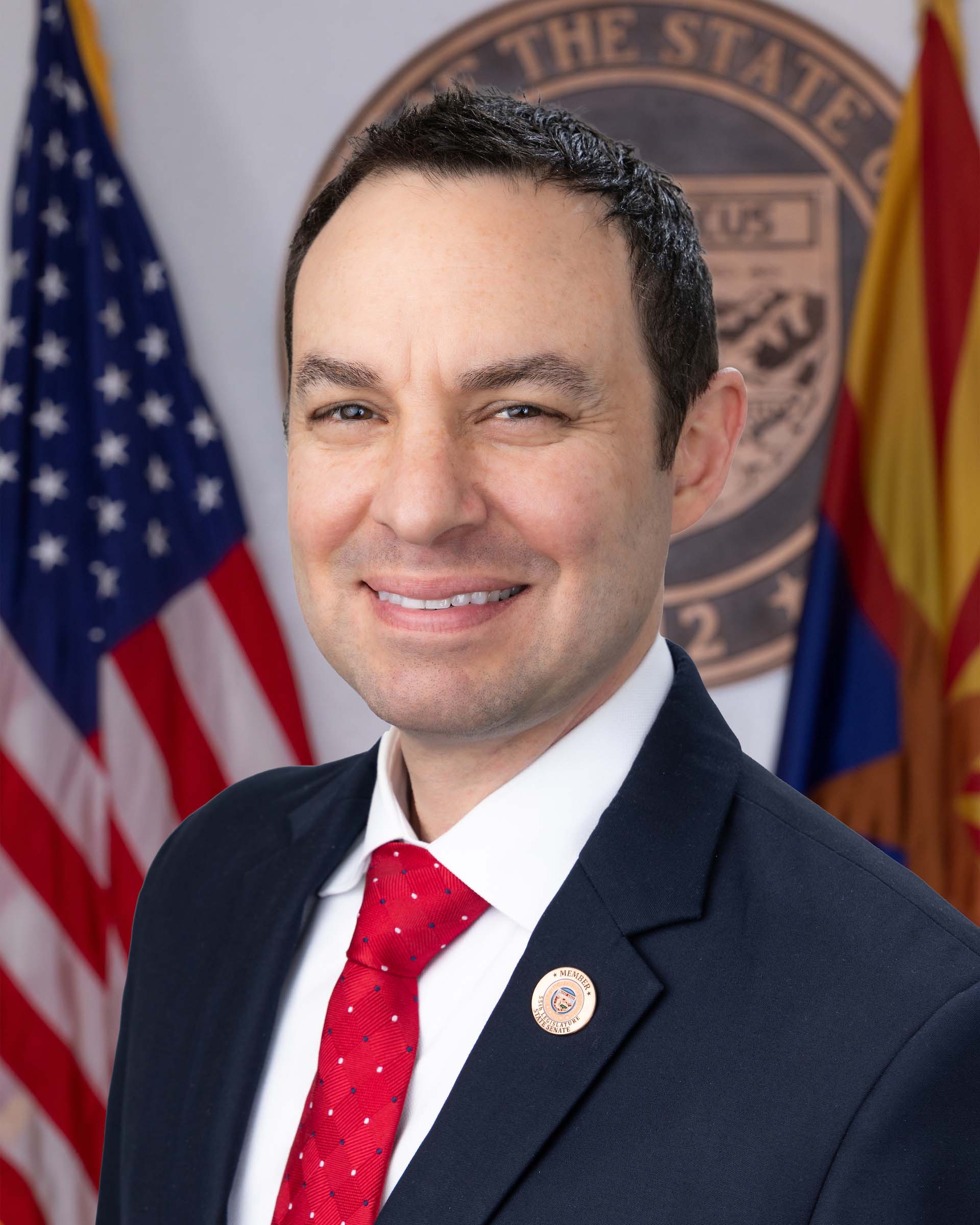
Catherine Miranda
Catherine Miranda Senate · District 11
D
Strong −
19% 143
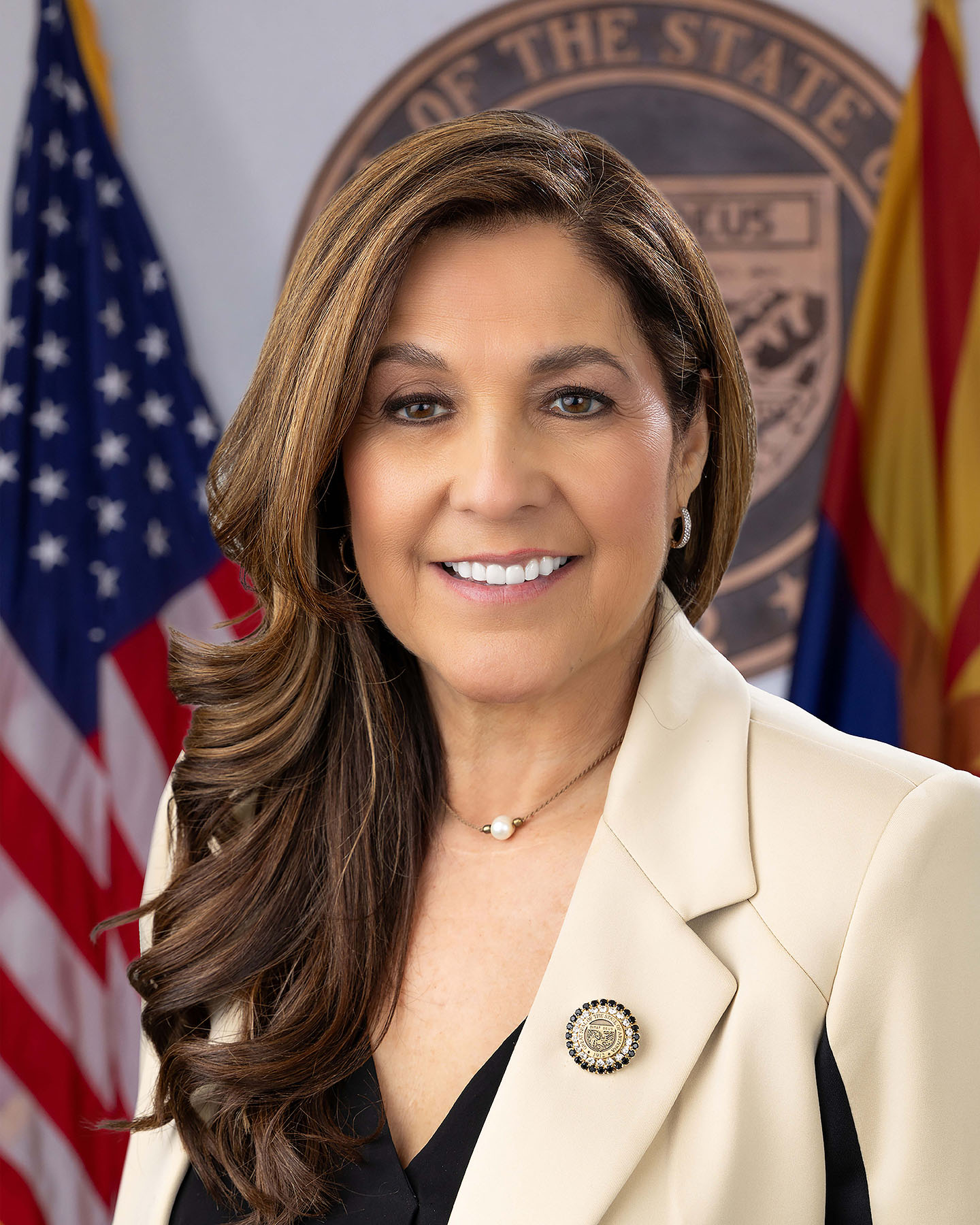
Eva Diaz
Eva Diaz Senate · District 22
D
Strong −
20% 120
Sally Gonzales
Sally Gonzales Senate · District 20
D
Oppose
21% 157
Mitzi Epstein
Mitzi Epstein Senate · District 12
D
Oppose
22% 150
Analise Ortiz
Analise Ortiz Senate · District 24
D
Oppose
24% 143
Showing 61–70 of 98 bills

All technology bills

introduced · Arizona · House Jan 20, 2026

HB 2232: DIFI; cryptocurrency kiosk operator; license

HB 2232 requires cryptocurrency kiosk operators in Arizona to obtain a state license by January 1, 2027, with strict requirements including criminal background checks, financial audits, and verification of ownership. Operators must implement mandatory identity checks (government ID, facial capture, two-factor authentication), display scam warnings in English and Spanish, and record all transactions via video, audio, and GPS logs. The bill prohibits anonymous transactions, limits daily customer transactions to $2,000, and mandates reporting of suspicious activity within 15 minutes. Violations can trigger civil fines up to $100,000 per incident or felony charges for serious breaches like failing to report fraud, with penalties funding a new Digital Asset Oversight Fund.
Sub-Topics Emerging Technology
introduced · Arizona · House Jan 21, 2026

HB 2878: licenses; tax number; consular cards.

HB 2878 clarifies definitions related to Arizona driver licenses and personal information in state law. It defines key terms like "consular identification card" (a foreign-issued ID meeting specific standards), "highly restricted personal information" (including social security numbers, medical details, and consular card numbers), and "opt in" (explicit consent for releasing personal data). The bill primarily affects the Arizona Department of Transportation, which uses these definitions to manage driver records and personal information handling. It does not change license eligibility rules but provides clearer terminology for existing processes, ensuring consistent application of privacy and data-sharing procedures.
Sub-Topics Data Privacy
passed · Arizona · House Mar 17, 2026

HB 2914: electronic monitoring; health care facilities

This bill gives residents in Arizona nursing care institutions and assisted living facilities (where care is partially or fully paid with public funds) the right to install electronic monitoring devices in their rooms for audio or video recording. Residents or their authorized representatives must submit a written notice and consent form to the facility before installation, detailing device type, recording preferences, and specific privacy settings. The form must specify when monitoring should be paused (e.g., during bathing, medical exams, or visits with family/attorneys) and who can access recordings. These requirements ensure residents can customize monitoring while maintaining facility operations.
Sub-Topics Long-Term Care
introduced · Arizona · House Jan 21, 2026

HB 2299: price tags; unfair pricing; penalties

HB 2299 requires Arizona businesses to include all mandatory fees in advertised prices and clearly explain refund processes on receipts. It prohibits digital shelf labels (like remote-updating price tags) and limits price increases to 10% during a governor-declared state of emergency. Businesses violating these rules face civil penalties up to $5,000, with the Attorney General empowered to enforce compliance. The law directly affects retailers and service providers selling goods or services in Arizona, focusing on transparent pricing and preventing sudden cost hikes during emergencies.
introduced · Arizona · House Jan 22, 2026

HB 2467: data centers; incentives repeal; requirements

HB 2467 repeals Arizona's tax incentive program for data centers (Section 41-1519) and amends tax disclosure law to allow the Arizona Commerce Authority to access taxpayer information for certifying data centers for tax relief under the repealed program. This bill directly ends eligibility for data center tax incentives for businesses and expands the Commerce Authority's access to confidential tax data for certification purposes. The key mechanism is the repeal of the incentive section combined with a new disclosure provision (added to Section 42-2003) specifying the Commerce Authority's role in data center certification. The bill affects data center operators who previously qualified for tax relief and the Commerce Authority's administrative processes.
Sub-Topics Tax Incentives
introduced · Arizona · House Jan 22, 2026

HB 2738: cost responsibility agreements; data centers

HB 2738 provides tax relief to owners and operators of computer data centers in Arizona that meet specific investment requirements, with qualified colocation tenants also eligible for the benefit. To qualify, data centers must apply for certification, submit a cost responsibility agreement (requiring them to pay for utility infrastructure upgrades), and meet either a $25 million investment threshold (in counties under 800,000 people) or $50 million (in larger counties) within five years of certification. Failure to meet these thresholds results in revoked certification and potential recapture of tax relief, with new applications no longer accepted after December 31, 2033.
passed · Arizona · House Apr 15, 2026

HB 2805: electronic signatures; nomination petitions

HB 2805 creates a secure online portal for collecting signatures on nomination petitions for candidates running for local district offices in Arizona, including school districts, community colleges, hospital districts, and water conservation districts. It requires the secretary of state to provide this system with identity verification, allowing qualified electors to sign petitions electronically and enabling candidates to collect all signatures online. The bill mandates equal access to this system for all candidates (regardless of political party, affiliation, or nomination method) and prohibits discrimination or disparate treatment based on those factors. This policy change modernizes the petition process for local elections while ensuring consistent application across all candidates for these specific offices.
Sub-Topics Digital Government
passed · Arizona · Senate Mar 30, 2026

SB 1432: central bank digital currency; ban

Arizona's SB 1432 prohibits the use of federally issued central bank digital currency (CBDC) as legal tender within the state. It bans CBDC for all contracts, payments, and transactions, including escrow disbursements and distributed ledger technology transfers. The bill amends definitions to explicitly exclude federal digital currency from "legal tender" and requires all transactions to use traditional money or dollar-backed digital assets. This applies to all businesses, individuals, and contracts conducted within Arizona.
signed · Arizona · Senate Apr 9, 2026

SB 1126: DCS caseworkers; schools; required disclosures

SB 1126 requires Arizona school districts to share student school records with specific entities under defined circumstances. Schools must provide juvenile court records before a juvenile is adjudicated, release records to the Department of Child Safety (DCS) caseworkers investigating abuse/neglect within 10 days, and share records with law enforcement via approved intergovernmental agreements for juvenile justice programs. The bill mandates strict compliance with federal privacy laws (FERPA) when sharing records and prohibits schools from blocking staff from cooperating with DCS investigations. This directly affects school districts, juvenile courts, DCS caseworkers, and law enforcement agencies coordinating on youth safety and education.
vetoed · Arizona · House Apr 7, 2026

HB 2903: social credit; use; prohibition

HB 2903 prohibits Arizona state agencies from requiring banks or financial institutions to use social credit scores when evaluating loan applications. The bill directly affects lenders operating in Arizona by preventing state mandates that would compel them to consider these scores. Its key provision, added to Arizona law, explicitly states the state cannot require such use during lending decisions. This is a straightforward policy change limiting state influence on financial institutions' evaluation methods.
Showing 61 to 70 of 98 bills
Previous 1 6 7 8 10 Next