Issue · Criminal Justice

Criminal Justice

Every criminal justice bill, vote, and legislator stance in Washington, automatically classified by Maddy, our AI policy reader.

Total bills
366
2025-2026 Regular Session
Top supporter
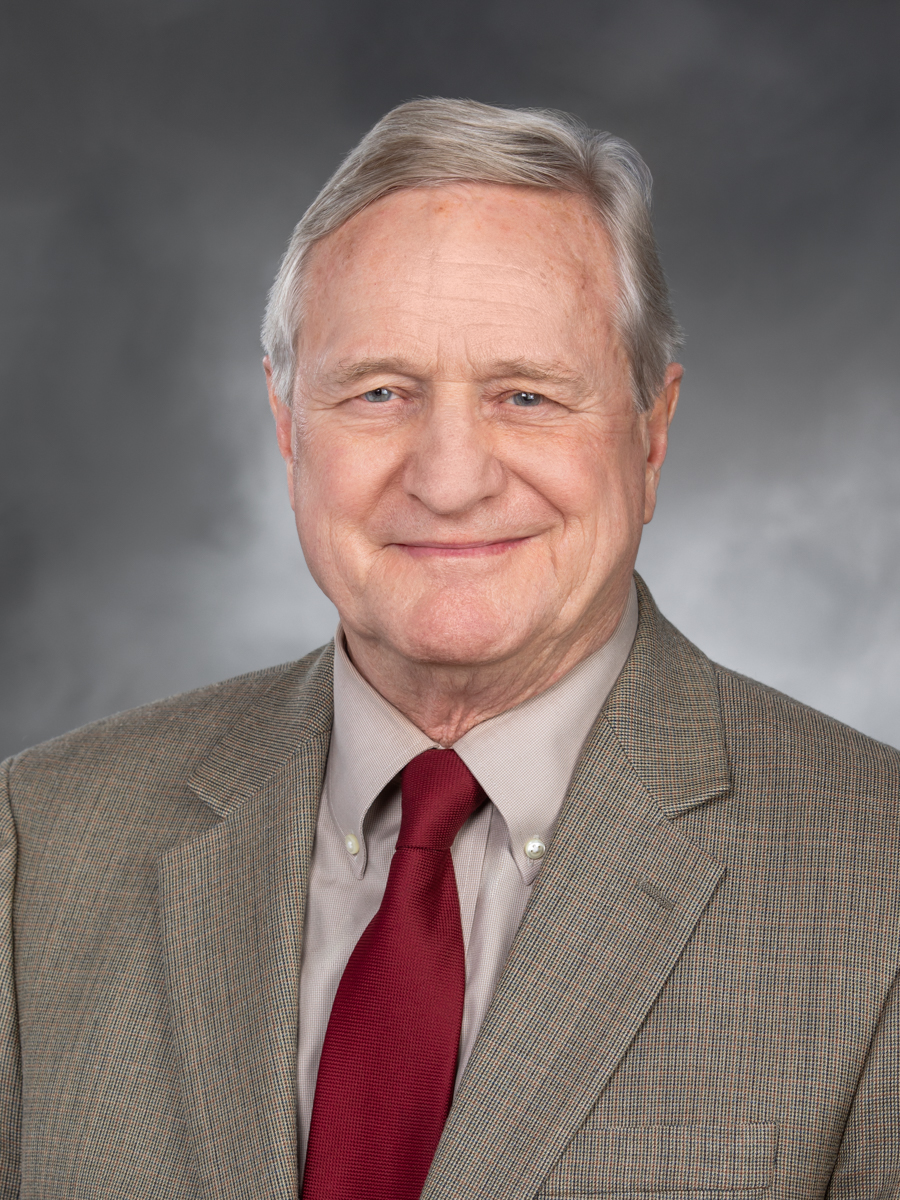
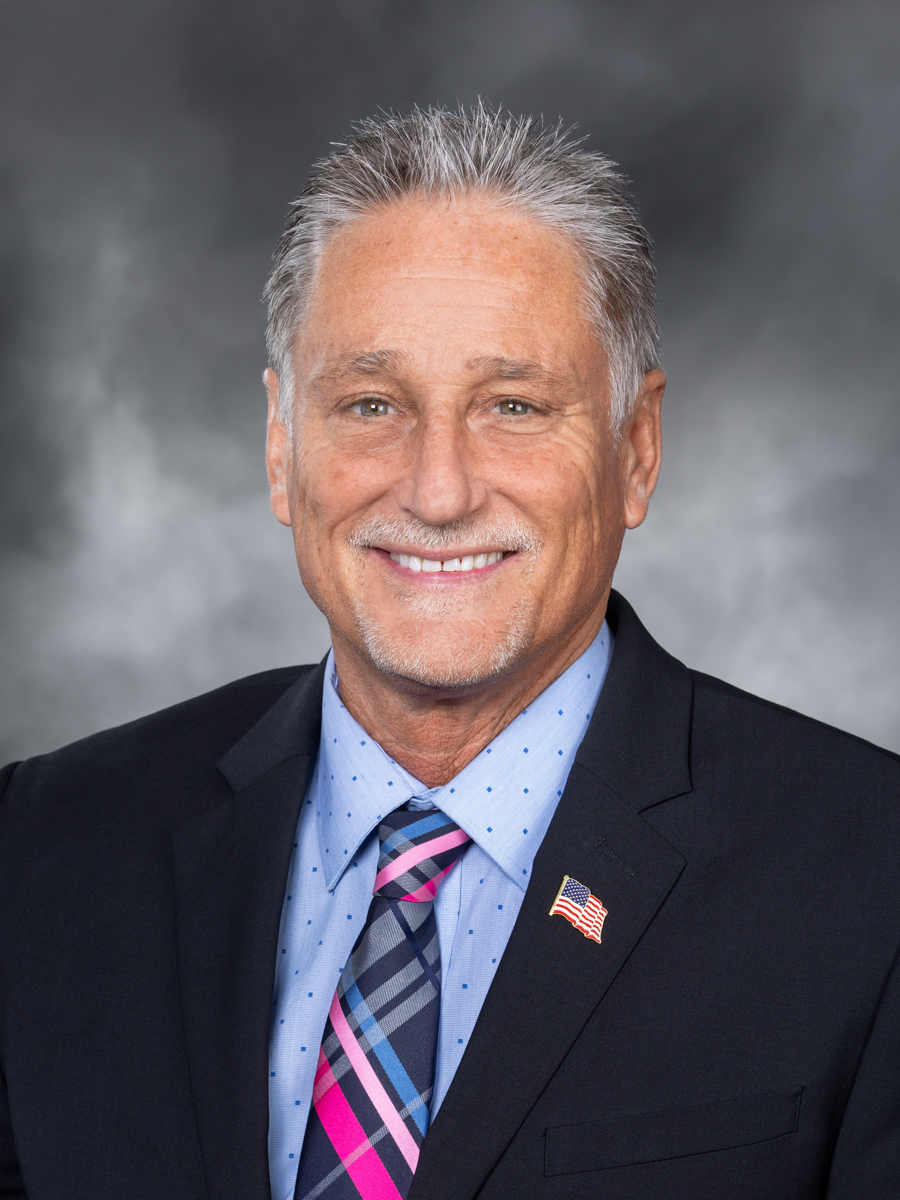
Steve Tharinger
91% support rate
Top opponent
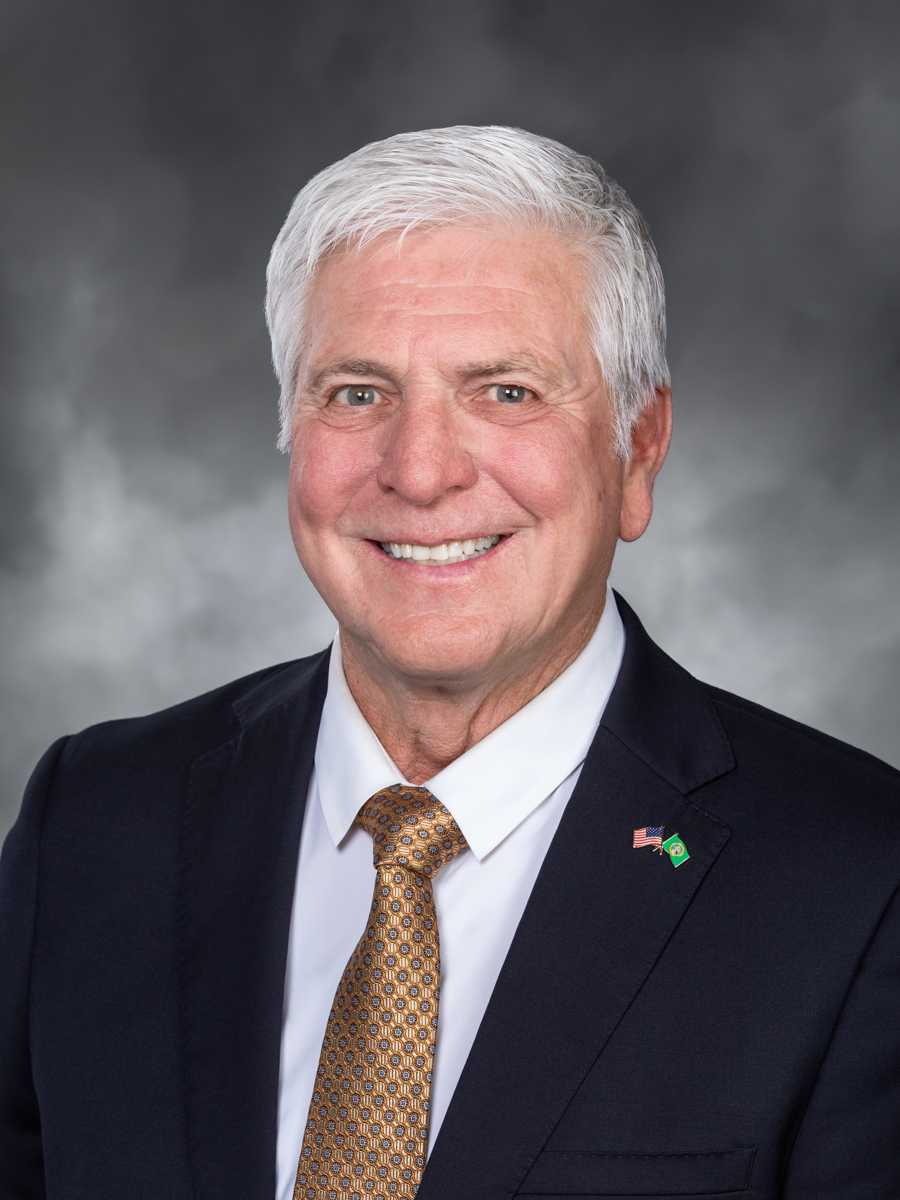
Jim McCune
16% support rate
Ranked legislators
10
5 support · 5 oppose
Key legislators

Who's moving criminal justice in Washington

Legislators moving criminal justice in Washington
Legislator Party Stance Support rate Votes
Steve Tharinger
Steve Tharinger House · District 24
D
Strong +
91% 99
Tina Orwall
Tina Orwall Senate · District 33
D
Strong +
90% 124
Annette Cleveland
Annette Cleveland Senate · District 49
D
Strong +
88% 125
Jess Bateman
Jess Bateman Senate · District 22
D
Strong +
88% 125
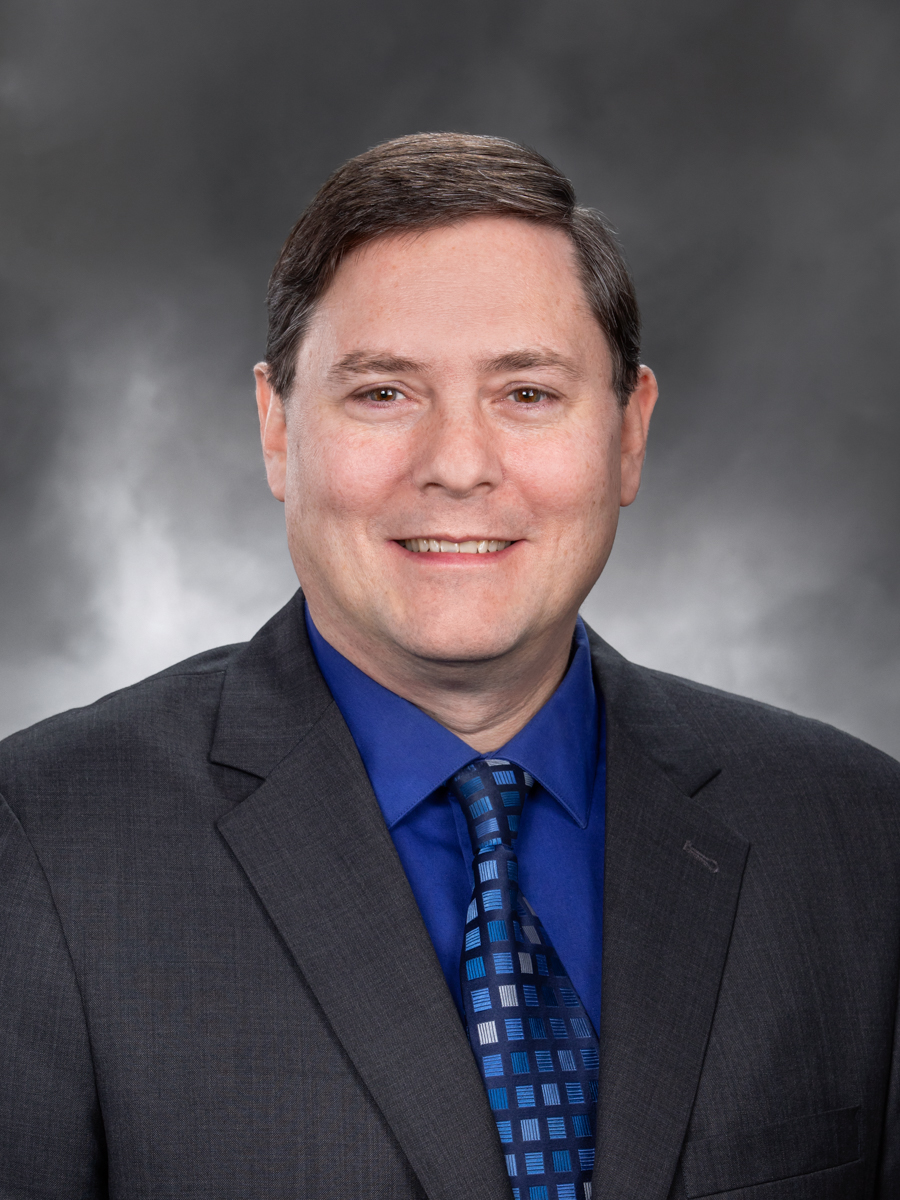
Derek Stanford
Derek Stanford Senate · District 1
D
Strong +
88% 125
Jim McCune
Jim McCune Senate · District 2
R
Strong −
16% 125
Perry Dozier
Perry Dozier Senate · District 16
R
Strong −
17% 125
Leonard Christian
Leonard Christian Senate · District 4
R
Strong −
17% 125
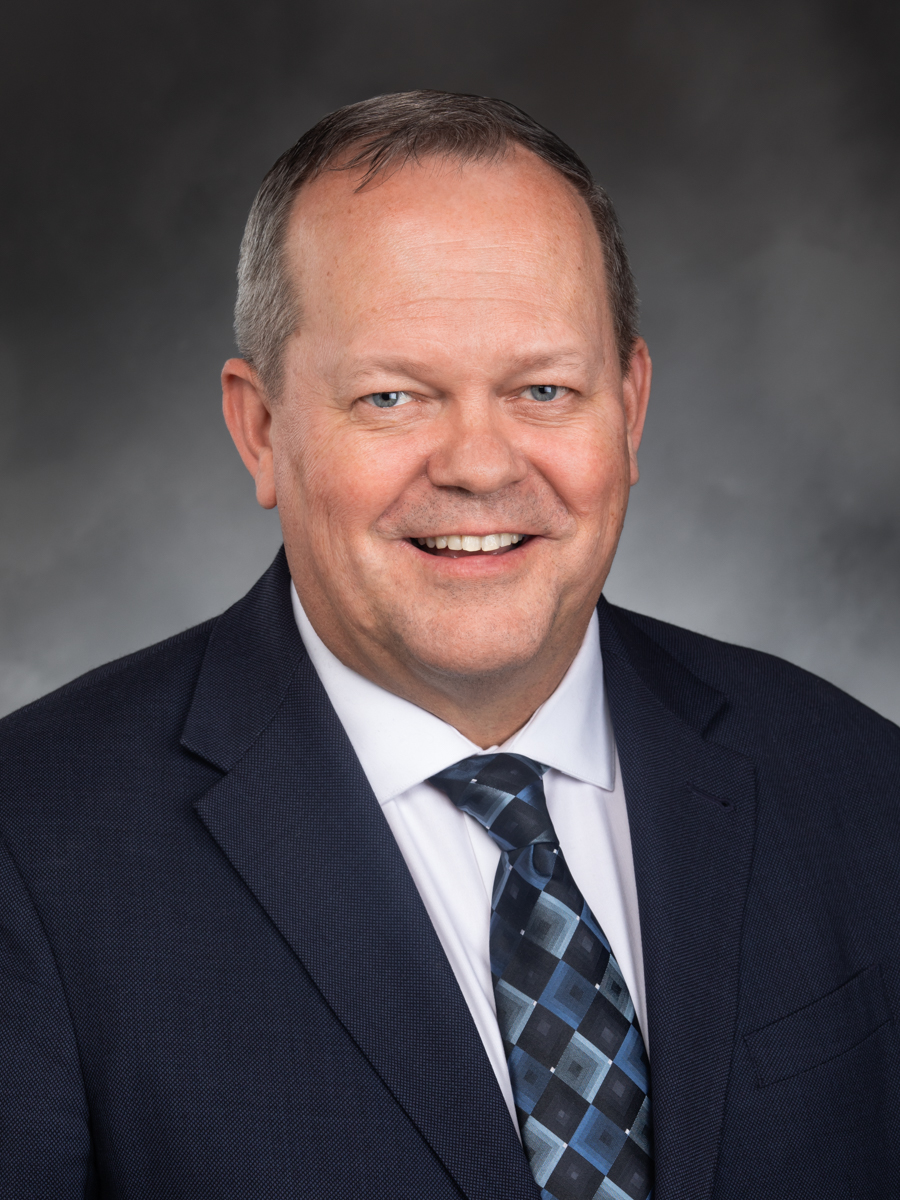
Matt Boehnke
Matt Boehnke Senate · District 8
R
Strong −
17% 125
Jeff Wilson
Jeff Wilson Senate · District 19
R
Strong −
18% 121
Showing 291–300 of 366 bills

All criminal justice bills

in committee · Washington · Senate Jan 12, 2026

SB 5150: Concerning juvenile access to an attorney.

SB 5150 requires law enforcement in Washington to provide juveniles (under age 18) access to an attorney before they waive constitutional rights during police questioning, detention based on probable cause, or consent requests for searches. It mandates that this consultation cannot be waived and makes statements obtained without it inadmissible in court, unless specific exceptions apply (like suspected trafficking victims or imminent life threats). The bill also clarifies that juveniles can assert rights through their attorney, and any waiver must follow strict procedures. This directly affects juveniles involved with law enforcement and all Washington law enforcement officers, including school resource officers.
in committee · Washington · Senate Jan 12, 2026

SB 5549: Expanding protections for applicants and employees under the Washington fair chance act.

SB 5549 expands Washington state's Fair Chance Act by requiring employers to wait until after initially determining a job applicant is qualified before asking about criminal records or conducting background checks. It prohibits automatic exclusions based on criminal history and mandates that employers provide applicants with a 2-day window to explain their record or provide rehabilitation evidence before taking adverse actions like rejection or termination. The bill also requires employers to document specific factors they consider - such as the seriousness of the offense, time since conviction, and evidence of rehabilitation - when deciding to act on an adult conviction record. This directly affects job applicants with criminal records and all Washington employers (including businesses, contractors, and staffing agencies) covered under the existing Fair Chance Act.
in committee · Washington · House Jan 12, 2026

HB 1891: Concerning the establishment of liability standards for criminal defense counsel.

HB 1891 allows victims injured by individuals released before trial - due to their criminal defense counsel's advocacy - to sue that counsel if the attorney failed to adequately assess public safety risks. The bill requires defense attorneys to conduct written risk assessments evaluating the client's violent history, potential victims, and alternatives to custody before seeking release. It removes legal immunity for defense counsel in such cases, making them personally liable for damages if they recklessly ignored public harm risks, while government entities generally cover defense costs unless the attorney acted intentionally or recklessly. The law applies only to cases arising after its effective date and gives victims a three-year window to file claims.
Sub-Topics Victims' Rights
in committee · Washington · Senate Feb 26, 2026

SB 5227: Concerning offenses involving child sex dolls.

Washington's SB 5227 criminalizes the sale, distribution, manufacturing, and possession of "child sex dolls" - anatomically correct objects designed to resemble minors for sexual use. It classifies trafficking, manufacturing, or sending such dolls into the state as a class B felony, while simple possession is a gross misdemeanor on first offense (escalating to a class C felony with prior convictions). The bill also requires a $1,000 fee per conviction for violations, collected into a child rescue fund. These provisions directly affect individuals involved in creating, selling, or possessing these dolls, with penalties based on the number of dolls involved.
in committee · Washington · House Jan 12, 2026

HB 1247: Concerning placement of individuals in juvenile rehabilitation institutions.

HB 1247 limits the placement of individuals convicted as adults for crimes committed before age 18 in juvenile rehabilitation facilities to those under age 21. It requires that if an individual’s earned release date is before their 21st birthday, they must be transferred to the Department of Children, Youth, and Families (DCYF) until age 21 or sentence completion, rather than remaining in adult corrections. The bill mandates DCYF to review placements for those over 21 in juvenile facilities before age 23 and ensures they receive the same treatment as other juvenile offenders. It also specifies housing requirements, requiring separation from adult inmates until age 18 (with possible extensions to age 21 under certain conditions) and defines eligibility for community transition services after 60% of sentence served.
Sub-Topics Juvenile Justice
in committee · Washington · House Jan 12, 2026

HB 1536: Concerning offenses involving unlawful possession of a firearm by a juvenile.

HB 1536 revises Washington state law to address juvenile firearm possession by clarifying when a minor is charged with a felony. It classifies unlawful firearm possession as a class B felony if a juvenile has prior adjudication for serious offenses (like violent crimes or domestic violence), and a class C felony for other cases. The bill specifically targets juveniles under 18 who possess firearms without prior court findings of serious misconduct, while allowing exceptions for rehabilitated individuals or pardoned cases. This law directly affects minors with prior court involvement in certain offenses, aiming to provide accountability through criminal penalties rather than behavioral interventions.
in committee · Washington · House Jan 12, 2026

HB 1890: Concerning the establishment of liability standards for prosecutors.

HB 1890 creates a legal right for individuals injured by someone released from custody after a prosecutor declined to file reasonable charges for a violent offense. It directly affects victims of such injuries and prosecutors who make charging decisions. The bill requires prosecutors to conduct a written risk assessment analyzing evidence, criminal history, and potential harm before declining charges, and removes prosecutorial immunity for failures in this duty. If a court finds a prosecutor intentionally or recklessly disregarded public harm risks, they face personal liability for legal costs and damages, rather than the state covering expenses. The law applies only to cases arising after its effective date and sets a three-year statute of limitations for lawsuits.
Sub-Topics Courts Victims' Rights
in committee · Washington · House Jan 12, 2026

HB 1086: Concerning motor vehicle chop shops.

HB 1086 makes it a crime to operate or aid in operating a chop shop (where stolen vehicles are dismantled or disguised for resale). It establishes new penalties: a class B felony for a first offense (up to 10 years in prison) and a class A felony for repeat offenses (up to 10 years for a second offense). The law requires convicted individuals to pay restitution to vehicle owners or insurers for financial losses, environmental cleanup costs, and other related expenses. It also allows law enforcement to seize and forfeit vehicles, tools, or equipment used in chop shop operations, while excluding licensed wreckers who unknowingly process stolen vehicles in good faith.
signed · Washington · House May 13, 2025

HB 1829: Concerning tribal warrants.

House Bill 1829 establishes a formal process for Washington state courts and law enforcement to recognize and act upon arrest warrants issued by federally recognized tribal courts. It allows tribal courts to file their warrants with county superior courts. If a state superior court reviews the tribal warrant and finds probable cause for a crime, it must issue a corresponding state arrest warrant. The bill also grants federally recognized tribes standing in state court hearings concerning the legality of extradition and updates various legal definitions to include tribal legal processes. This legislation aims to facilitate cooperation between tribal and state justice systems regarding individuals subject to tribal warrants.
Sub-Topics Courts Law Enforcement Tags Tribal Nations
in committee · Washington · Senate Jan 12, 2026

SB 5260: Concerning emergency measures for managing juvenile populations at state juvenile correctional institutions.

SB 5260, the Youth Rehabilitation Pathways Act, allows youth aged 18 and older in Washington state juvenile correctional facilities (operated by the Department of Children, Youth, and Families) to request transfer to the adult correctional system (Department of Corrections). The bill requires facilities to provide a transfer form, grant a 3-day reconsideration period, and complete transfers within 10 days. It removes standard court hearings for these transfers and limits transfers to the original juvenile court’s maximum confinement term. The law directly affects older youth in juvenile facilities, aiming to address overcrowding and provide access to adult correctional programs.
Showing 291 to 300 of 366 bills
Previous 1 29 30 31 37 Next