Issue · Criminal Justice

Criminal Justice

Every criminal justice bill, vote, and legislator stance in Utah, automatically classified by Maddy, our AI policy reader.

Total bills
110
2026 General Session
Top supporter
Lincoln Fillmore
92% support rate
Top opponent
Leah Hansen
9% support rate
Ranked legislators
10
5 support · 5 oppose
Key legislators

Who's moving criminal justice in Utah

Legislators moving criminal justice in Utah
Legislator Party Stance Support rate Votes
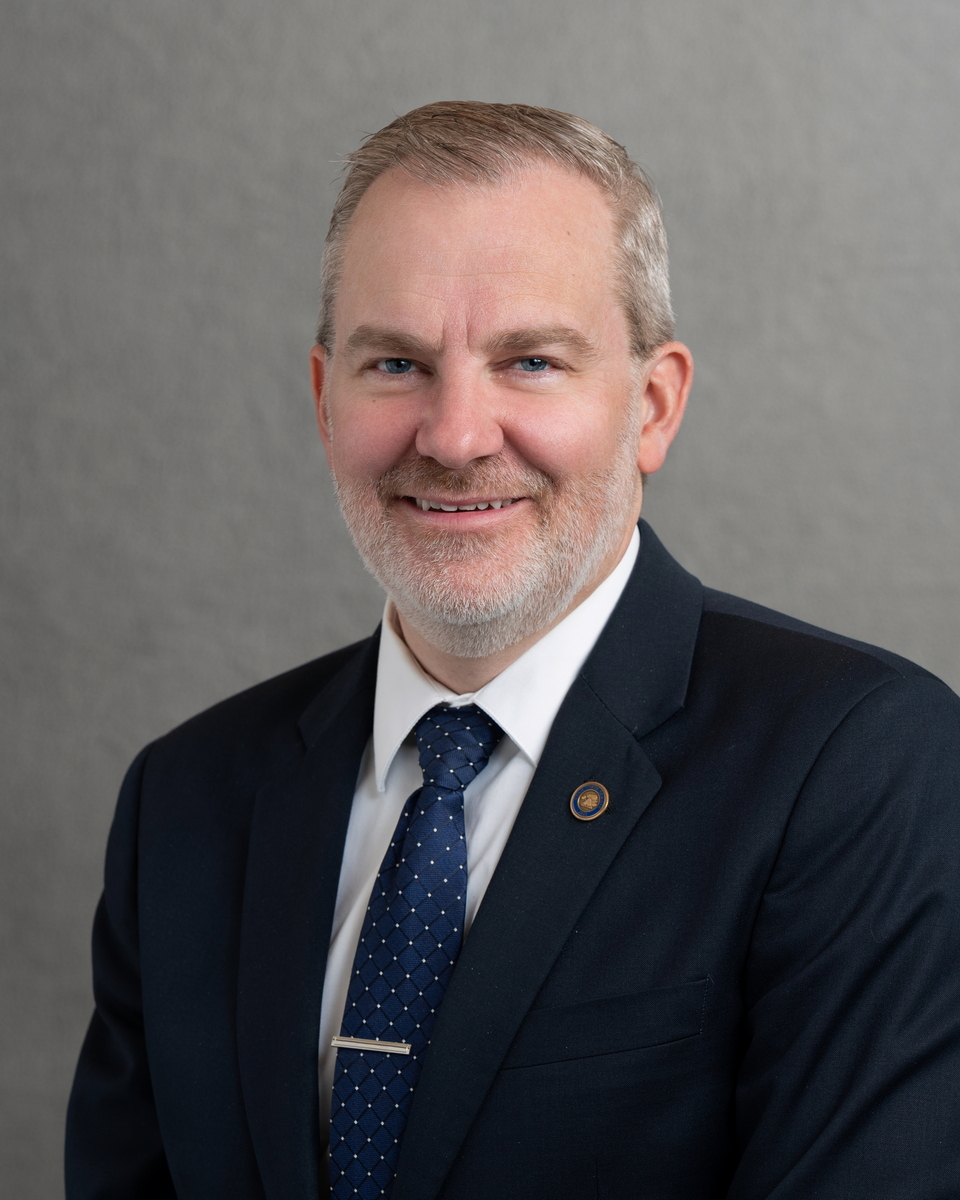
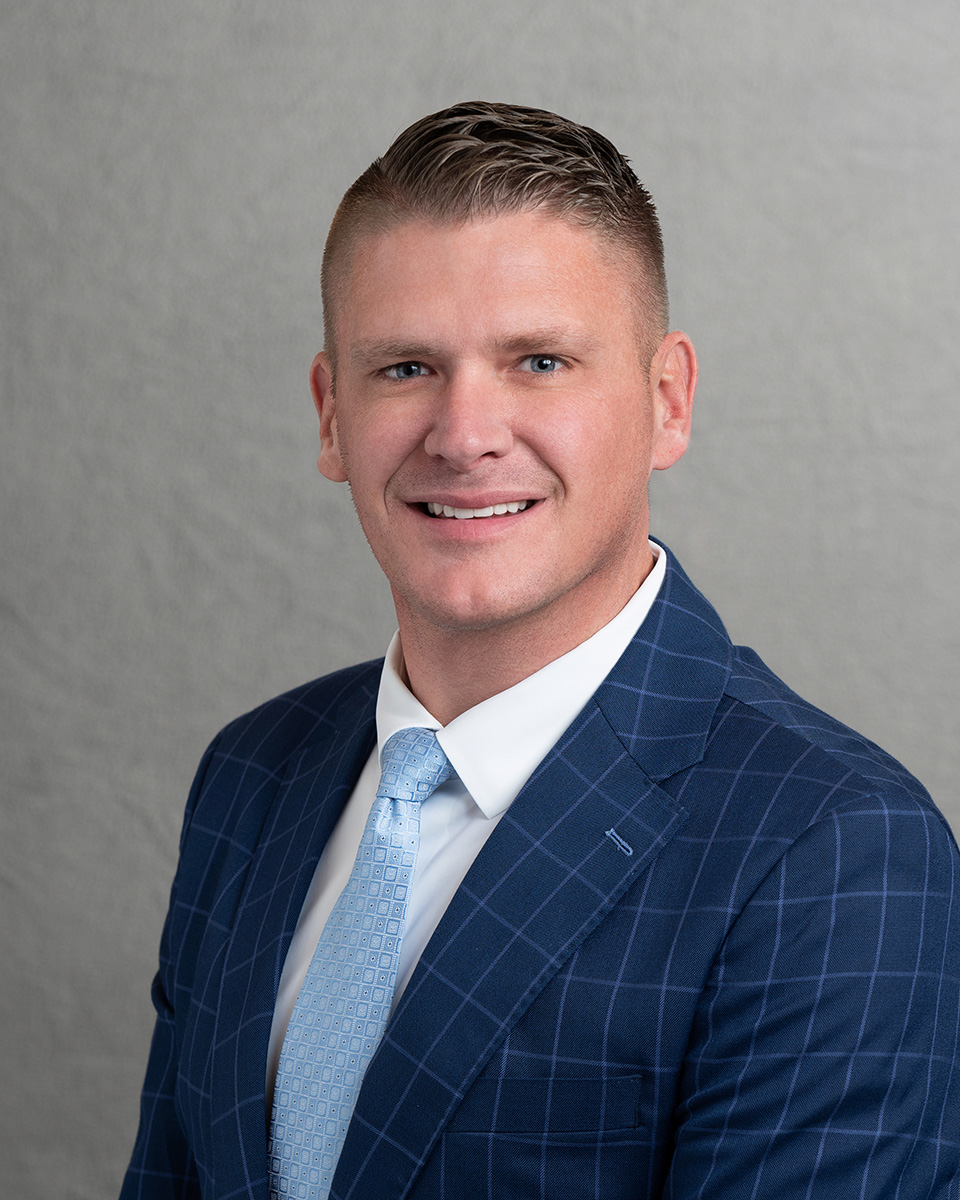
Lincoln Fillmore
Lincoln Fillmore Senate · District 17
R
Strong +
92% 79
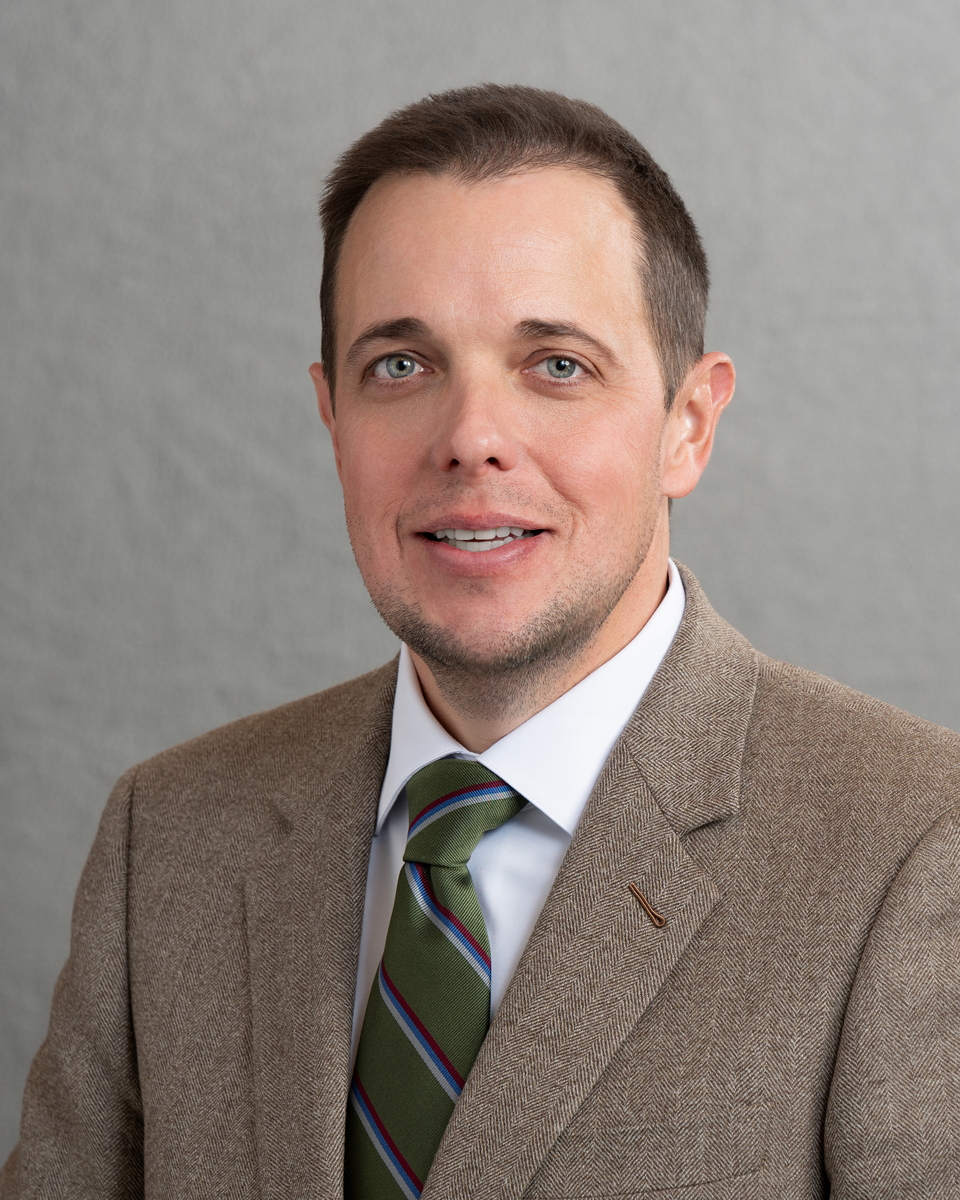
Bridger Bolinder
Bridger Bolinder House · District 29
R
Strong +
91% 59
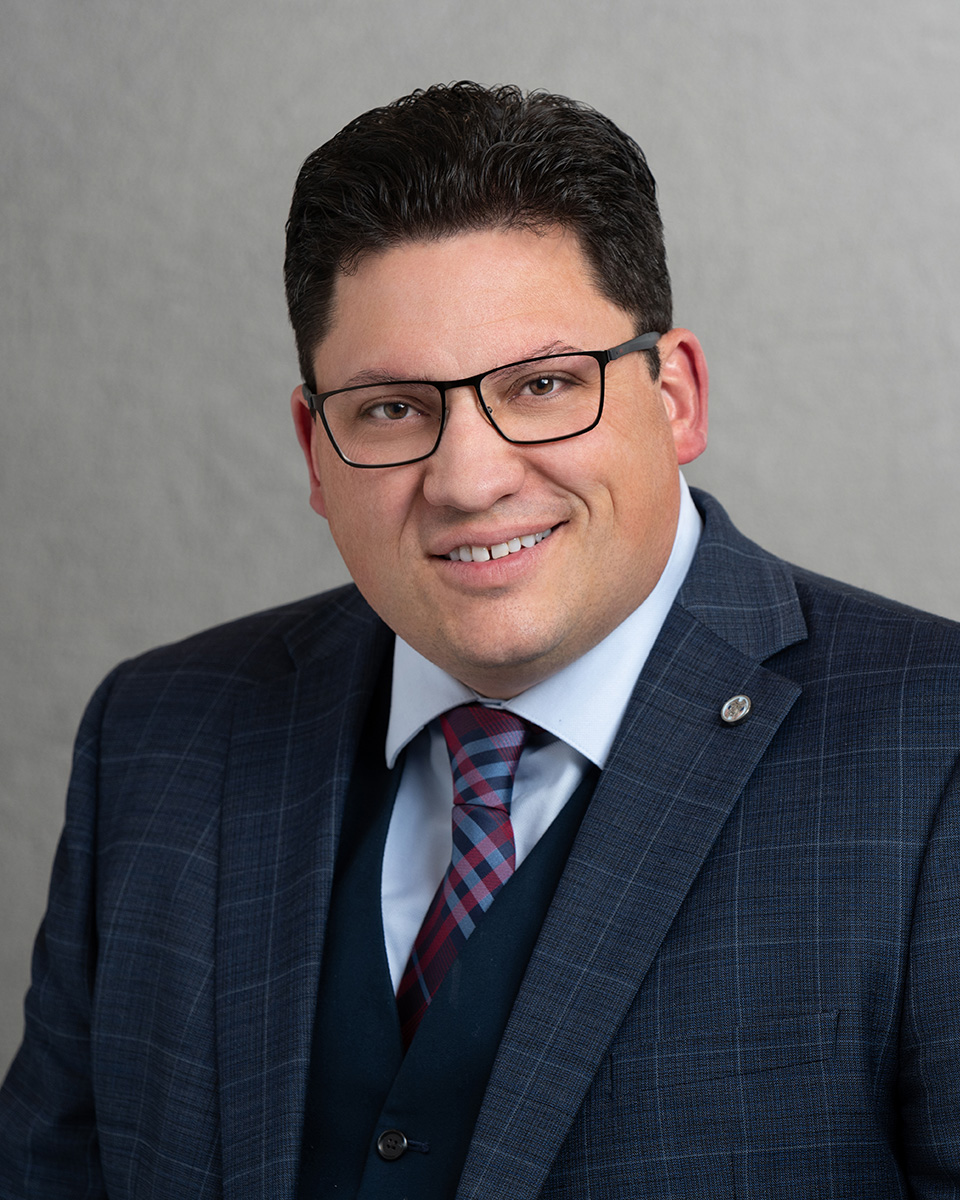
Dan McCay
Dan McCay Senate · District 18
R
Strong +
86% 81
Ryan Wilcox
Ryan Wilcox House · District 7
R
Strong +
83% 60
Jason Thompson
Jason Thompson House · District 3
R
Strong +
82% 60
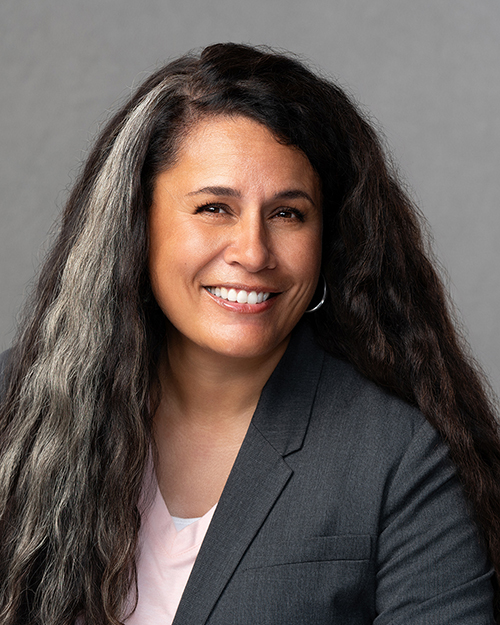
Leah Hansen
Leah Hansen House · District 51
R
Strong −
9% 63
Grant Miller
Grant Miller House · District 24
D
Strong −
17% 66
Verona Mauga
Verona Mauga House · District 31
D
Oppose
25% 62
Kathleen Riebe
Kathleen Riebe Senate · District 15
D
Oppose
27% 89
Nate Blouin
Nate Blouin Senate · District 13
D
Oppose
27% 94
Showing 71–80 of 110 bills

All criminal justice bills

in committee · Utah · House Mar 7, 2026

HB 226: Alternative Incarceration Program Amendments

HB 226 allows Utah county sheriffs to create "sheriff's work programs" where eligible prisoners complete supervised public works projects (like park cleanups or community repairs) instead of serving jail time. It directly affects non-violent offenders sentenced to 30 days or less who voluntarily agree to participate, excluding those with prior convictions for certain offenses or under court orders. Key provisions require sheriffs to establish program rules covering eligibility, work assignments, safety, fees, and disciplinary measures, while granting participants one day of jail credit for every eight hours worked. The bill clarifies that participants remain under the sheriff’s official custody during the program and updates existing laws to align with these changes. No new funding is appropriated, and the bill takes effect in May 2026.
signed · Utah · House Mar 24, 2026

HB 354: Rescue Tracking Equipment Offense Amendments

HB 354 creates a new criminal offense for damaging or interfering with public emergency alert devices designed to notify law enforcement during emergencies and help locate individuals needing assistance. The bill defines "rescue tracking equipment" as public devices that alert authorities and track locations for emergency response, and prohibits destroying, disabling, or tampering with them if it hinders their function. Violations are classified as class B misdemeanors, punishable by up to 180 days in jail and/or fines. This law directly affects anyone who intentionally damages or disrupts these emergency devices, ensuring they remain functional for life-saving assistance. The bill amends Utah Code Section 76-6-106.4 and takes effect May 6, 2026.
in committee · Utah · House Mar 7, 2026

HB 133: Use of Force Reporting Requirements

HB 133 requires individuals who use deadly force to report the incident to 911 or law enforcement within 24 hours to qualify for a pretrial hearing on whether their force was justified. If reported within that timeframe, the defendant automatically meets the initial requirement to argue justification at the hearing, shifting the burden to the state to prove the force was unjustified. The bill amends Utah Code Section 76-2-309 to establish this reporting rule and applies to most cases, with exceptions for law enforcement officers acting lawfully, minor offenses, or cases where force caused death without a timely report. The law will take effect on May 6, 2026.
passed · Utah · House Mar 7, 2026

HB 138: Child Abuse Homicide Amendments

HB 138 clarifies that a person can be charged with child abuse homicide if a child dies by suicide directly caused by the abuse or torture. The bill amends Utah Code Section 76-5-208 to explicitly include suicide as a possible outcome under the child abuse homicide statute when abuse is the direct or immediate cause. It also corrects a technical error in the penalty structure for these offenses and adds a coordination clause for potential overlap with another bill (S.B. 32). This change affects how prosecutors charge individuals whose abuse leads to a child's suicide, making it a criminal offense under the specified felony classifications.
Sub-Topics Violent Crime
signed · Utah · Senate Mar 17, 2026

SB 142: Private Probation and Court Ordered Services Amendments

SB 142 regulates private probation and court-ordered service providers. It requires these providers to share certain defendant information with county sheriffs (while complying with HIPAA privacy rules), prohibits them from soliciting clients on court property, and mandates that providers conduct risk screenings and refer defendants needing specific assessments or treatment services. The bill directly affects private probation companies, county sheriffs overseeing compliance, and defendants under court supervision. Key mechanisms include standardized risk assessments, mandated referrals for specialized services, and strict privacy protections for defendant data.
passed · Utah · Senate Mar 7, 2026

SB 133: Offender Registry Amendments

SB 133 clarifies Utah's requirements for juvenile offenders on the sex, kidnap, and child abuse registry. It specifies that individuals under 18 who committed certain offenses (like sexual abuse or trafficking) without force or coercion and were under 21 at the time of the crime will only need to register for 10 years instead of for life. This amendment to Utah Code Section 53-29-203 directly affects young people convicted of specific crimes who would otherwise face lifetime registration. The change applies only to cases meeting all the specified criteria, not to all juvenile offenders.
Sub-Topics Juvenile Justice
passed · Utah · House Mar 7, 2026

HB 183: Sex Designation Amendments

HB 183 amends Utah state laws to replace the term "gender" with "sex" in all relevant statutes and removes protections based on gender identity. It repeals existing provisions covering gender identity in housing, employment, and crime, prohibits changes to sex designations on birth certificates, and restricts student access to privacy spaces based on biological sex. The bill also requires state agencies to use "sex" instead of "gender" in rulemaking, bars certain employees in child-related roles from having face-to-face contact with children if their work presents a different sex than their biological sex, and directs courts to consider parental opposition to a child's gender identity (conflicting with biological sex) as a factor in custody decisions. These changes directly affect transgender and gender-diverse individuals, schools, healthcare providers, and courts handling custody cases. The bill contains no funding impacts and is currently in early legislative stages.
in committee · Utah · Senate Mar 7, 2026

SB 99: Emergency Reporting Offense Amendments

SB 99 amends Utah law to clarify and expand the offense of "emergency reporting abuse" by specifically prohibiting contacting 911 when someone knows or should know no actual emergency exists. It directly affects individuals who make repeated false 911 calls, including those who report non-existent emergencies after being previously warned by authorities. The bill adds a new provision (Section 76-9-105.5(2)(d)) making such conduct a class B misdemeanor, while false reports about weapons of mass destruction or sex-designated changing rooms remain second-degree felonies. It also requires courts to order convicted individuals to reimburse government or organizations for response costs incurred. The law takes effect May 6, 2026.
Tags Public Safety
passed · Utah · House Mar 7, 2026

HB 168: Hunting and Fishing Amendments

HB 168 creates the Poaching Mitigation Fund to use restitution from poaching violations for anti-poaching efforts like education programs, wildlife crime detection equipment, and law enforcement training. It modifies the Guide and Outfitter Fund to allow the Division of Law Enforcement to use its money for wildlife enforcement, removes outdated references to "spotters," and updates definitions for guides and outfitters. The bill also clarifies rules about the number of people allowed to provide guide services, addresses unlawful aircraft activity during hunting/fishing, and requires reimbursement for investigatory expenses related to violations. These changes directly affect wildlife law enforcement, licensed guides/outfitters, and individuals violating hunting/fishing regulations. The bill makes technical updates to Utah code sections without appropriating new funds.
in committee · Utah · House Mar 7, 2026

HB 327: License Plate Reader Amendments

HB 327 amends Utah's laws governing automatic license plate readers (LPRs) used by government and law enforcement. It directly affects police departments, state agencies, and other public entities that collect license plate data. The bill replaces outdated rules with new requirements, including mandatory data security measures, limits on how long data can be stored, and restrictions on sharing data with other agencies. It also requires agencies to report how they use LPRs, ensuring transparency in their deployment. The law makes no changes to funding or creates new surveillance powers, focusing solely on standardizing existing LPR data handling practices.
Showing 71 to 80 of 110 bills
Previous 1 7 8 9 11 Next