Issue · Criminal Justice

Criminal Justice

Every criminal justice bill, vote, and legislator stance in Utah, automatically classified by Maddy, our AI policy reader.

Total bills
110
2026 General Session
Top supporter
Lincoln Fillmore
92% support rate
Top opponent
Leah Hansen
9% support rate
Ranked legislators
10
5 support · 5 oppose
Key legislators

Who's moving criminal justice in Utah

Legislators moving criminal justice in Utah
Legislator Party Stance Support rate Votes
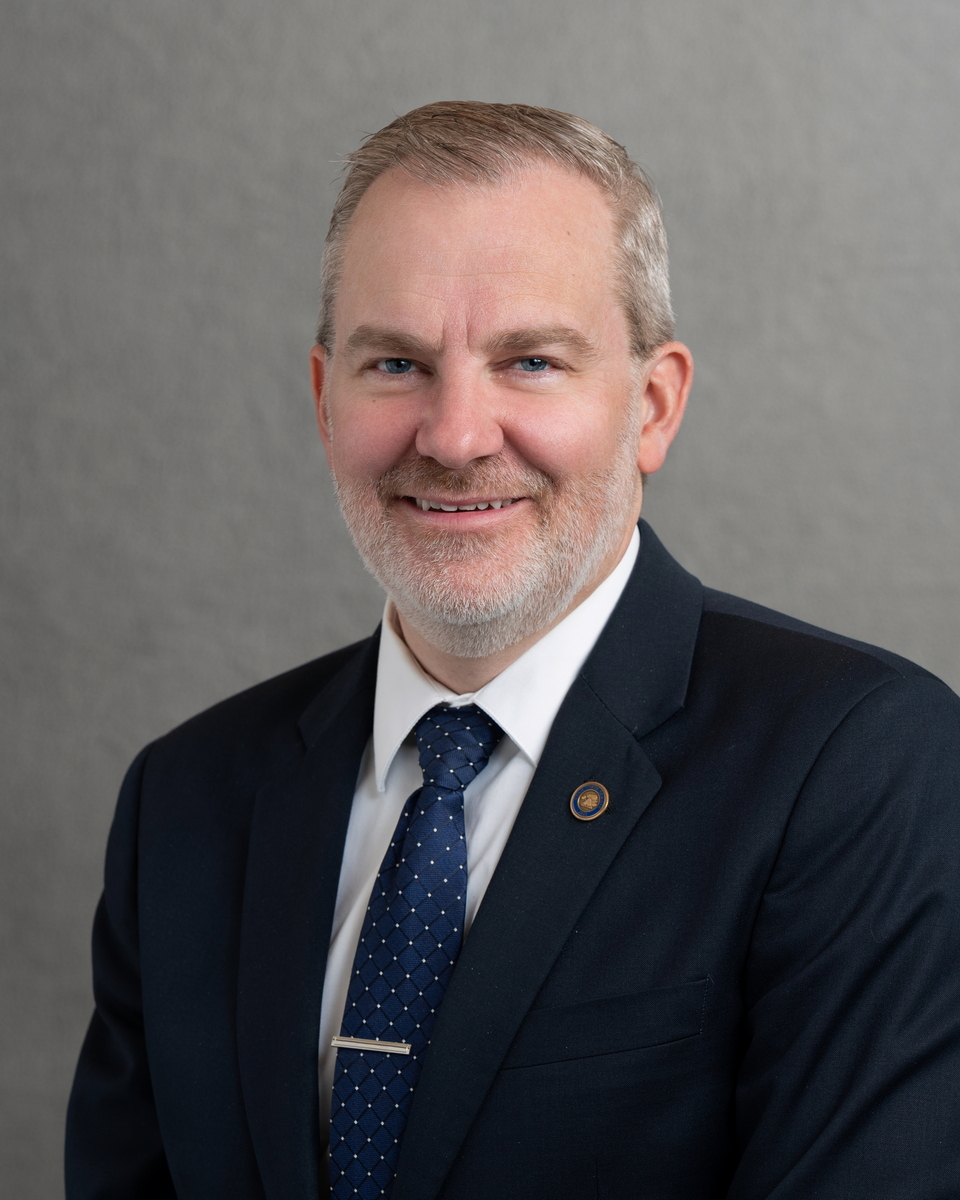
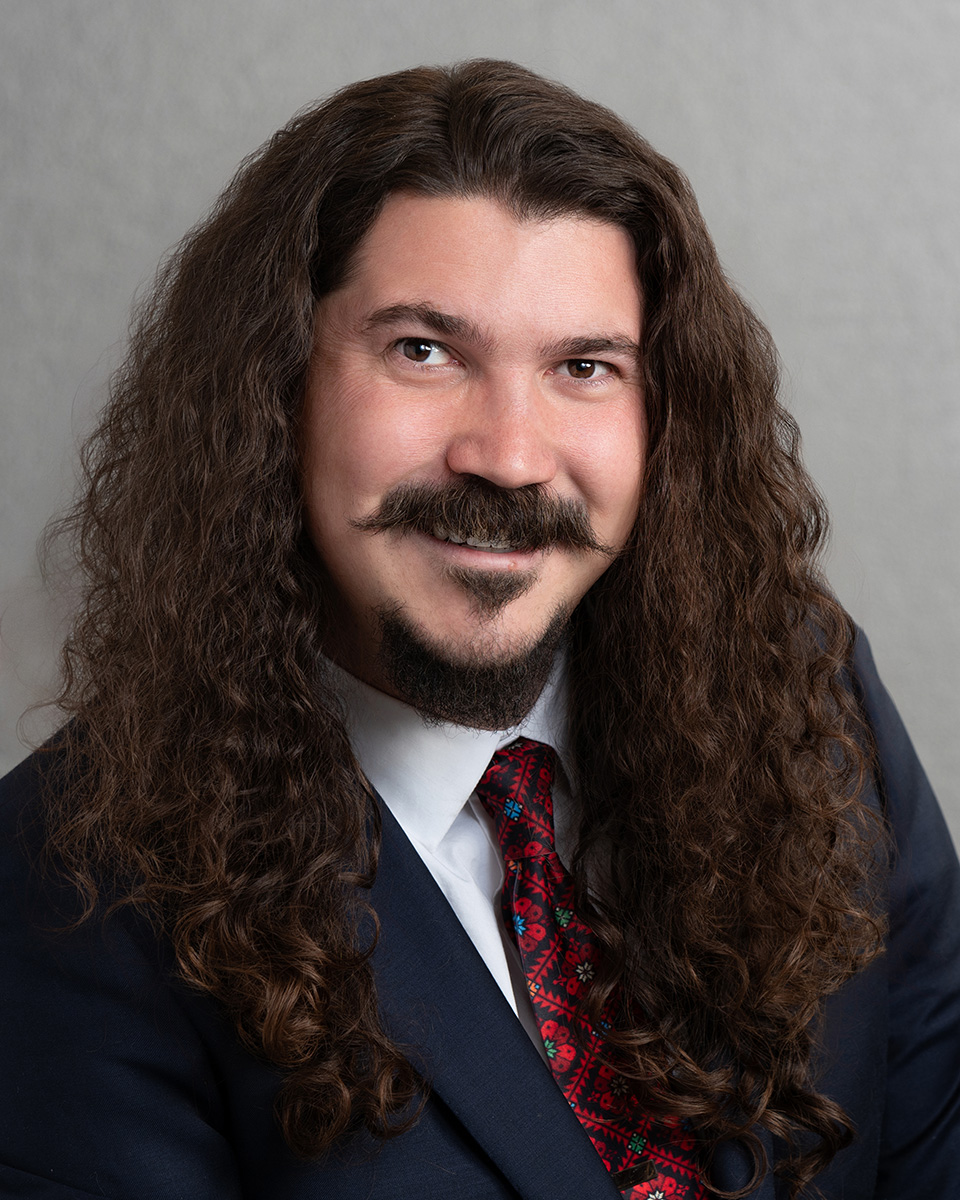
Lincoln Fillmore
Lincoln Fillmore Senate · District 17
R
Strong +
92% 79
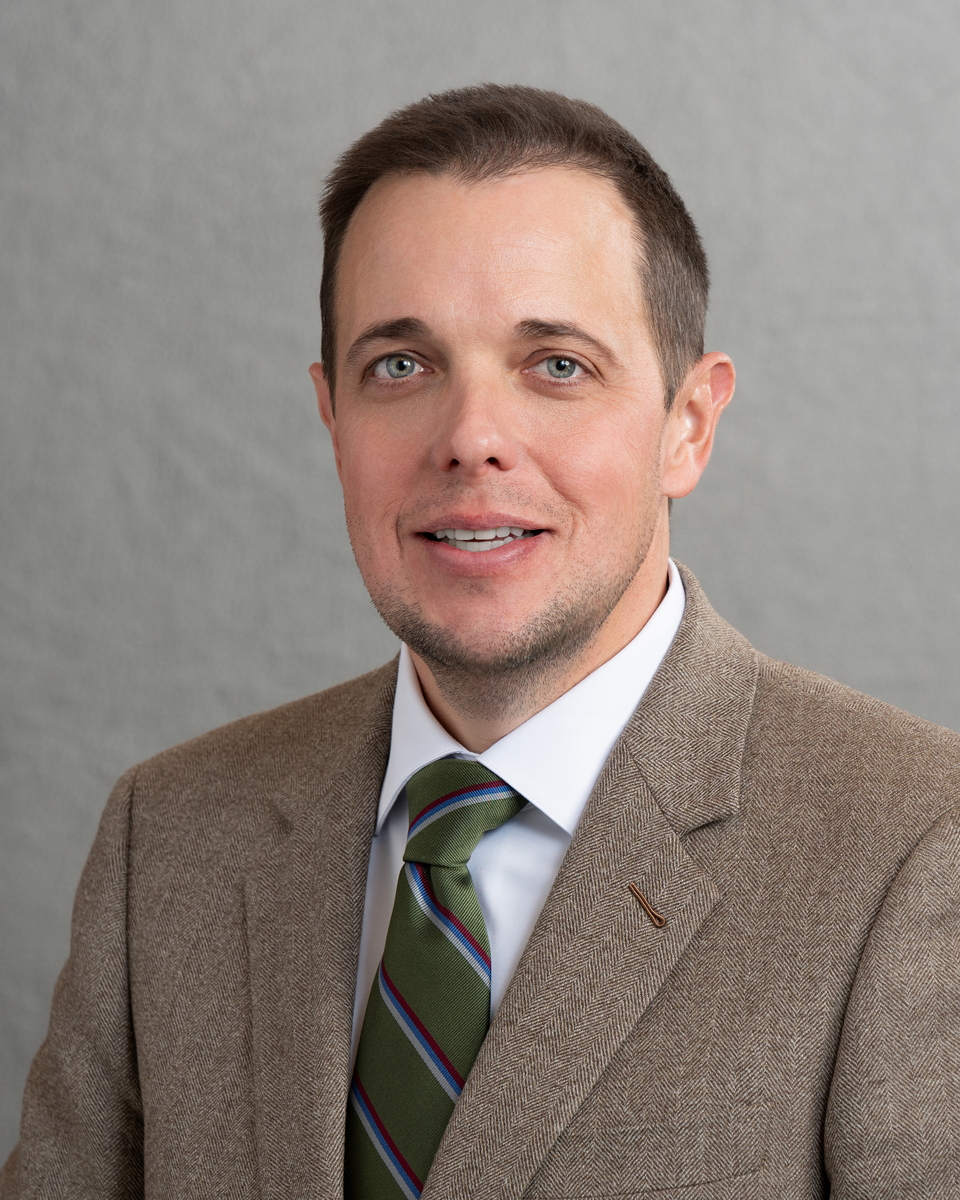
Bridger Bolinder
Bridger Bolinder House · District 29
R
Strong +
91% 59
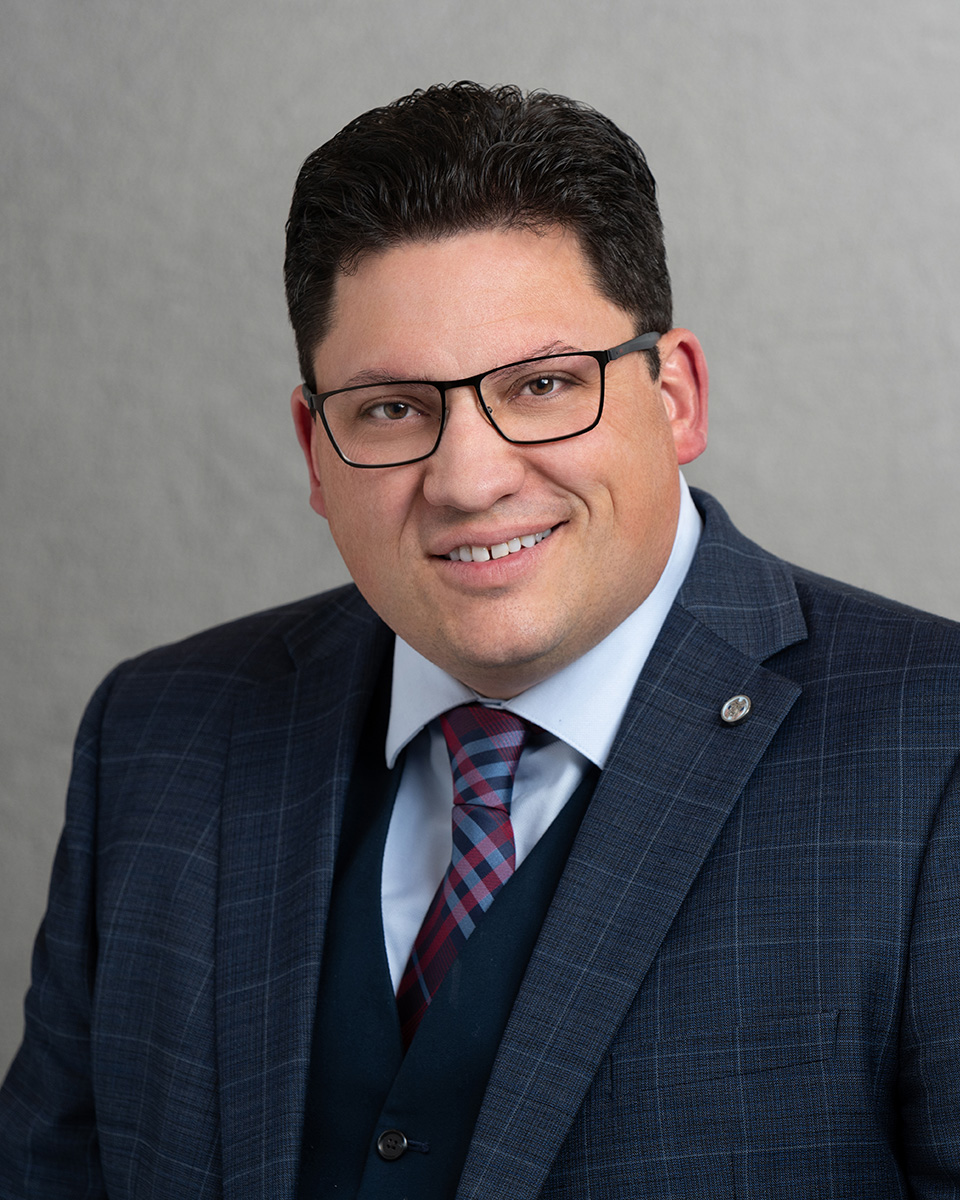
Dan McCay
Dan McCay Senate · District 18
R
Strong +
86% 81
Ryan Wilcox
Ryan Wilcox House · District 7
R
Strong +
83% 60
Jason Thompson
Jason Thompson House · District 3
R
Strong +
82% 60
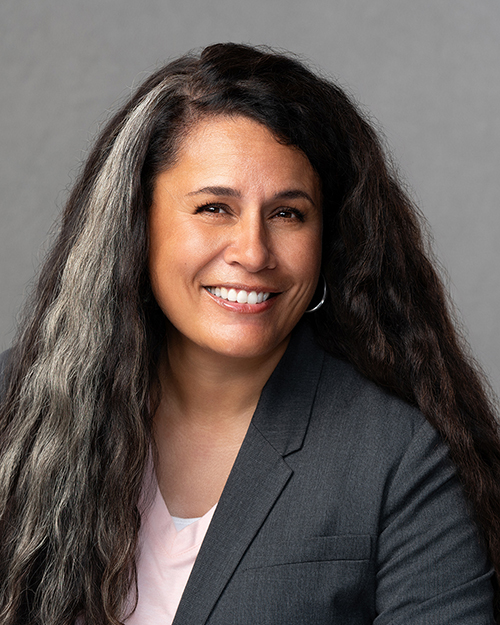
Leah Hansen
Leah Hansen House · District 51
R
Strong −
9% 63
Grant Miller
Grant Miller House · District 24
D
Strong −
17% 66
Verona Mauga
Verona Mauga House · District 31
D
Oppose
25% 62
Kathleen Riebe
Kathleen Riebe Senate · District 15
D
Oppose
27% 89
Nate Blouin
Nate Blouin Senate · District 13
D
Oppose
27% 94
Showing 81–90 of 110 bills

All criminal justice bills

signed · Utah · House Mar 26, 2026

HB 220: Public Safety Data Amendments

HB 220 amends reporting requirements for public safety data in Utah, shifting where certain reports are submitted. It removes mandated reports about domestic violence firearm restrictions, sexual assaults in detention facilities, and other crime data from being sent to a legislative committee, instead directing these reports to the State Commission on Criminal and Juvenile Justice for inclusion in a public safety portal. The bill also adds new requirements for institutions of higher education, strike forces, and agencies like the Department of Corrections to submit specific crime and safety data to this portal. These changes streamline data collection for public access but do not alter underlying laws or create new funding.
in committee · Utah · House Mar 7, 2026

HB 135: Cohabitant Definition Amendments

HB 135 clarifies the legal definition of "cohabitant" in Utah's domestic violence and battered person mitigation laws. It specifically expands the definition to include minors when a parent, stepparent, or cohabiting adult commits abuse against them, and also includes parents/stepparents when a minor commits an offense against them. These changes ensure that the battered person mitigation defense - allowing reduced charges for individuals who acted in response to abuse - applies correctly to cases involving minors and their caregivers. The bill makes technical adjustments to existing statutes without creating new programs or costs.
Sub-Topics Domestic Violence
in committee · Utah · House Mar 7, 2026

HB 244: Employment Amendments

HB 244 protects employees and job applicants who voluntarily cooperate with law enforcement. It prohibits employers from asking employees not to cooperate, penalizing them for cooperating, or refusing to hire them based on this choice. Employees who face retaliation can sue for damages or court orders under the new law. The bill takes effect on May 6, 2026, and applies to all employers in Utah.
Sub-Topics Courts Law Enforcement
passed · Utah · House Mar 7, 2026

HB 295: Overdose Amendments

HB 295, the "Overdose Amendments," updates Utah's criminal code to better address overdose situations. It expands the affirmative defense for reporting overdoses to include both the person experiencing the overdose and anyone who stays with them during the event. The bill also creates a new option for courts to dismiss first-time drug offenses if the individual commits to substance abuse treatment, and clarifies that reporting an overdose can be used as a sentencing mitigating factor for both parties involved. These changes aim to reduce criminal penalties for overdose-related incidents while encouraging treatment engagement.
introduced · Utah · House Mar 7, 2026

HB 237: Stalking Amendments

HB 237 amends Utah's stalking law to strengthen protections for victims and increase penalties for offenders. It specifically adds a second-degree felony penalty when an offender unlawfully enters a victim's dwelling during stalking, and clarifies definitions like "course of conduct" to include digital harassment (e.g., texts, social media). The bill directly affects stalking victims and individuals convicted of stalking, making unlawful dwelling entry a more severe offense. These changes update existing statutes without new funding or broad procedural shifts.
signed · Utah · House Mar 24, 2026

HB 331: Criminal Offenses Modifications

HB 331 modifies Utah criminal law to clarify and expand certain offenses. It renames "threat of terrorism" to "terrorism" and clarifies the offense covers completed acts, not just threats. The bill creates new offenses including "unlawfully advancing foreign organizations" (e.g., aiding terrorist groups), "intentional concealment of identity" (e.g., wearing masks during crimes), and "unlawful deprivation of civil rights" (allowing victims to sue perpetrators). It also expands "aggravated disorderly conduct" to include blocking streets with two or more people. These changes directly affect individuals committing these specific criminal acts and apply to Utah state law.
Sub-Topics Civil Rights
signed · Utah · House Mar 24, 2026

HB 274: Sentencing Amendments

HB 274 amends Utah's sentencing structure by changing the membership of the Sentencing Commission and updating its responsibilities. The bill requires the Commission to consider specific factors - like public safety, rehabilitation, and risk reduction - when setting adult sentencing and supervision guidelines, directly affecting courts, offenders, and correctional systems. Key provisions include adding new member roles (e.g., prosecutors, sheriffs, victim services representatives), mandating a full review of sentencing guidelines by November 2026, and requiring guidelines to address probation/parole violations and incentives. It makes technical updates to existing statutes (63M-7-401.2, 63M-7-404.3, and 76-3-201) without appropriating new funds.
passed · Utah · Senate Mar 7, 2026

SB 94: Inmate Financial Literacy Amendments

SB 94 requires Utah's Department of Corrections to offer an optional financial literacy class to all inmates. The class must teach strategies for saving and managing money earned through employment, including income earned while incarcerated. This applies directly to every inmate in Utah state correctional facilities. The bill amends existing law (Utah Code 64-13-48) to add this specific requirement, building on current educational program mandates without additional funding.
Sub-Topics Corrections
in committee · Utah · Senate Mar 7, 2026

SB 182: Attorney Admission to Jail Facilities Amendments

SB 182 requires Utah county sheriffs to permit licensed attorneys to enter jails for client meetings under specific conditions. Attorneys must be licensed in good standing and inform the sheriff of their intent to meet a prisoner who is their current/former client, prospective client, or someone relevant to a criminal case. Sheriffs must provide a private meeting space during standard hours (8 a.m.-5 p.m., Monday-Friday, excluding holidays), though special circumstances may allow exceptions. The bill also allows sheriffs to designate staff to handle these requests and mandates public posting of designee contact details. This directly affects attorneys seeking jail access and sheriffs managing facility entry protocols.
passed · Utah · House Mar 7, 2026

HB 49: Law Enforcement Salary Amendments

HB 49 requires the salary ranges and pay progression for law enforcement officers in Utah's Division of Natural Resources (DNR) to match those of peace officers in the Department of Public Safety, with similar experience and qualifications. This directly affects DNR law enforcement officers, ensuring their compensation aligns with comparable state law enforcement roles. The bill includes an exception allowing DNR leadership (majors and division directors) to have lower salary ranges than other division directors within the department. It makes technical updates to Utah Code Section 63A-17-110 and takes effect on May 6, 2026, with no new funding required.
Sub-Topics Law Enforcement
Showing 81 to 90 of 110 bills
Previous 1 8 9 10 11 Next