Issue · Criminal Justice

Criminal Justice (Courts)

Every criminal justice bill, vote, and legislator stance in Utah, automatically classified by Maddy, our AI policy reader.

Total bills
24
2026 General Session
Top supporter
Bridger Bolinder
100% support rate
Top opponent
Angela Romero
0% support rate
Ranked legislators
10
5 support · 5 oppose
Key legislators

Who's moving courts in Utah

Legislators moving courts in Utah
Legislator Party Stance Support rate Votes
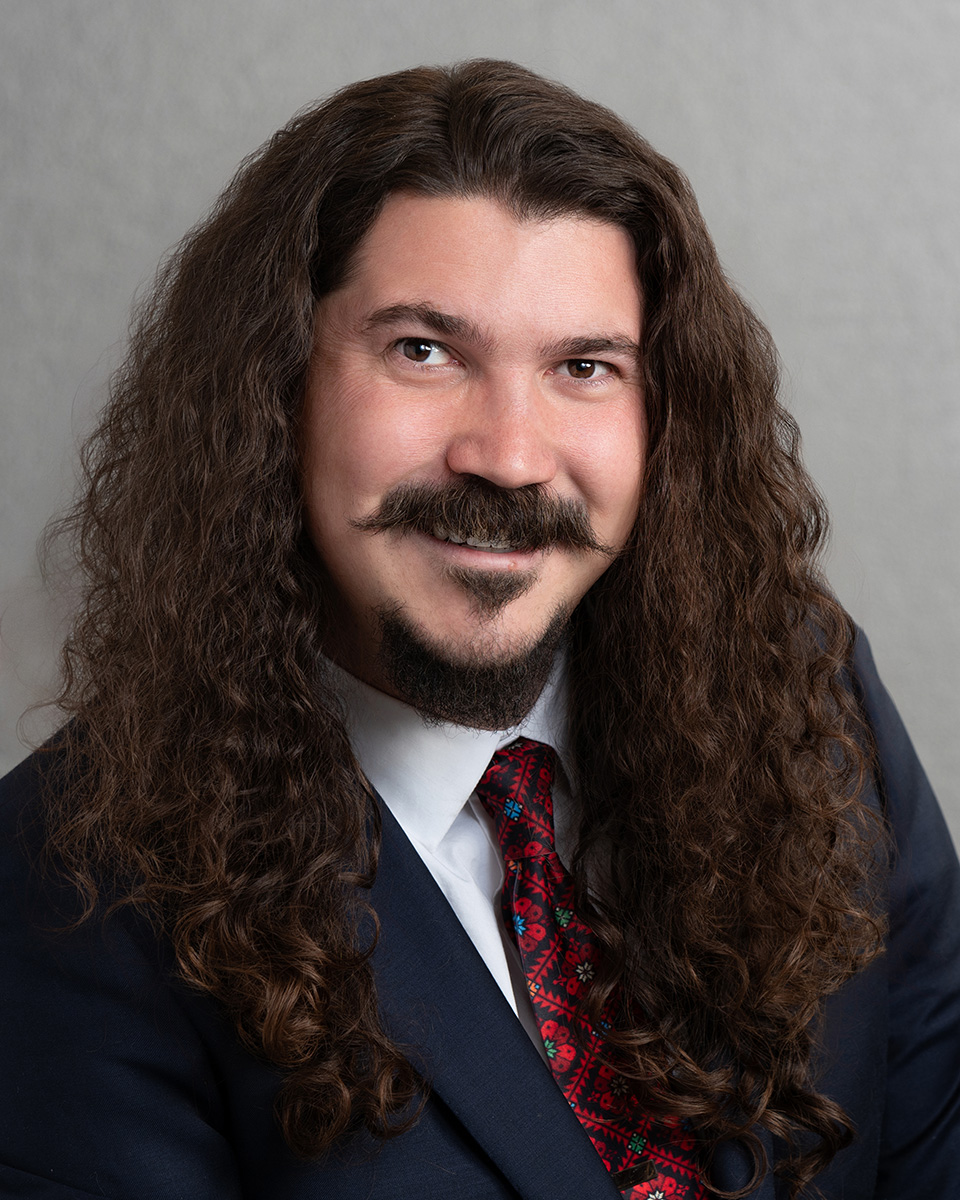
Bridger Bolinder
Bridger Bolinder House · District 29
R
Strong +
100% 4
Candice Pierucci
Candice Pierucci House · District 49
R
Strong +
100% 4
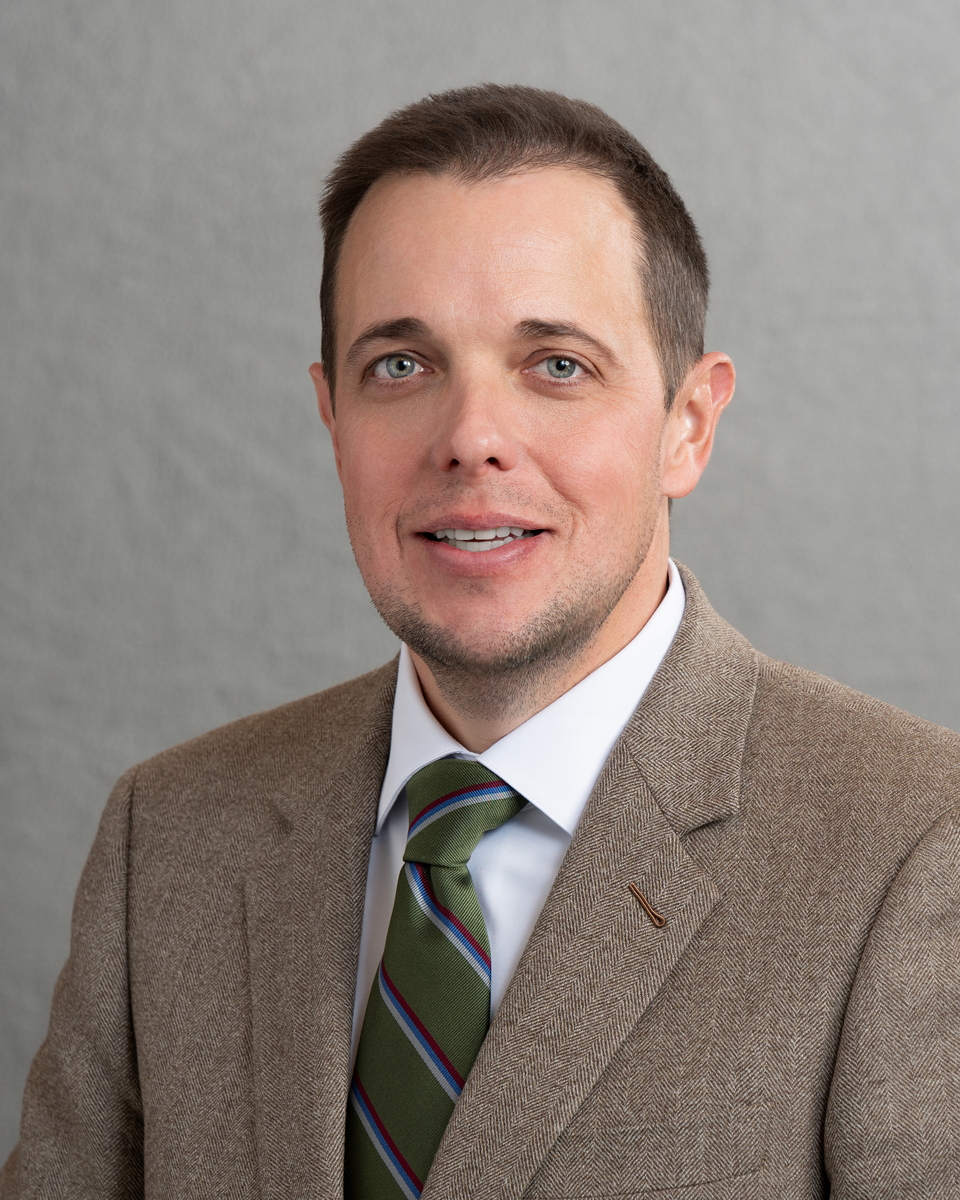
Carl Albrecht
Carl Albrecht House · District 70
R
Strong +
100% 4
Casey Snider
Casey Snider House · District 5
R
Strong +
100% 4
Cheryl Acton
Cheryl Acton House · District 38
R
Strong +
100% 4
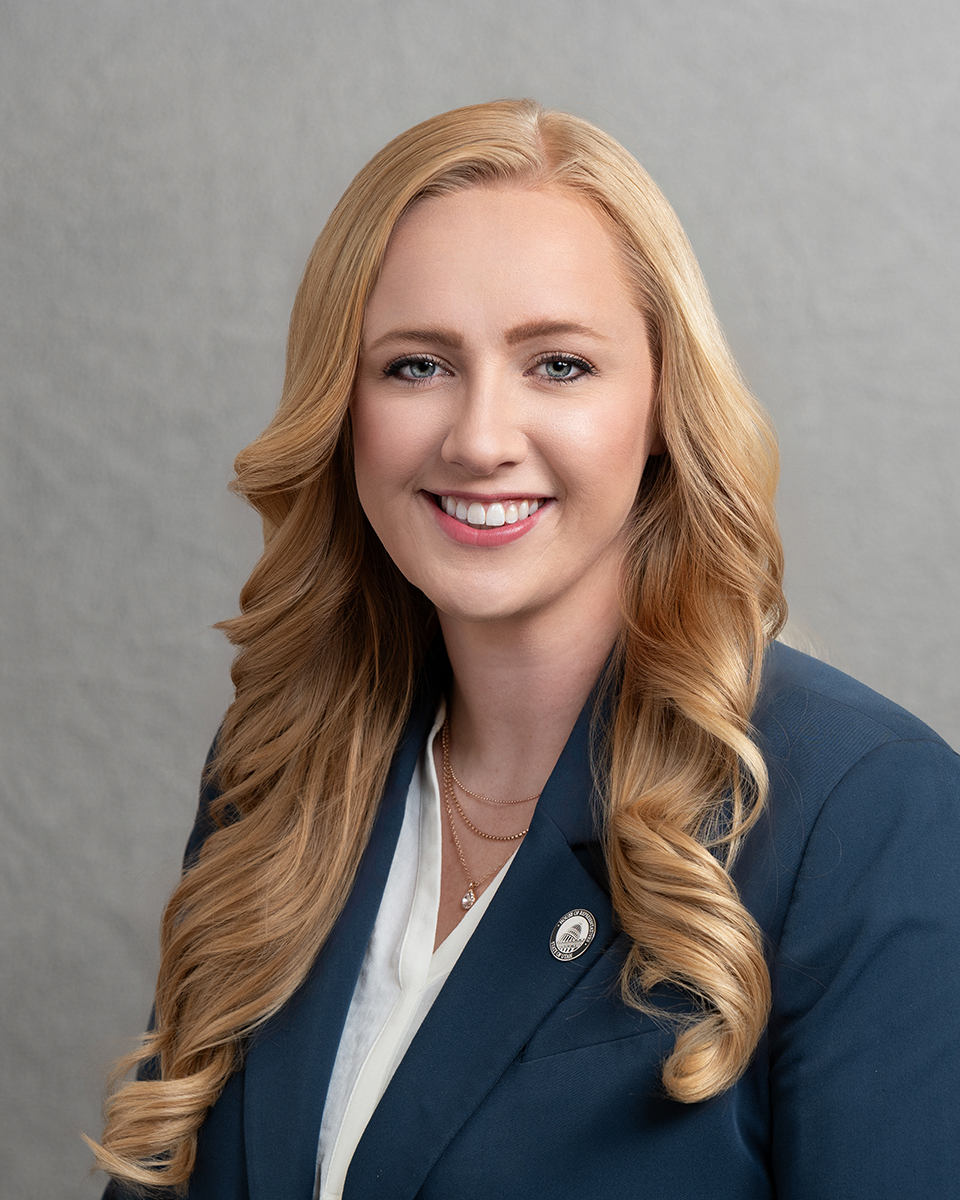
Angela Romero
Angela Romero House · District 25
D
Strong −
0% 4
Ashlee Matthews
Ashlee Matthews House · District 37
D
Strong −
0% 4
Carol Moss
Carol Moss House · District 34
D
Strong −
0% 4
Grant Miller
Grant Miller House · District 24
D
Strong −
0% 4
Hoang Nguyen
Hoang Nguyen House · District 23
D
Strong −
0% 4
Showing 1–10 of 24 bills

All criminal justice bills

passed both · Utah · House Mar 17, 2026

HJR 28: Joint Resolution Amending Court Rules Related to Capital Felony Cases

HJR 28 amends Utah court rules to create a new procedure for remanding non-capital felony appeals (cases without a death sentence) to trial courts. It allows defendants to request the appellate court send their case back for factual findings about claims of ineffective legal counsel, requiring specific evidence and limiting the process to 90 days. The bill explicitly excludes capital felony cases (with death sentences) from this remand process. This affects defendants in non-capital felony appeals challenging their attorneys' performance, providing a structured way to address incomplete records without changing the death penalty process.
Sub-Topics Courts
signed · Utah · House Mar 24, 2026

HB 495: Capital Felony Case Amendments

HB 495 amends Utah's legal procedures for capital felony cases (those carrying the death penalty), directly affecting defendants sentenced to death, their defense attorneys, and the courts handling these cases. Key provisions include requiring courts to inform defendants of appeal rights and postconviction relief options, mandating appointment of appellate counsel for death sentences, and establishing new procedures for determining intellectual disability to avoid death sentences. The bill also modifies the Utah Supreme Court's review process for death penalty cases, prioritizing these cases and requiring the Court to maintain a list of qualified defense attorneys for postconviction appeals. Additionally, it updates rules for competency evaluations, appeals of intellectual disability determinations, and execution procedures, while repealing outdated statutes.
Sub-Topics Courts
passed · Utah · House Mar 7, 2026

HB 554: State Debt Collection Amendments

HB 554 modifies Utah's debt collection rules to streamline how government entities recover unpaid amounts. It directs the State Tax Commission to apply corporate tax overpayments toward debts under the Crime Victims Restitution Act, allows collections without a court judgment, and standardizes definitions for "accounts receivable" (including fines, restitution, and taxes). The bill also permits the State Debt Collection Fund to retain up to one year's expenses annually and makes technical updates to multiple statutes. These changes primarily affect taxpayers with outstanding debts and government agencies collecting public funds, with no new state funding required.
passed both · Utah · House Mar 17, 2026

HJR 26: Joint Resolution Amending Rules of Evidence to Address Machine-Generated Evidence

HJR 26 amends Utah's Rules of Evidence to establish new standards for admitting evidence generated by automated systems (like AI or algorithms) that make inferences or predictions. It requires such evidence to meet four criteria for admissibility: it must help the court understand the case, be based on sufficient facts, use reliable methods, and apply those methods correctly to the facts. This rule specifically excludes basic measuring devices (like speedometers or thermometers) from these requirements. The bill affects Utah courts and legal proceedings involving machine-generated evidence, ensuring such evidence meets reliability standards before being used in trials.
Sub-Topics Courts Tags Artificial Intelligence
passed · Utah · House Mar 7, 2026

HB 593: Bail Amendments

HB 593 amends Utah's bail procedures to improve pretrial release decisions. It requires jail staff to collect detailed information - including residential address, financial circumstances, community ties, and lethality assessments - when individuals are arrested without a warrant and booked. The bill also establishes new criteria for jail officials to release people on their own recognizance (without bail), prohibiting release for certain offenses like violent felonies, domestic violence, or recent bookings. These changes apply directly to arrested individuals, courts, and jail staff, aiming to inform release decisions with more comprehensive data while maintaining court oversight.
passed · Utah · House Mar 7, 2026

HB 465: Juvenile Court Amendments

HB 465 modifies Utah juvenile court procedures to allow conditional suspension of detention for certain minors. It permits courts to suspend up to 5 days of detention for first-time offenses, or up to 30 days if the minor previously had a suspended sentence, subject to court conditions and safeguards like notice and hearings. The bill also updates rules for suspending commitments to the juvenile division, allowing 90-day suspensions if the minor commits no new offenses, with strict requirements for lifting suspensions. These changes directly affect minors facing detention or commitment in Utah's juvenile justice system, focusing on reducing unnecessary detention while maintaining court oversight. The bill makes no new funding commitments and amends existing code sections without altering prohibited detention grounds (e.g., for status offenses or unpaid fees).
signed · Utah · Senate Mar 23, 2026

SB 290: Victim and Witness Privacy Amendments

SB 290 strengthens privacy protections for victims and witnesses in Utah criminal cases by regulating access to their nonpublic electronic data, such as personal messages or intimate images shared with law enforcement. It requires law enforcement to implement secure "virtual rooms" for defendants' attorneys to review sensitive data without copying it, creates a presumption against disclosing intimate images, and mandates clear disclosure of devices used in investigations. The bill directly affects victims/witnesses (who gain greater control over their private information), law enforcement (who must adopt new policies), and defendants (who must seek court approval to access nonpublic data). Key provisions include defining "nonpublic victim or witness data," requiring prosecutors to notify defendants about device searches, and limiting data sharing to specific court-approved scenarios. The bill makes no changes to existing evidence disclosure rules under Utah Rules of Criminal Procedure.
introduced · Utah · House Mar 7, 2026

HB 606: Surveillance and Investigatory Technology Amendments

HB 606 regulates how Utah law enforcement agencies use surveillance and investigatory technology. It requires agencies to annually report technology usage to a state commission, prohibits unauthorized surveillance, and allows individuals to sue police departments for illegal tech use. Evidence obtained in violation of the law cannot be used in court. The bill directly affects all Utah law enforcement agencies and mandates new transparency and accountability measures.
passed · Utah · Senate Mar 7, 2026

SB 316: Public Employee Attorney Fee Recovery Amendments

SB 316 modifies Utah law to clarify when public employees (like police officers or government workers) can recover attorney fees and court costs after being charged criminally for actions related to their job. It requires prosecutors' offices (municipal, county, district, or state) to pay 50% of these fees if the employee is acquitted or charges are dismissed, with one key change: the exception for dismissals by prosecutors now only applies if the dismissal happens more than 45 days after a preliminary hearing. The bill specifically limits this exception to charges filed as "information" (not indictments) and ensures employees aren’t barred from recovery if charges are dismissed within that 45-day window. This affects public employees facing criminal charges tied to their official duties, making it easier to recover legal costs in certain cases.
passed · Utah · Senate Mar 7, 2026

SB 301: Summons Amendments

SB 301 amends criminal procedure rules regarding summons for defendants released from jail before trial. It directly affects defendants, prosecutors, and magistrates by changing when prosecutors can file charges (after 60 days of release) and modifying requirements for magistrates releasing defendants. The bill adds that a presumption favoring defendants' release can be overcome if the defendant fails to appear on a served summons or if good-faith service attempts fail. These changes clarify procedural timelines and service requirements for pretrial releases.
Sub-Topics Corrections Courts
Showing 1 to 10 of 24 bills
1 2 3 Next